
Zen Philosophy
I keep returning to Zen because it does not ask us to make life neat. It asks us to see more clearly what is already there: the unfinished circle, the visible fracture, the beauty that appears when balance is allowed to shift.
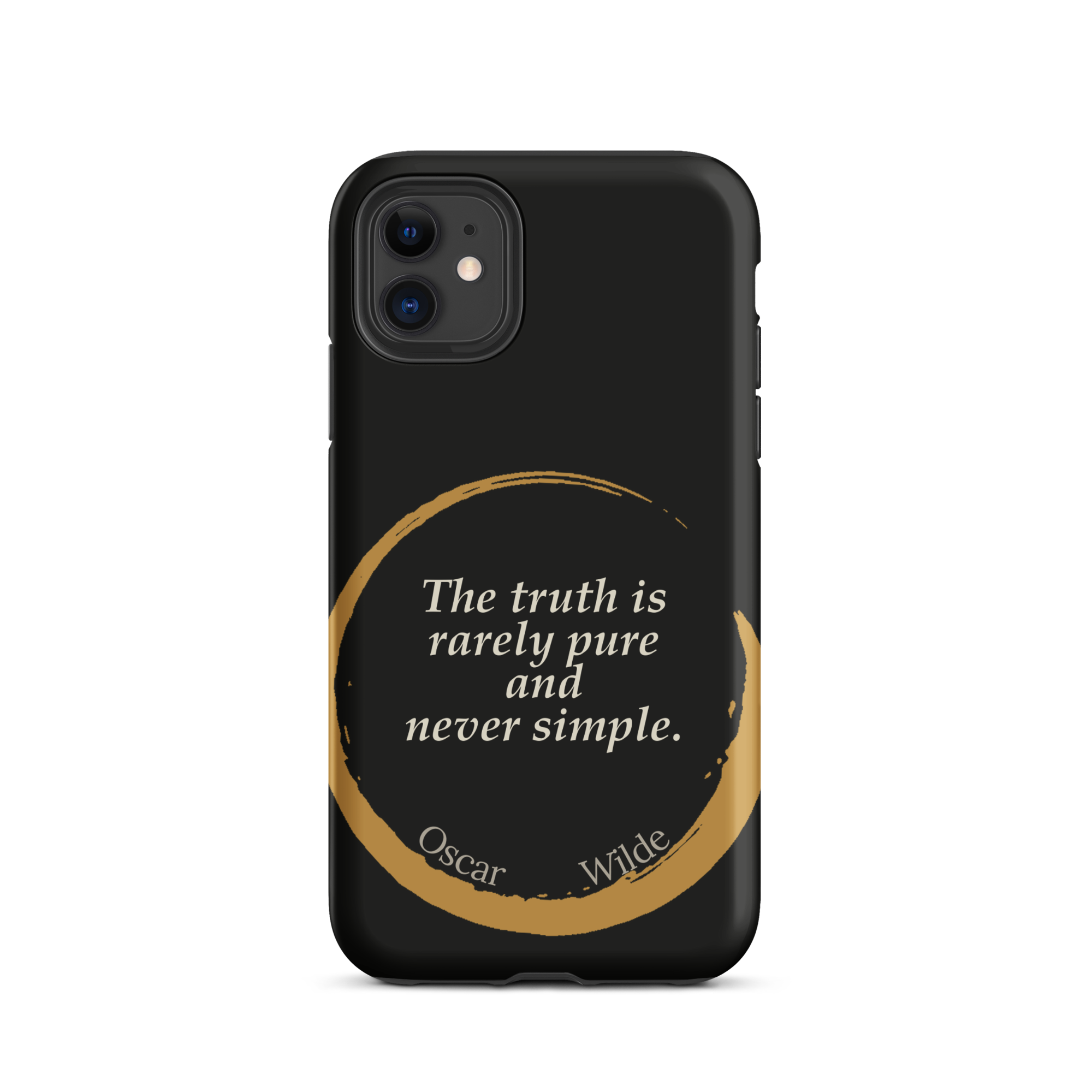
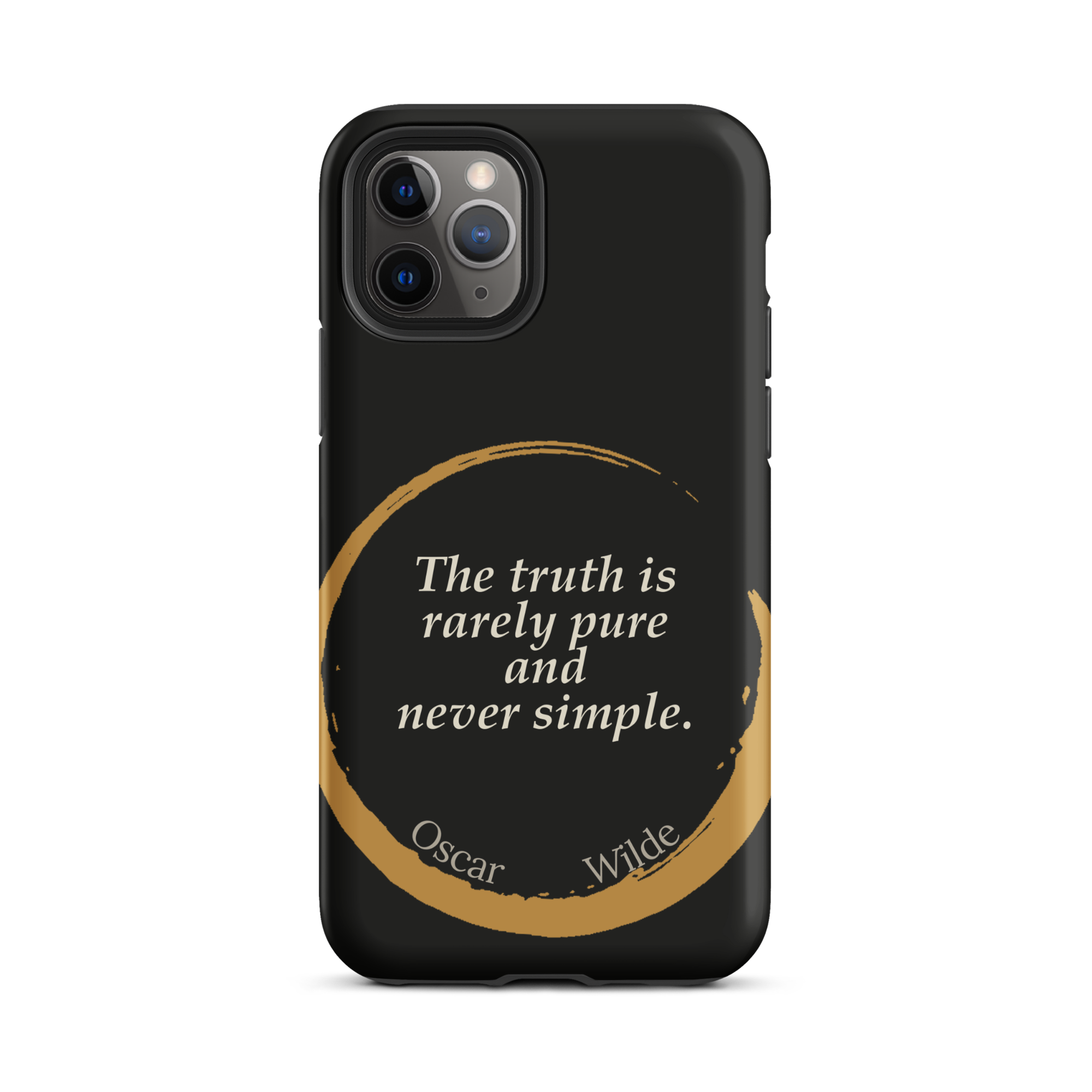
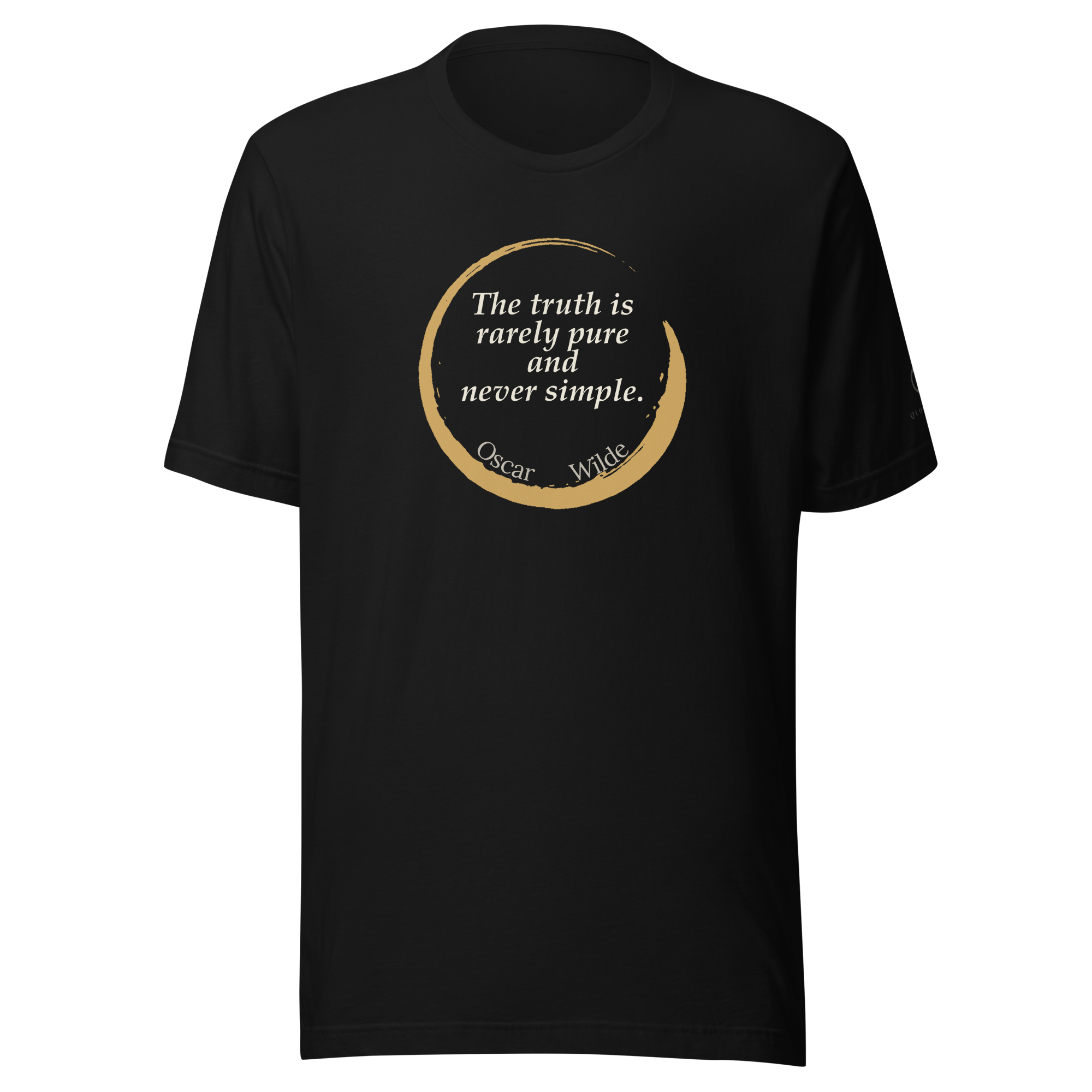
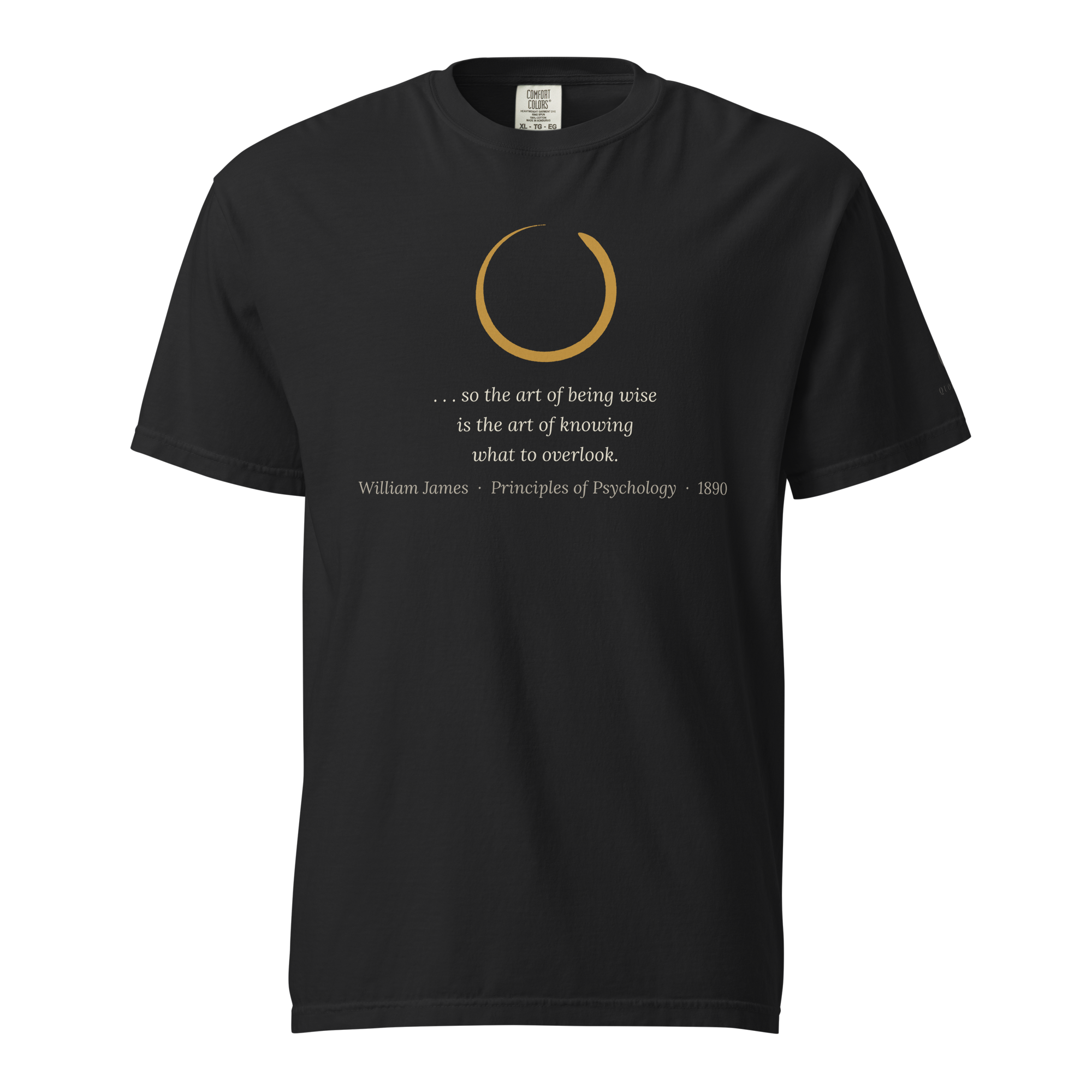
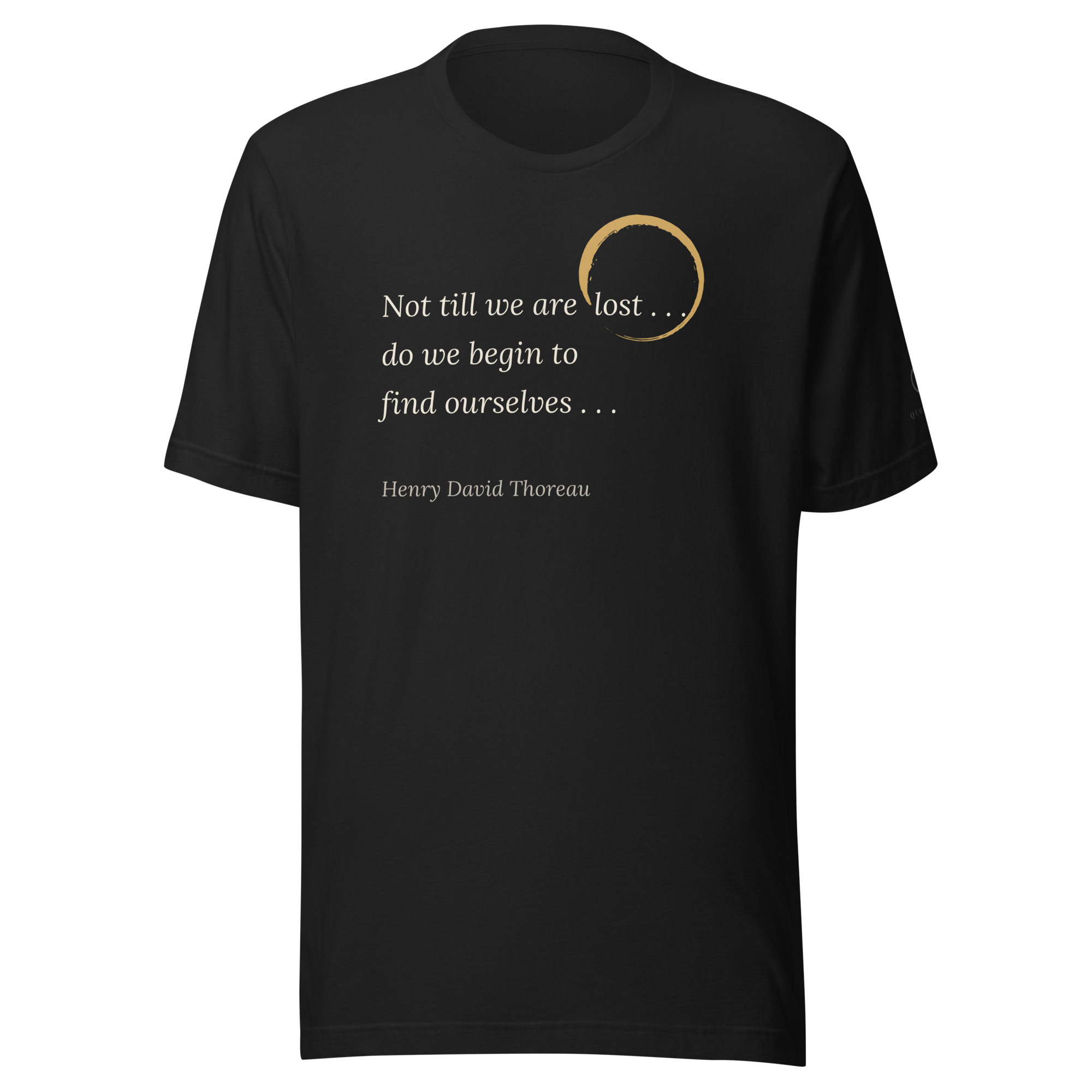
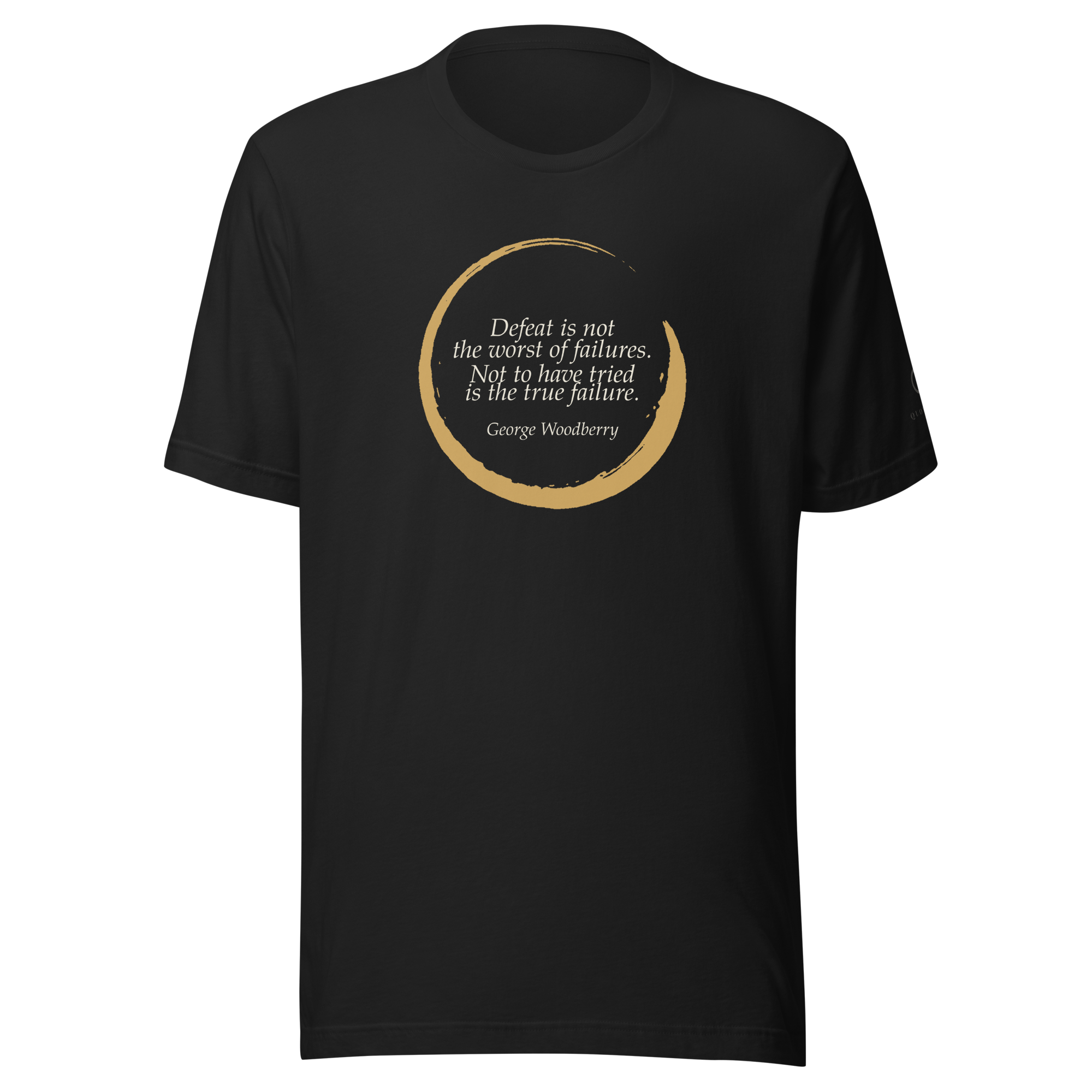
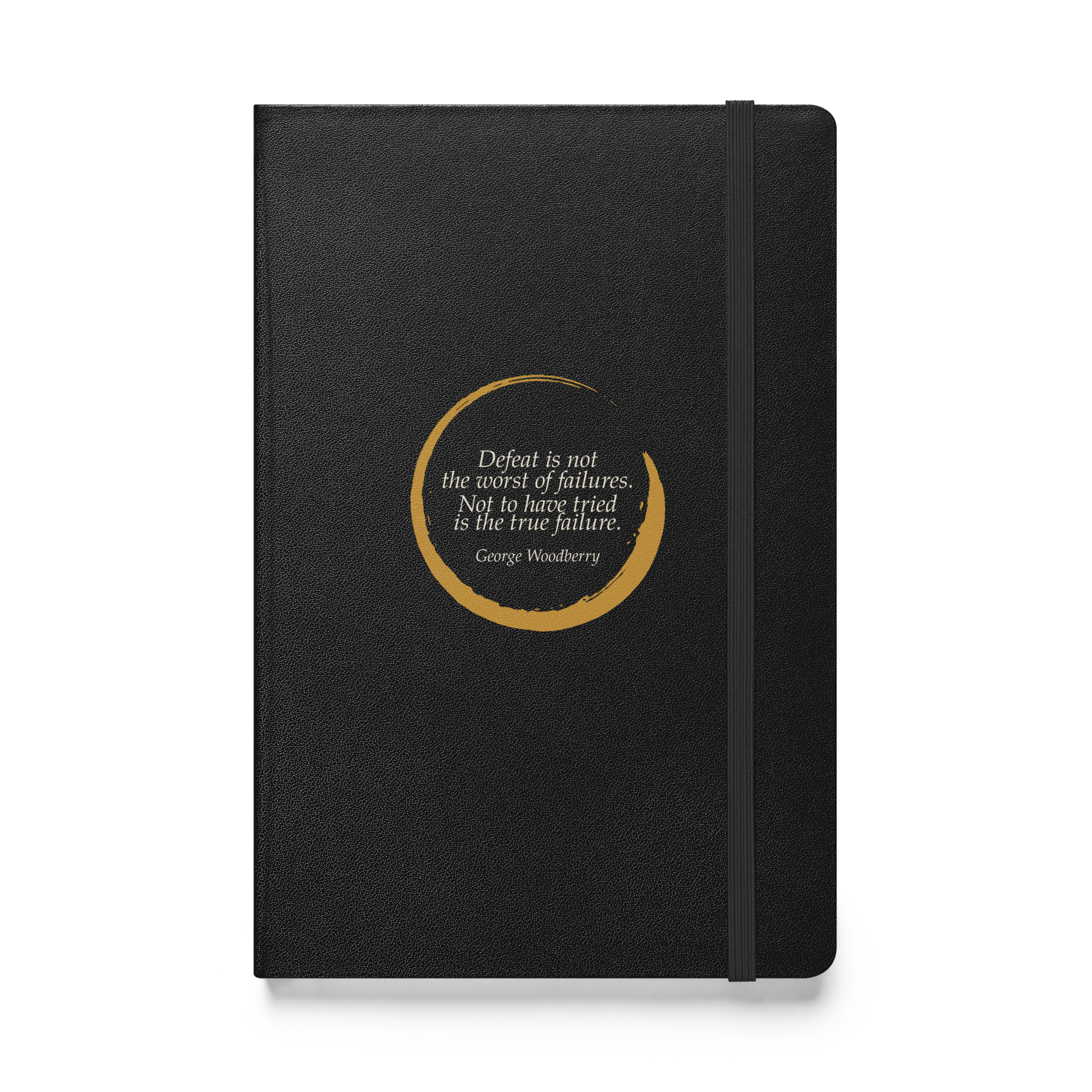
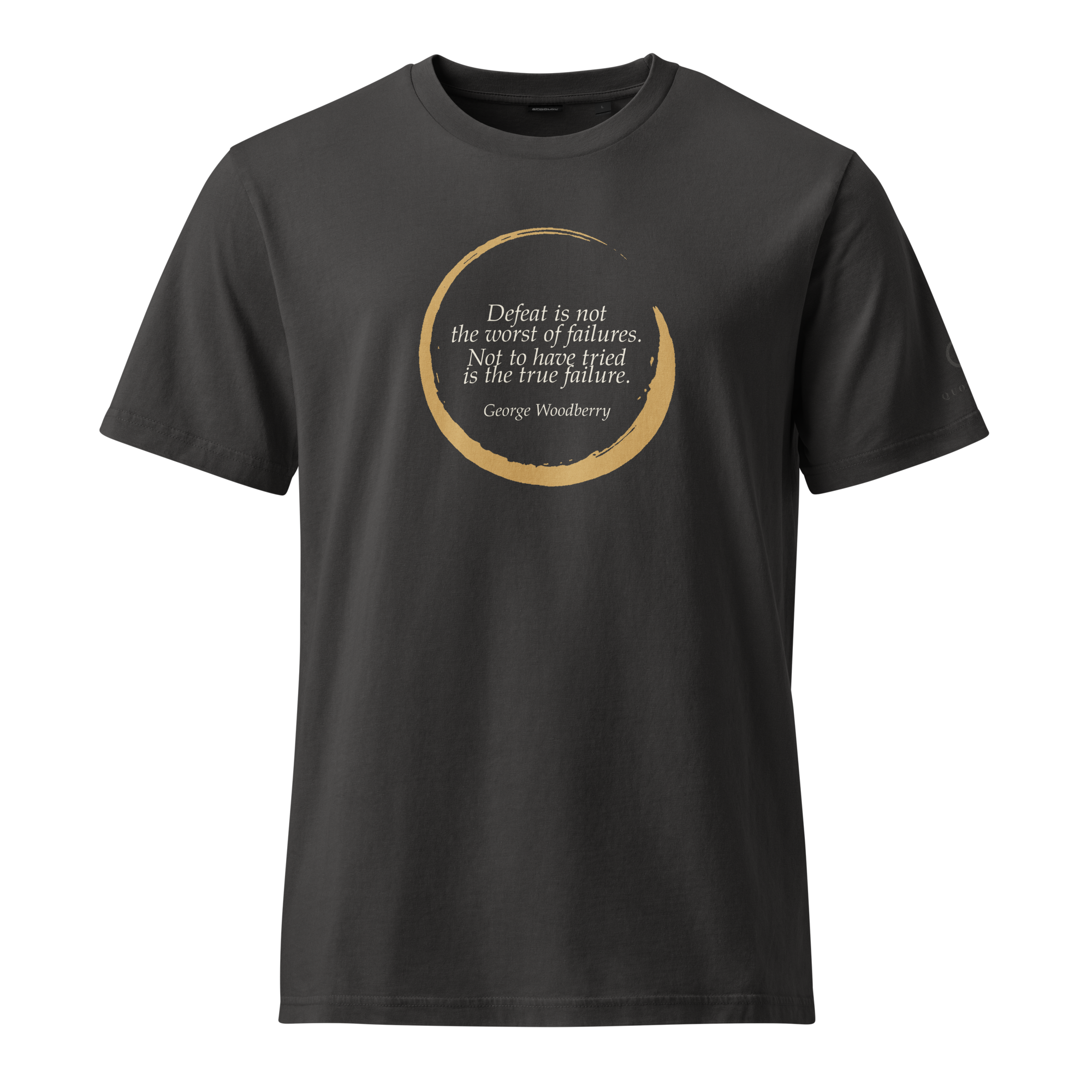
An ensō is brushed in a single stroke, complete without being perfected. It can hold wholeness and emptiness at once—the mark, the space inside it, and the moment in which both were made.
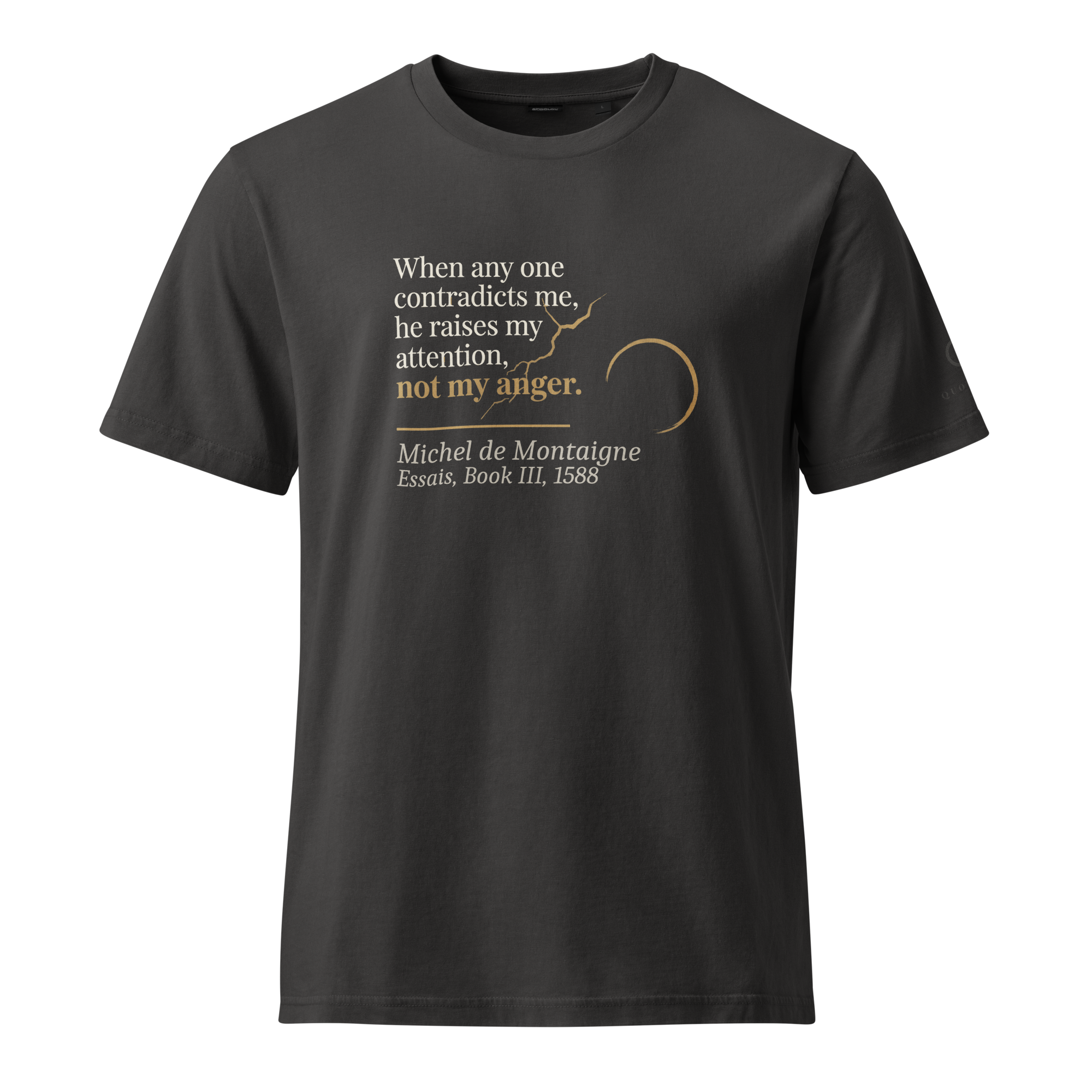
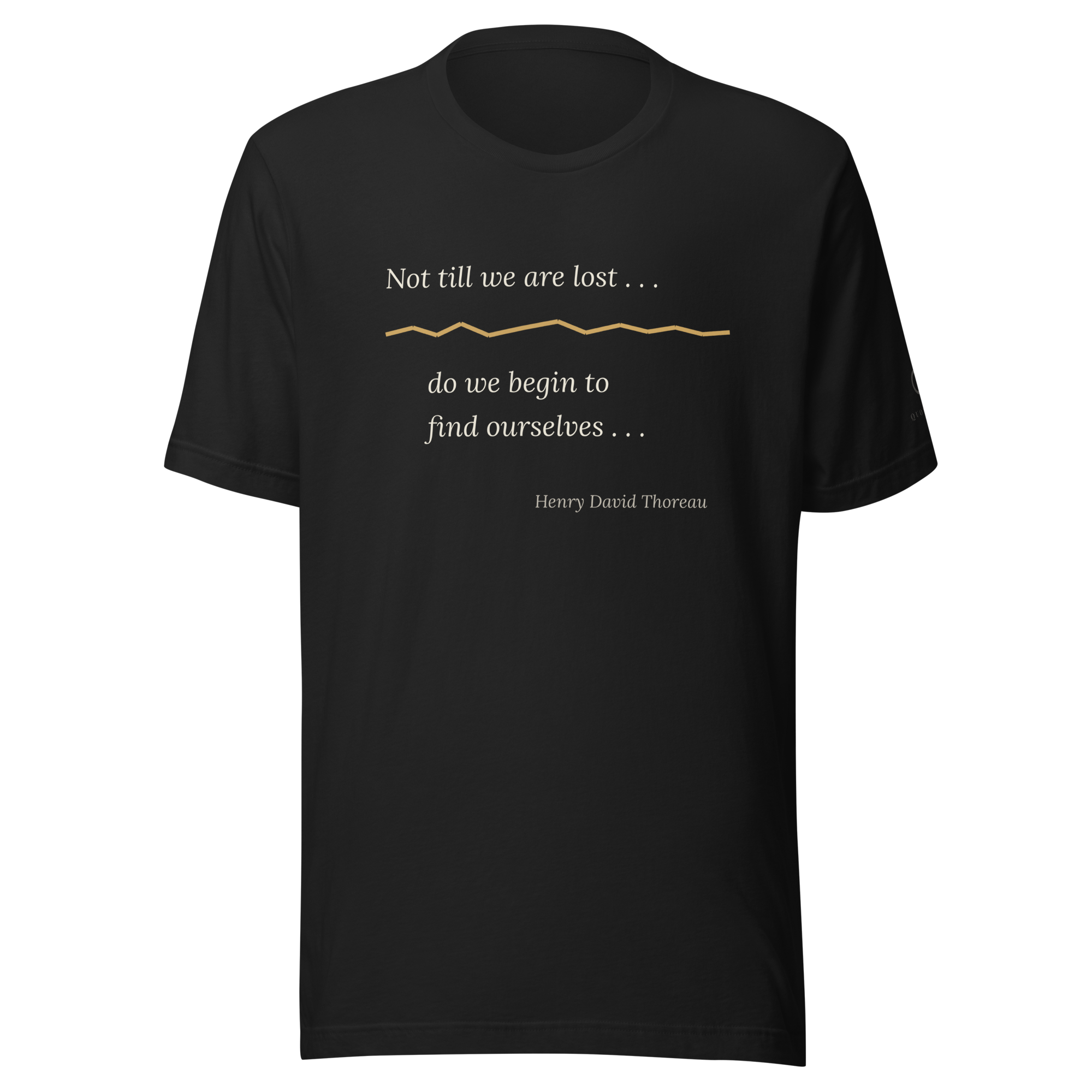
Kintsugi refuses to disguise what has broken. Gold follows the fracture instead, making the object’s history part of its beauty. Damage is neither erased nor treated as the end of the story. Resilience remains visible.
Fukinsei finds life in asymmetry: the off-center, the irregular, the composition that feels true because it was never forced into perfect balance. It belongs beside wabi-sabi—not as a celebration of carelessness, but as a rejection of lifeless perfection.
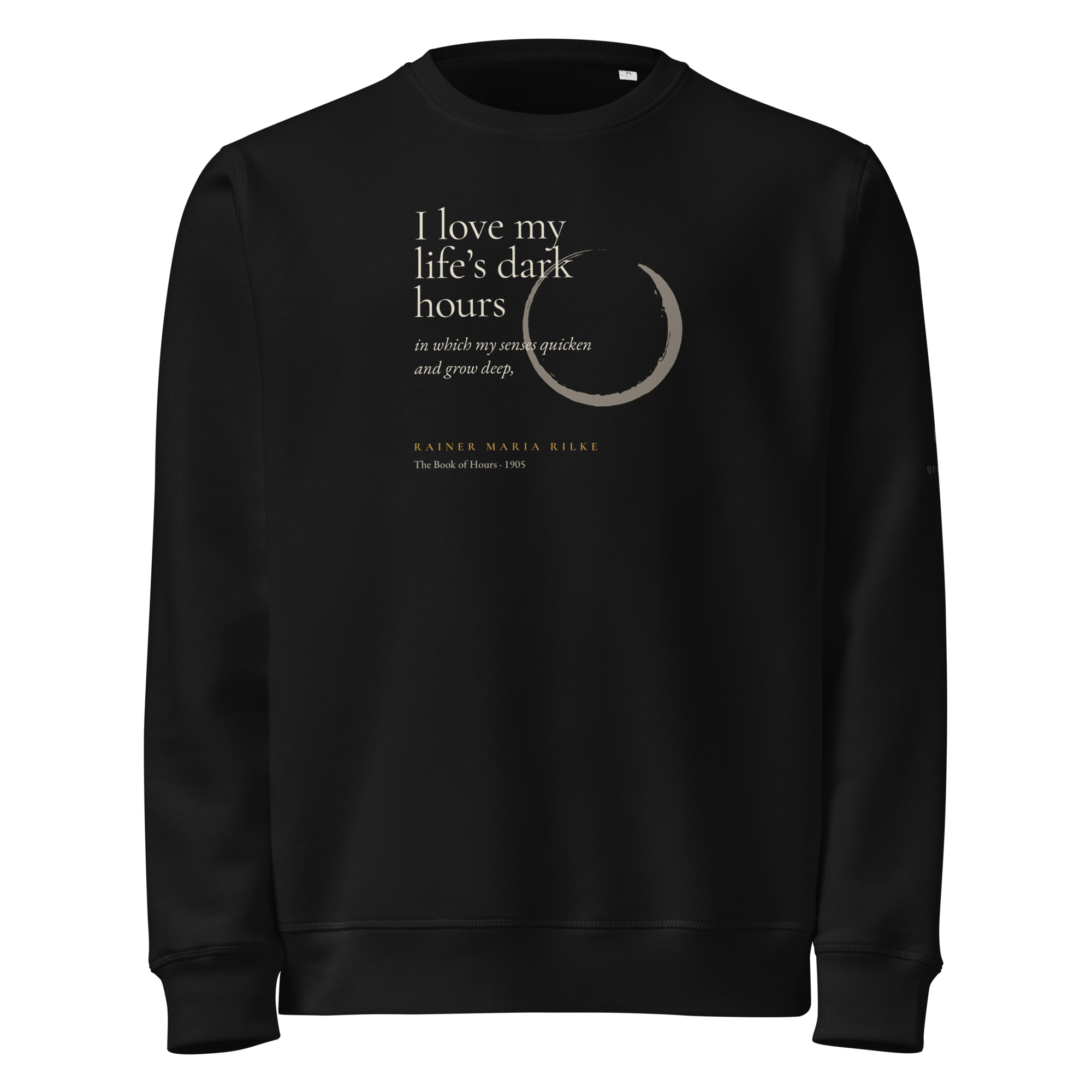
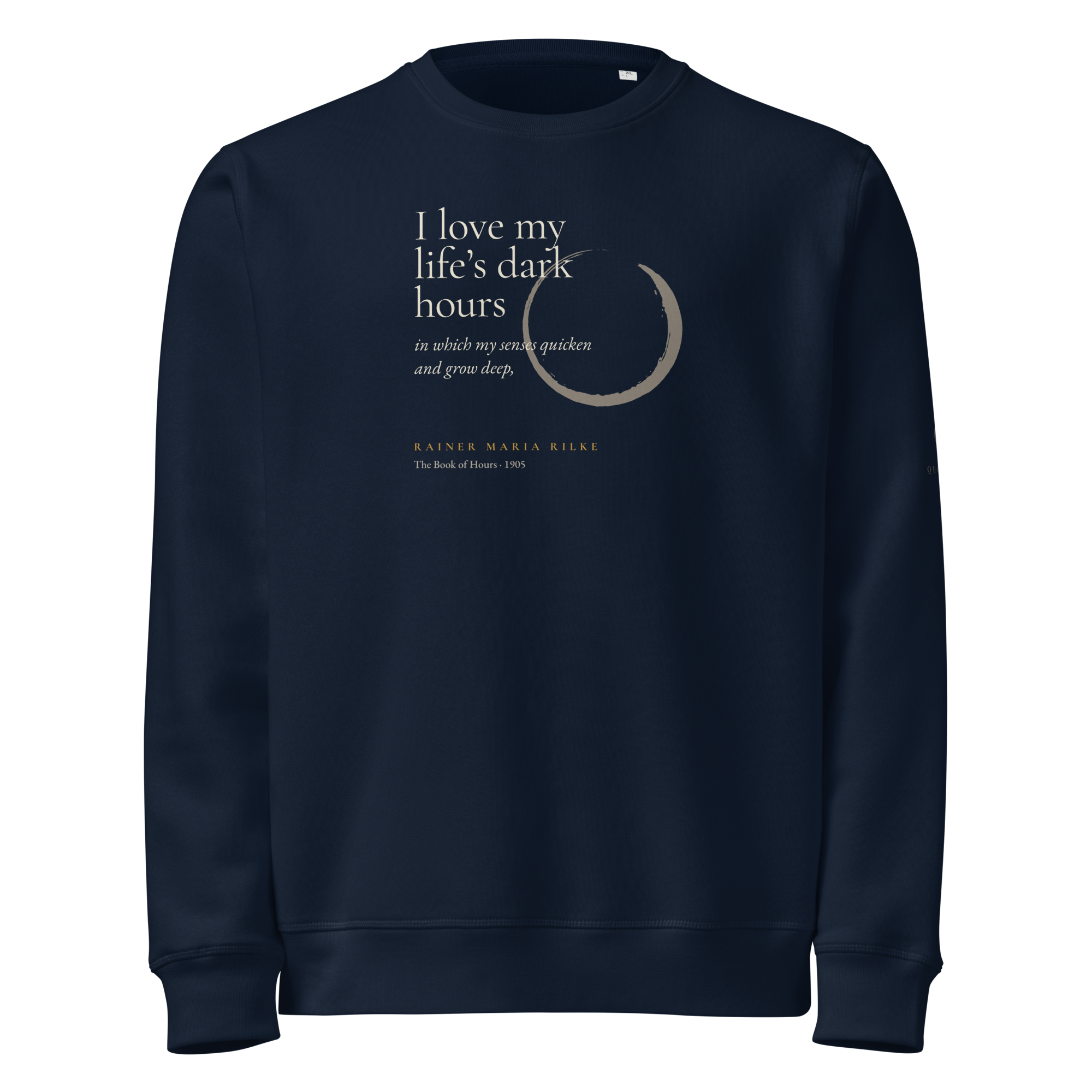
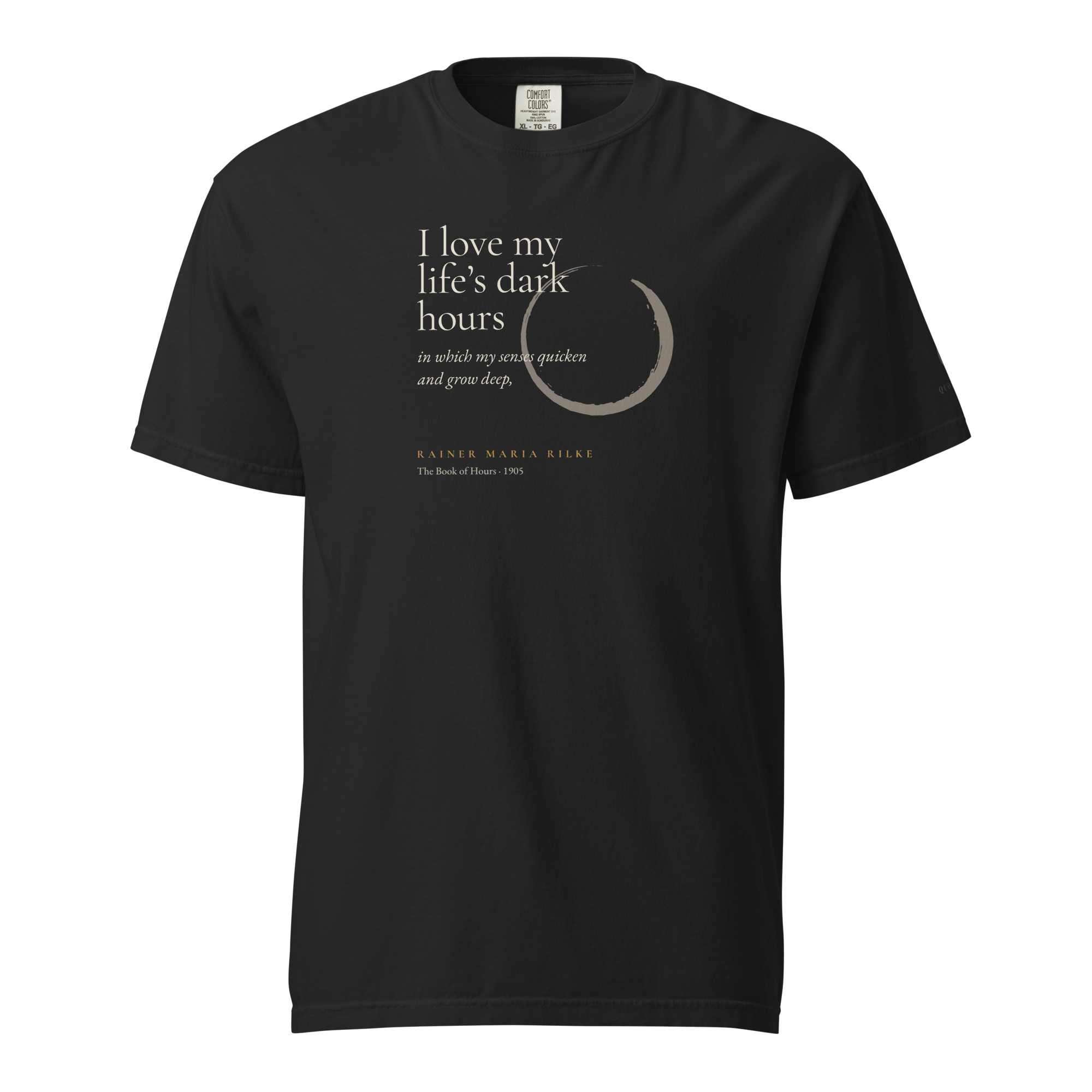
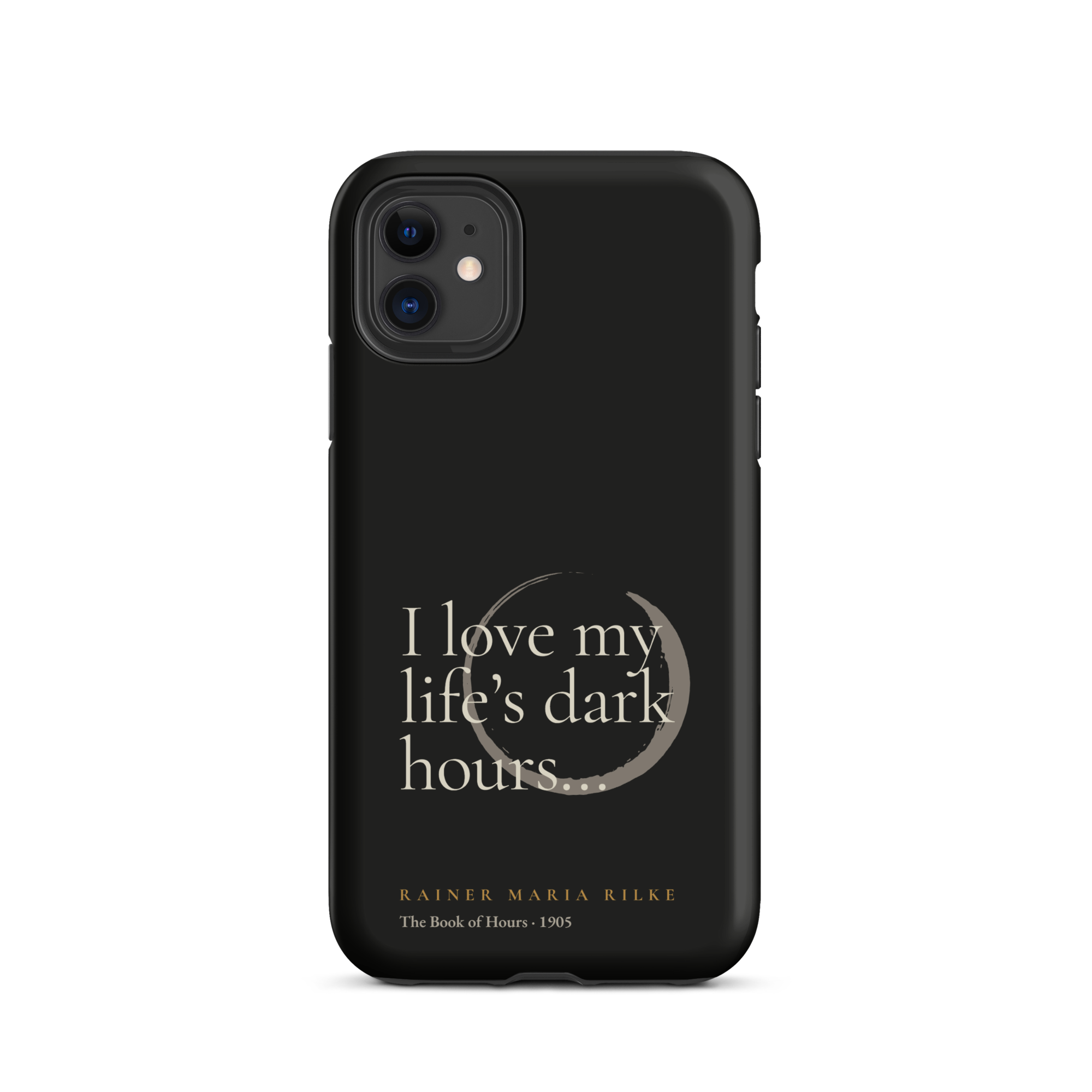
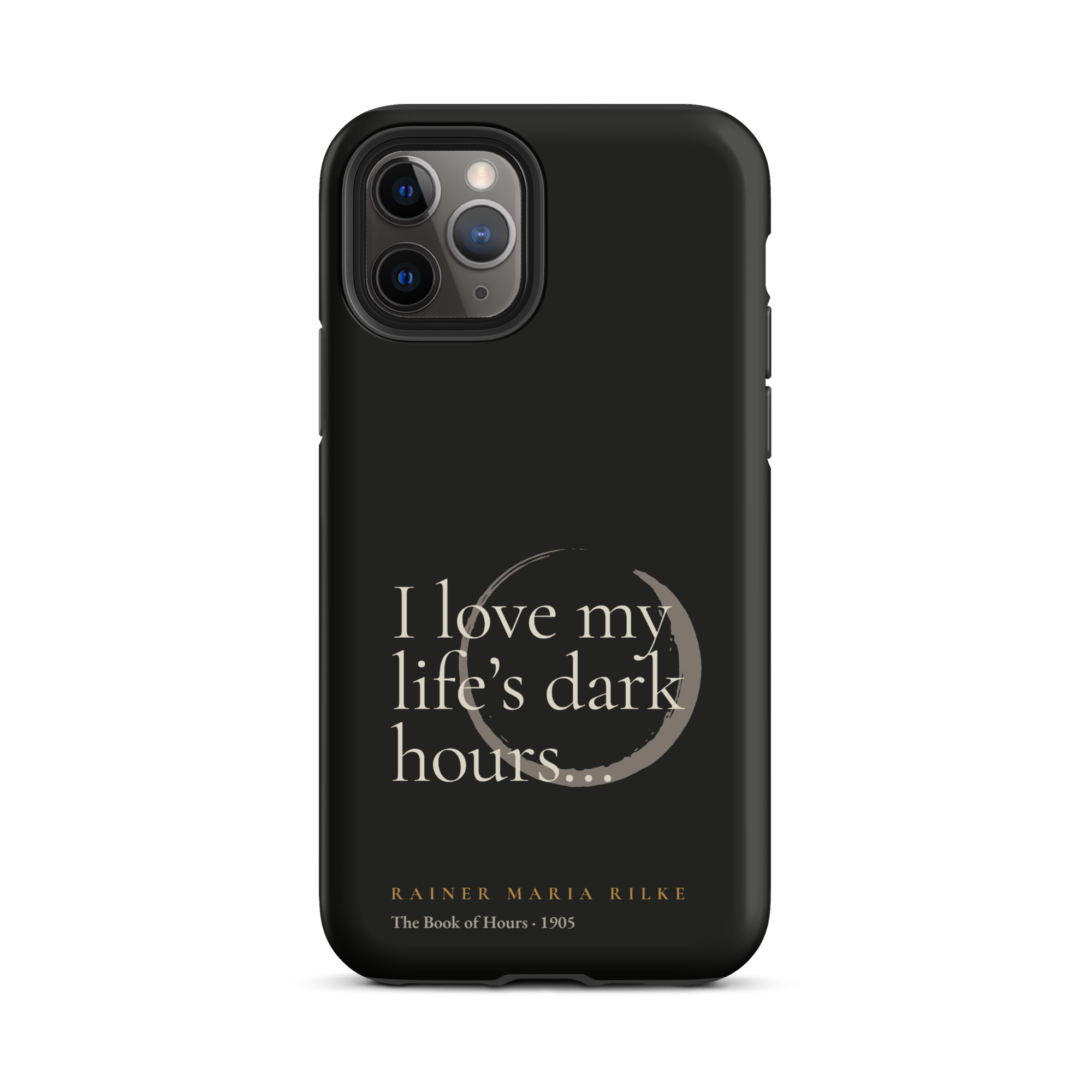
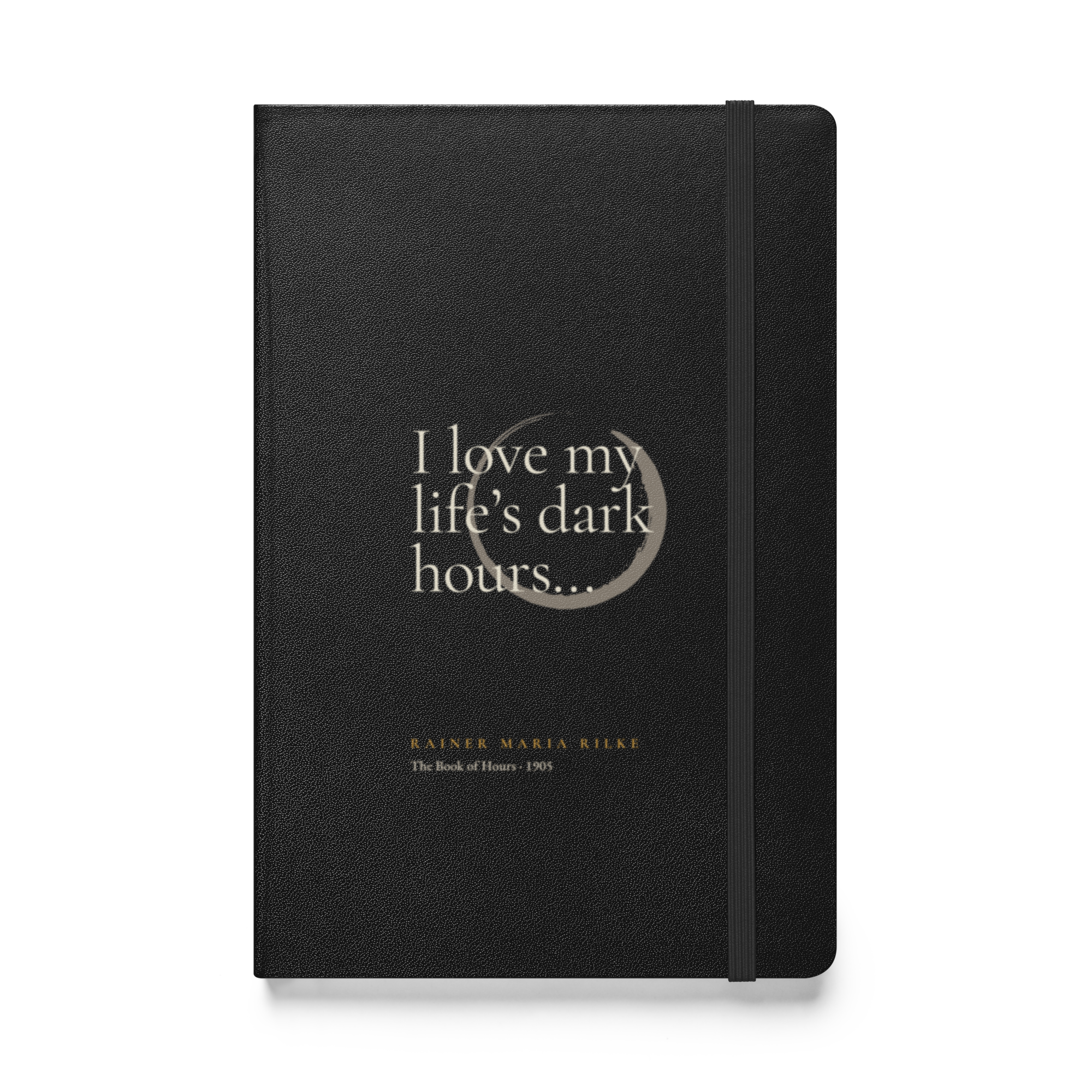
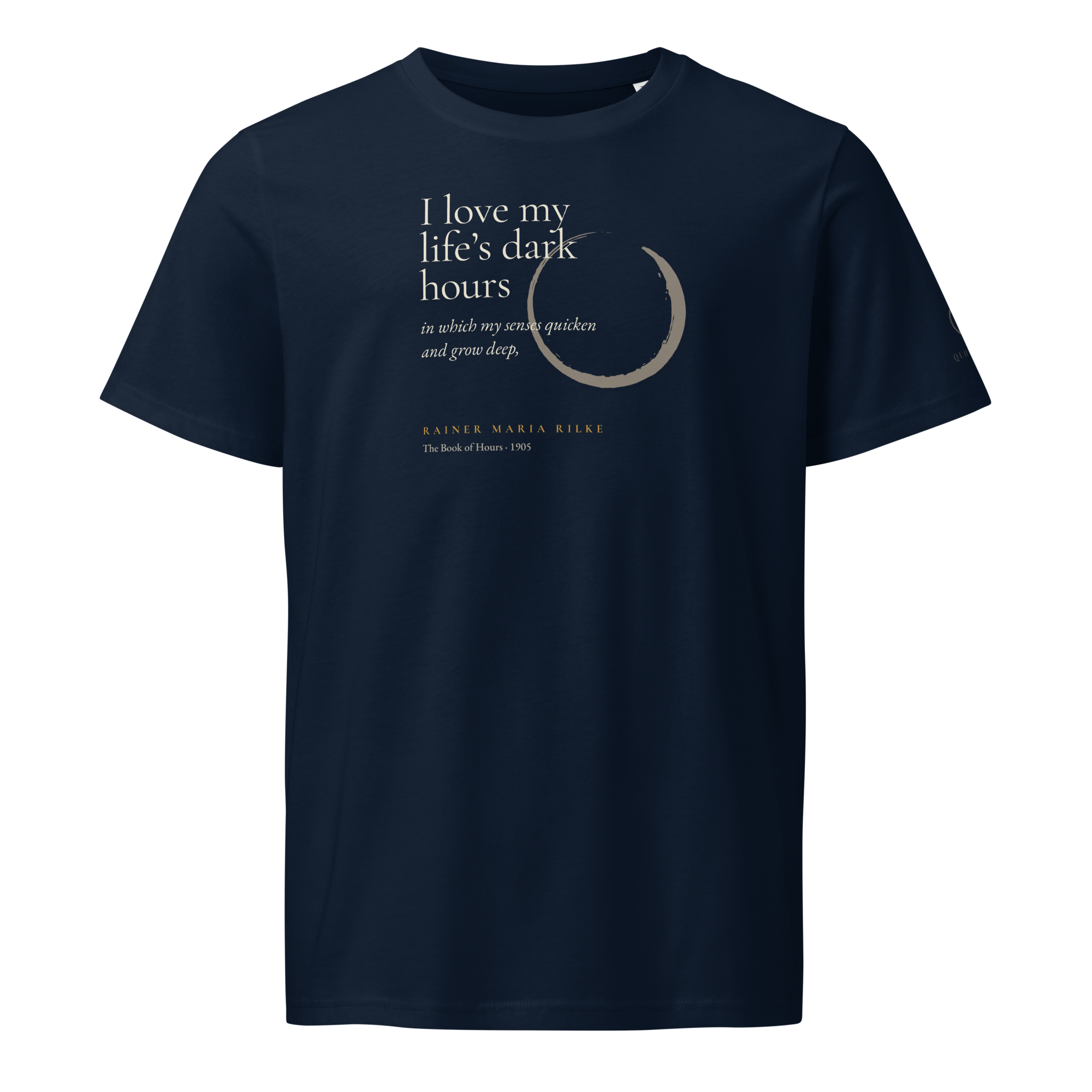
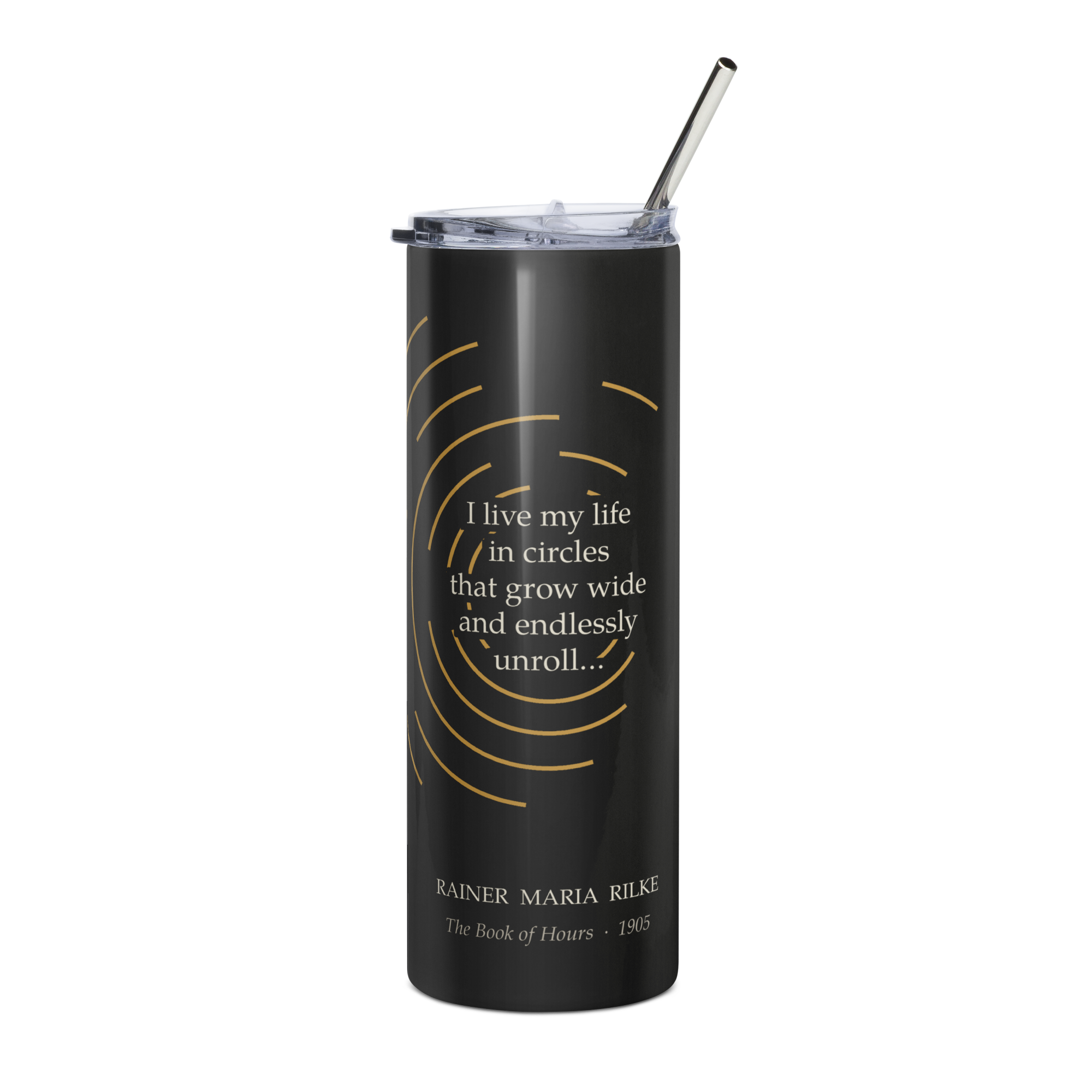
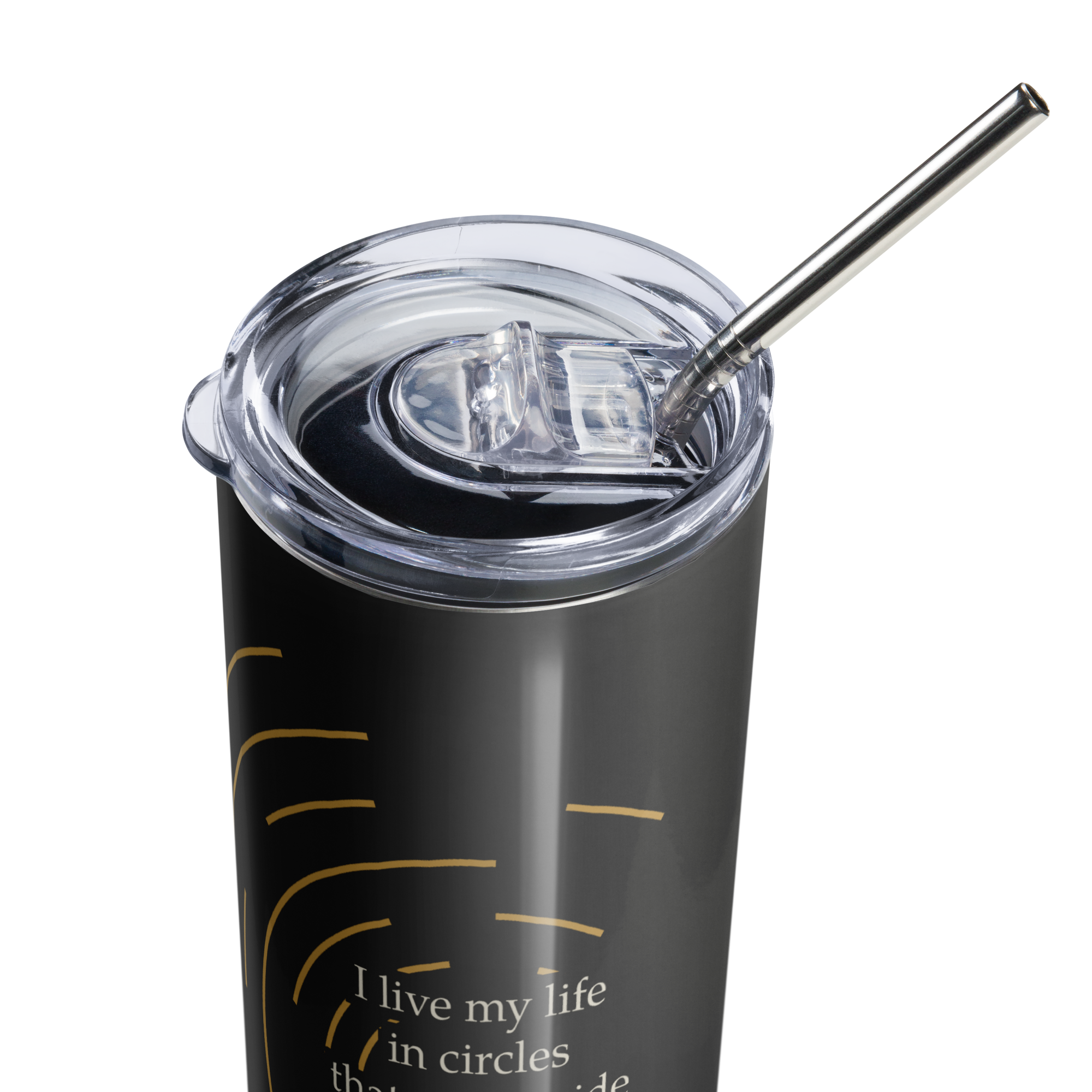
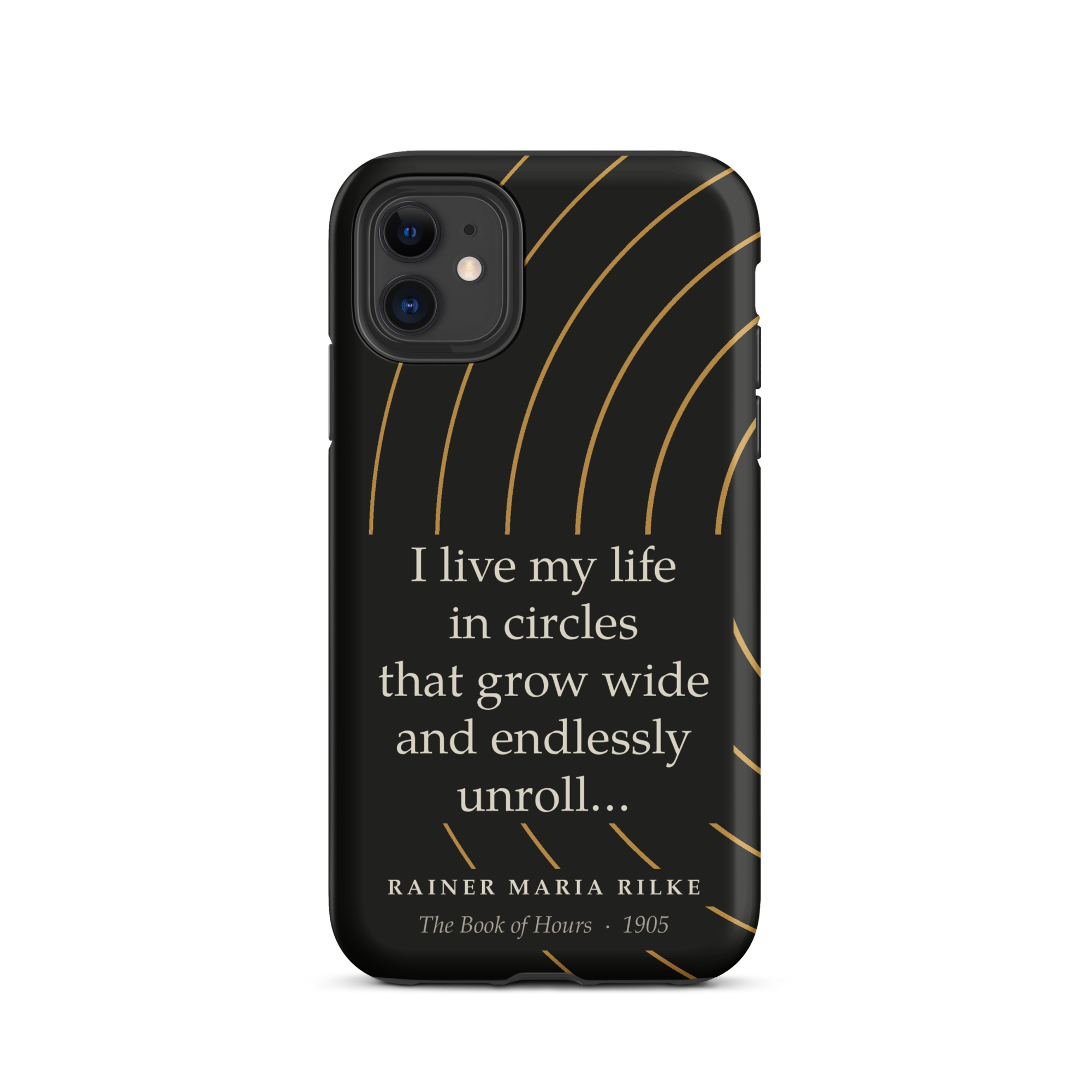
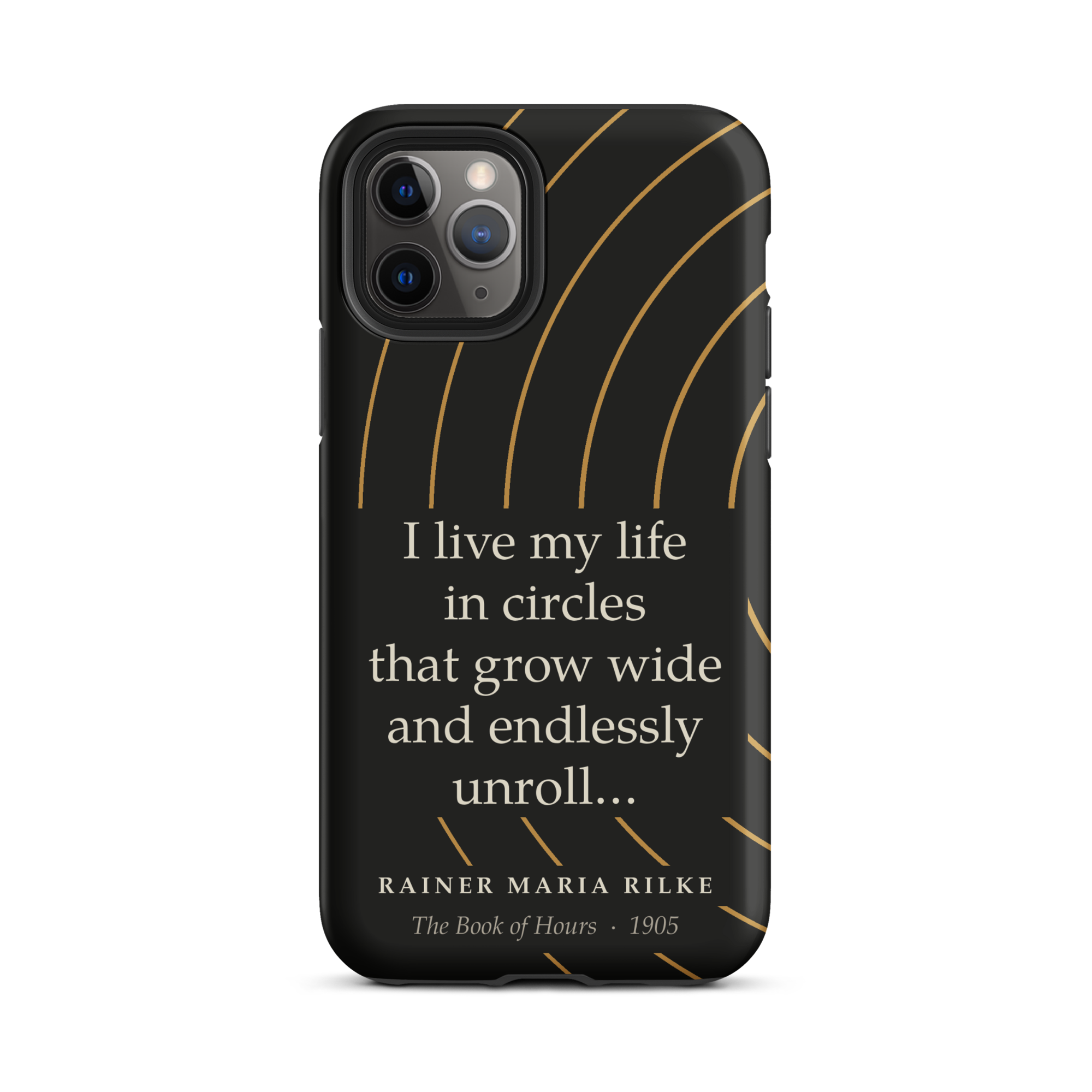
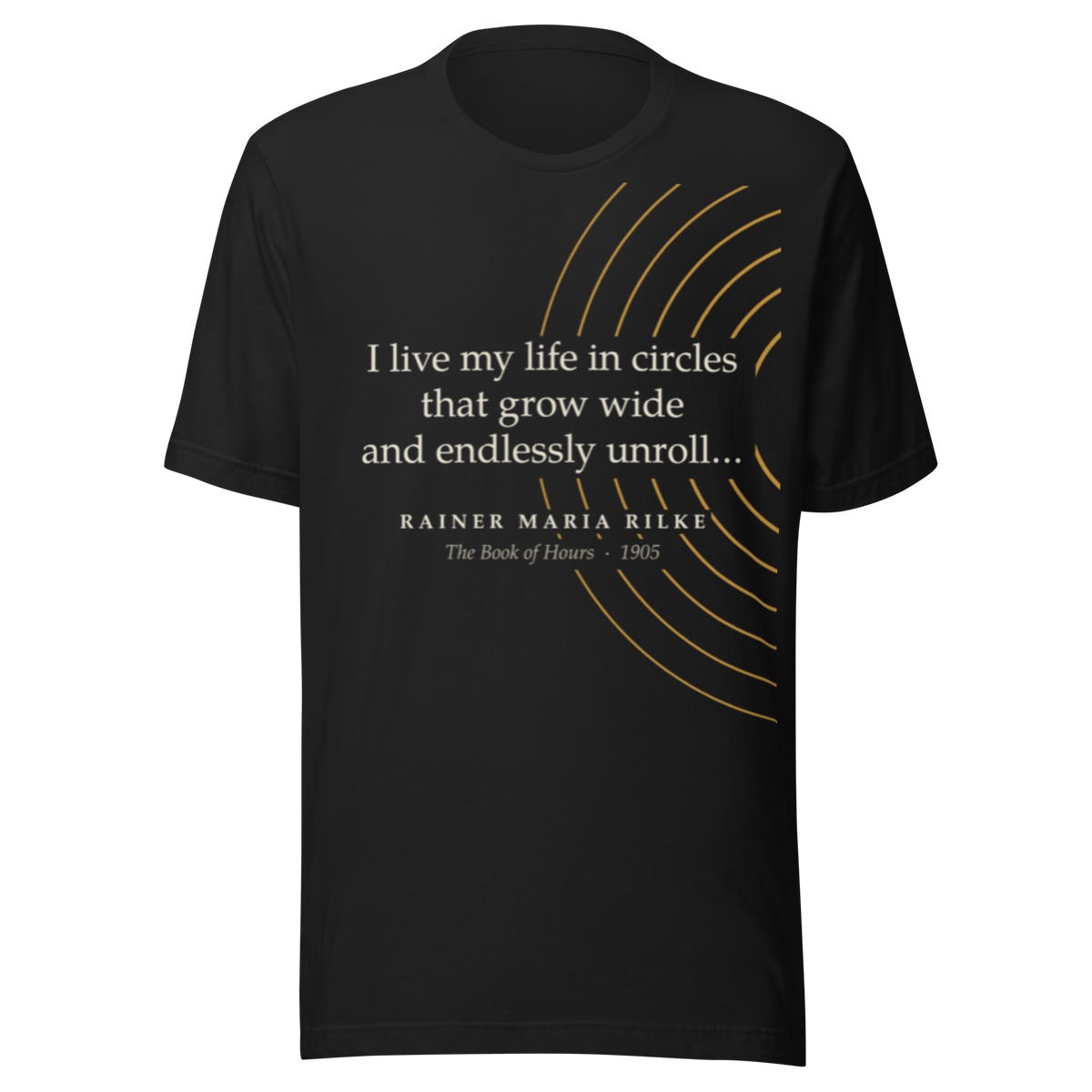
Rilke was not writing from the Zen tradition, but he often wrote toward the same territory. In The Book of Hours, life moves through dark hours and widening circles rather than along a clean, ascending line. The circles grow. They don’t close.
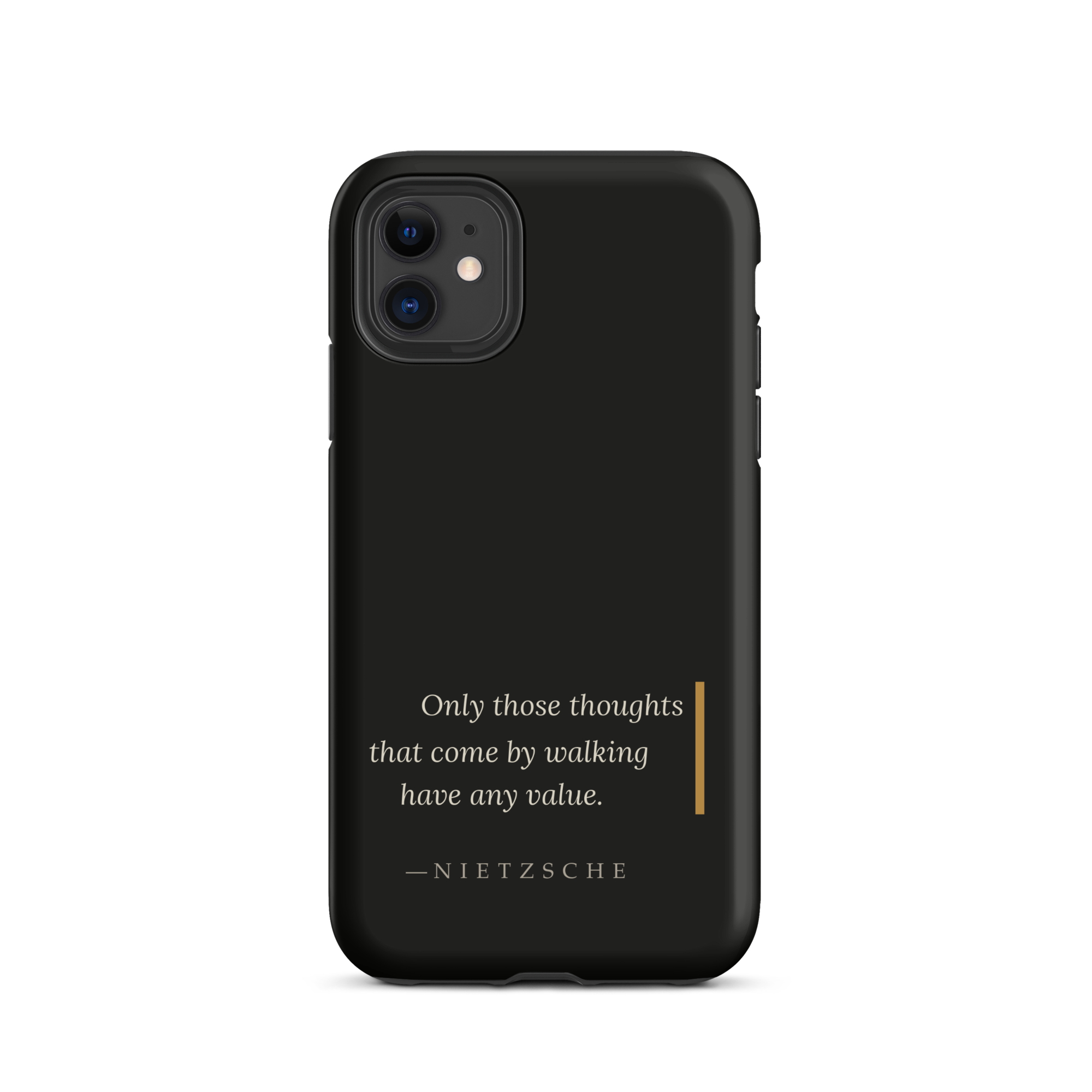
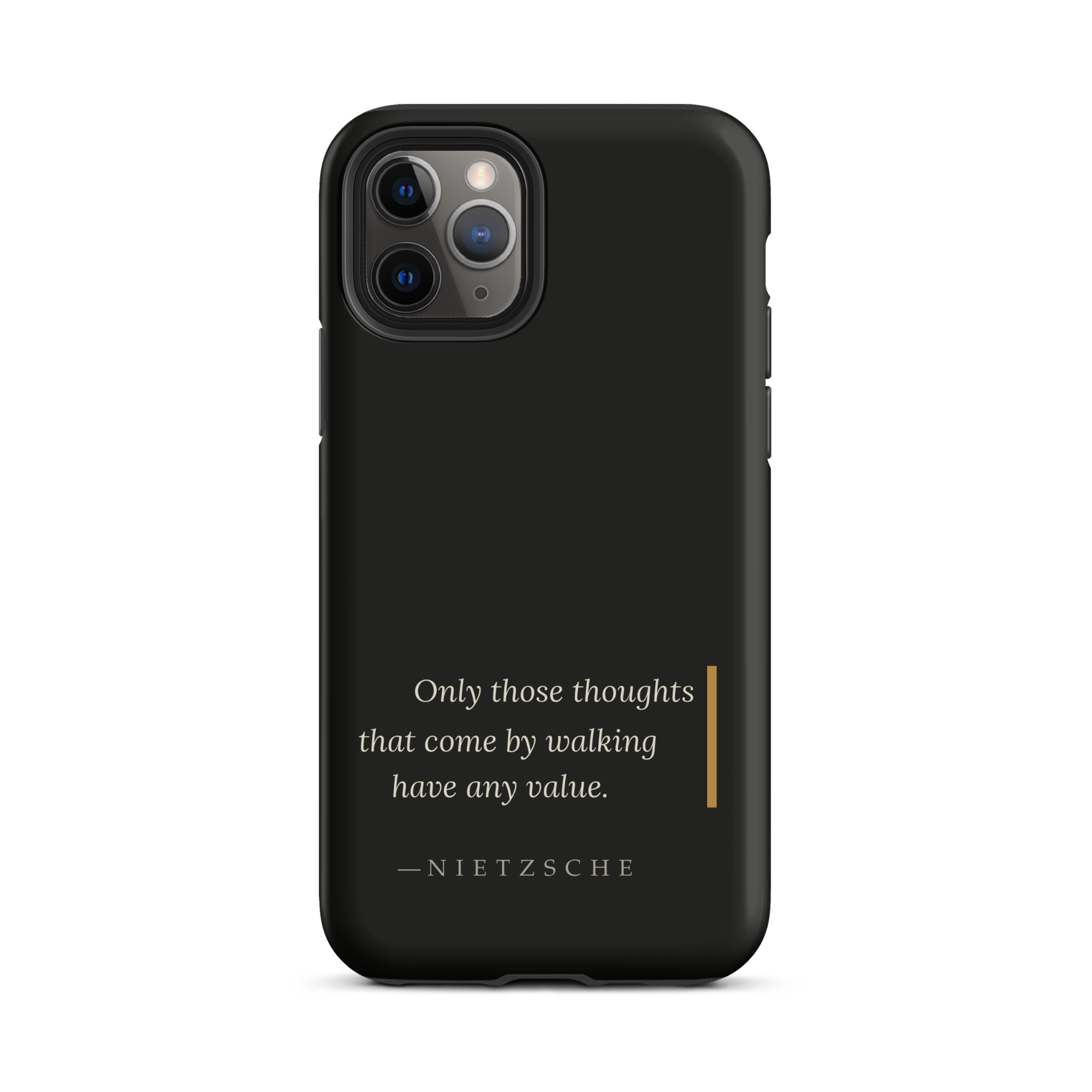
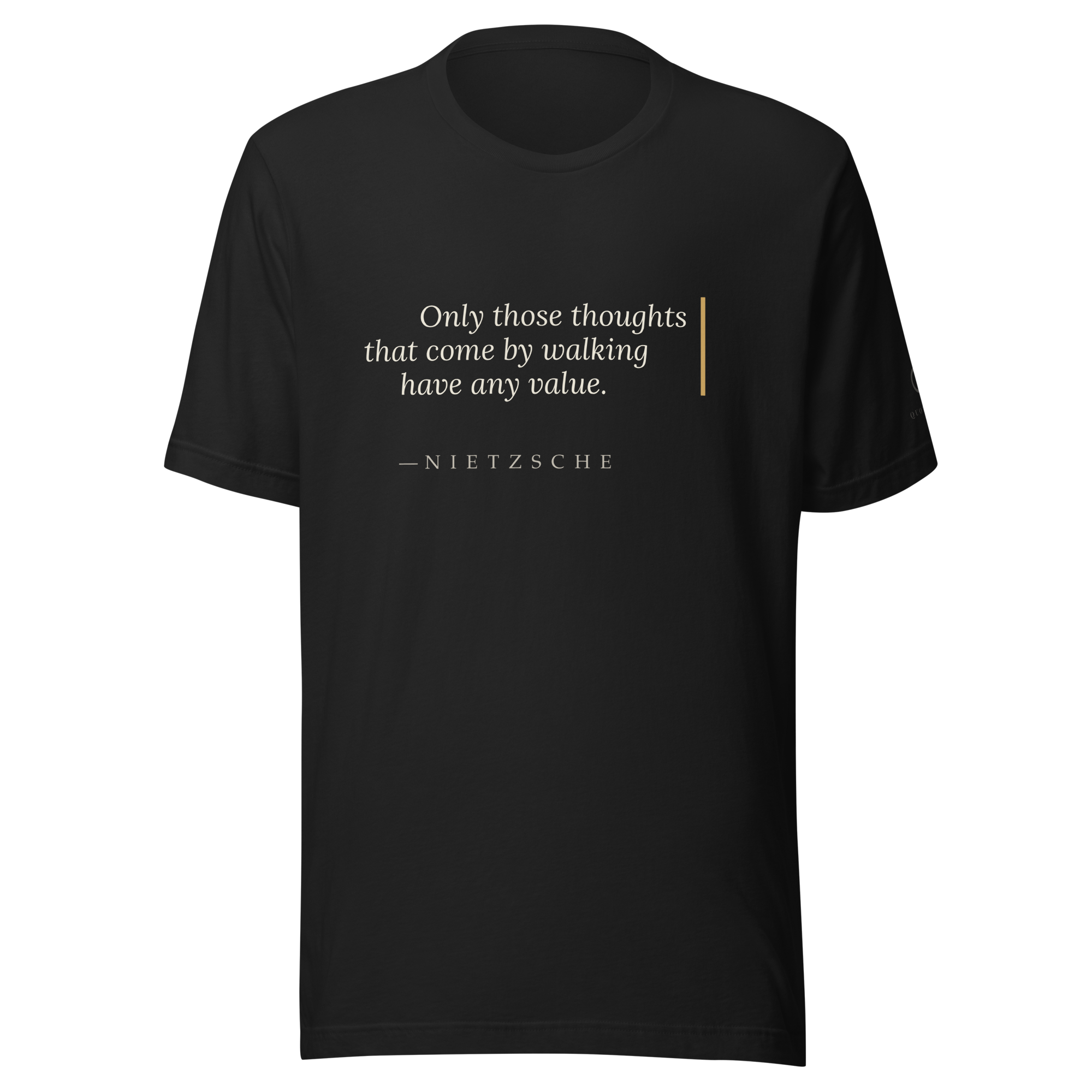
This collection carries those ideas into literary tees, phone cases, journals, and tumblers—ensō gifts and kintsugi apparel for people drawn to a more demanding kind of Zen philosophy. These are not generic mindfulness products. They are objects built around a proposition: what is incomplete, broken, or deliberately unbalanced may be where the meaning begins.





What does an ensō symbolize?
An ensō symbolizes wholeness, emptiness, and the present moment. Brushed without correction, it captures creation as it happens—imperfect but complete. An open ensō suggests movement and becoming; a closed one can represent unity and completion. In Zen calligraphy the gap is where the meaning sits.
What is kintsugi?
Kintsugi is the Japanese art of repairing broken pottery with lacquer and powdered gold. The break is not disguised; the repair follows the fracture and makes it visible. Resilience you can point at.
What is fukinsei?
Fukinsei is deliberate asymmetry—the off-center, the uneven, the unfinished on purpose. It is one of the seven characteristics of Zen art identified by Shin’ichi Hisamatsu in Zen and the Fine Arts, and it shapes many of the compositions in this collection.
Are these Zen quotes?
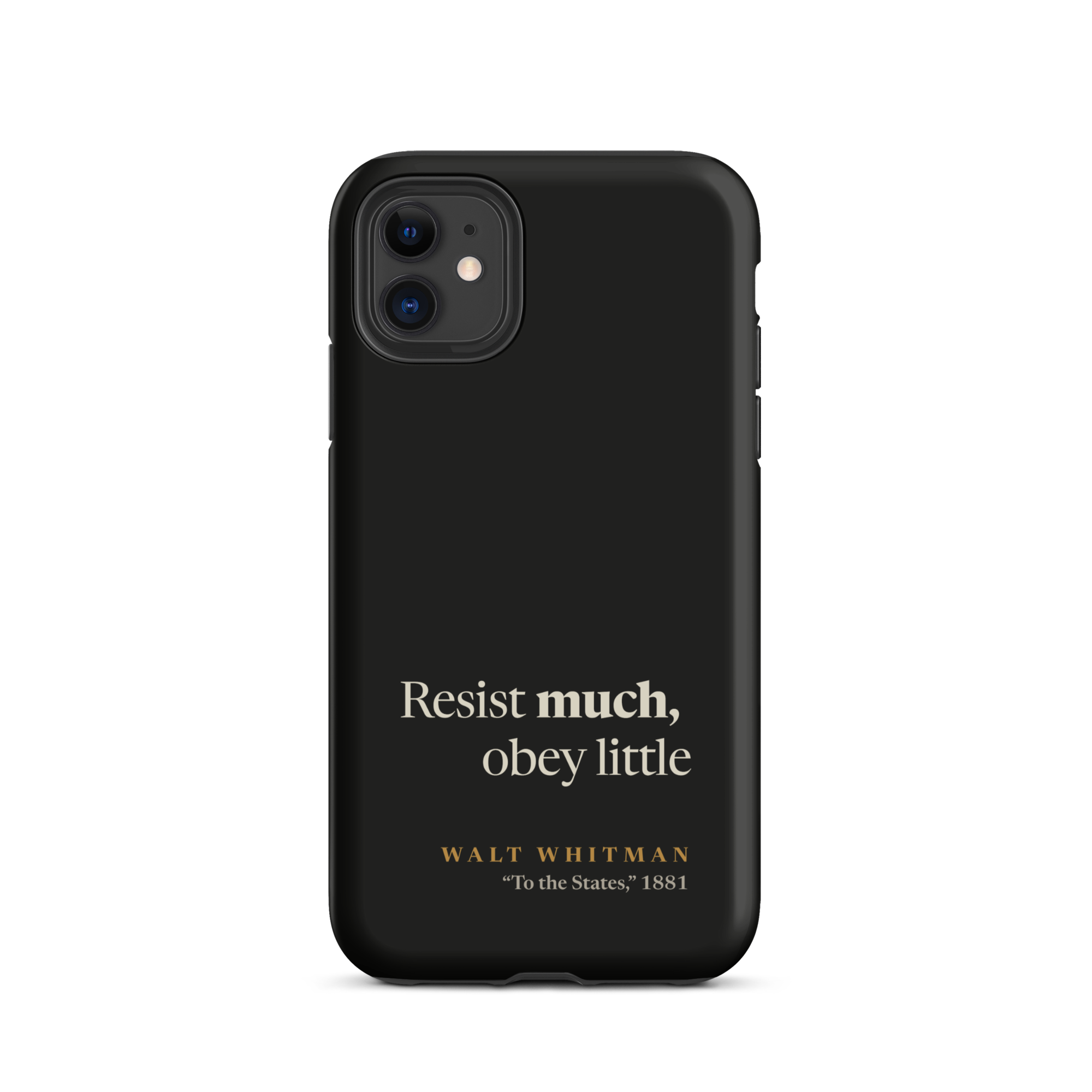
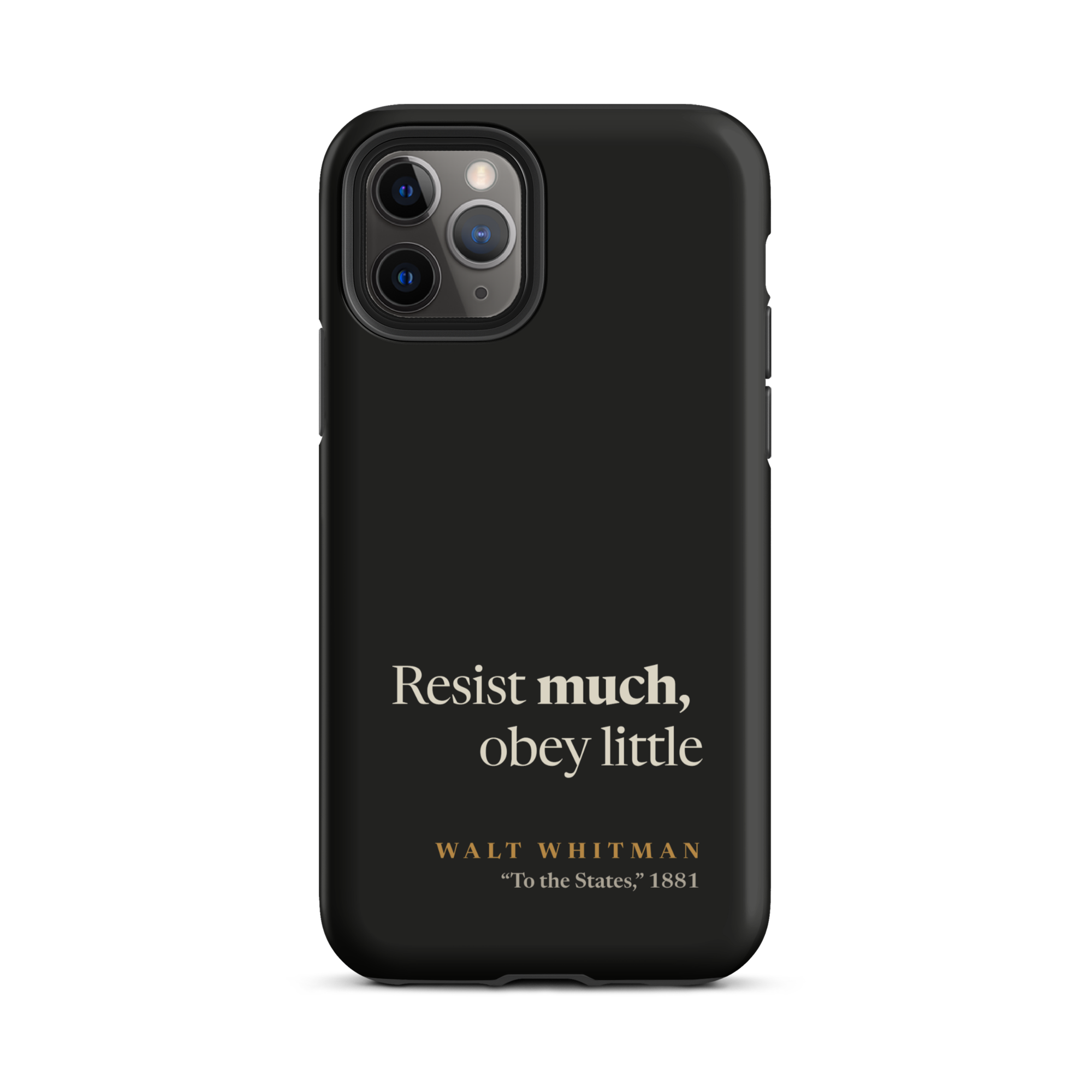
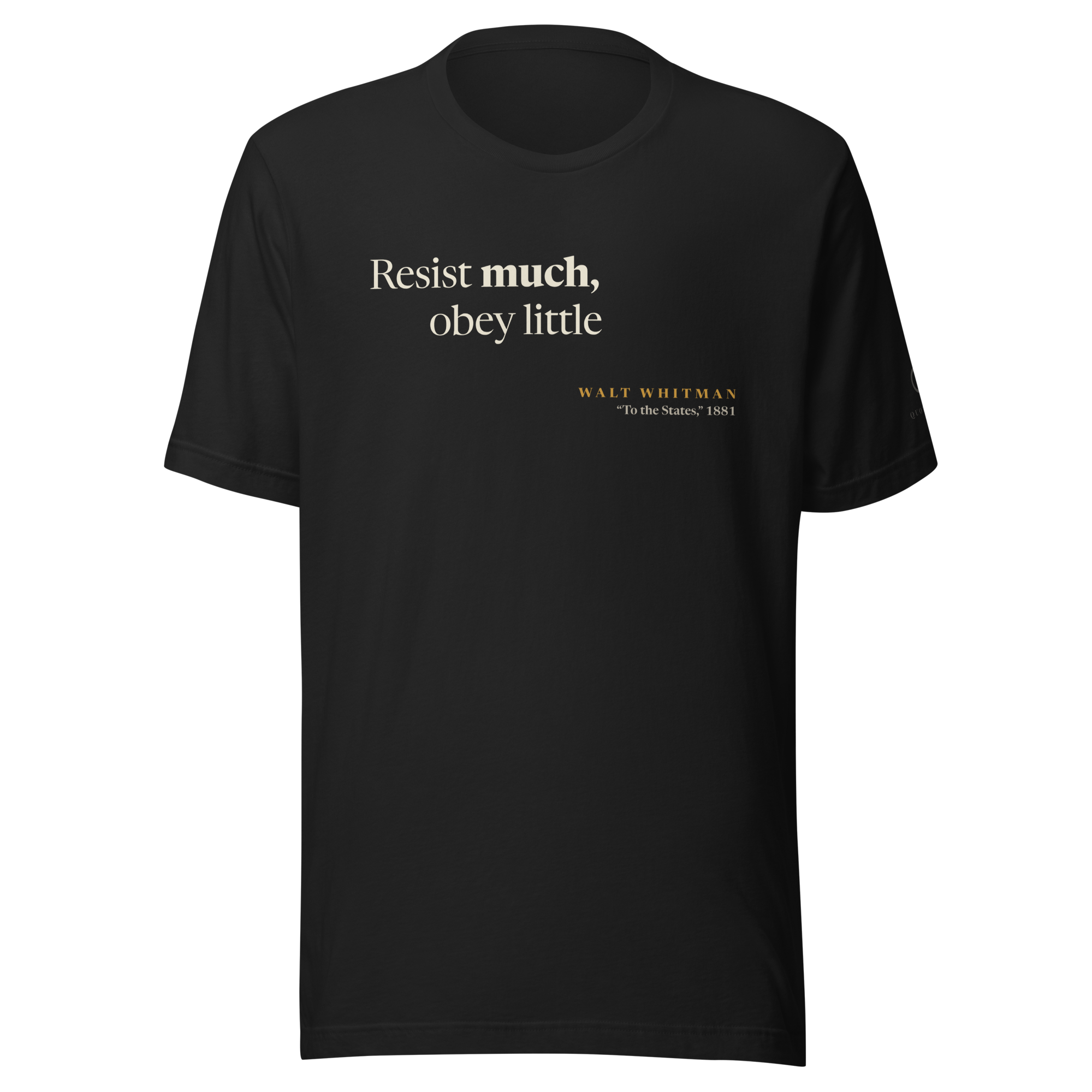
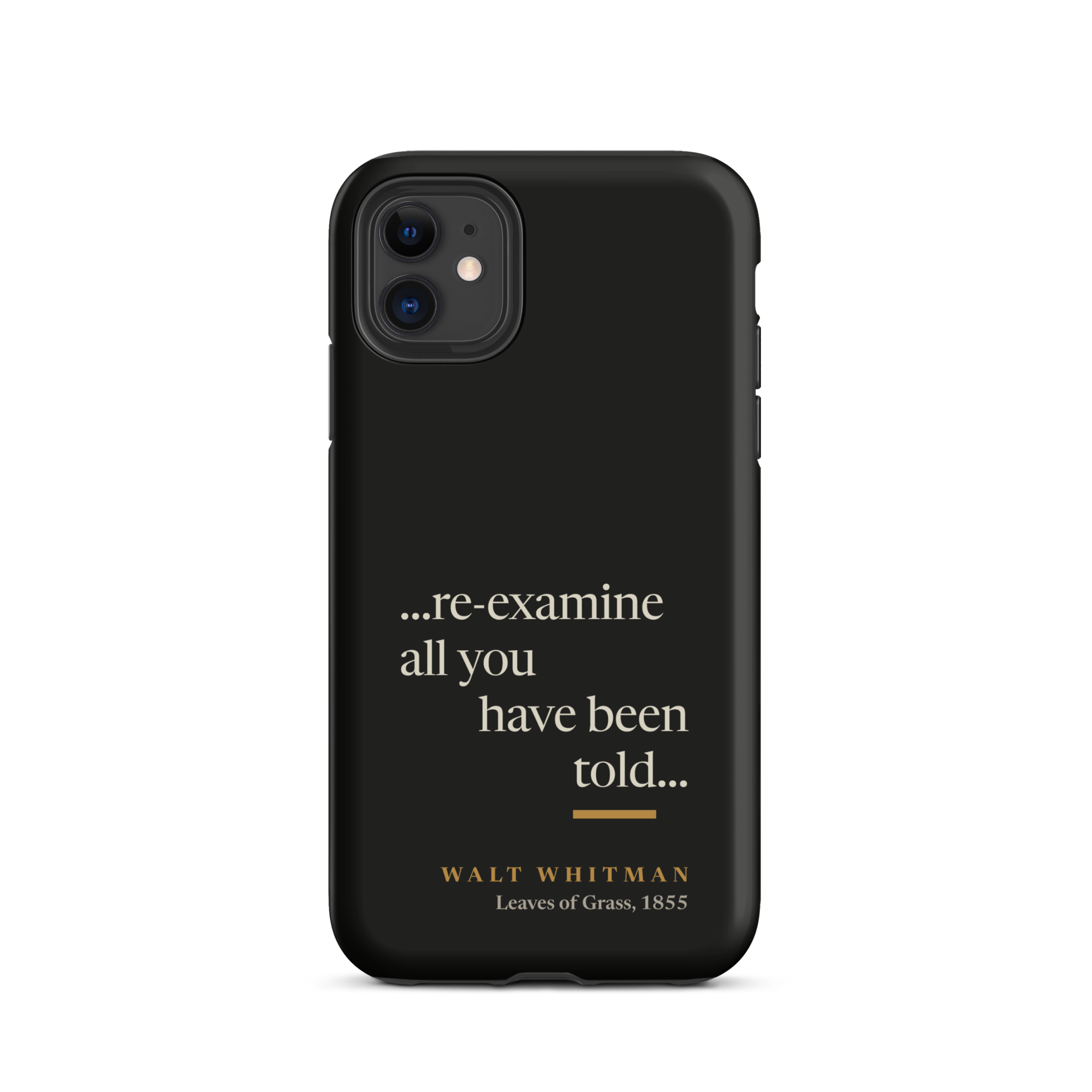
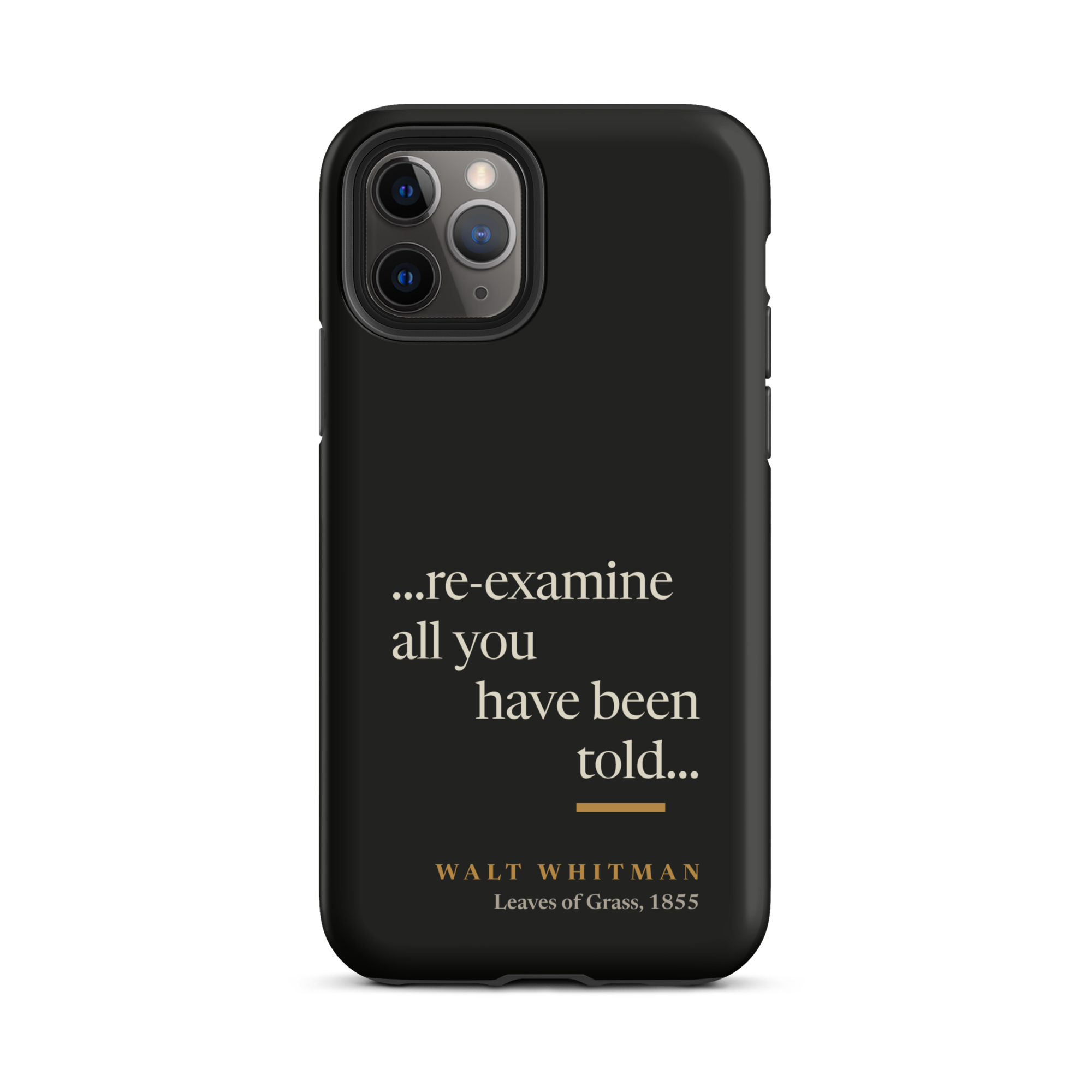
No—and the distinction matters. Every line comes from a Western writer: Rilke, Thoreau, Whitman, Wilde, Nietzsche, William James, or George Woodberry. The Zen element is the visual form in which the words are set. That pairing is the point.
Which pieces are the best introduction to the collection?
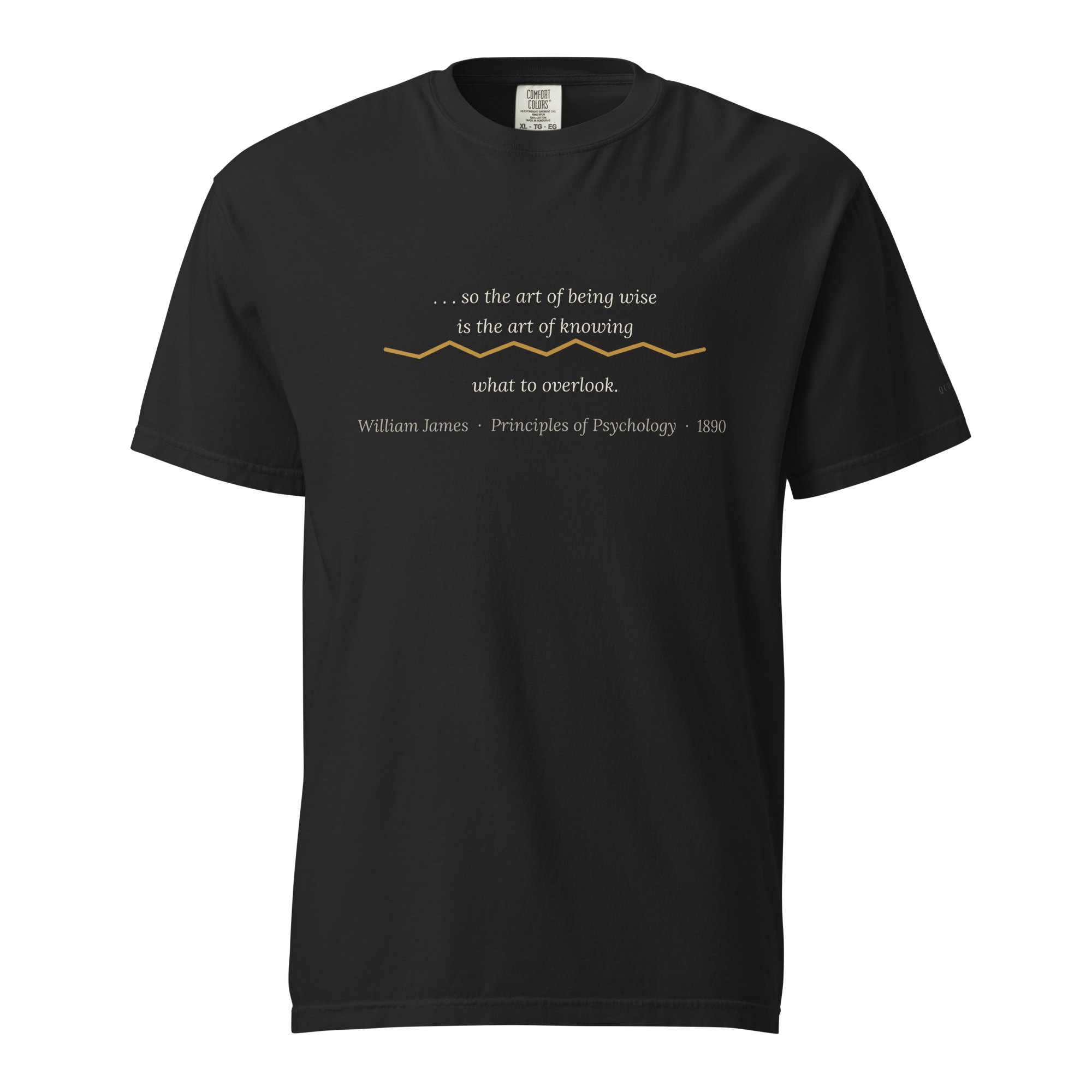
The Art of Being Wise pair. The same William James line—“…so the art of being wise is the art of knowing what to overlook”—is carried by an ensō on one tee and a kintsugi seam on the other. Seeing them side by side is the clearest way to understand what the two forms do differently.