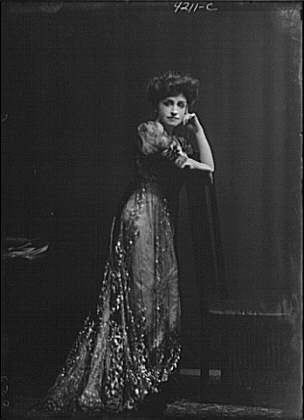
Muriel Strode. American poet and essayist, 1875–1964.
Muriel Strode
She wrote the line everyone thinks is Emerson’s. She wrote it in 1903, signed her name to it, and was forgotten anyway.
Words We Carry
Every quote here is traced to a documented source. How we verify →
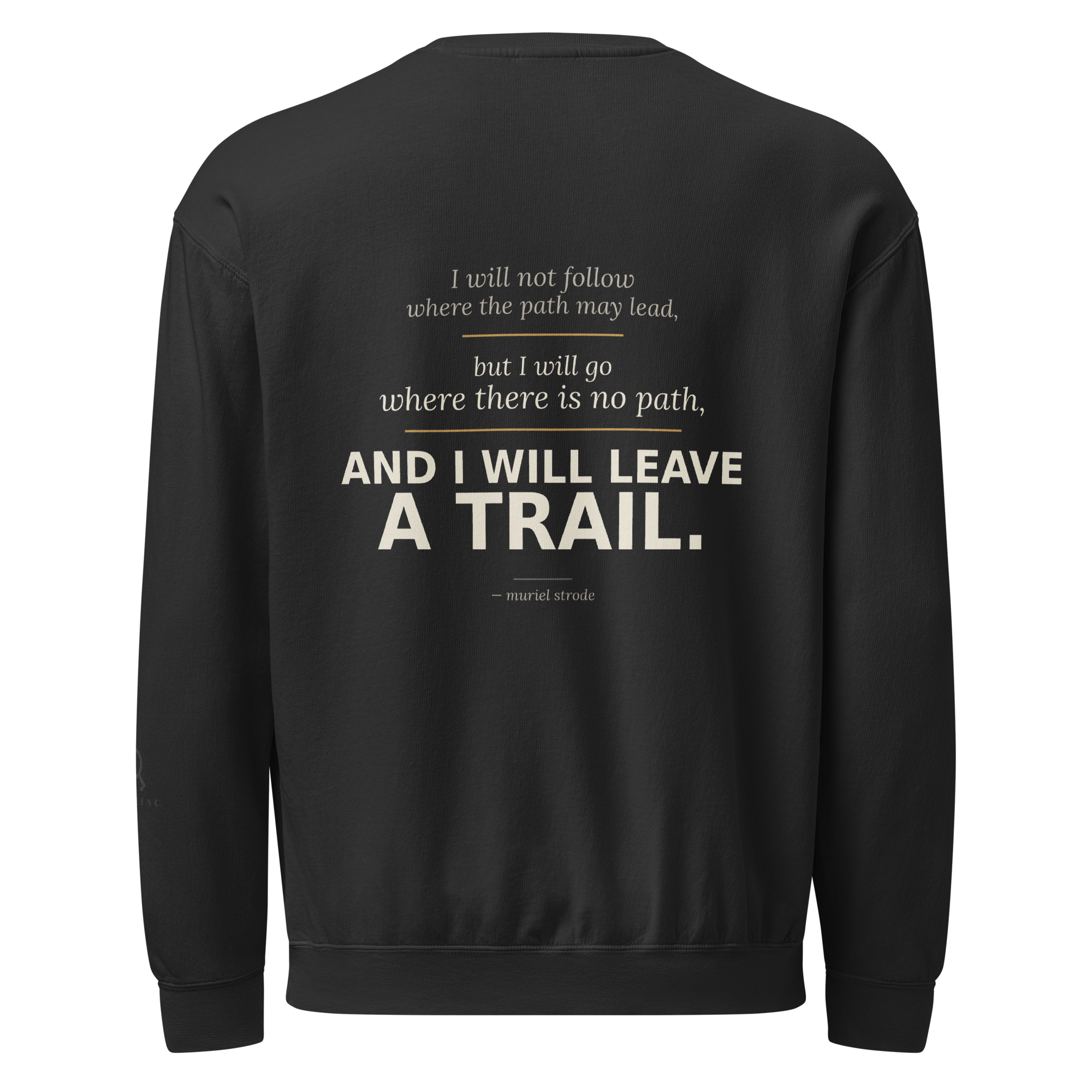
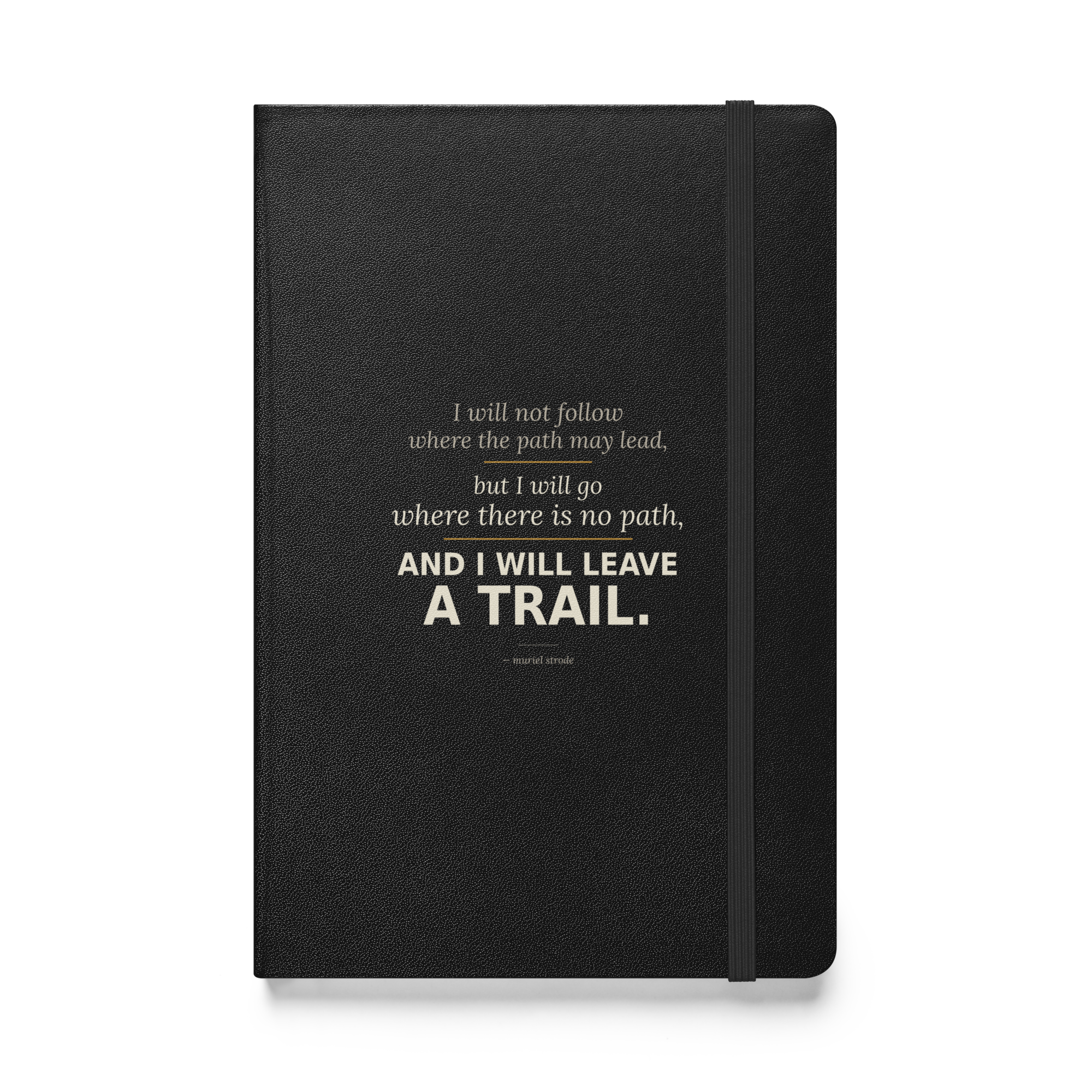
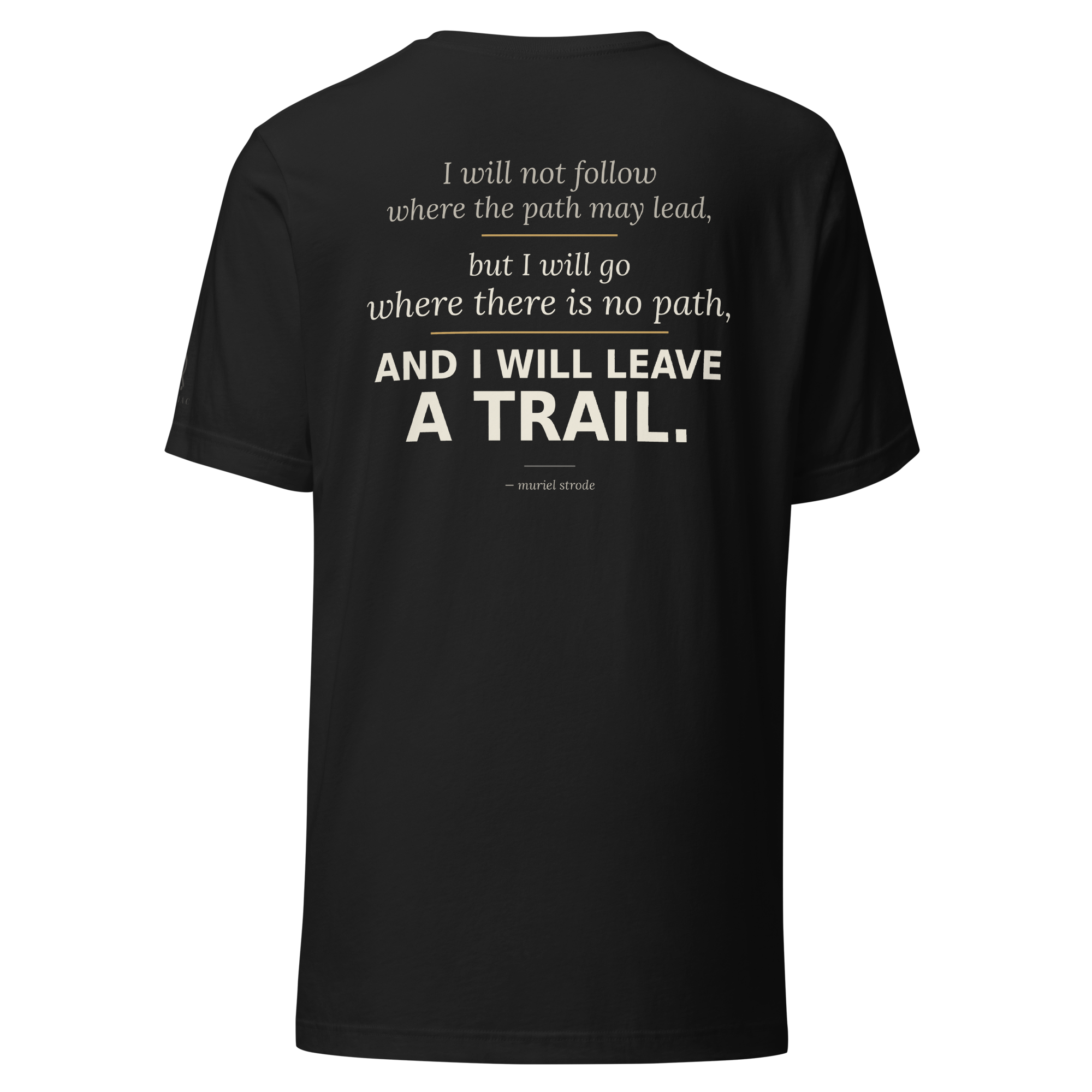
“I will not follow where the path may lead, but I will go where there is no path, and I will leave a trail.”
“Wind-Wafted Wild Flowers,” Open Court magazine (1903)
About Muriel Strode
Muriel Strode was born on February 16, 1875, in Bernadotte Township, Illinois, daughter of a naturalist father whose eye for the natural world found its way into everything she wrote. She left home young, went to business school and supported herself through office work, and eventually found her way into print — contributing poems and essays to The Open Court and The Philistine, two of the more intellectually serious periodicals of the era. She was taken seriously in her day. The Poetry Society of America and the League of American Penwomen both counted her among their members; reviewers compared her to Walt Whitman, not as flattery but as description. She had that register — wide, declarative, tilted toward the elemental. Then the century moved on, the audiences shifted, and Strode went with them — into obscurity so complete that the most quoted line she ever wrote would spend a hundred years circulating under someone else’s name. The erasure of her authorship is not incidental to her story. It is the story.
“Wind-Wafted Wild Flowers” appeared in the August 1903 issue of The Open Court — a philosophy and religion journal published in Chicago that ran serious literary work alongside its theological inquiry. The poem was free verse, Whitmanesque in its reach, and the trail line appeared in it with full force: I will not follow where the path may lead, but I will go where there is no path, and I will leave a trail. A year later, My Little Book of Prayer (1904) followed — a collection of epigrams and reflective prose with the same philosophical spine. She continued working. My Little Book of Life came in 1912. A Soul’s Faring in 1921. At the Roots of Grasses in 1923, her most substantial book, reviewed by the New York Times with genuine appreciation for her “zest for life” and the elemental quality of her verse. Her philosophy across all of it was consistent: individualism over conformity, resilience over comfort, the refusal to accept the inherited path as the only one. She meant every word.
In January 1992, the Middle School Journal printed a slightly revised version of Strode’s line and attributed it to Ralph Waldo Emerson. Emerson never wrote it. The misattribution hit at the exact moment when motivational posters and email forwards were becoming their own ecosystem, and it spread faster than any correction could follow. The line became one of the most-quoted things “Emerson” ever “said.” It does not appear anywhere in his collected works. Strode died in 1964 in Tucson, Arizona — eighty-nine years old, her name quietly attached to the work she had done and just as quietly detached from the line that would travel farthest. A woman born in rural Illinois in 1875, working without institutional backing, wrote a sentence so true it outlived her name. That is the proof of the thing she was arguing.
The Work
From the Journal
The Quote on Your Shirt Is Probably a Lie
On how famous lines travel without their authors — and how to check.
ReadBe the Change: The Most Famous Quote Gandhi Probably Never Said
Another line that outlived its author's name — and what the record actually shows.
ReadMuriel Strode Wrote the Most Misattributed Hiking Quote on the Internet — She Deserves Better
How the most misattributed line on the internet got separated from the woman who wrote it — and what the 1903 original actually says.
ReadIn Their Orbit