
Dark Romanticism
Beauty has a shadow side. This collection lives there.
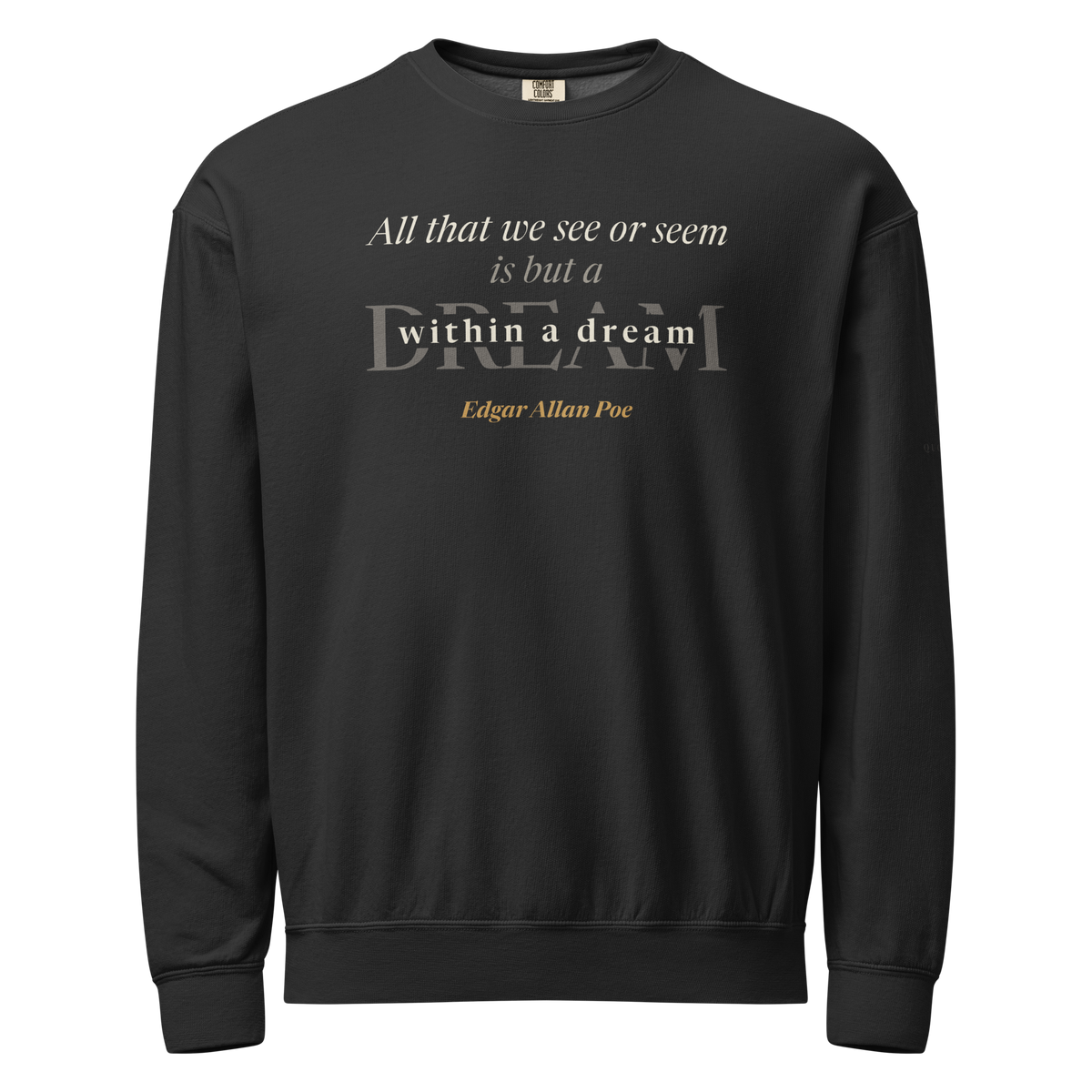
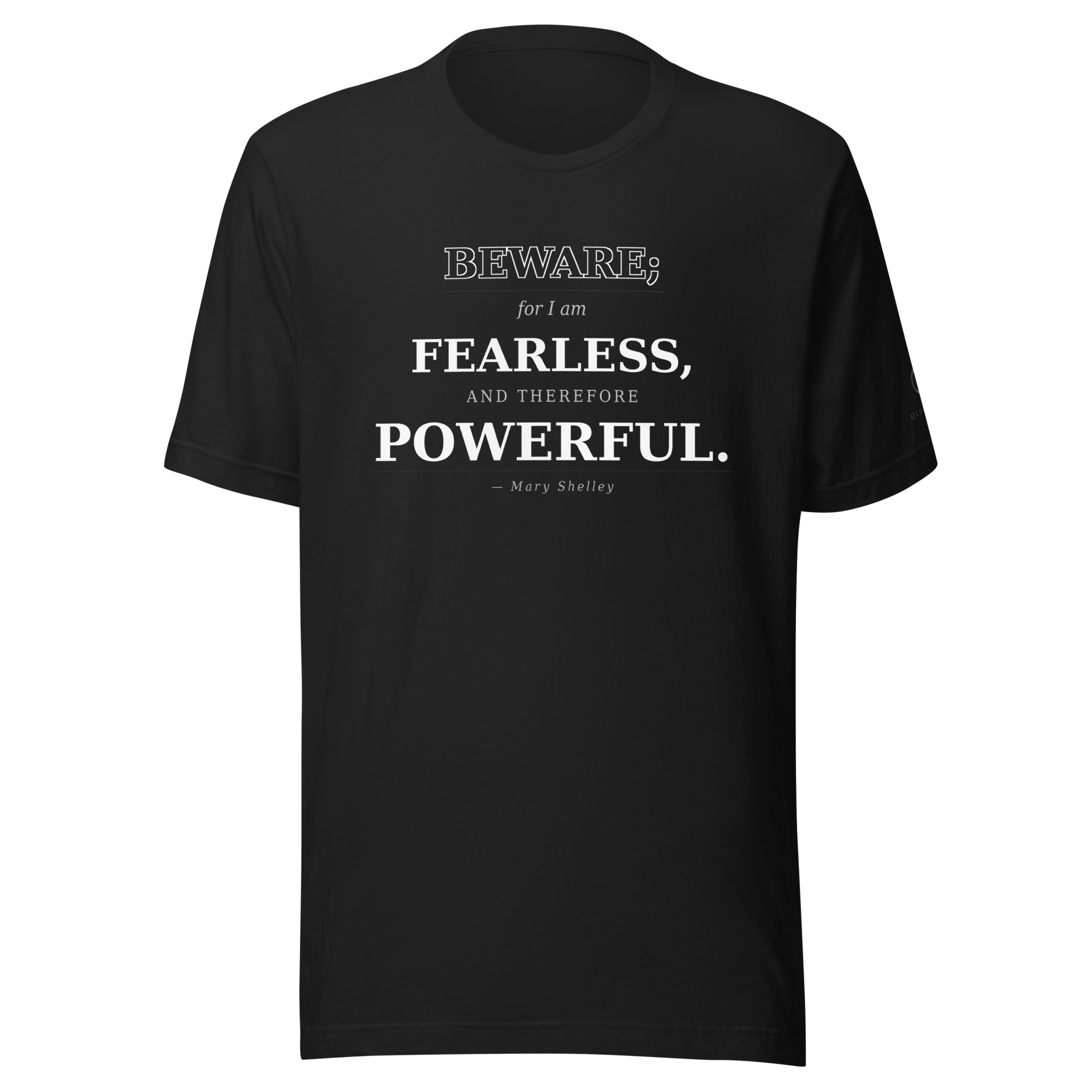
Dark Romanticism gathers the writers and poets who found truth in the gothic, the grief-stricken, and the gloriously strange. Edgar Allan Poe. Mary Shelley. These aren't just literary figures — they were people who stared into the dark and came back with language that still hasn't lost its chill.
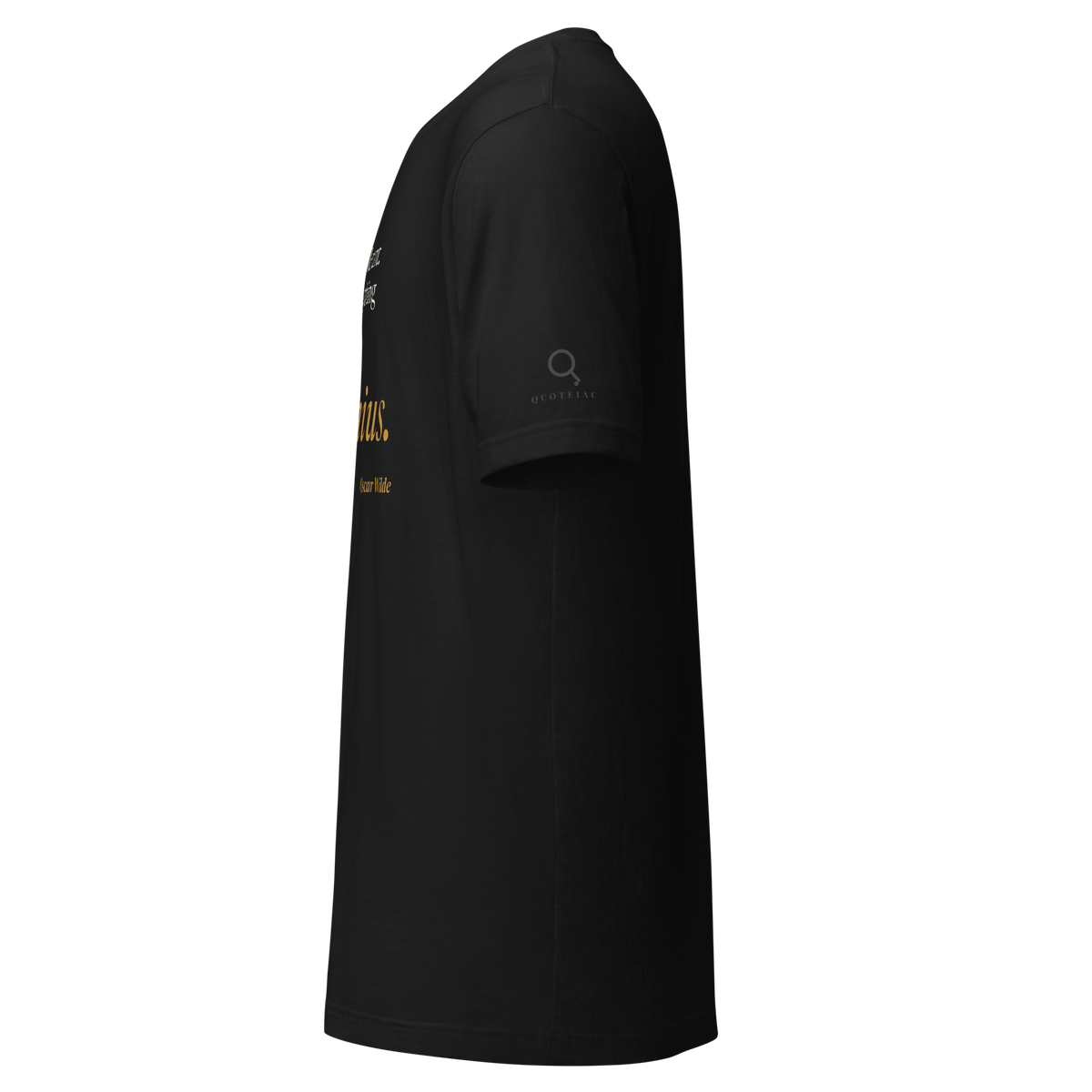
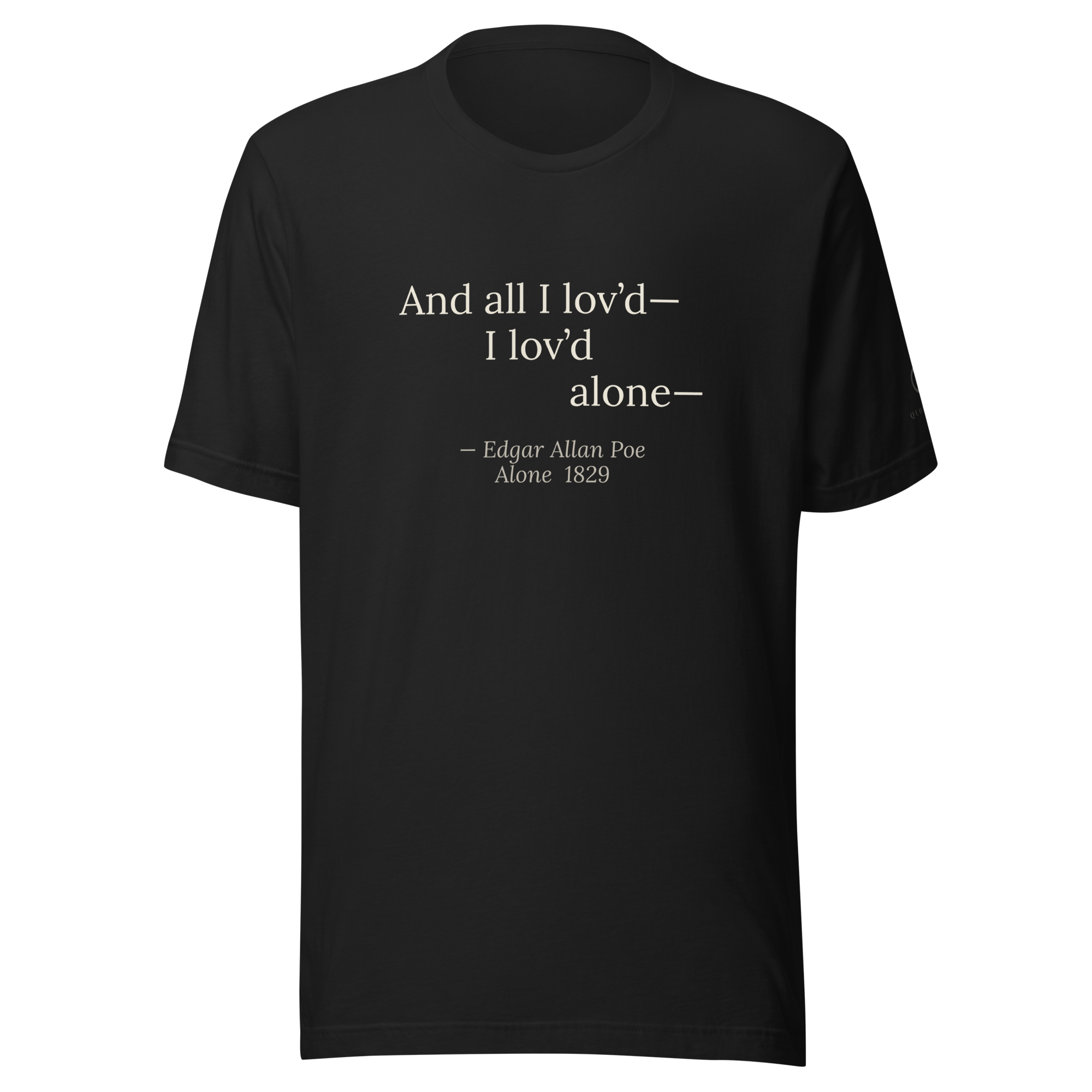
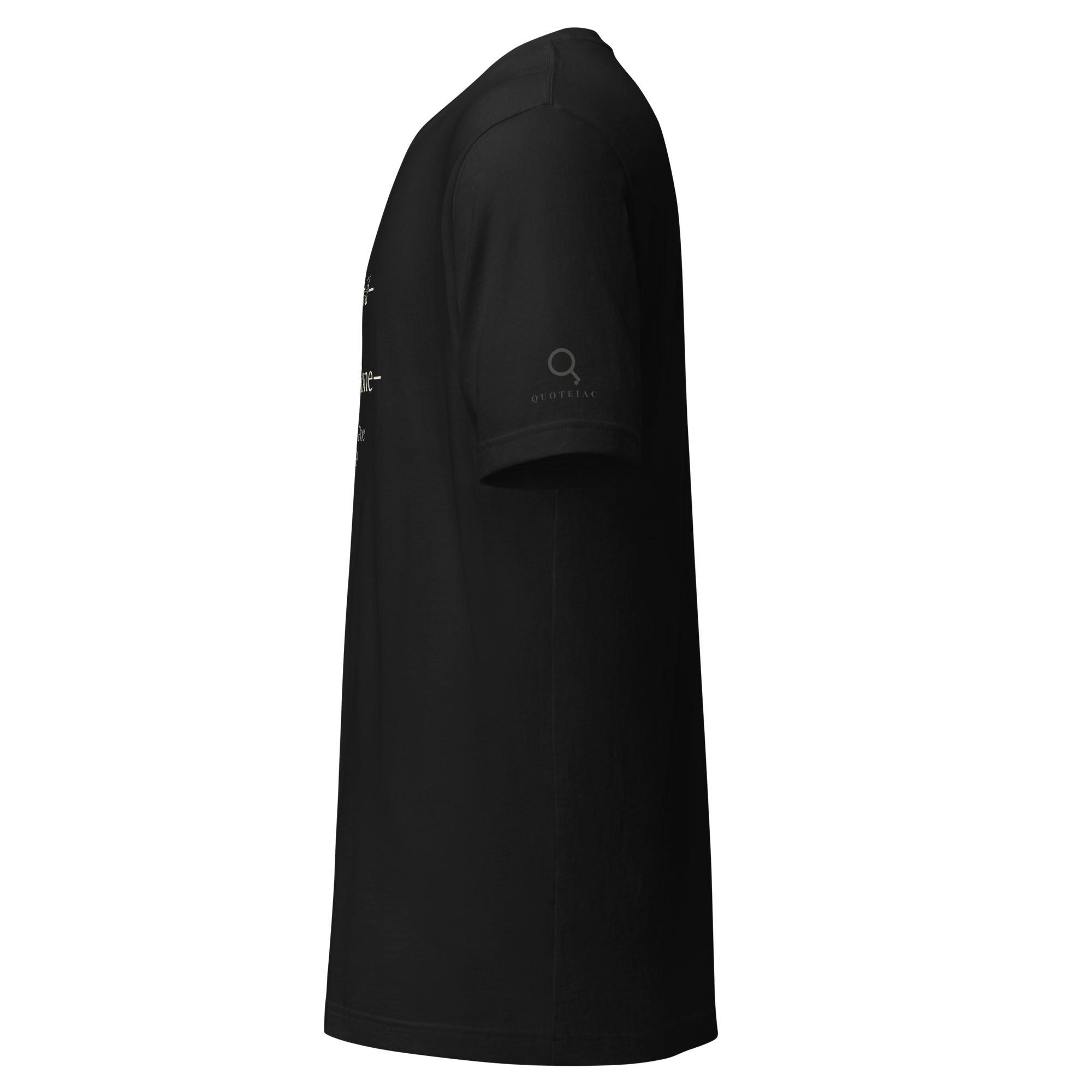
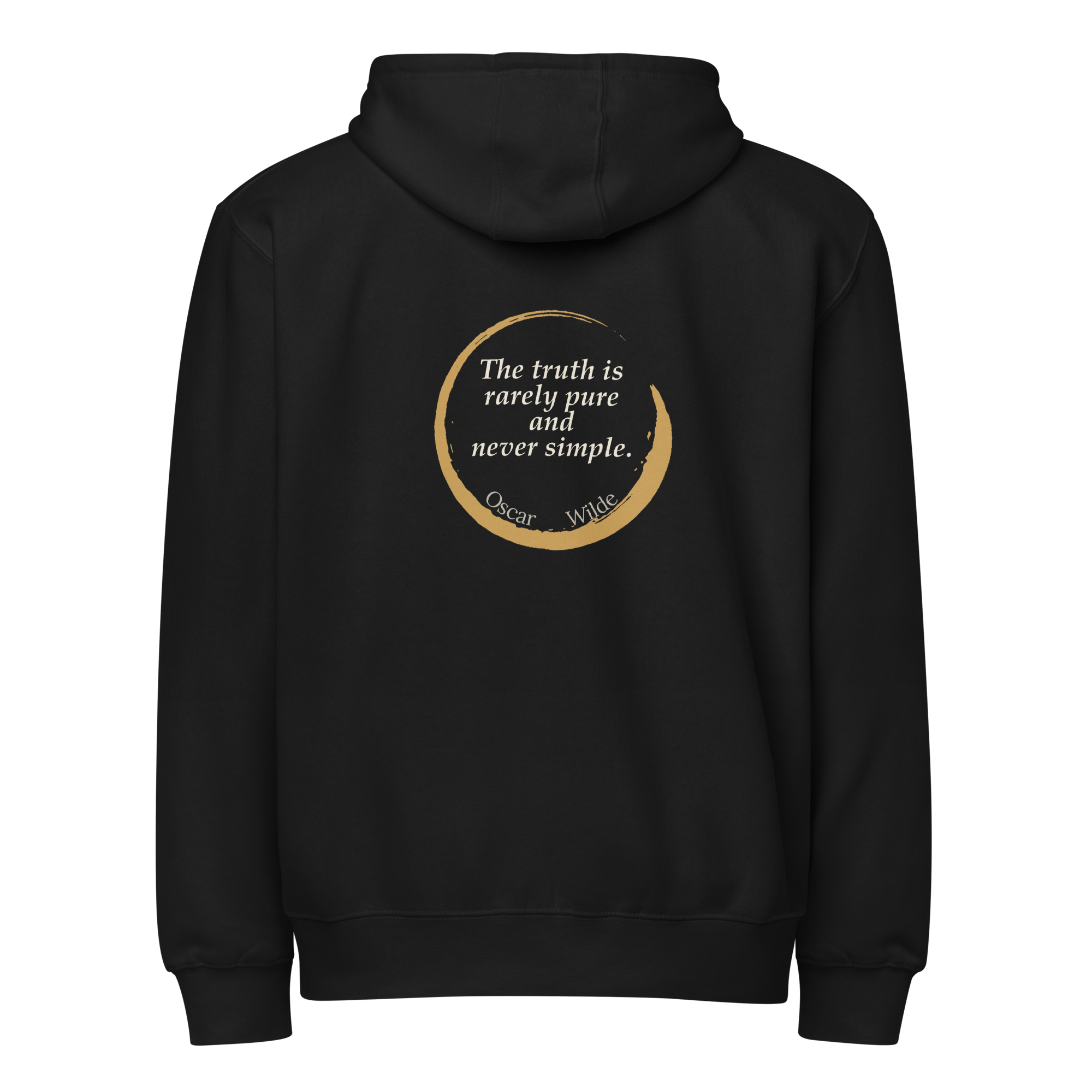
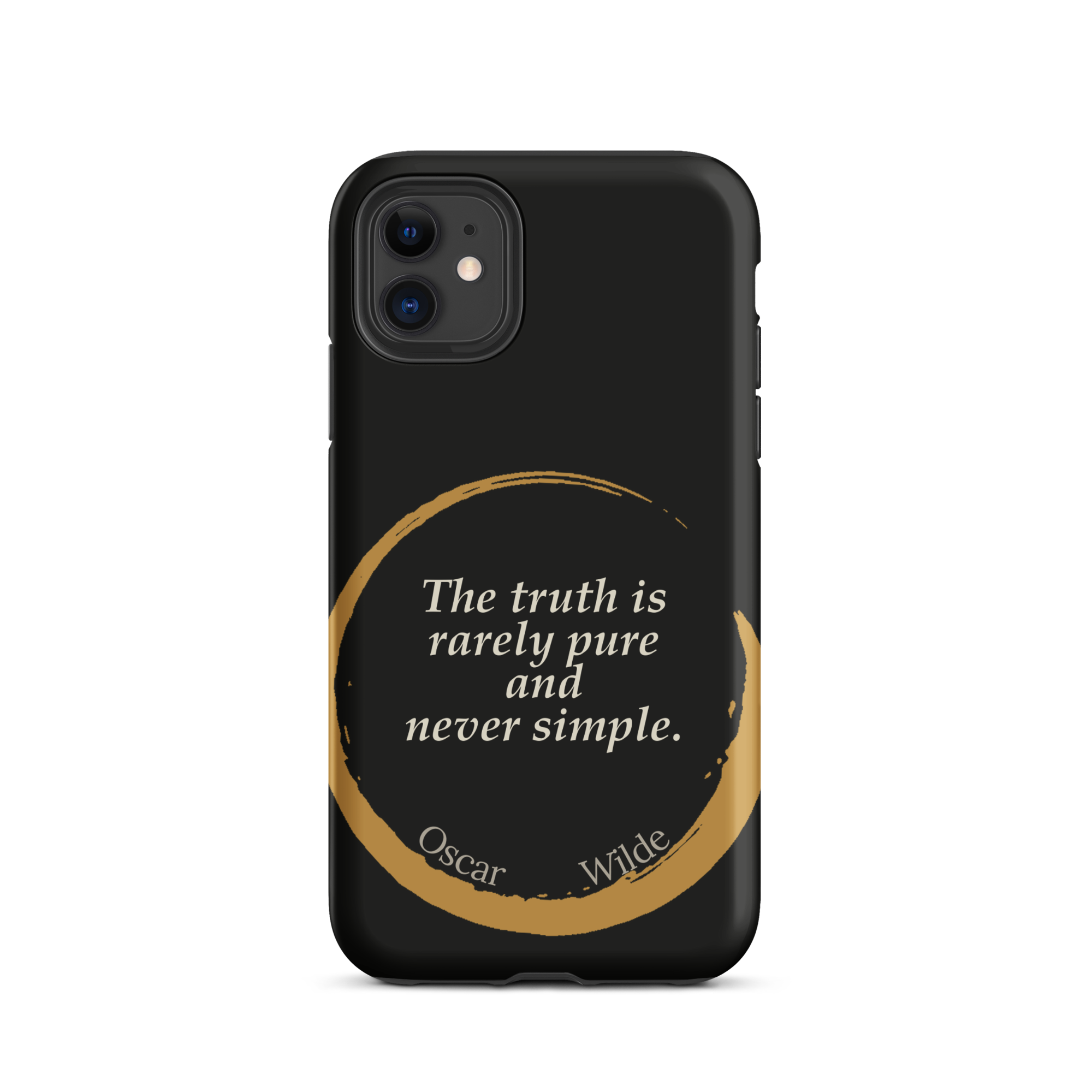
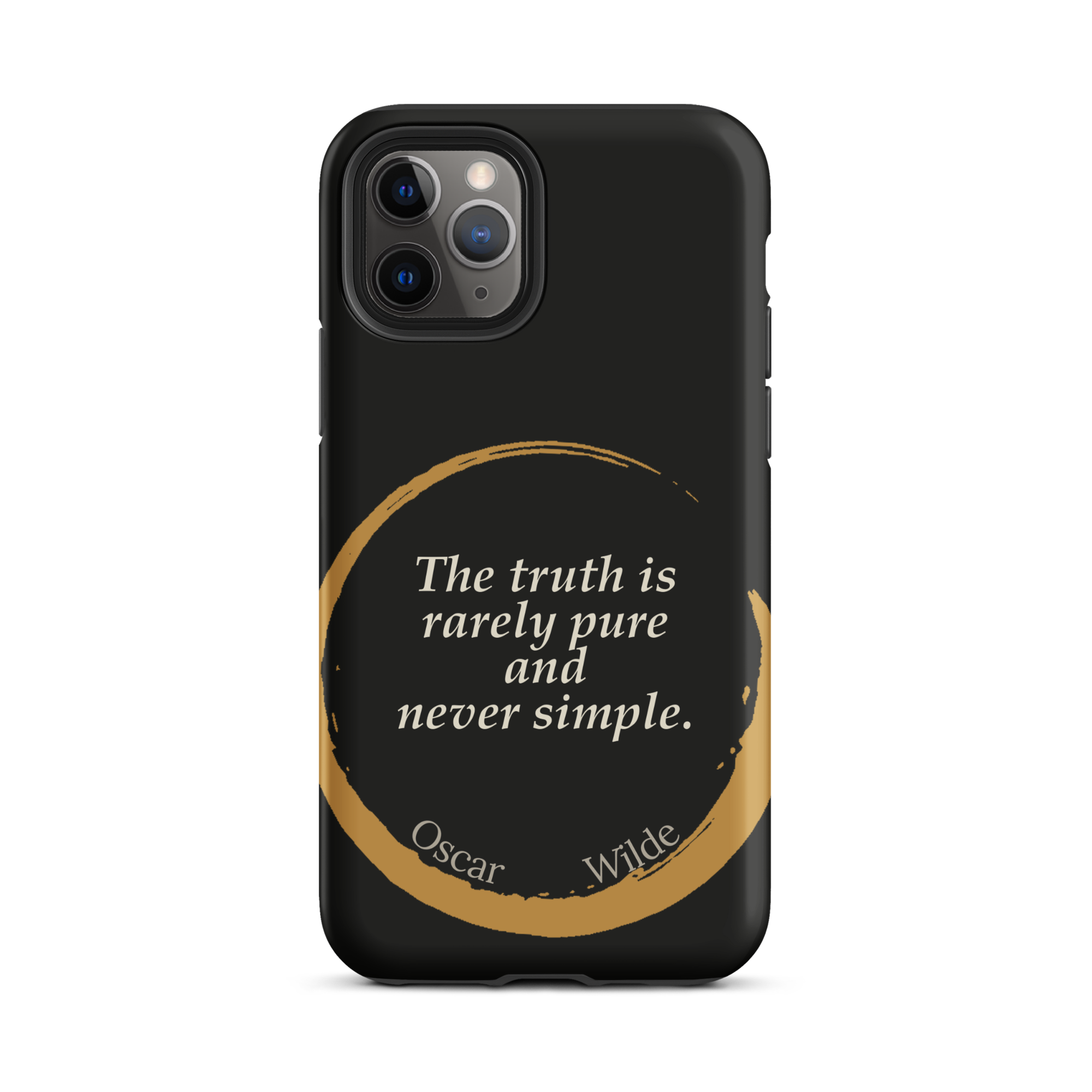
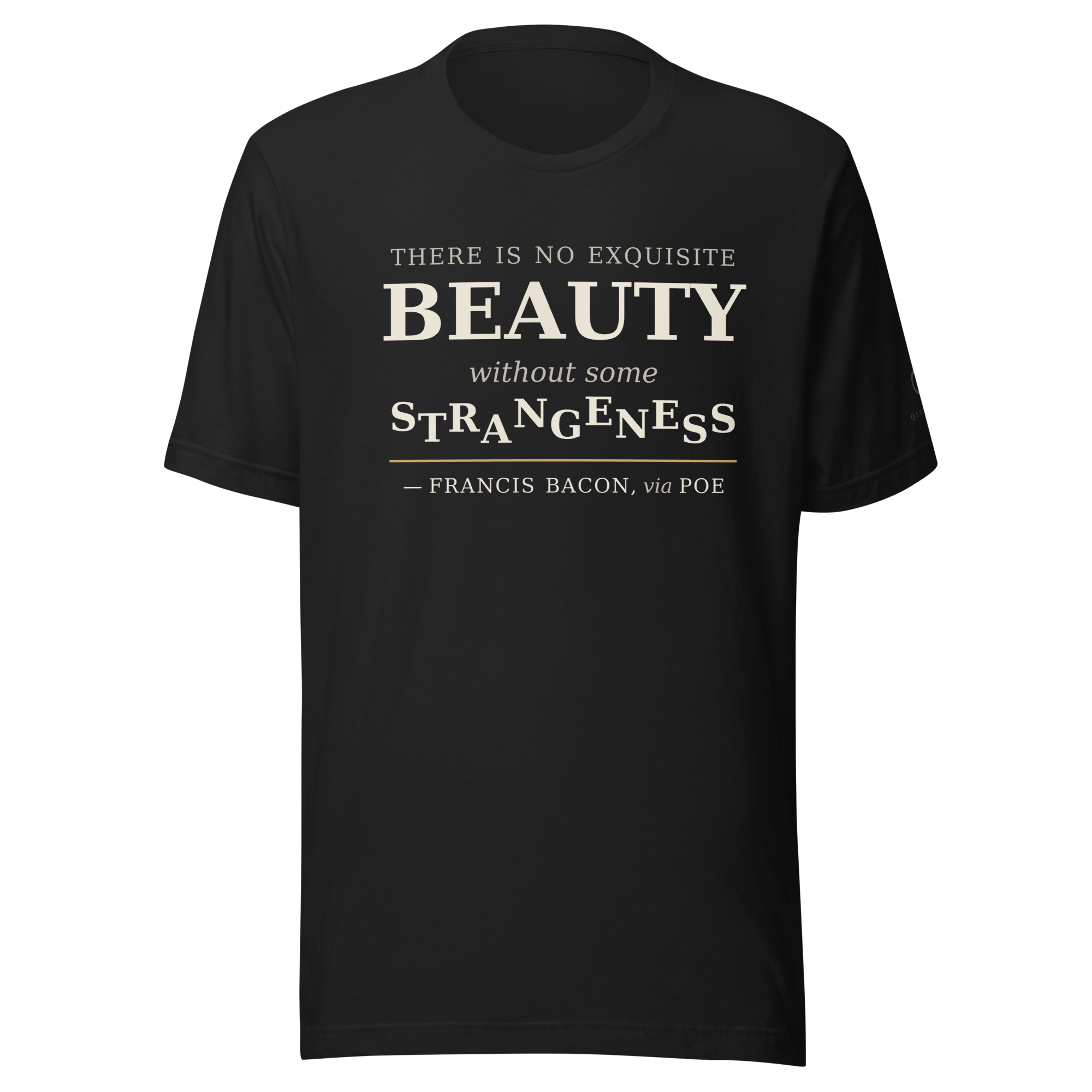
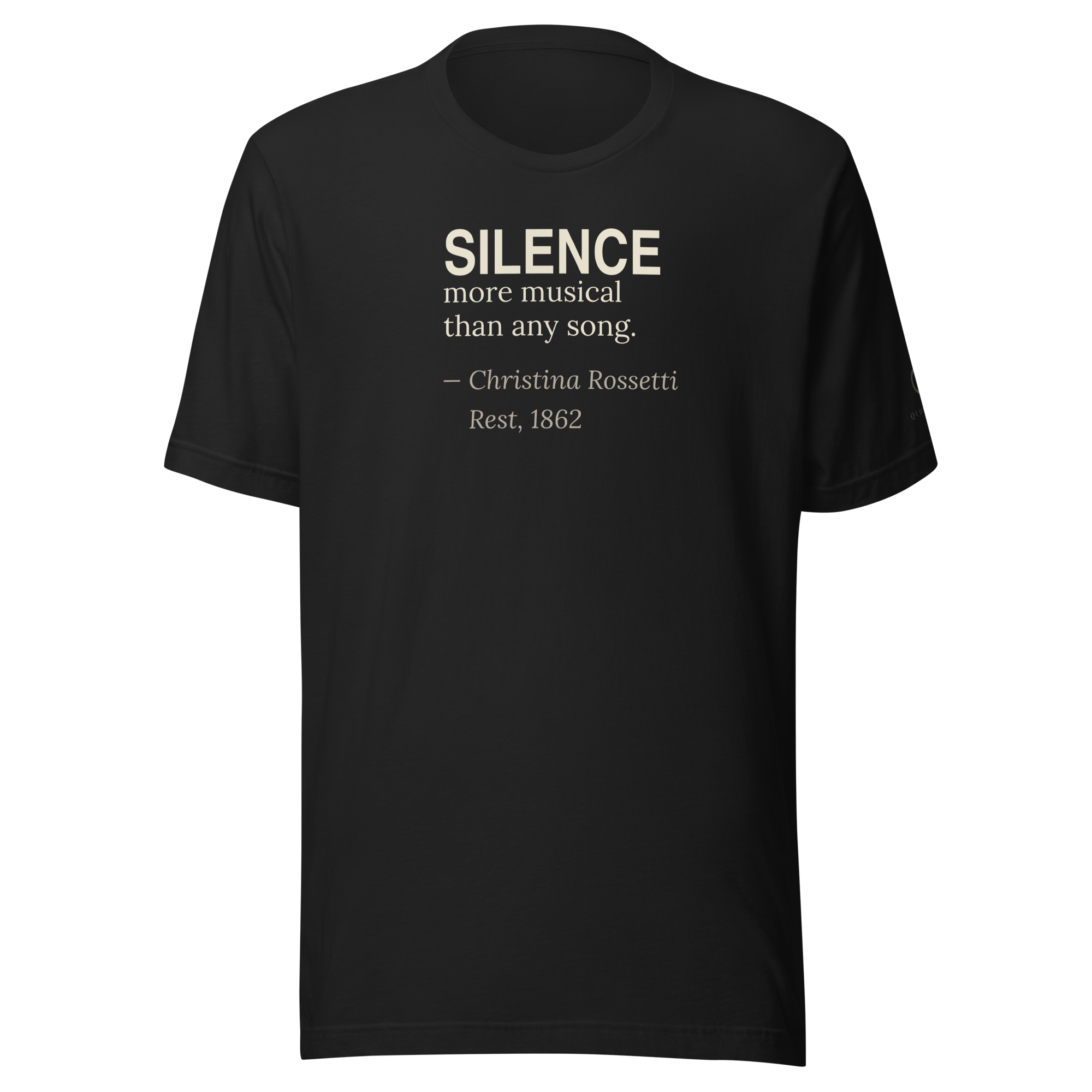
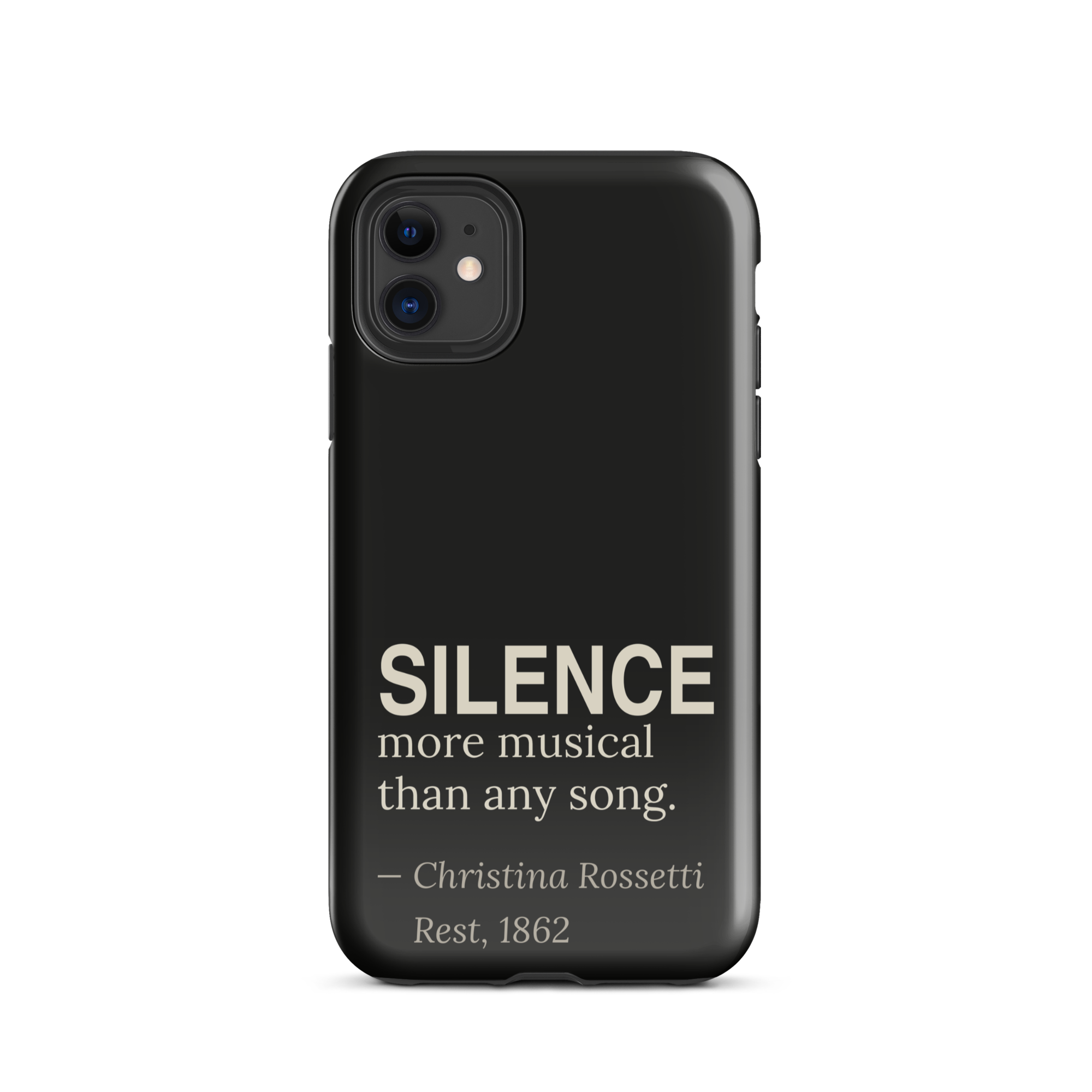
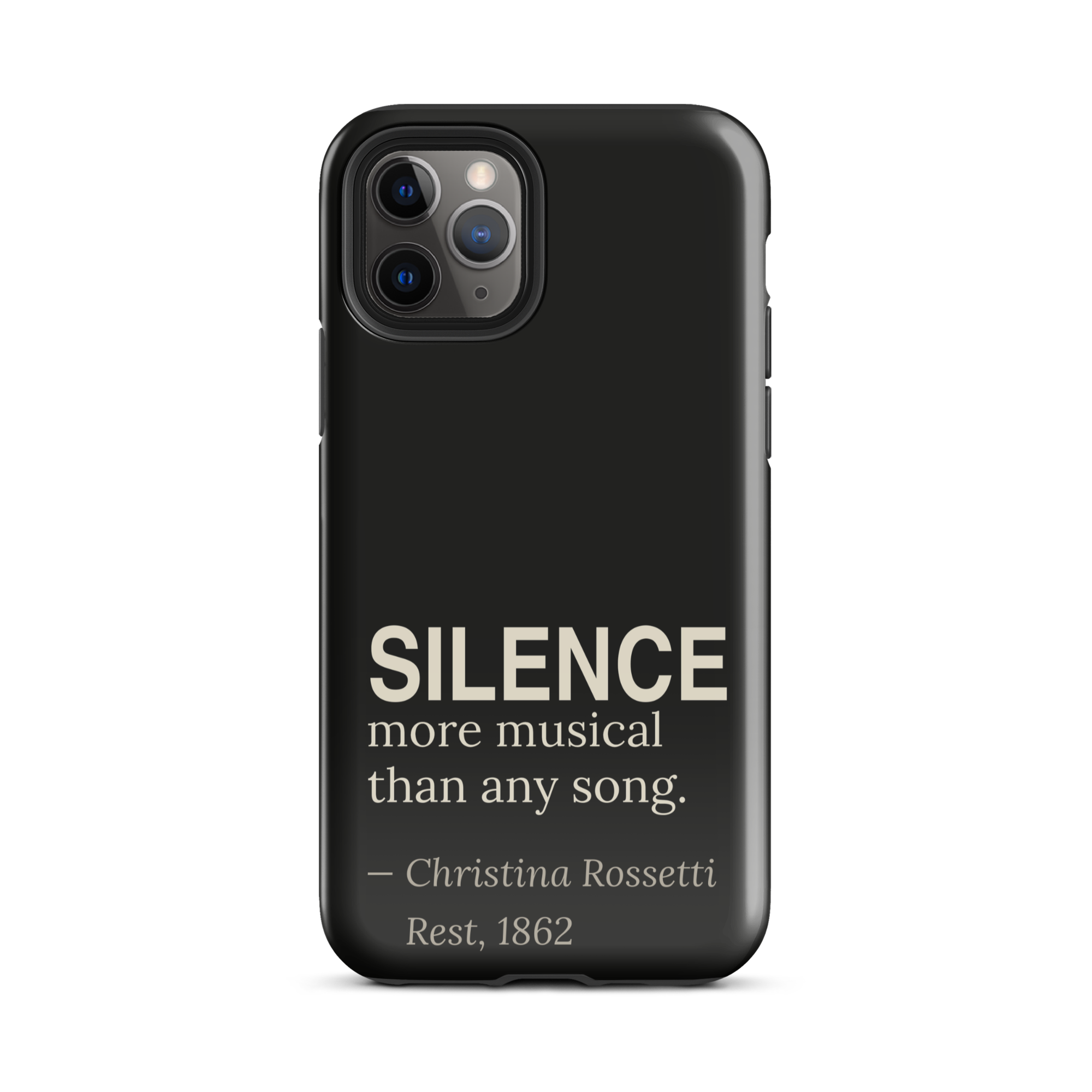
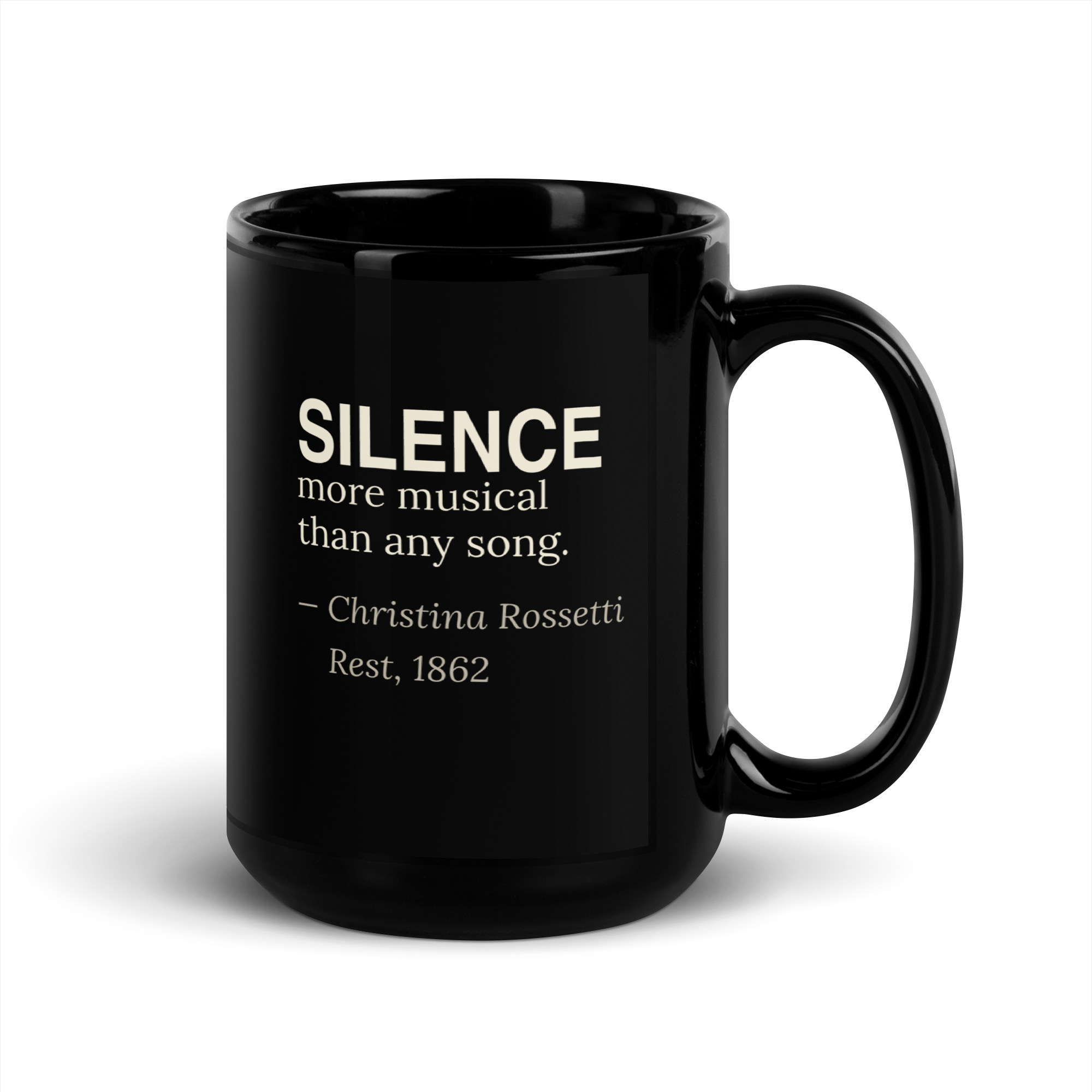
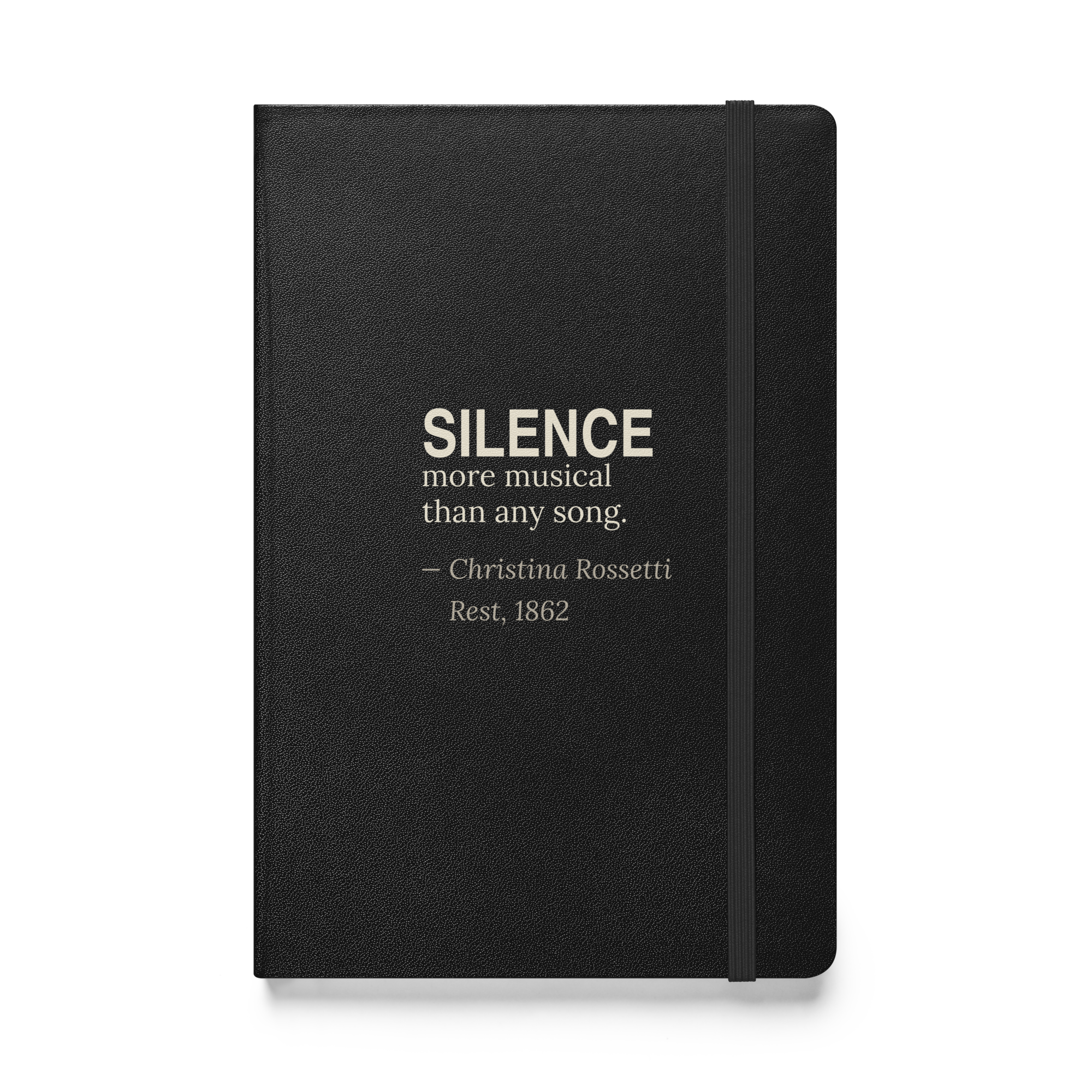
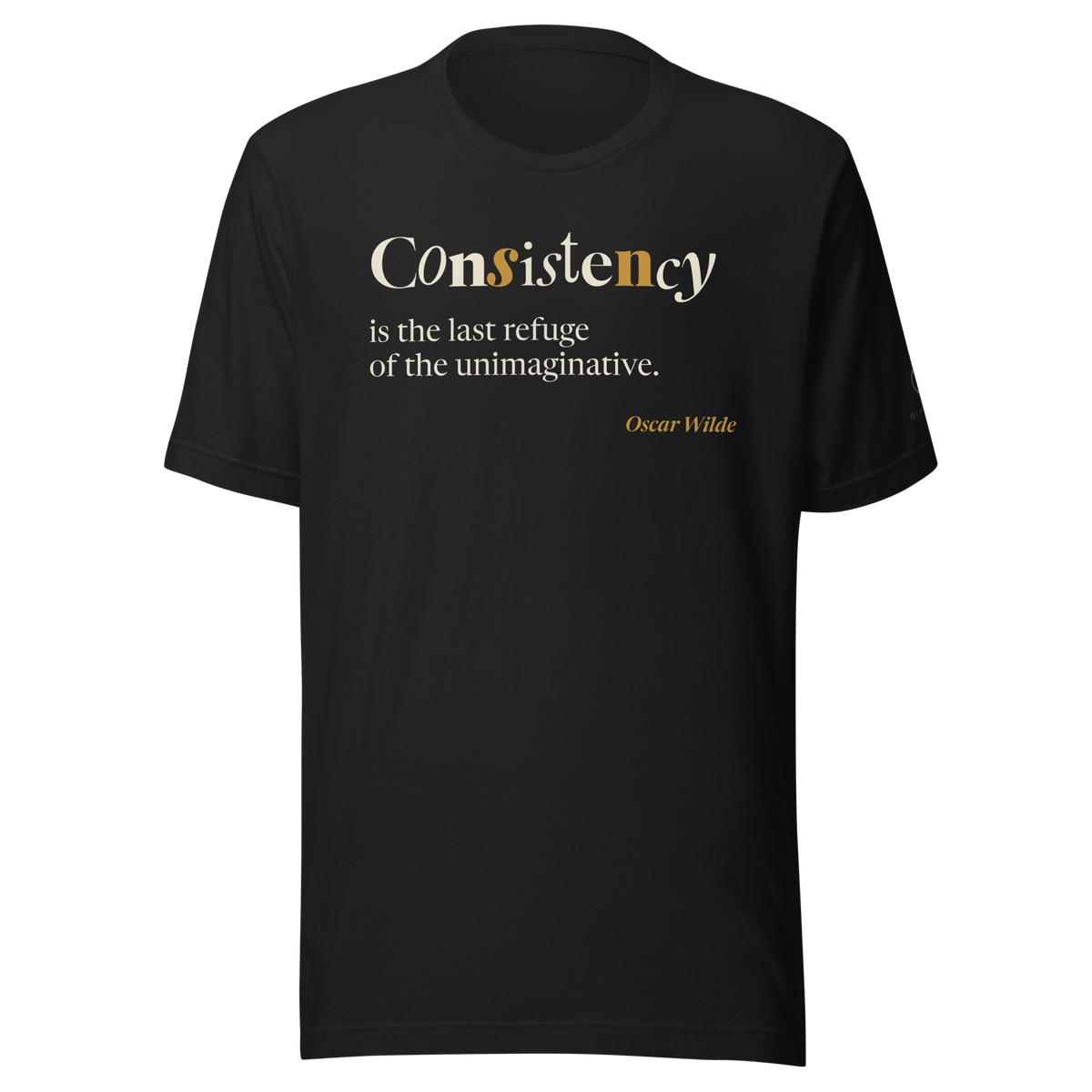
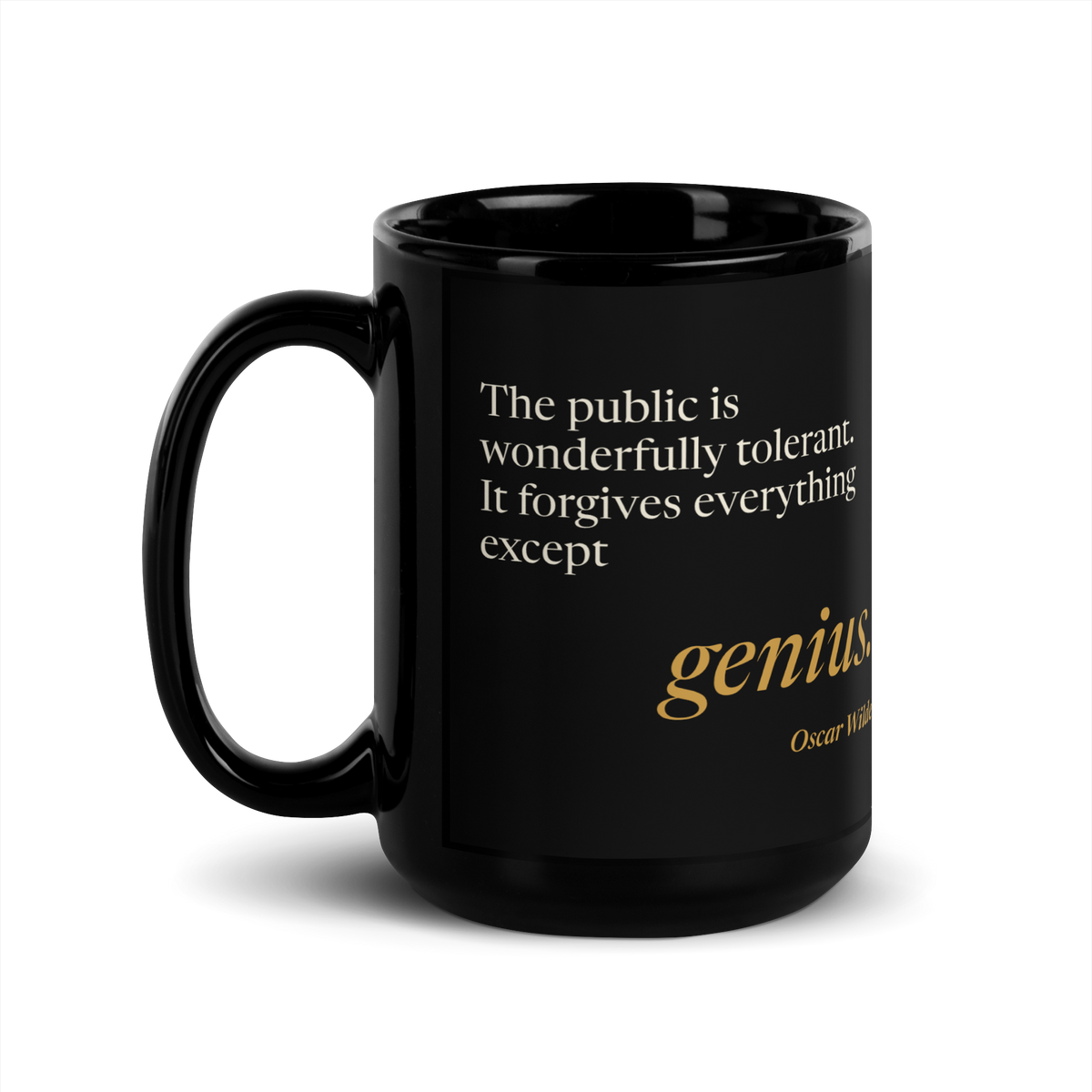
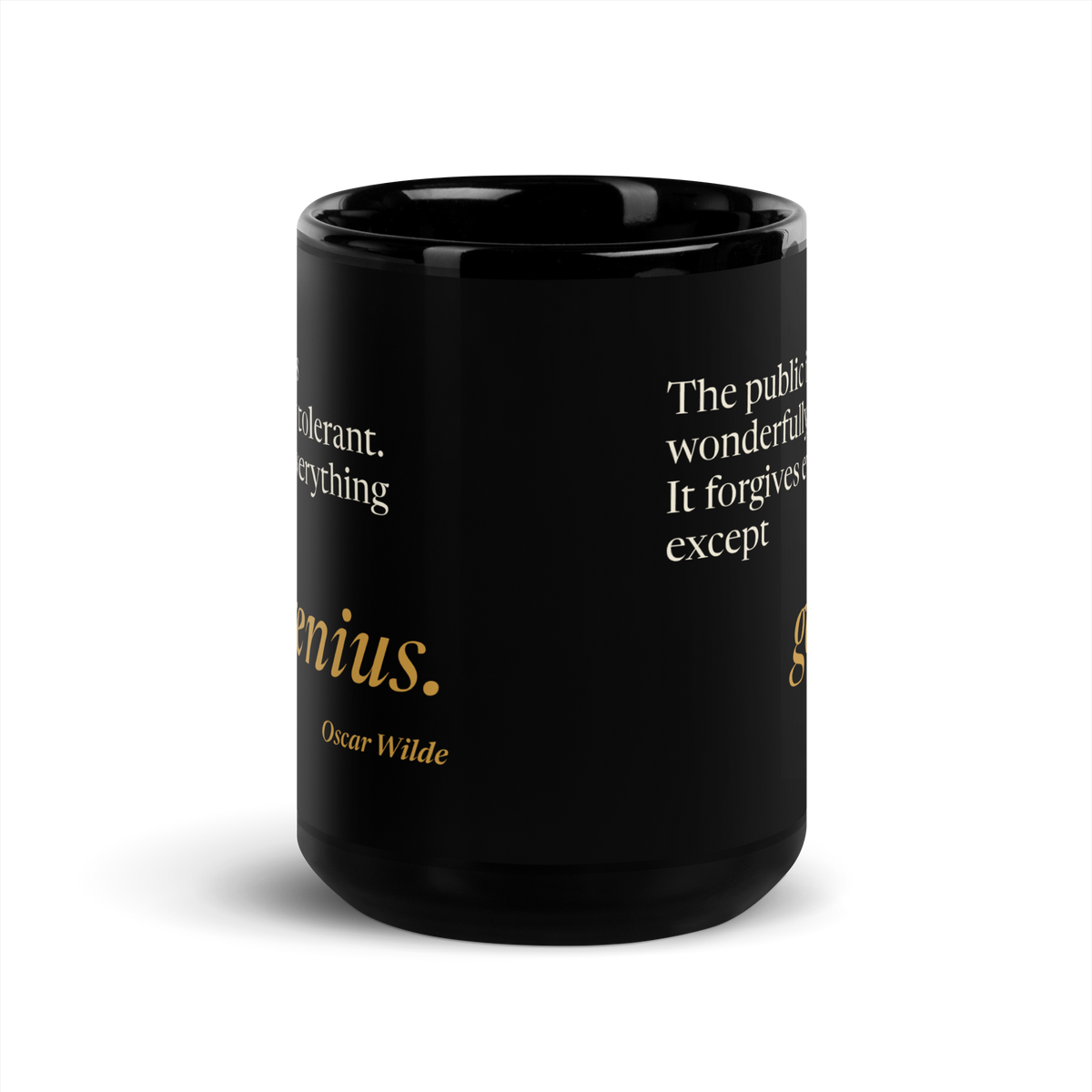
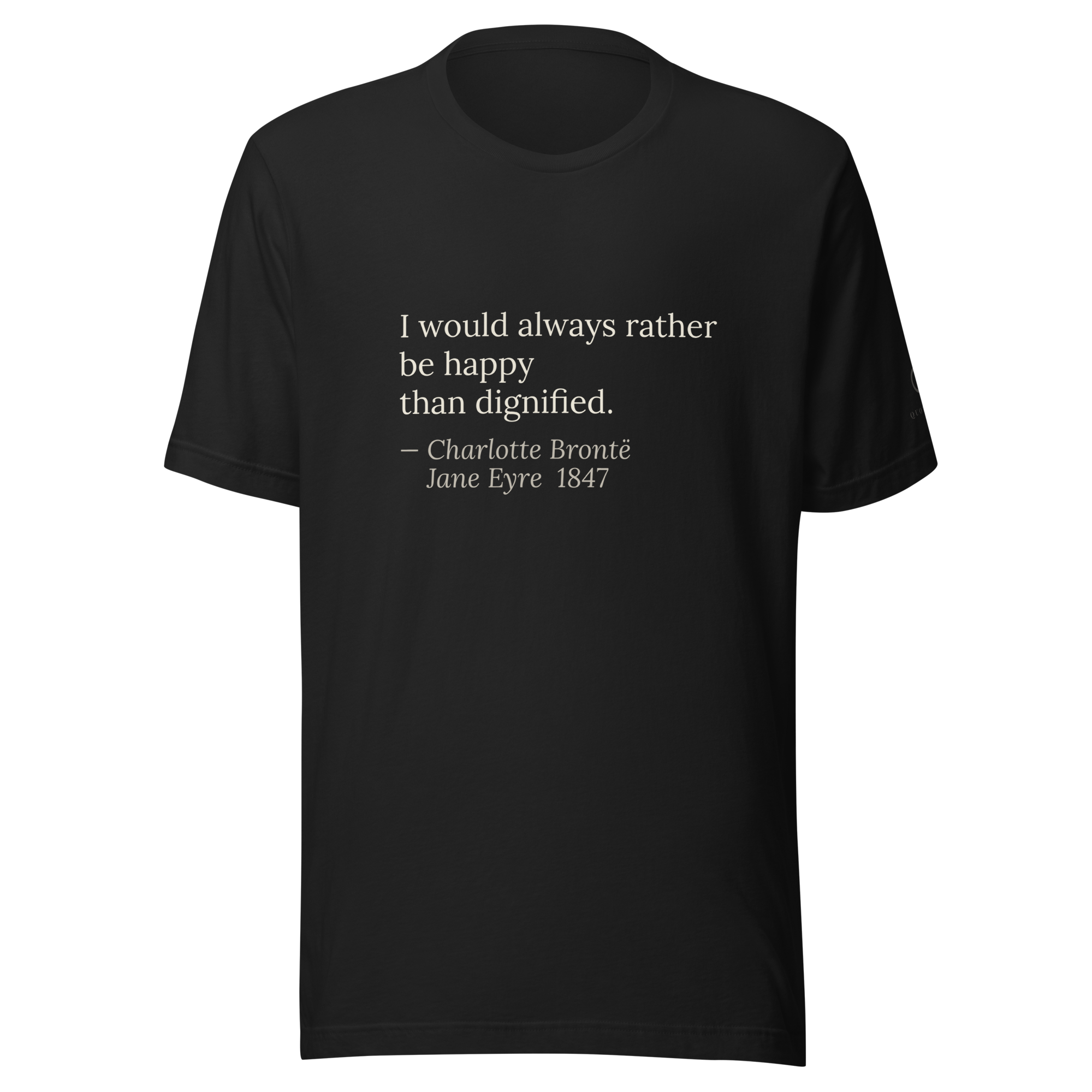
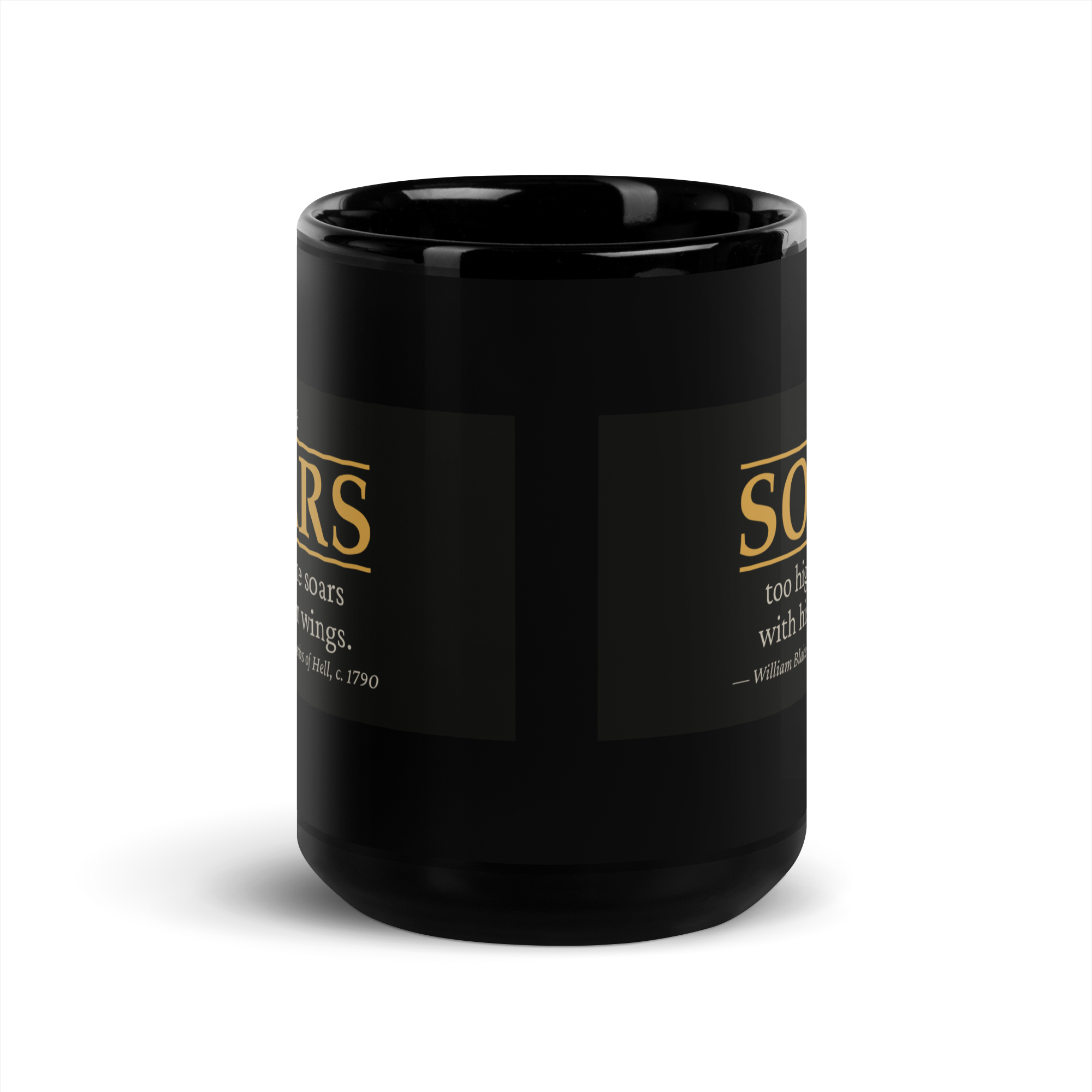
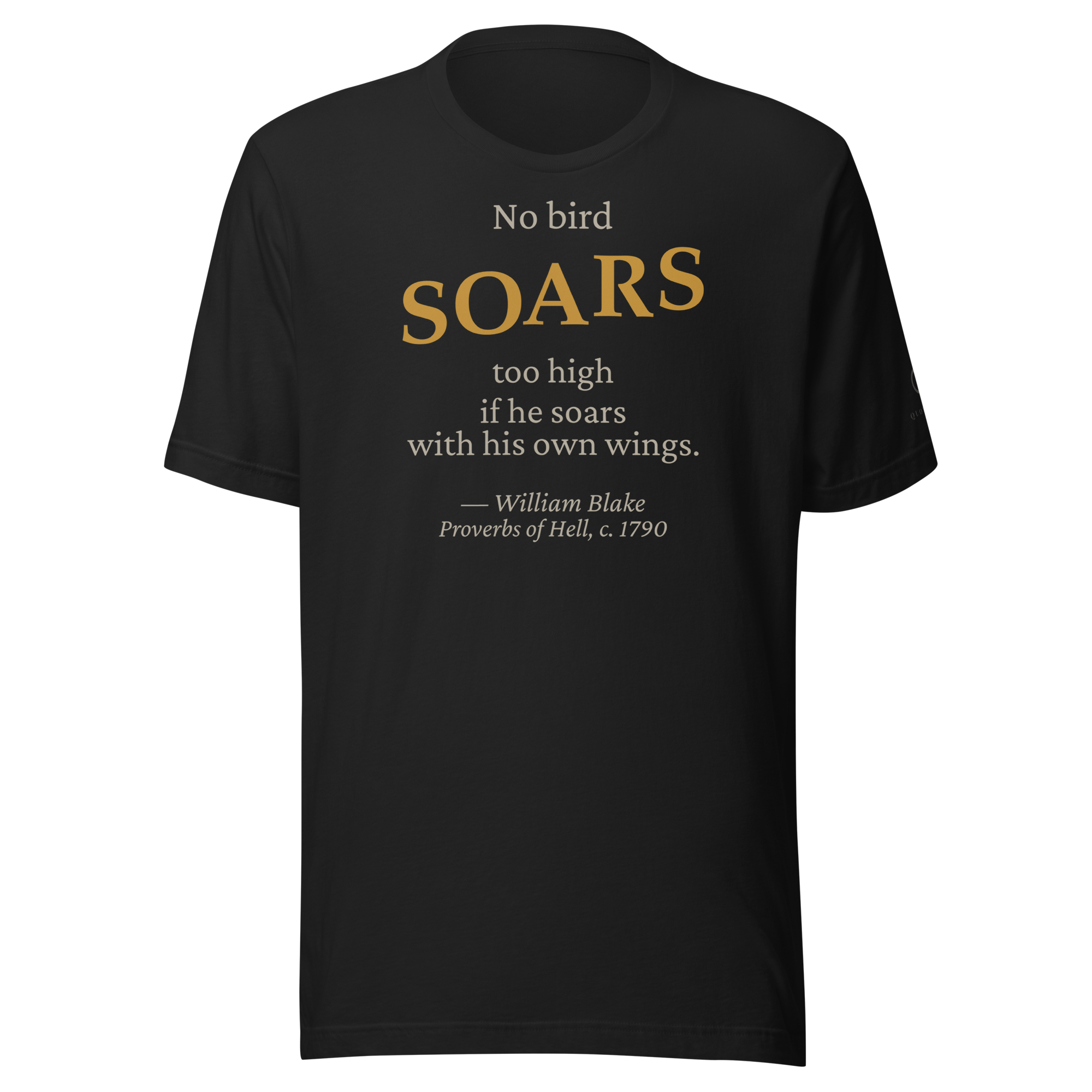
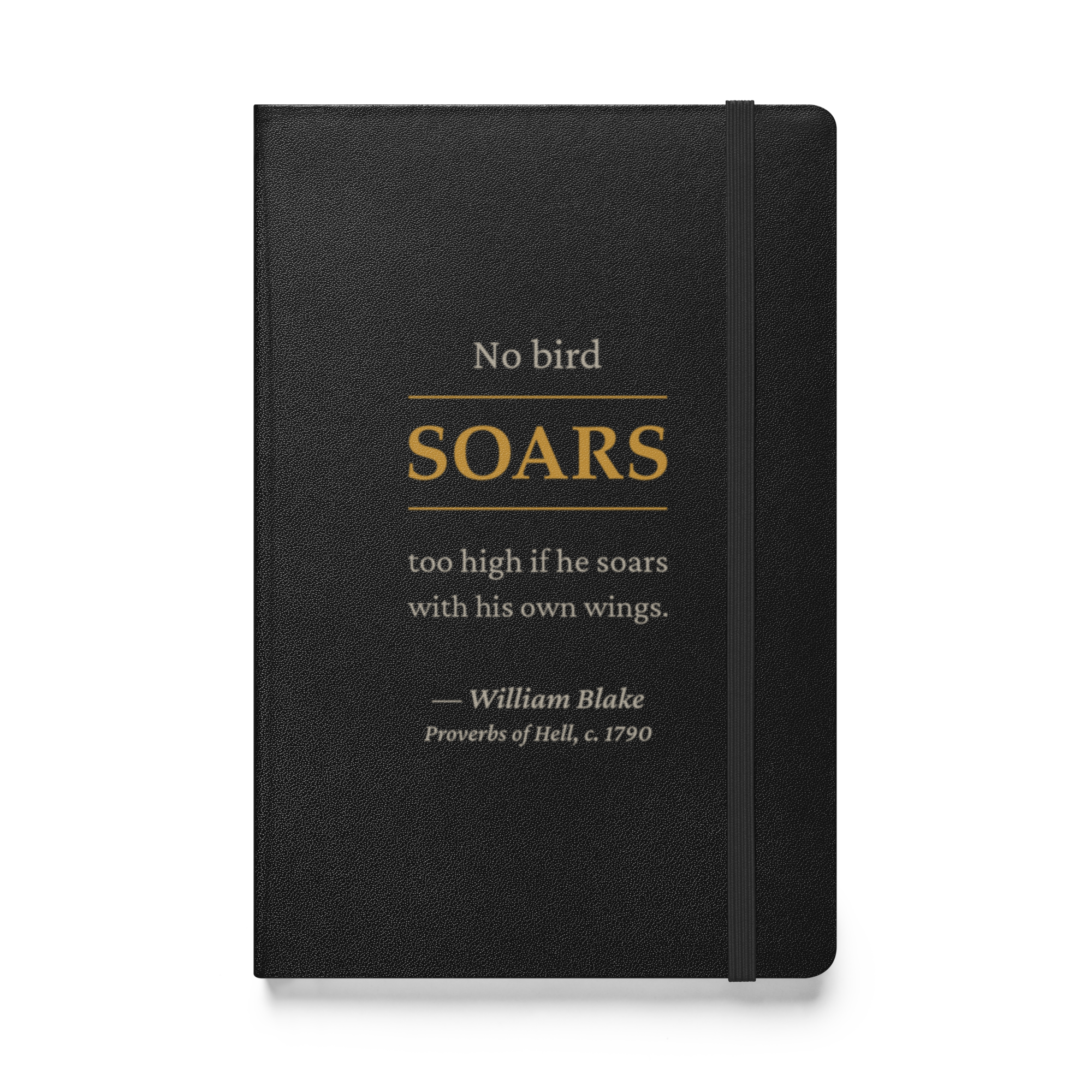
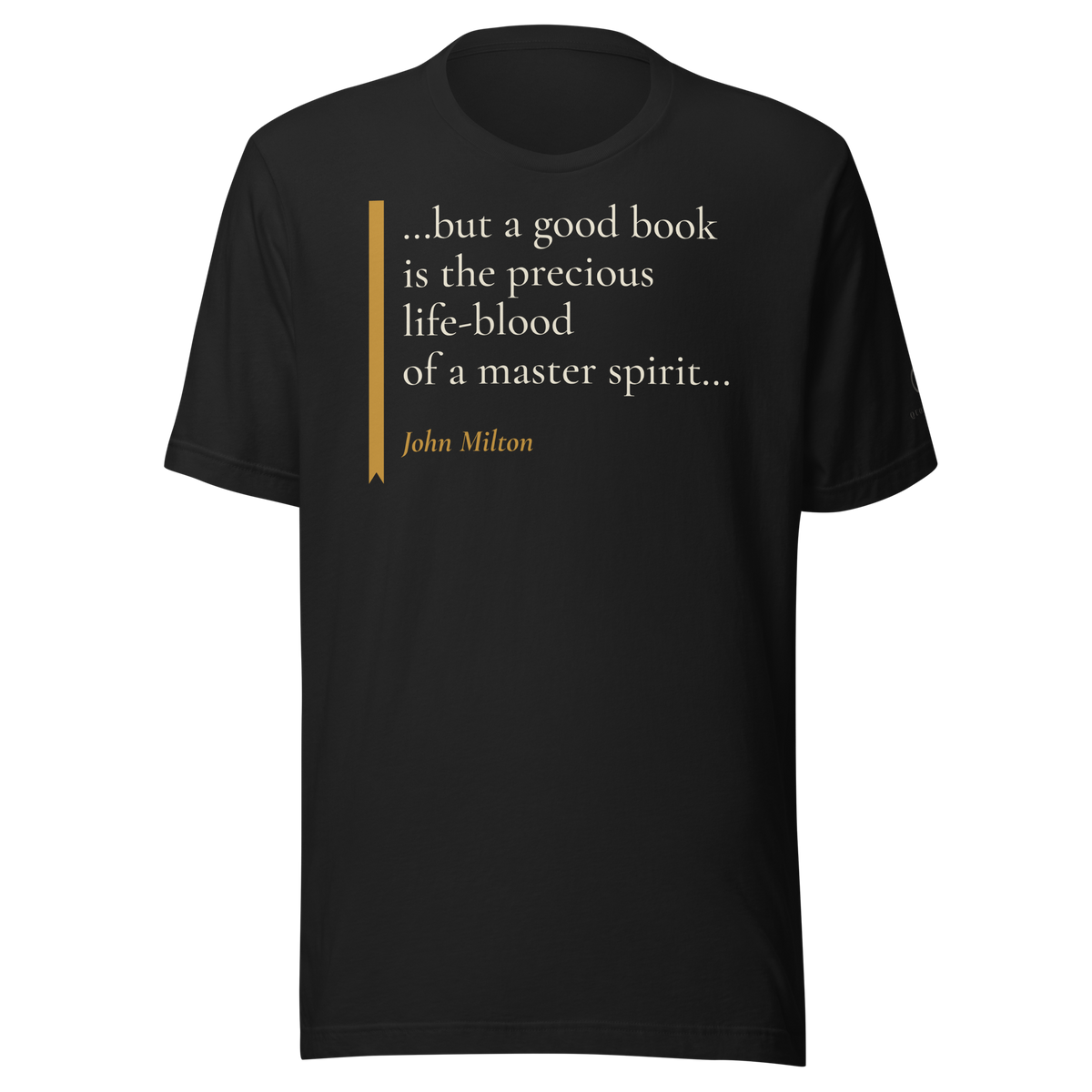
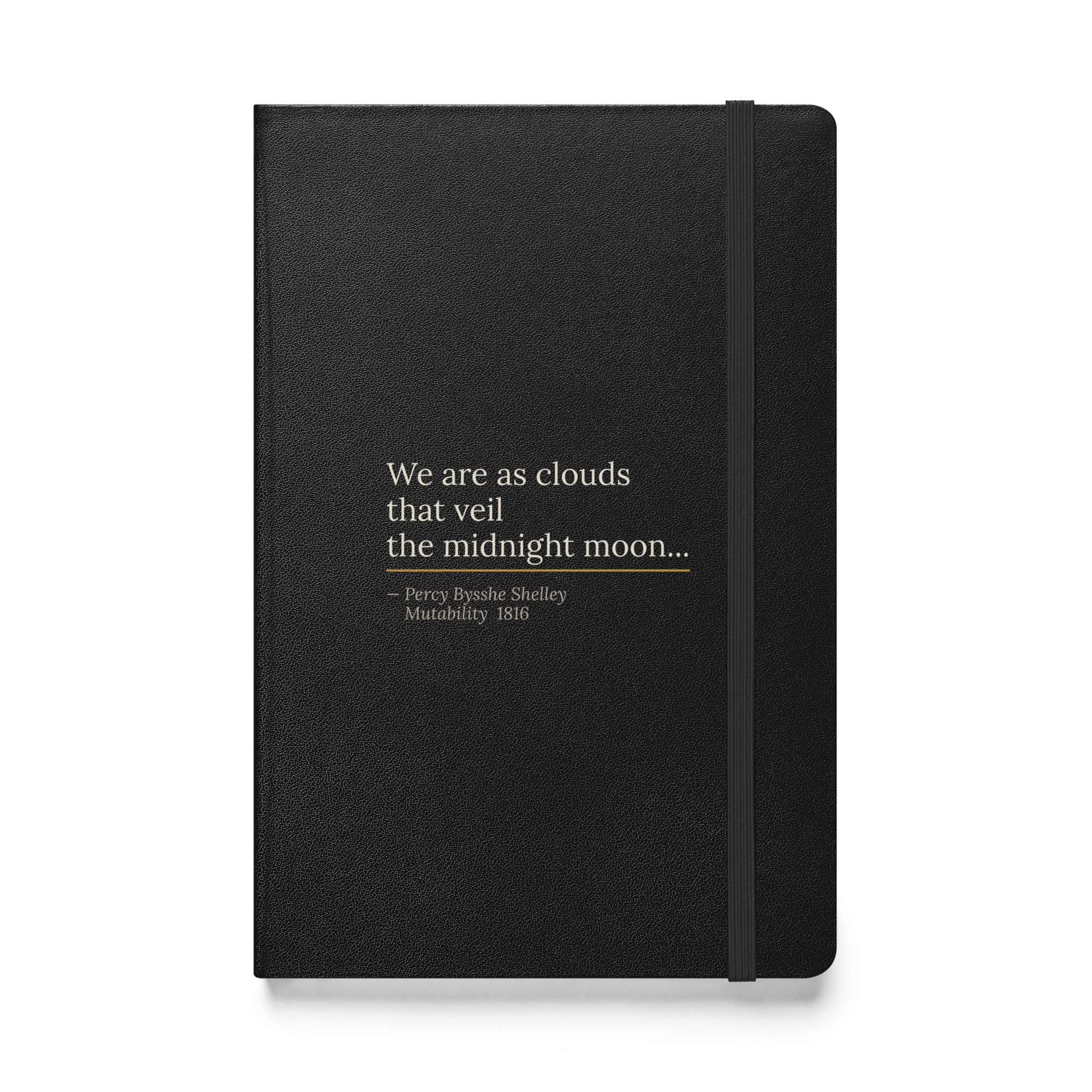
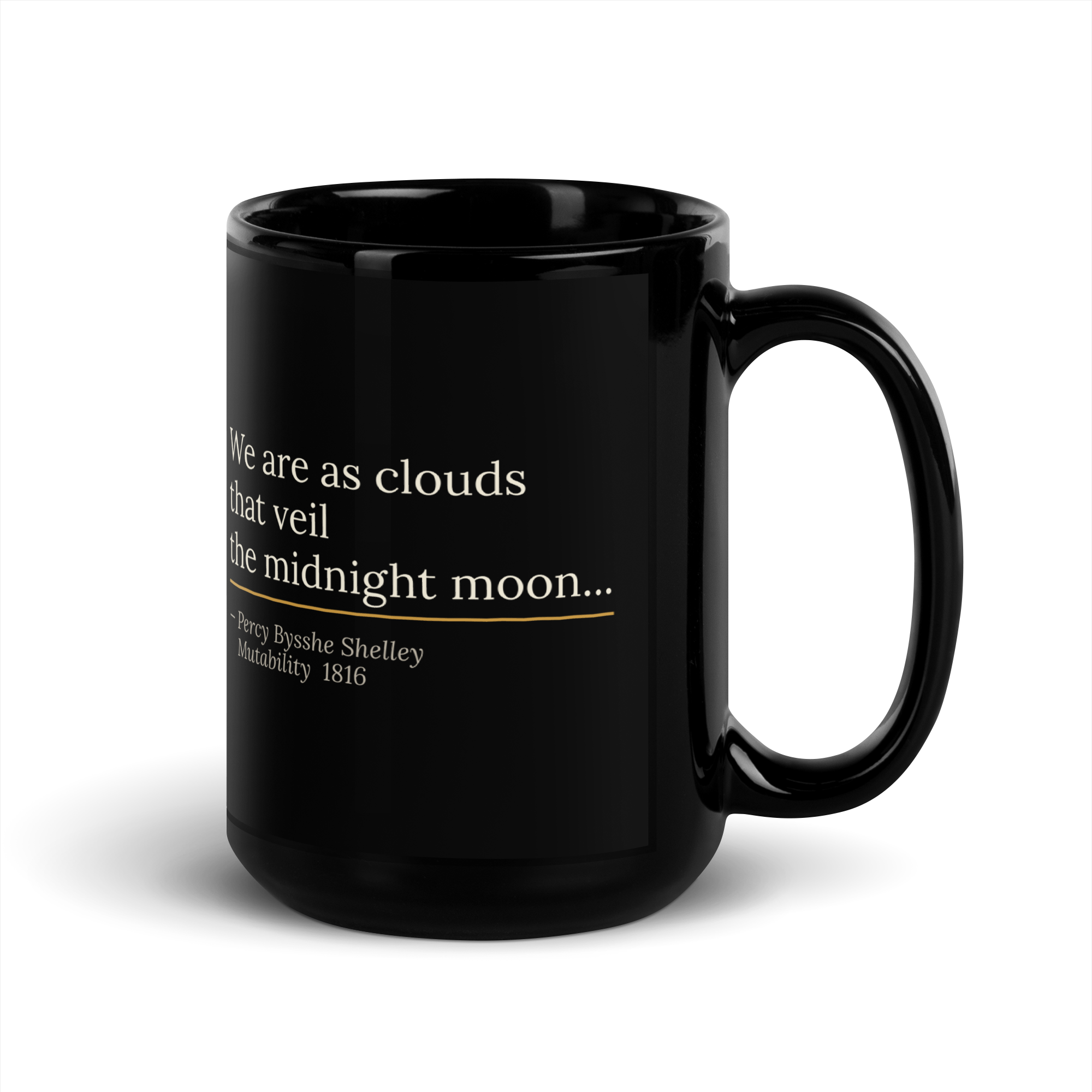
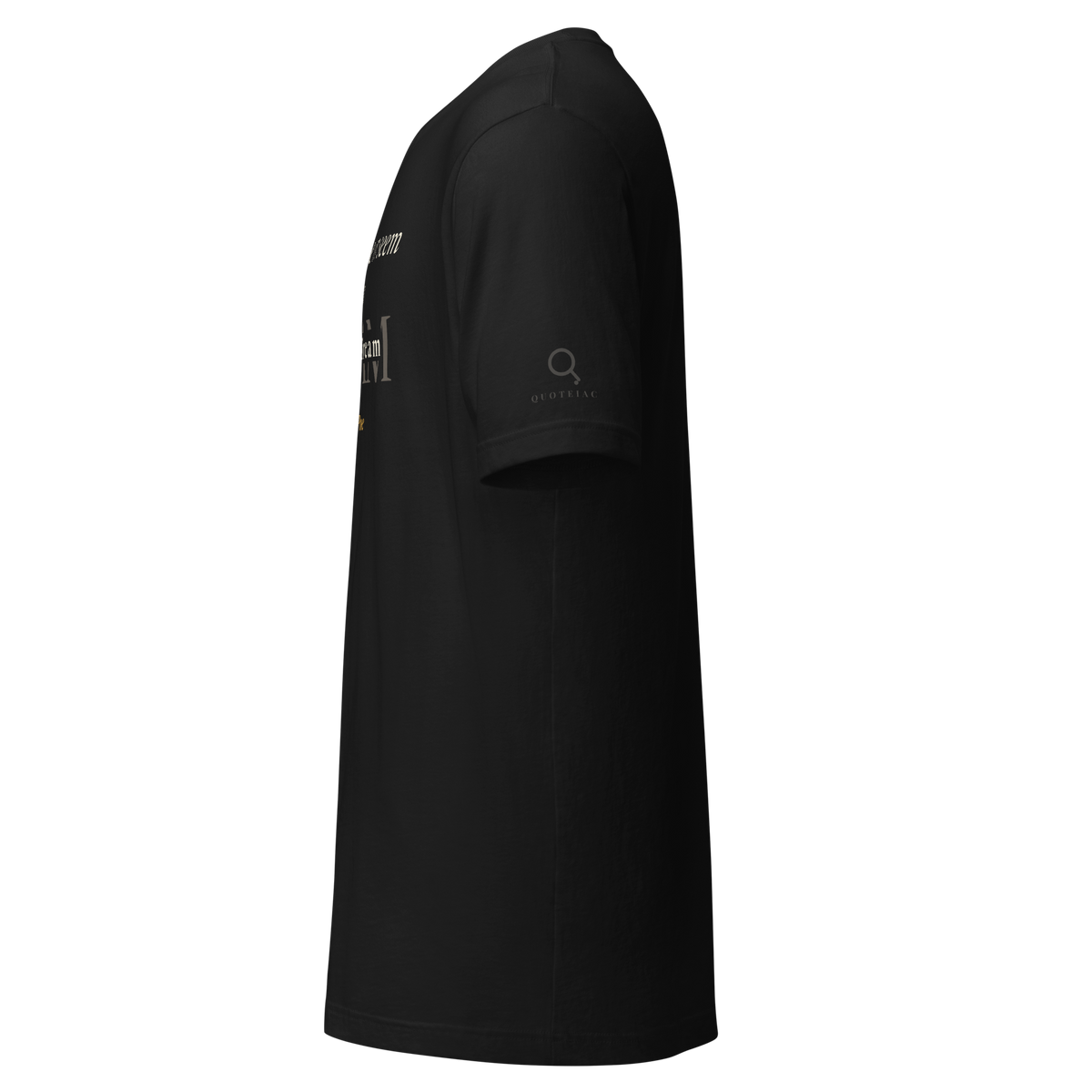
Each piece in this collection wears a quote that earns its place on your chest. Nothing decorative, nothing safe. These are lines about mortality, beauty, obsession, and the sublime — chosen because they still land, two hundred years later, like they were written for right now.
For readers of gothic fiction, lovers of Victorian and Romantic-era literature, fans of dark aesthetic fashion, and anyone who finds more truth in shadows than in easy answers. A thoughtful gift for the reader who keeps Poe on their nightstand and doesn't apologize for it.

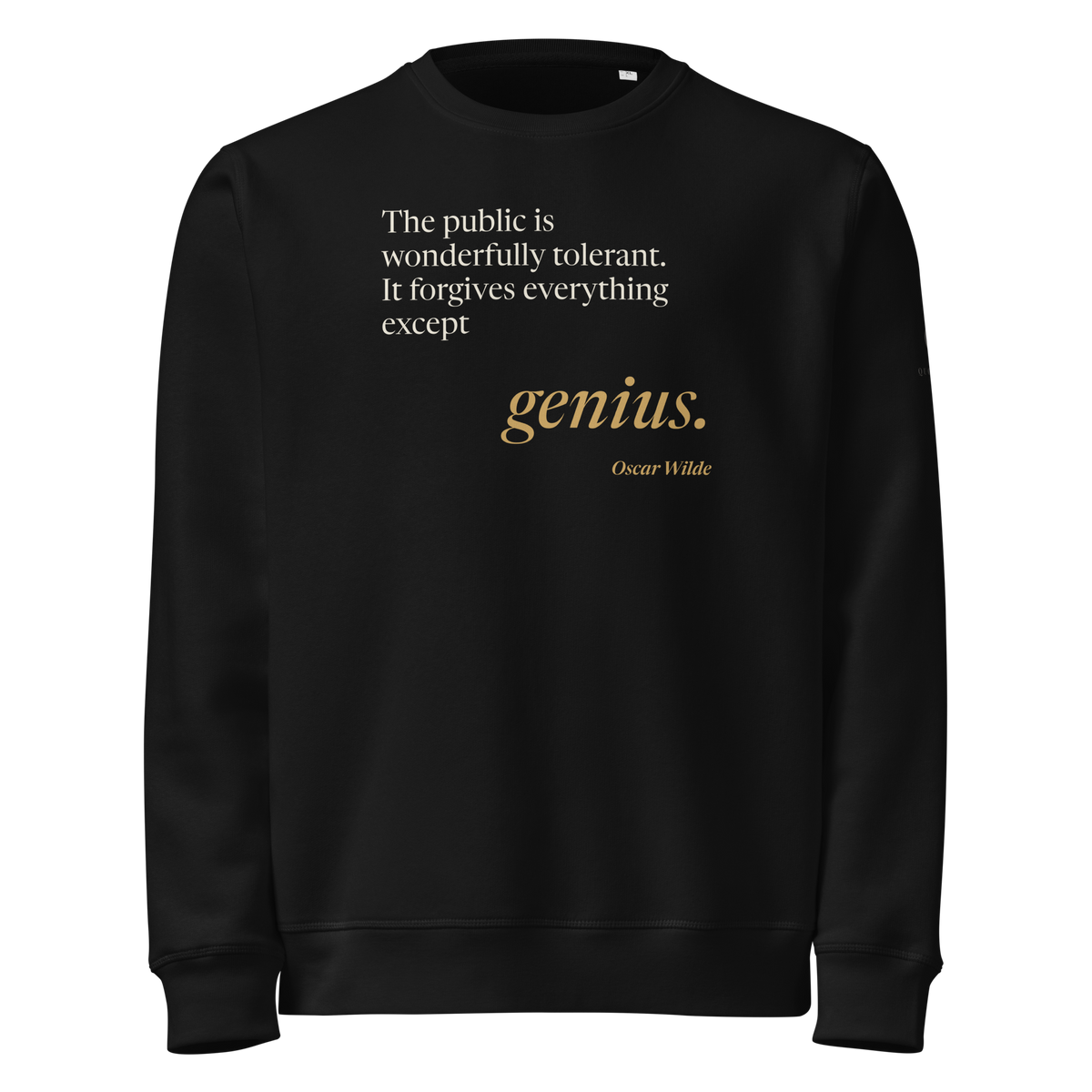
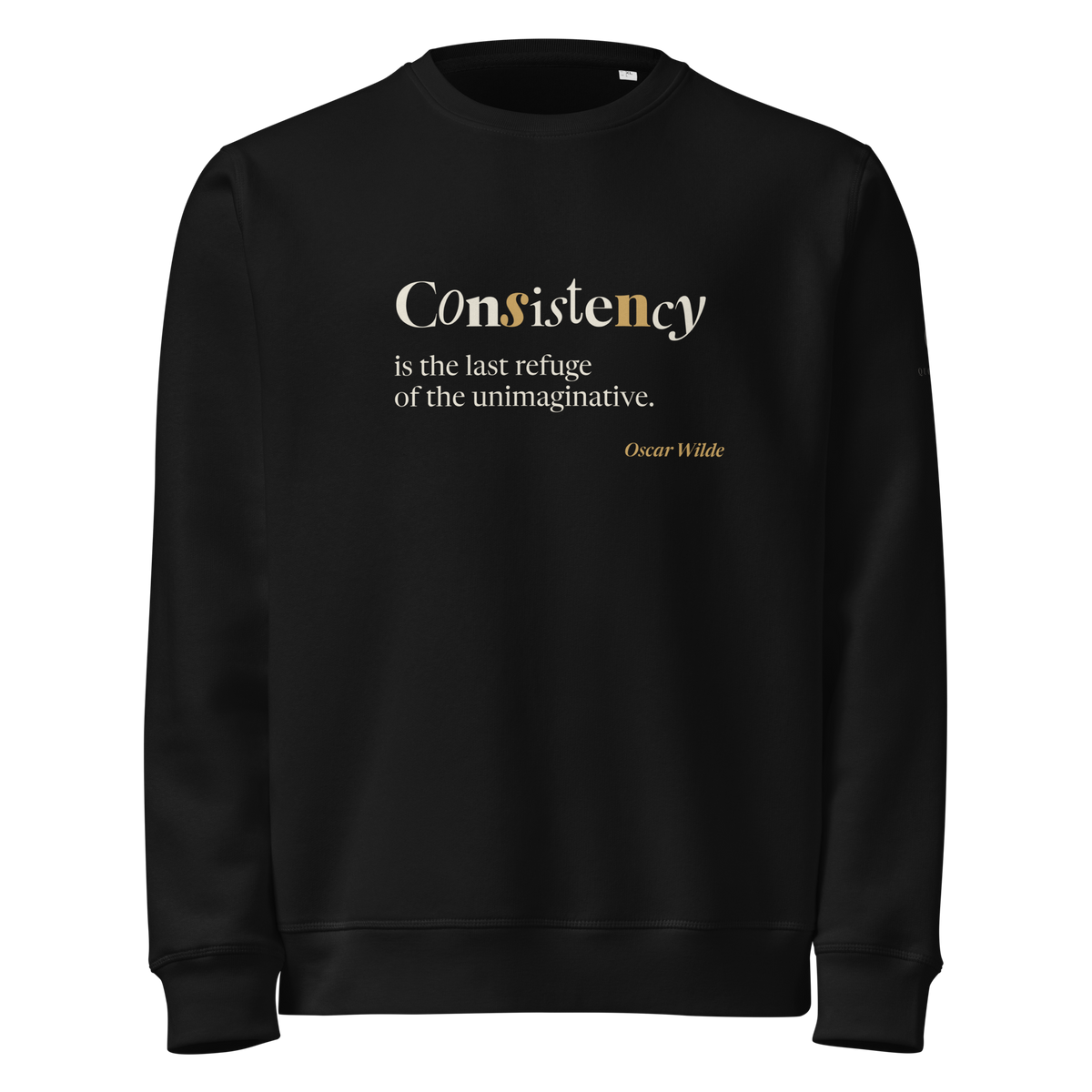




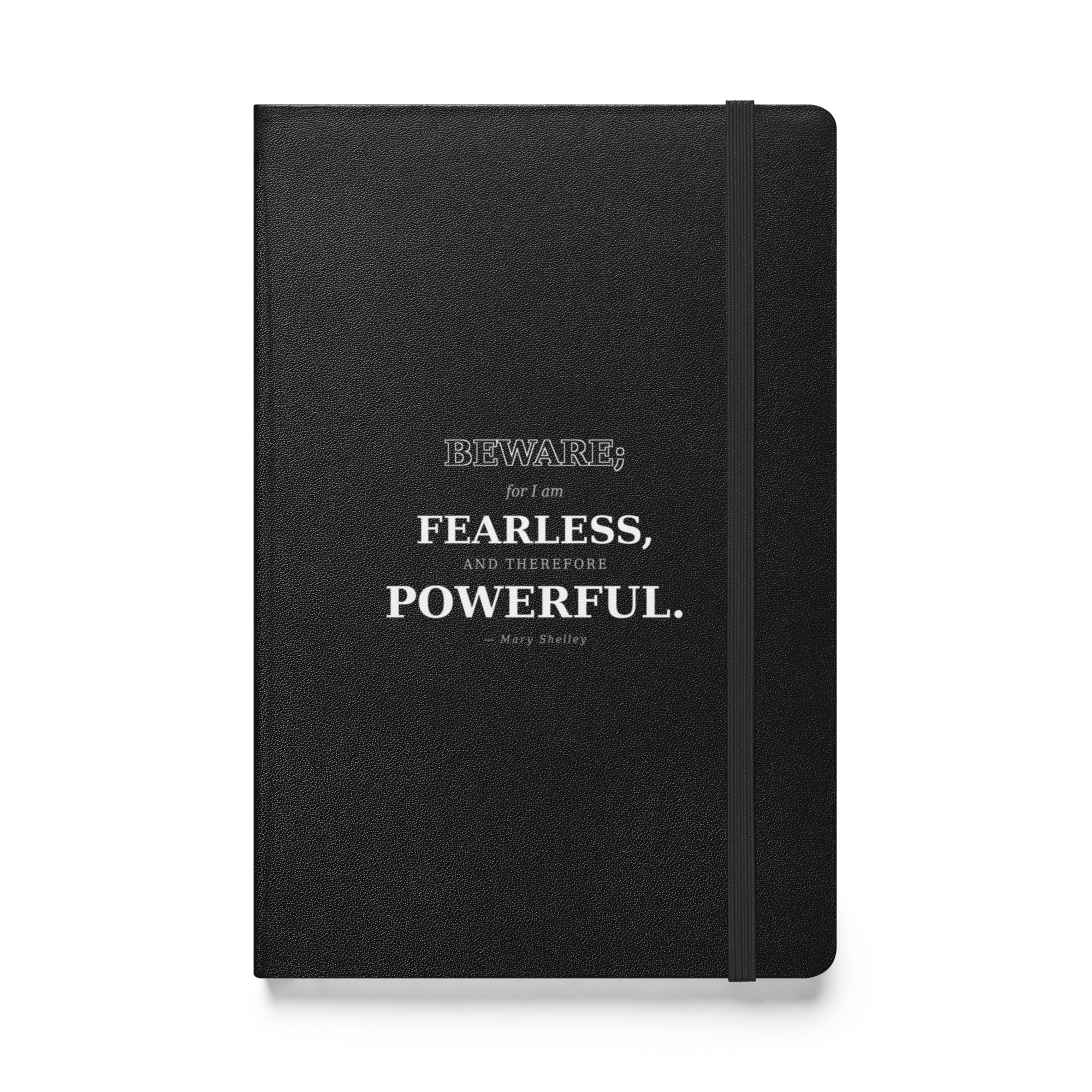

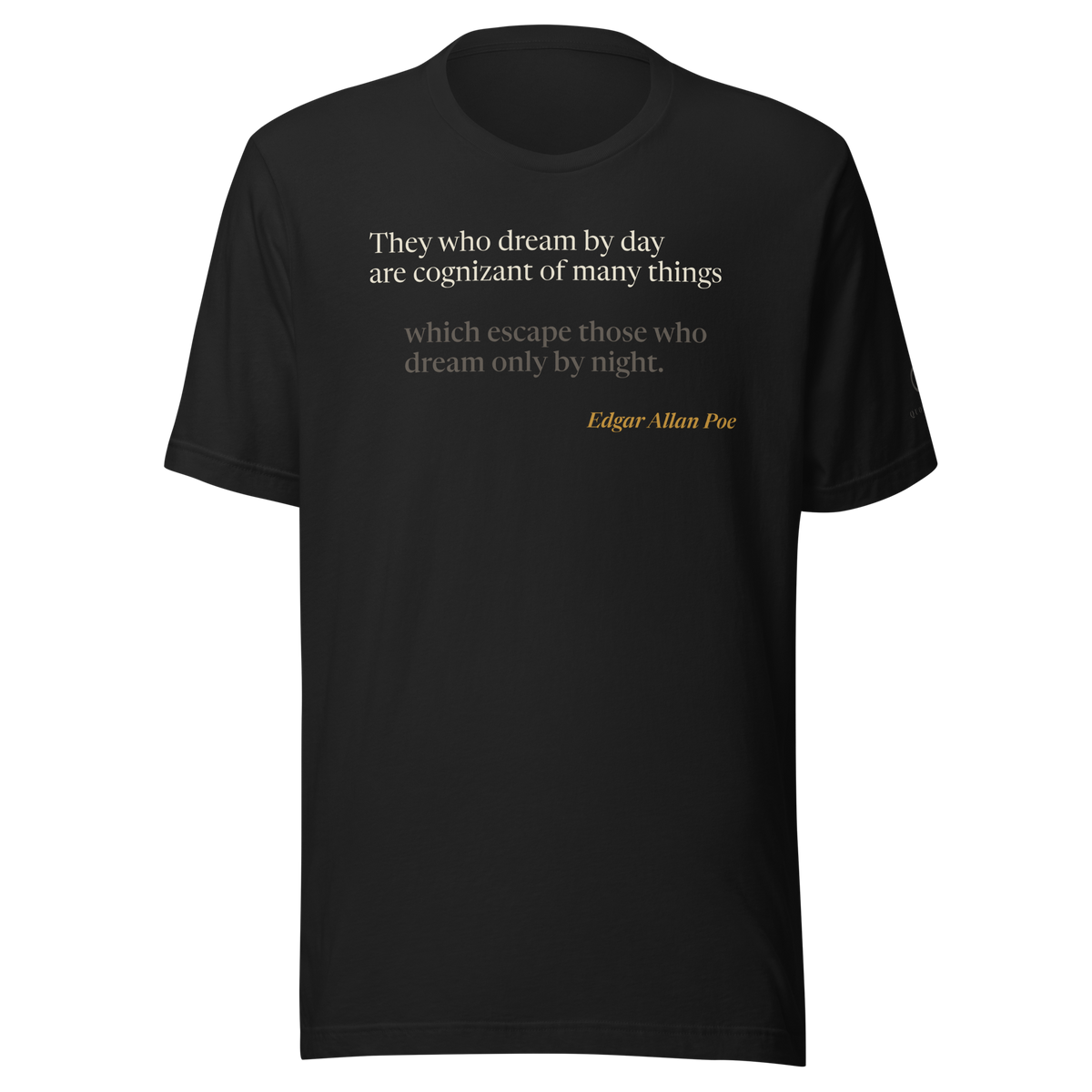

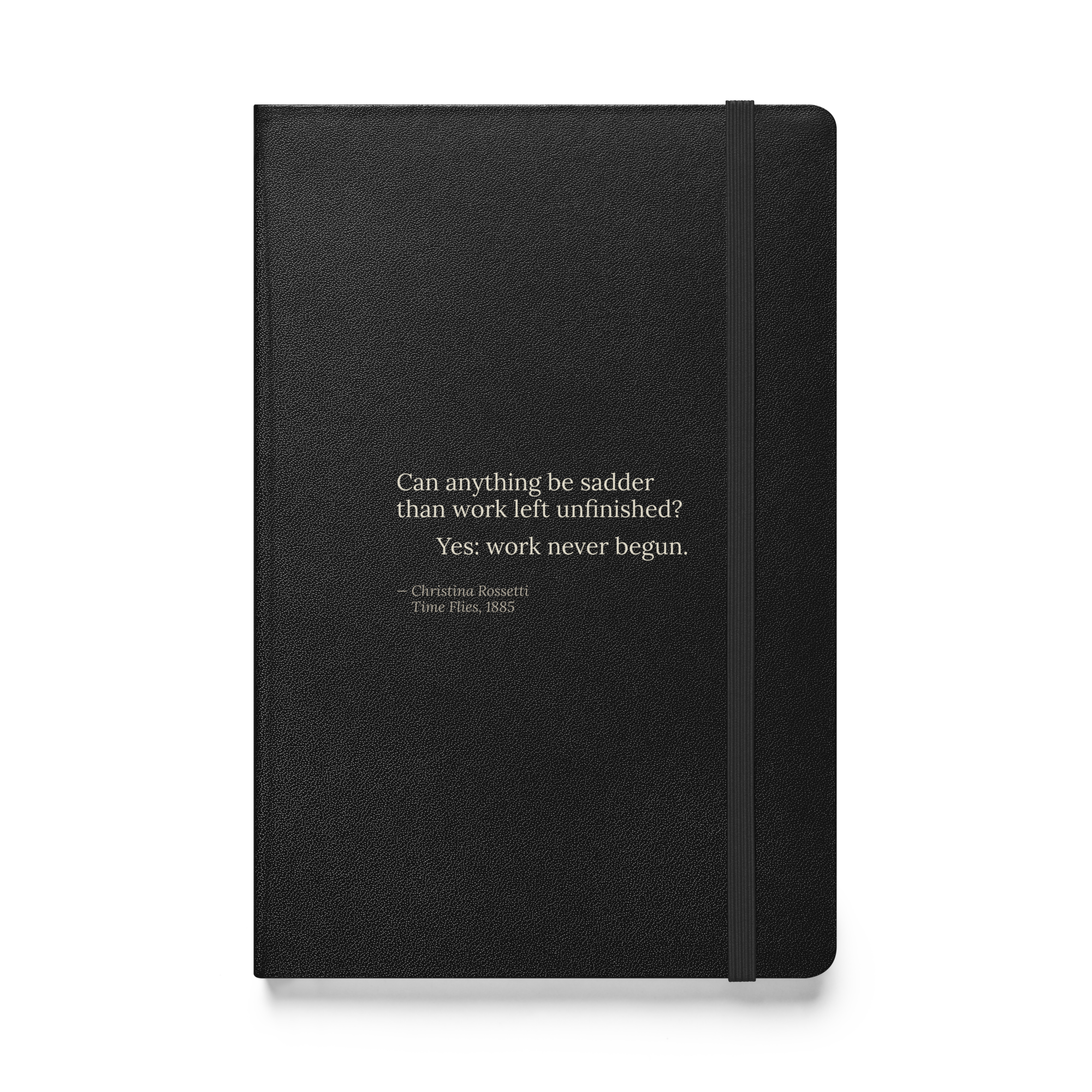

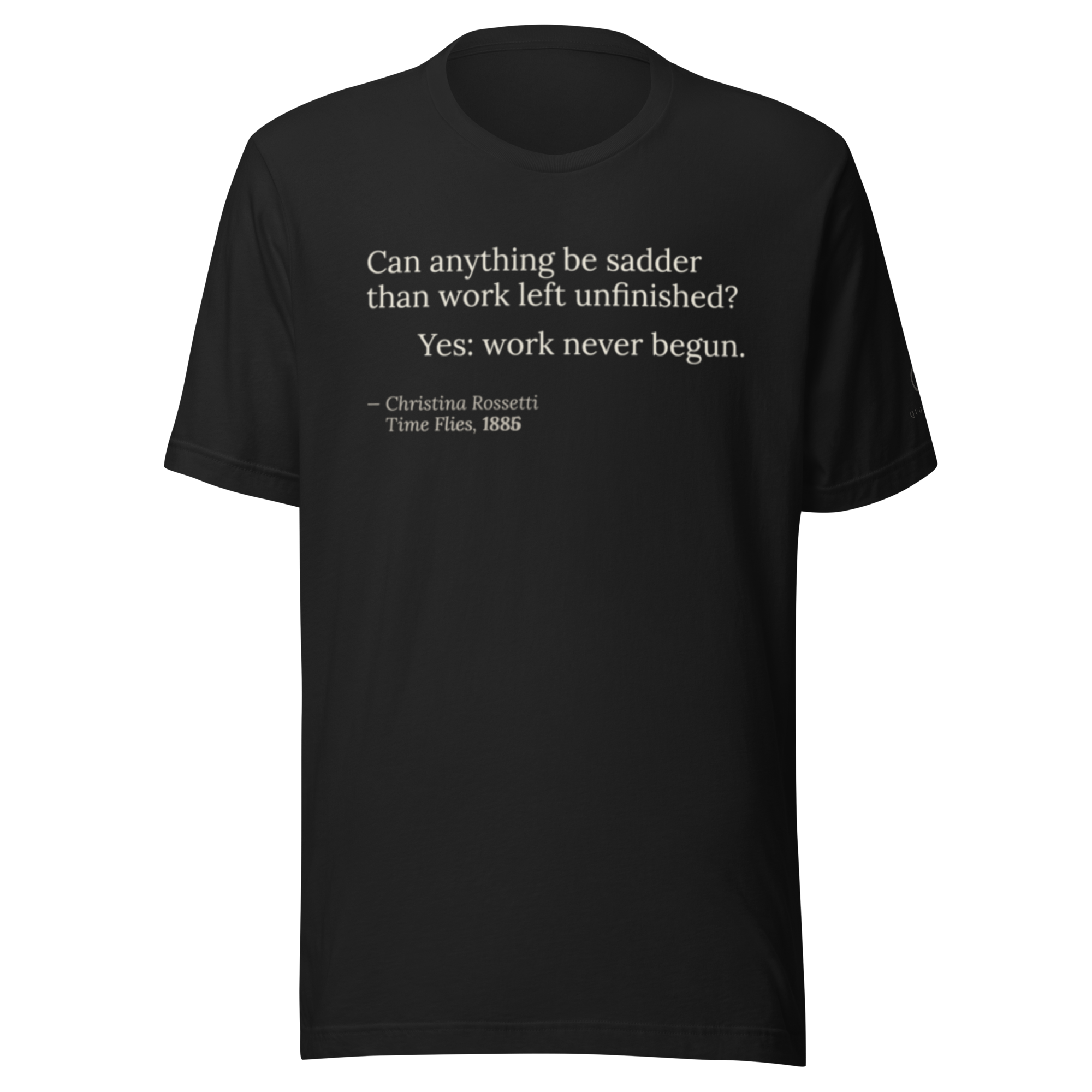

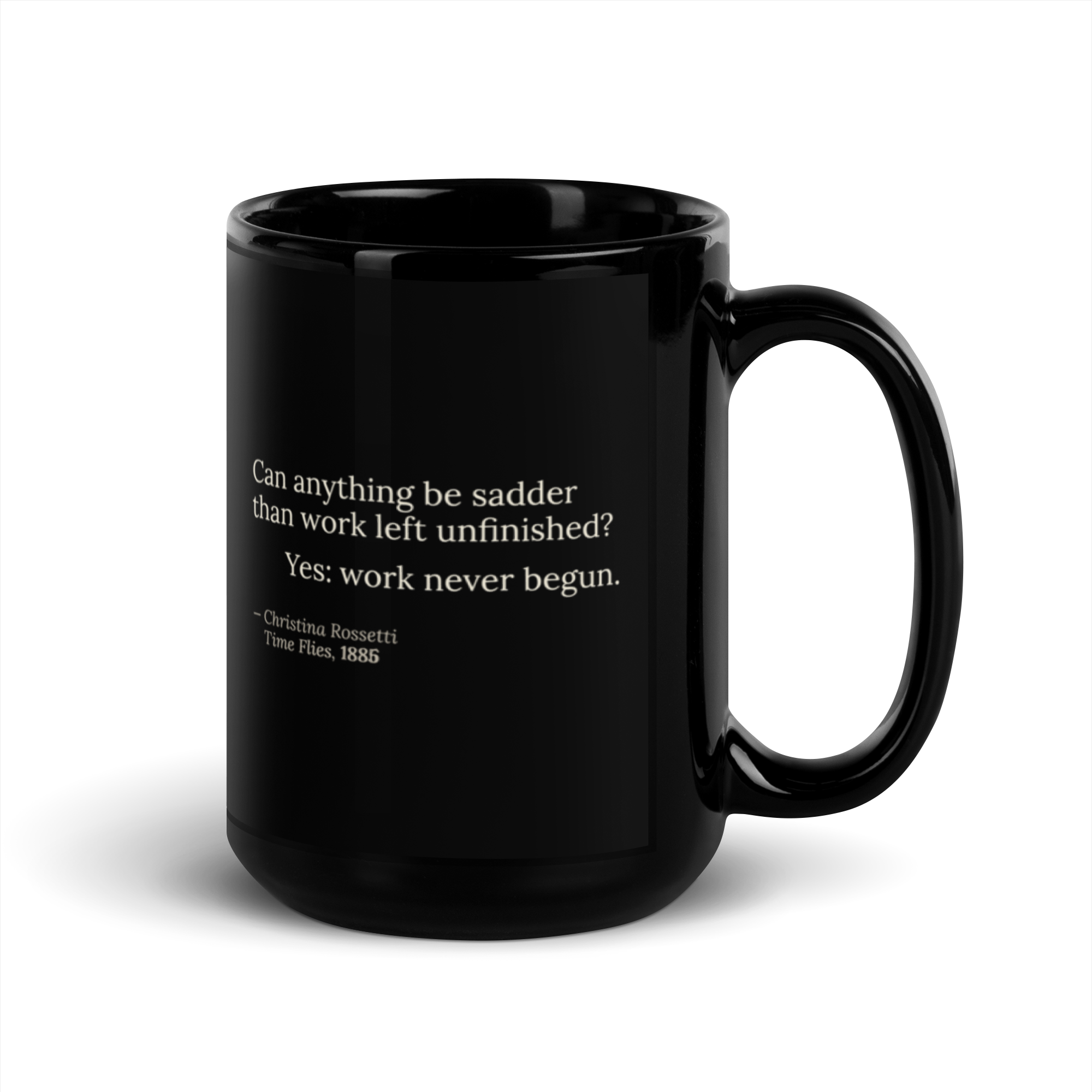
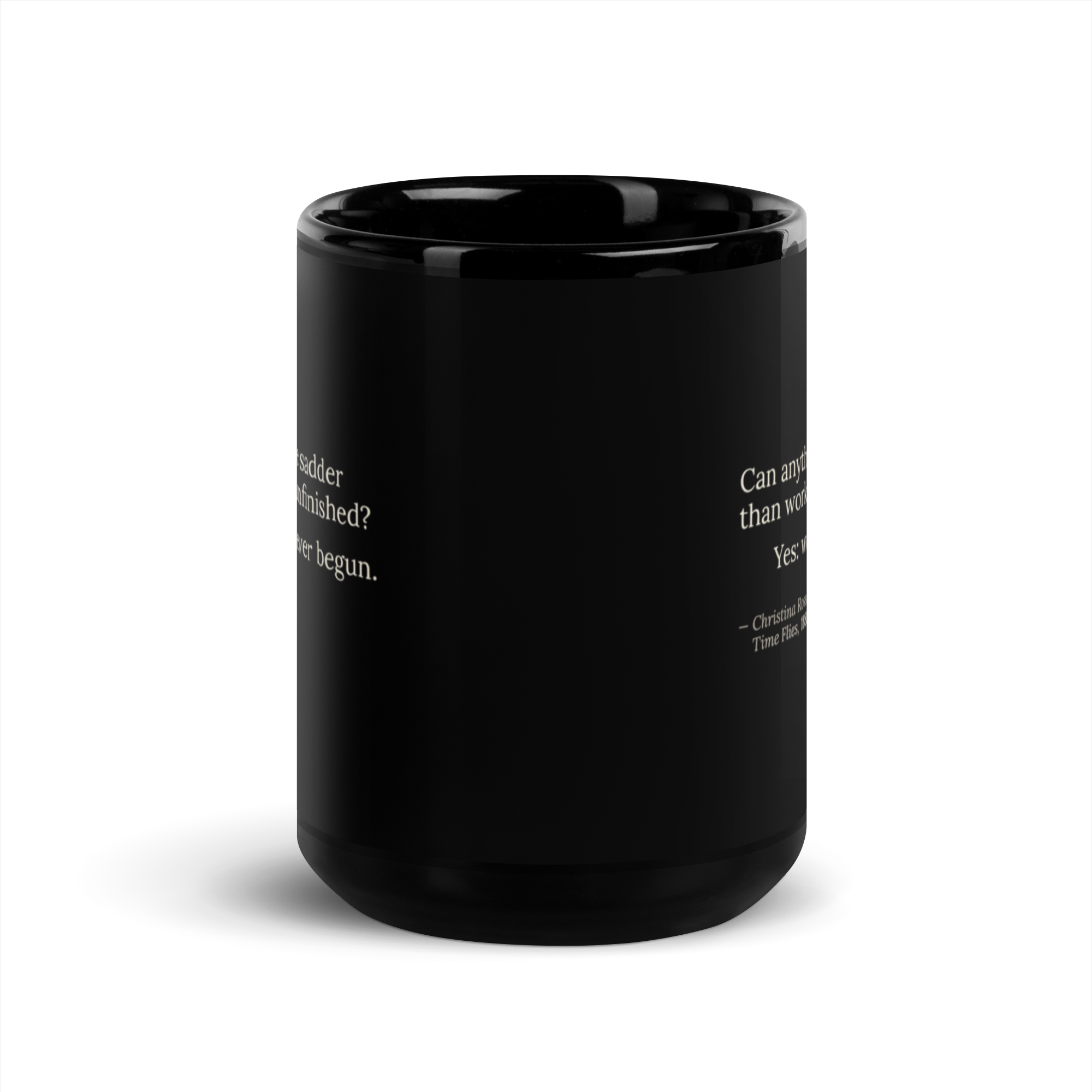
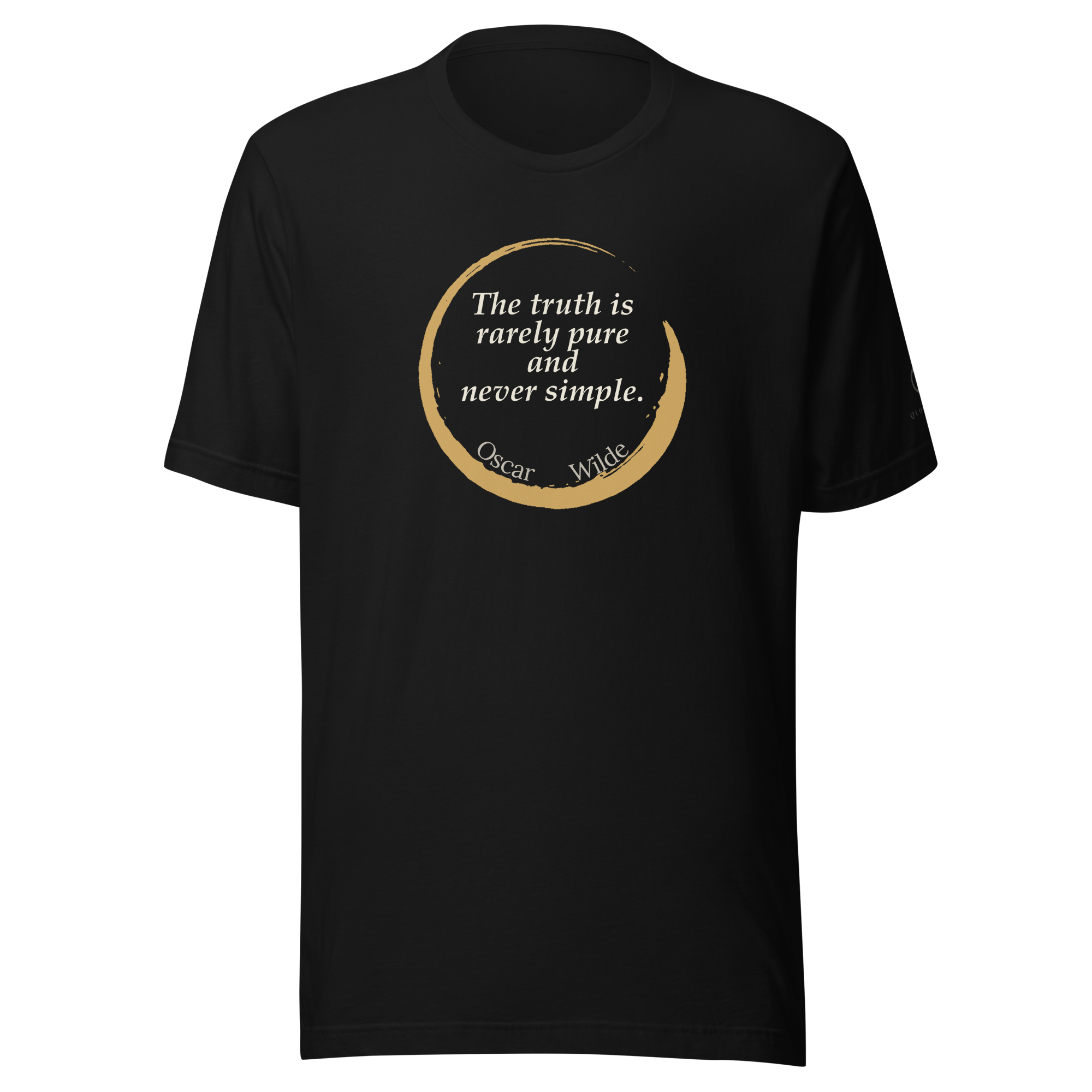






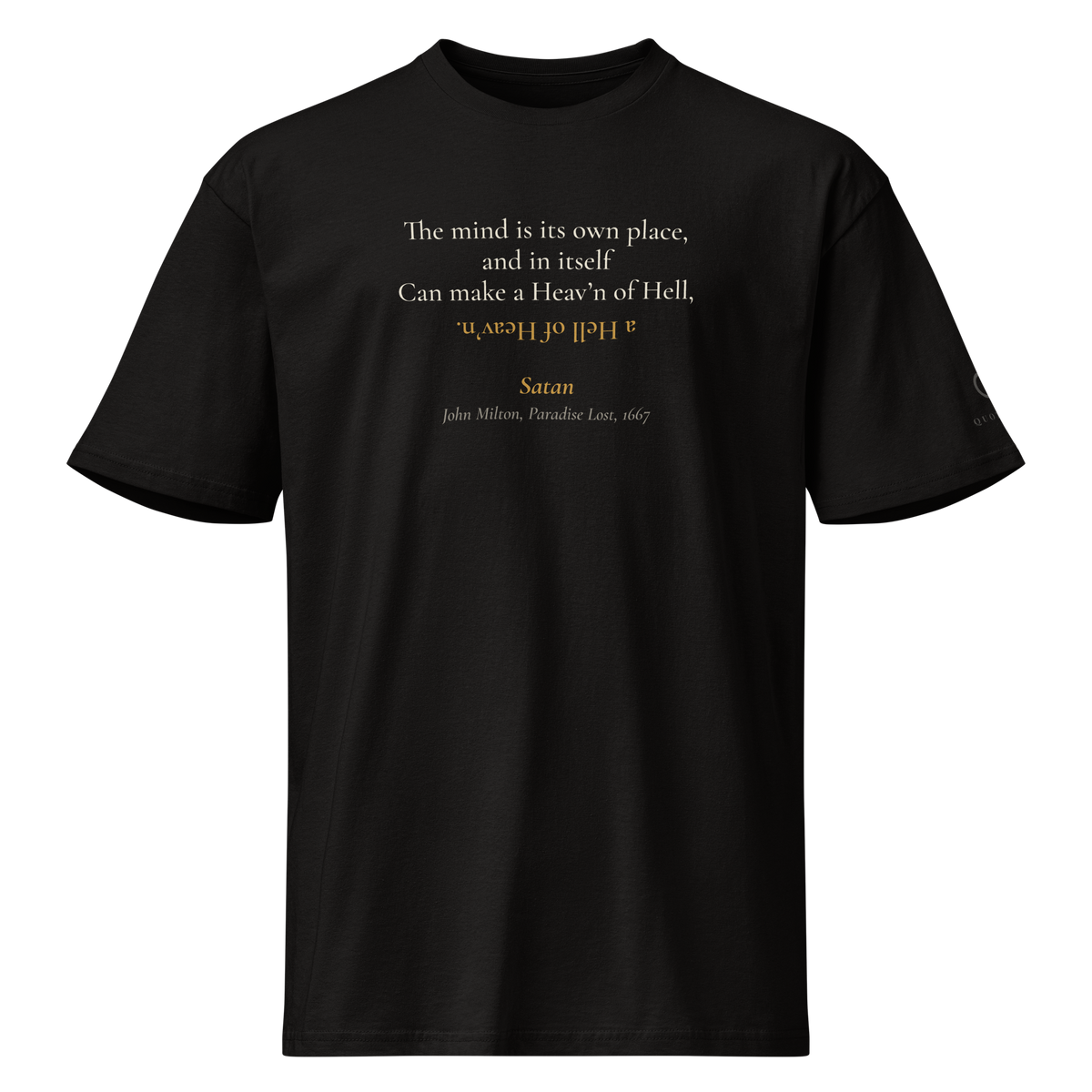

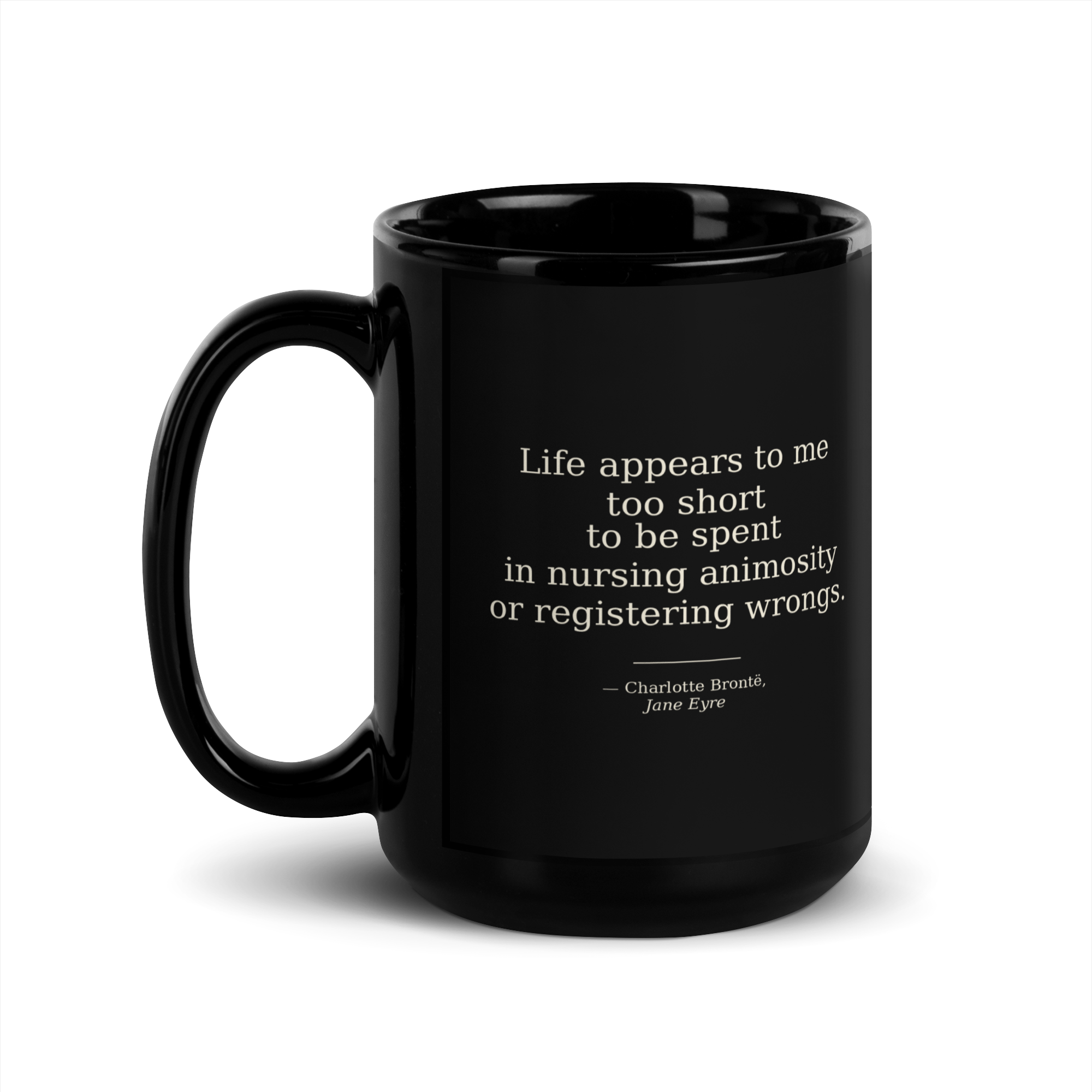
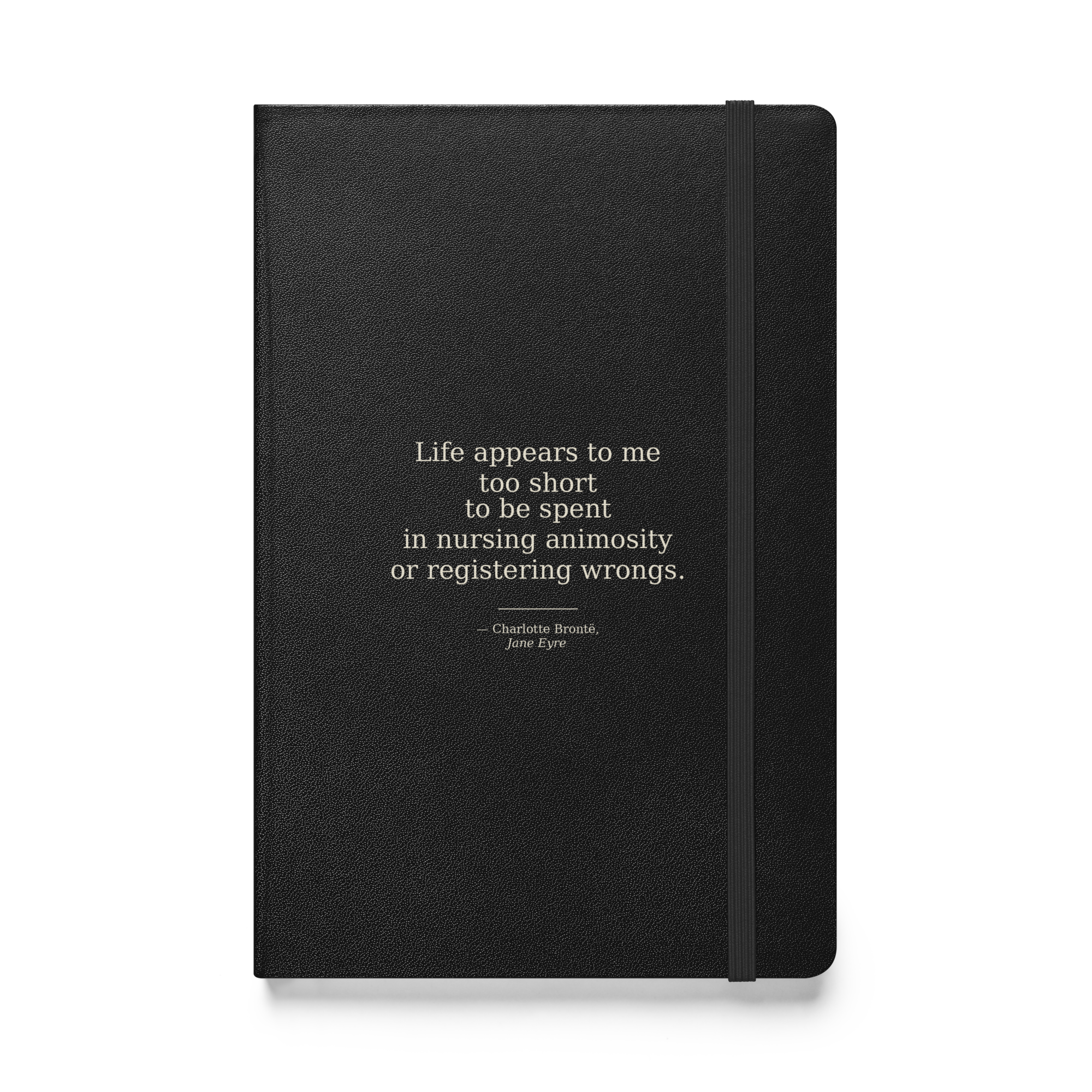


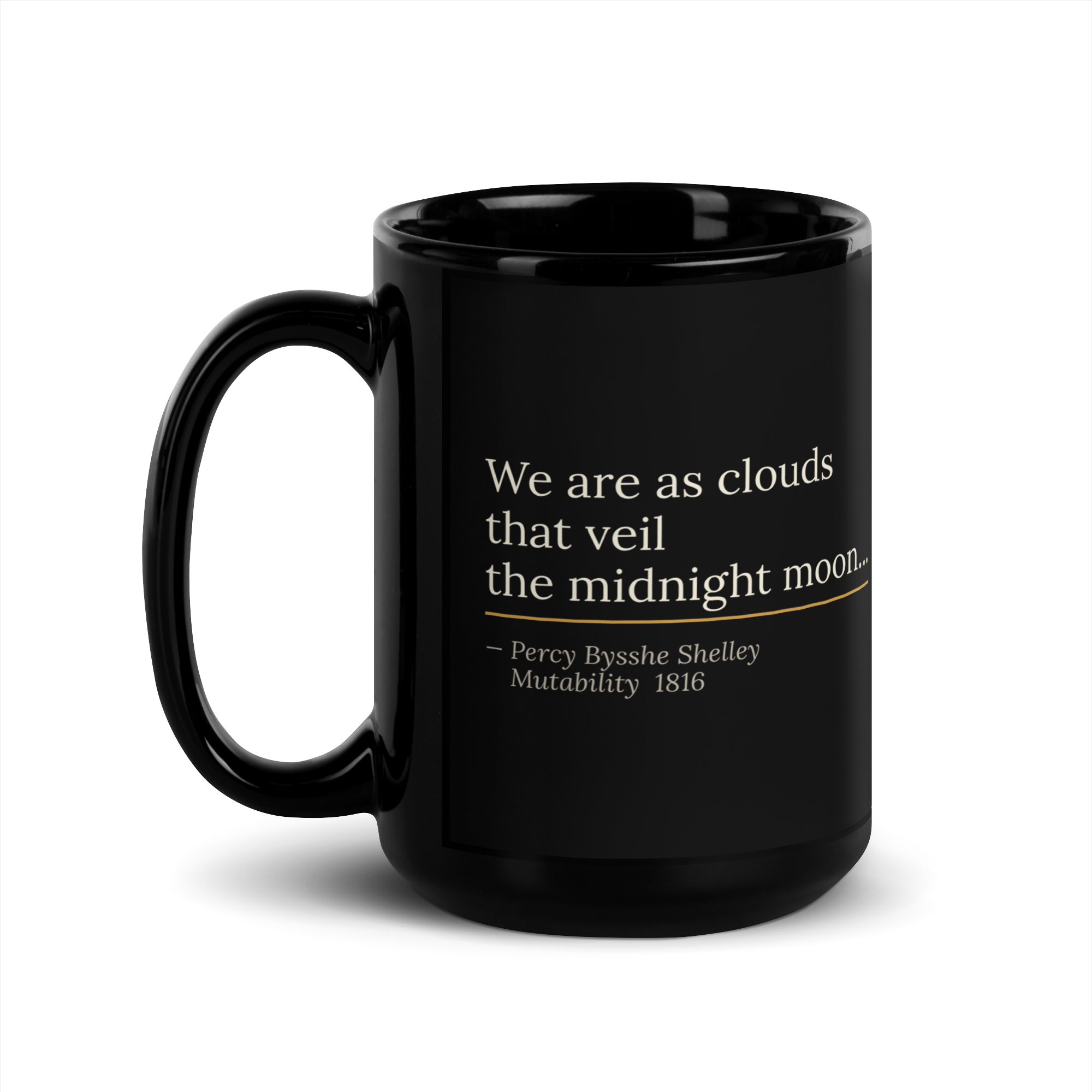
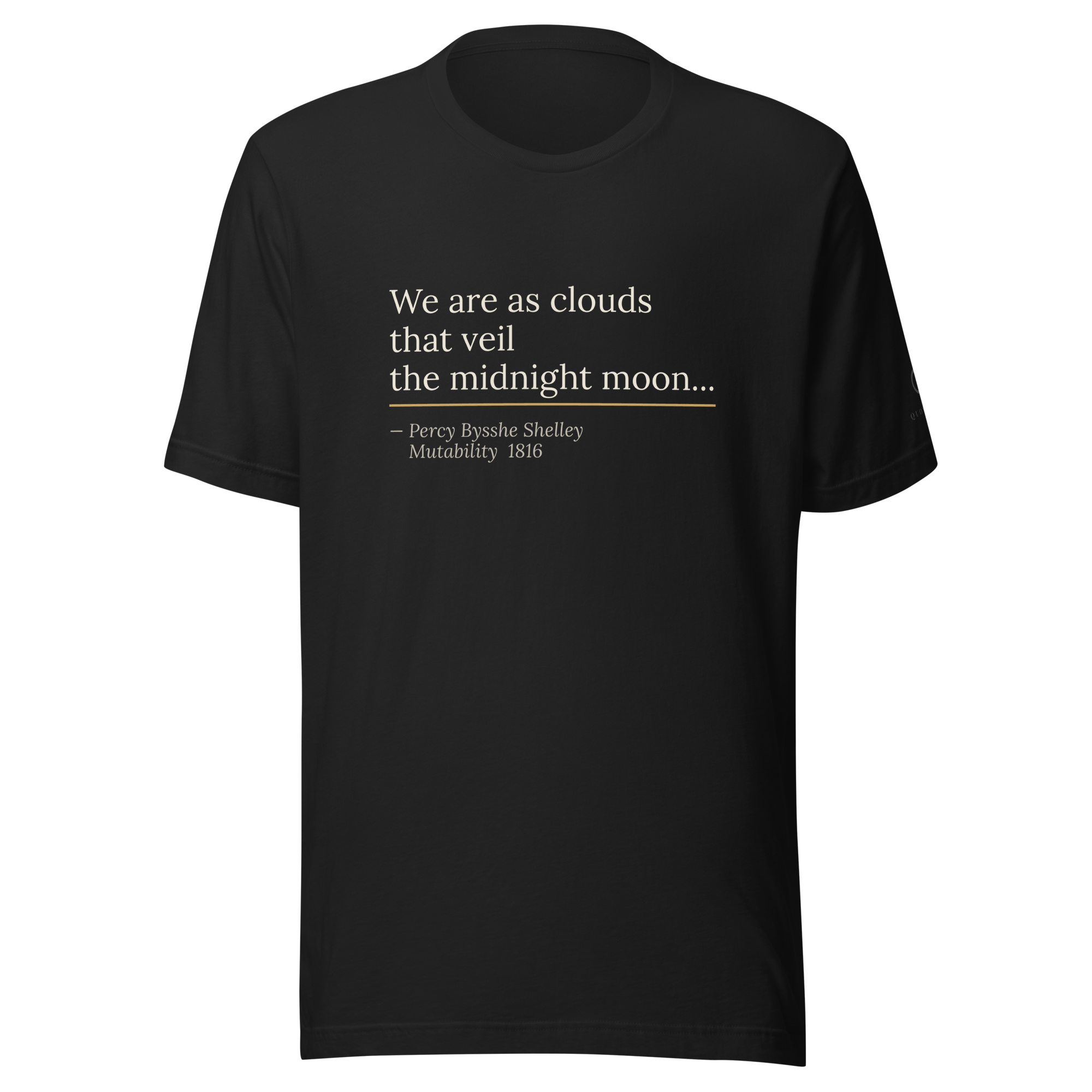
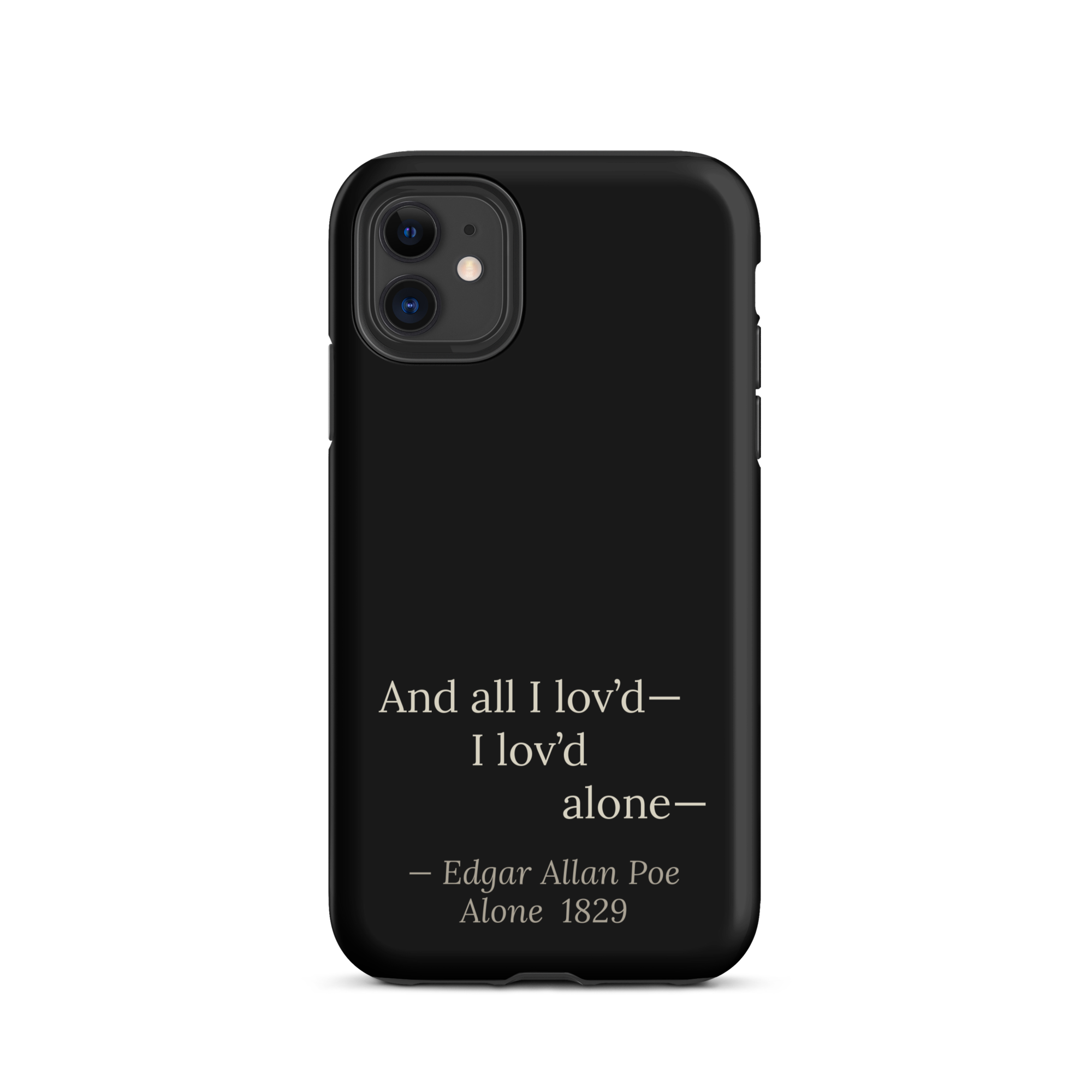
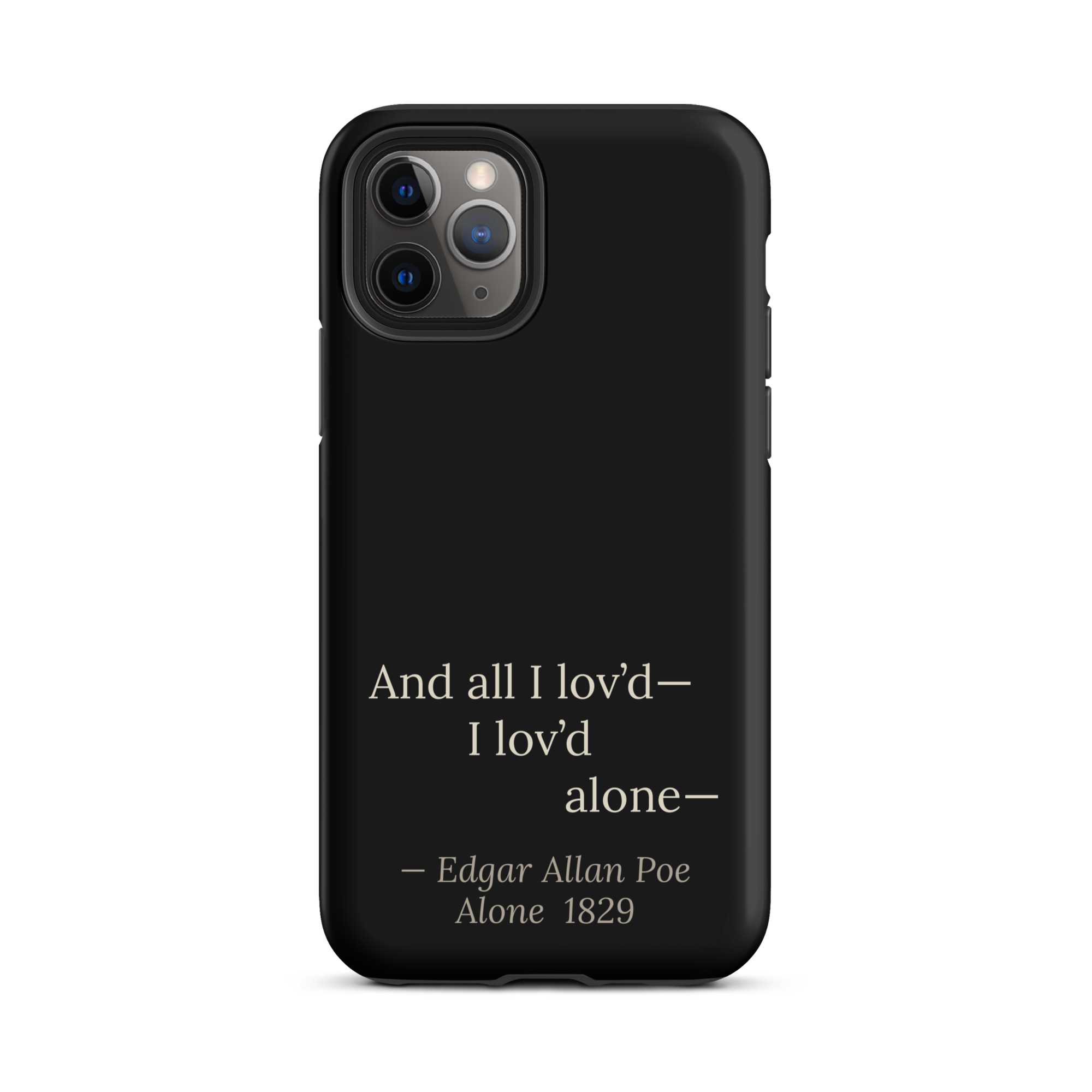
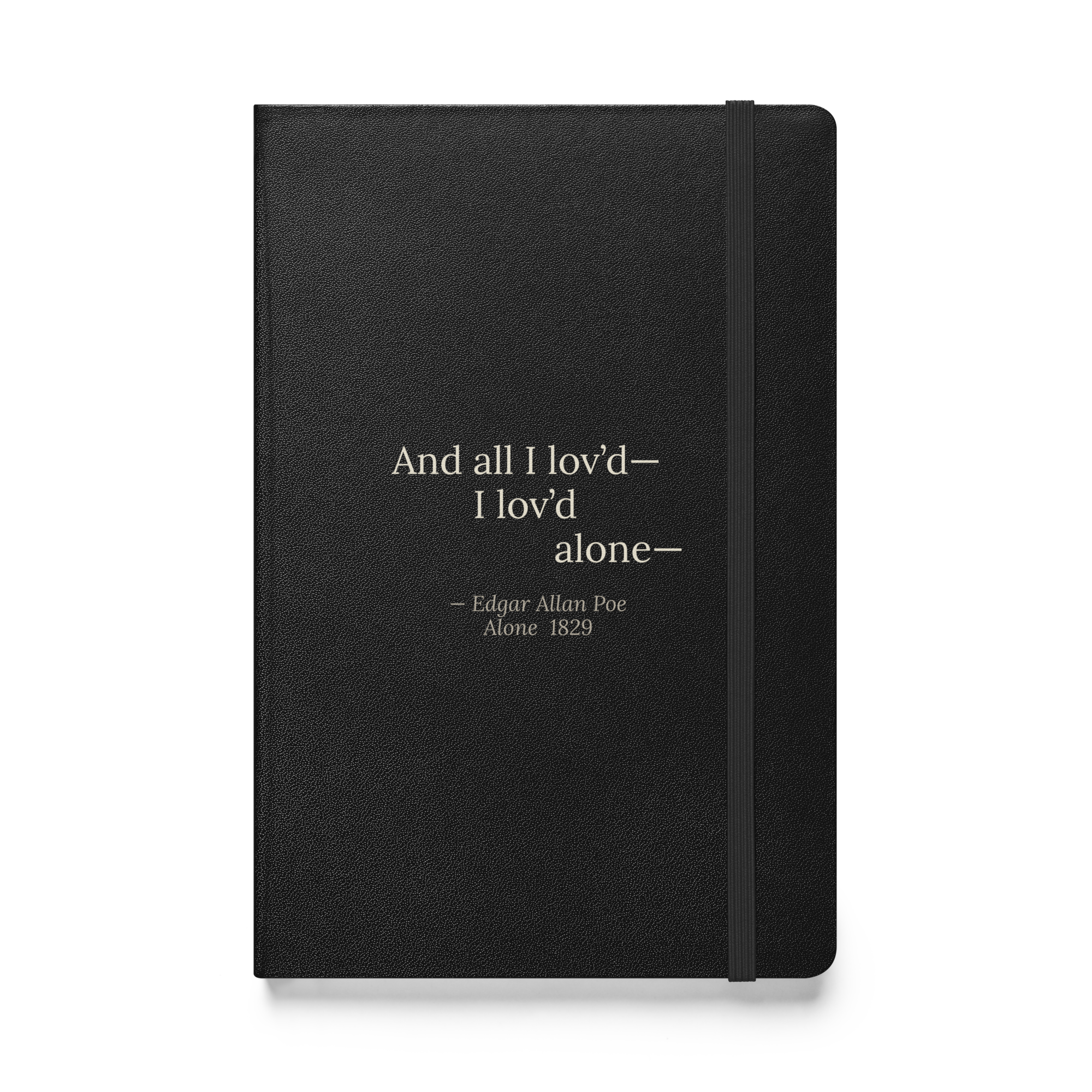

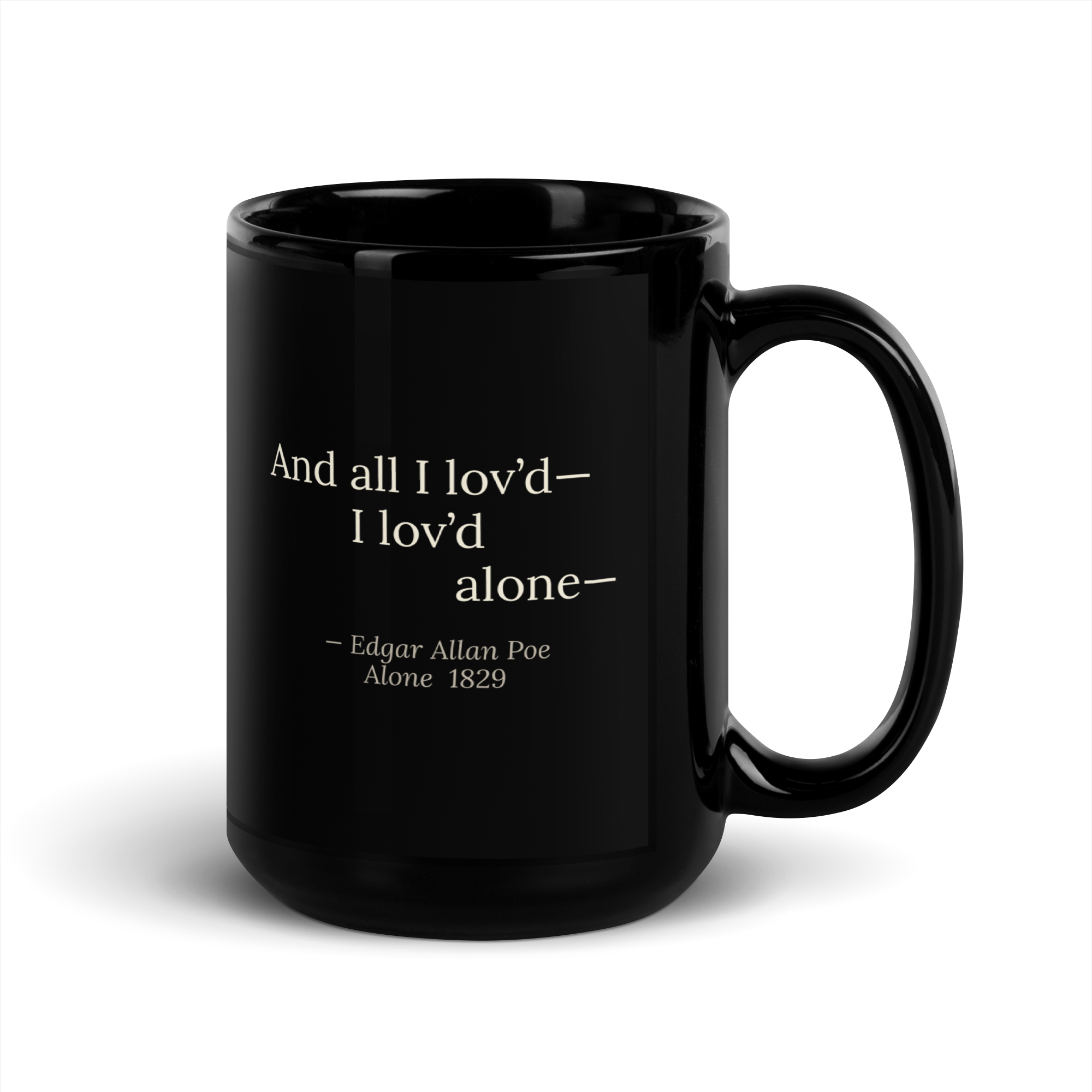

What is Dark Romanticism?
Dark Romanticism is a literary movement that emerged in the 19th century as a counterweight to Romanticism's optimism. Where Emerson saw nature as redemptive, Poe saw it as indifferent. Where the Romantics celebrated human potential, the Dark Romantics examined human weakness, guilt, and the pull of the irrational. Poe, Mary Shelley, Nathaniel Hawthorne, Percy Shelley — these writers found more truth in shadows than in sunlight, and their honesty is what makes them last.
Who are the writers in this collection?
Edgar Allan Poe, whose precision with language was as technical as it was gothic. Mary Shelley, who asked what it means to create life at nineteen and never stopped asking. Percy Bysshe Shelley, who burned through the world at speed and left work that outlasted every institution that tried to silence him. Charlotte Brontë, who published under a man's name because the world wouldn't have taken her seriously otherwise. The world took her seriously anyway.
Who is the Dark Romanticism collection for?
For readers who keep Poe on the nightstand and don't apologize for it. For the person who finds more truth in a ghost story than a self-help book. For anyone who understands that the most honest literature has always lived at the edge of what's comfortable to say.