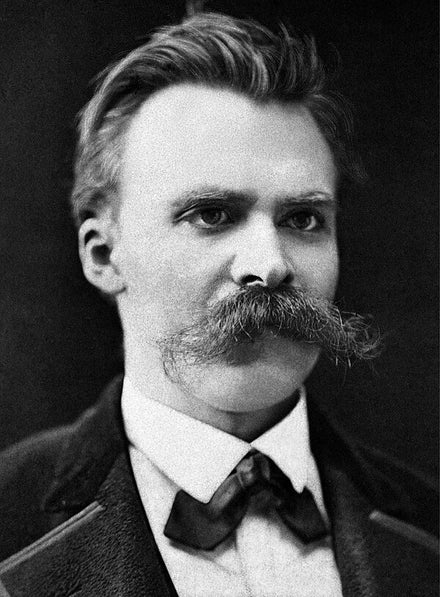
Friedrich Nietzsche. Photograph, 1882.
Friedrich Nietzsche
Friedrich Nietzsche wrote in compressed detonations — aphorisms designed to shift your thinking on contact, not argue you into agreement. His work is not comfort. It is a demand.
Words We Carry
Every quote here is traced to a documented source. How we verify →
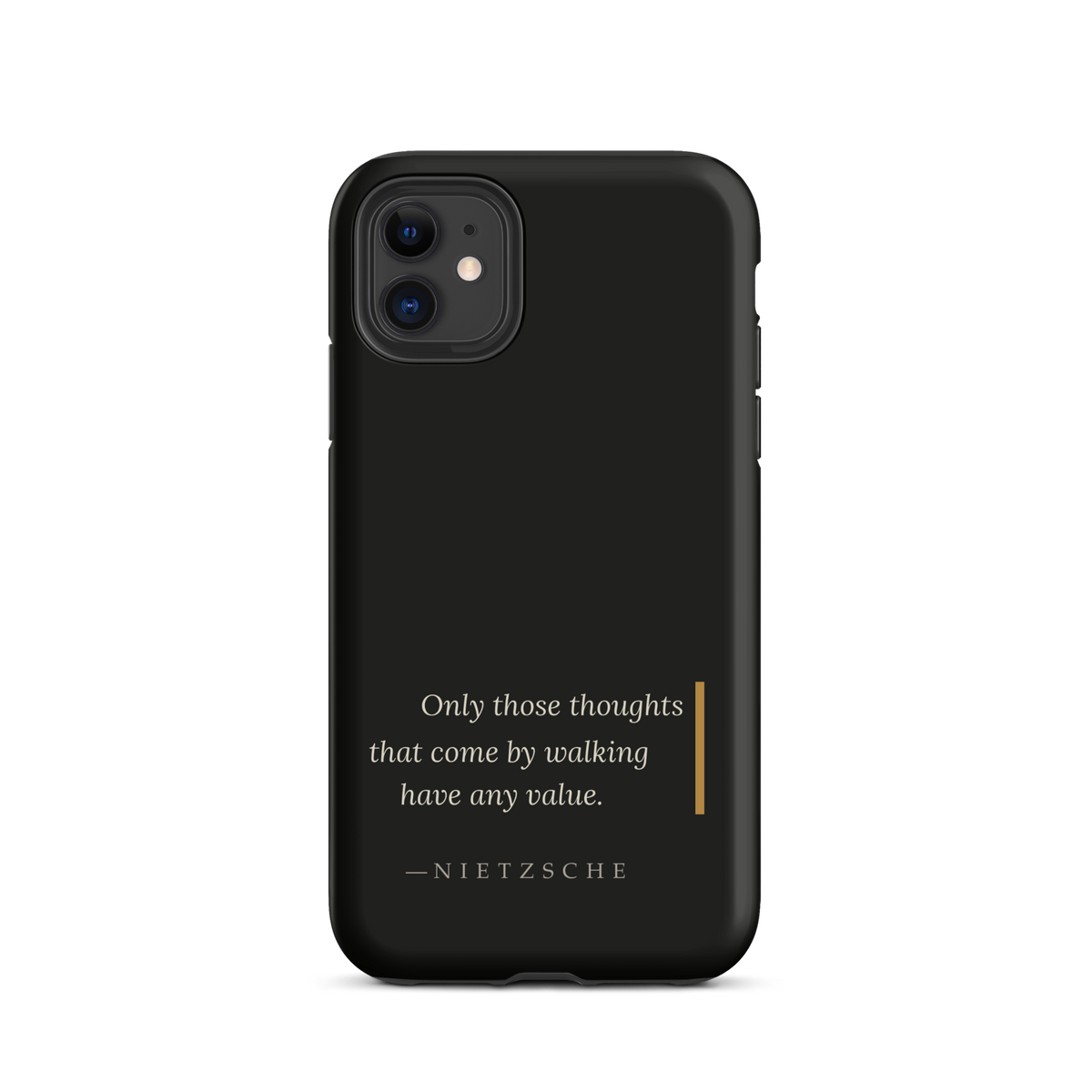
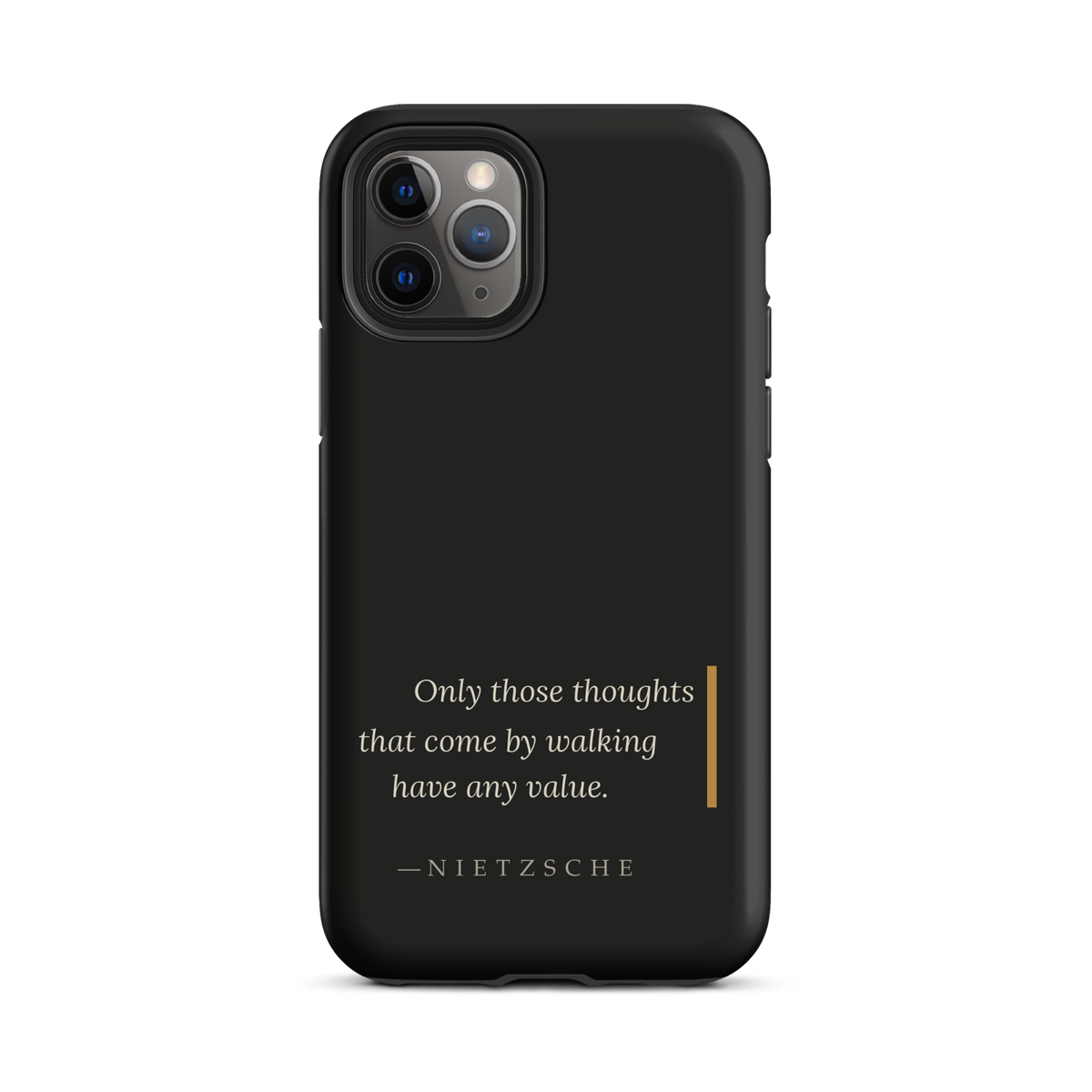
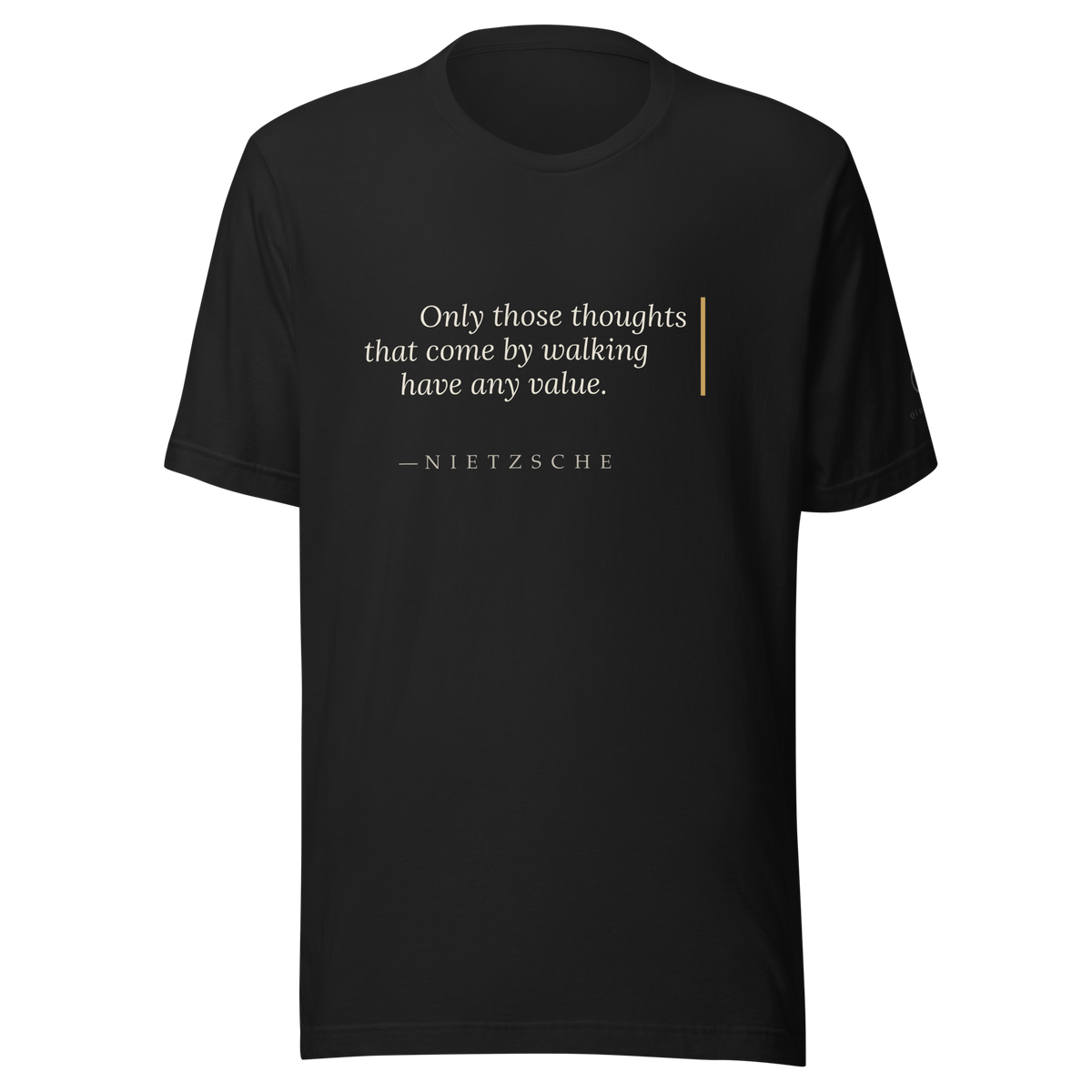
“Only those thoughts that come by walking have any value.”
Twilight of the Idols (written 1888), “Maxims and Missiles” §34 — tr. Anthony Ludovici, 1911
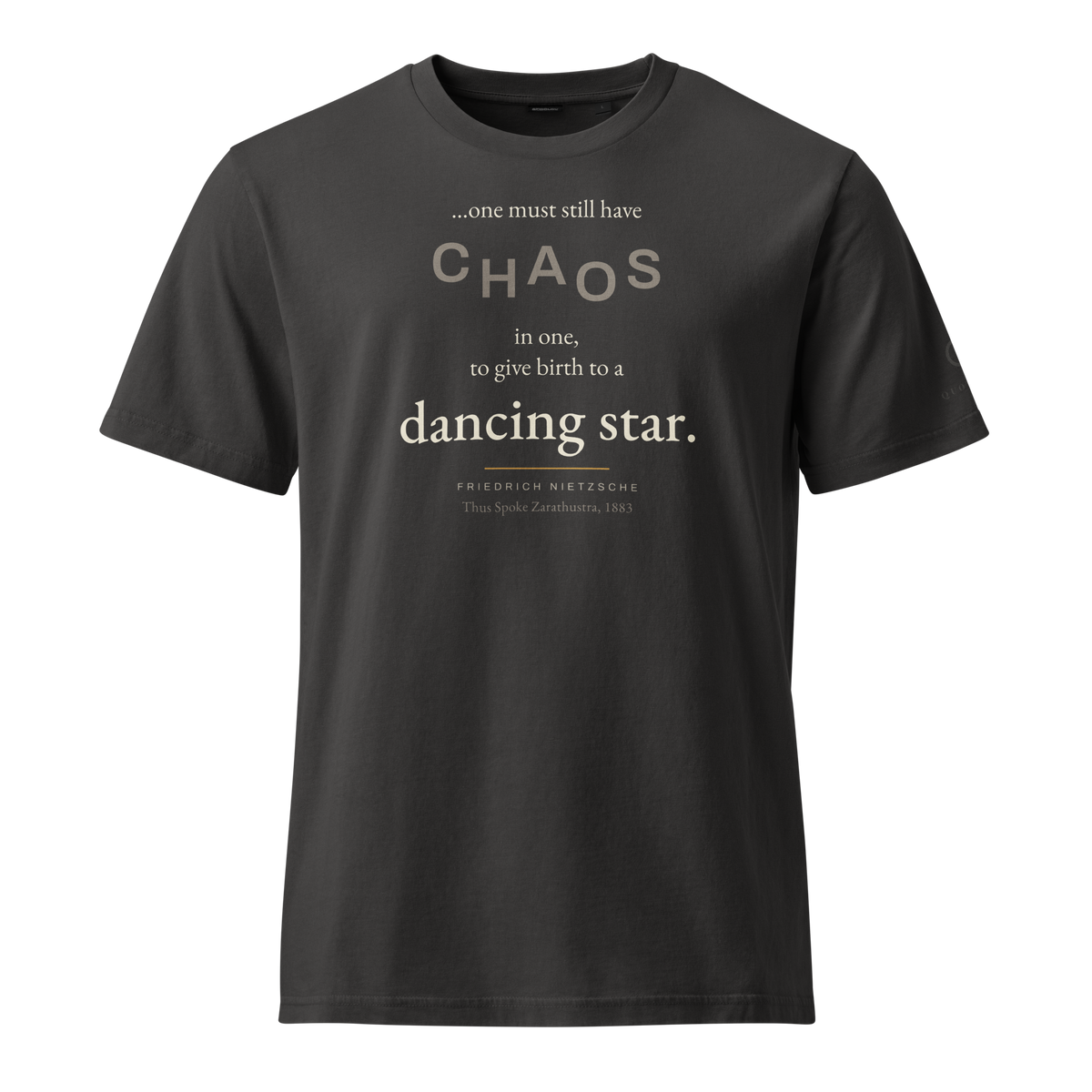
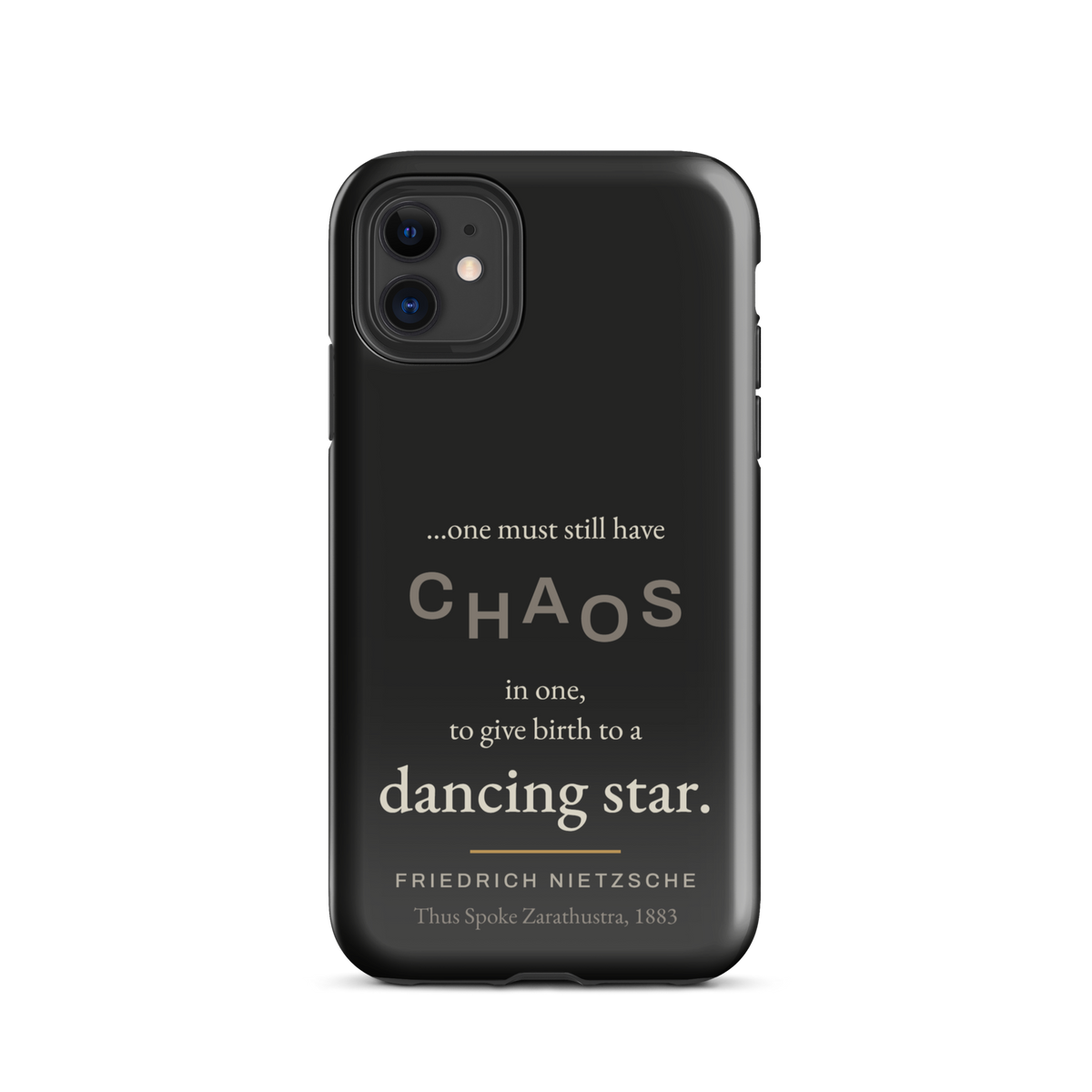
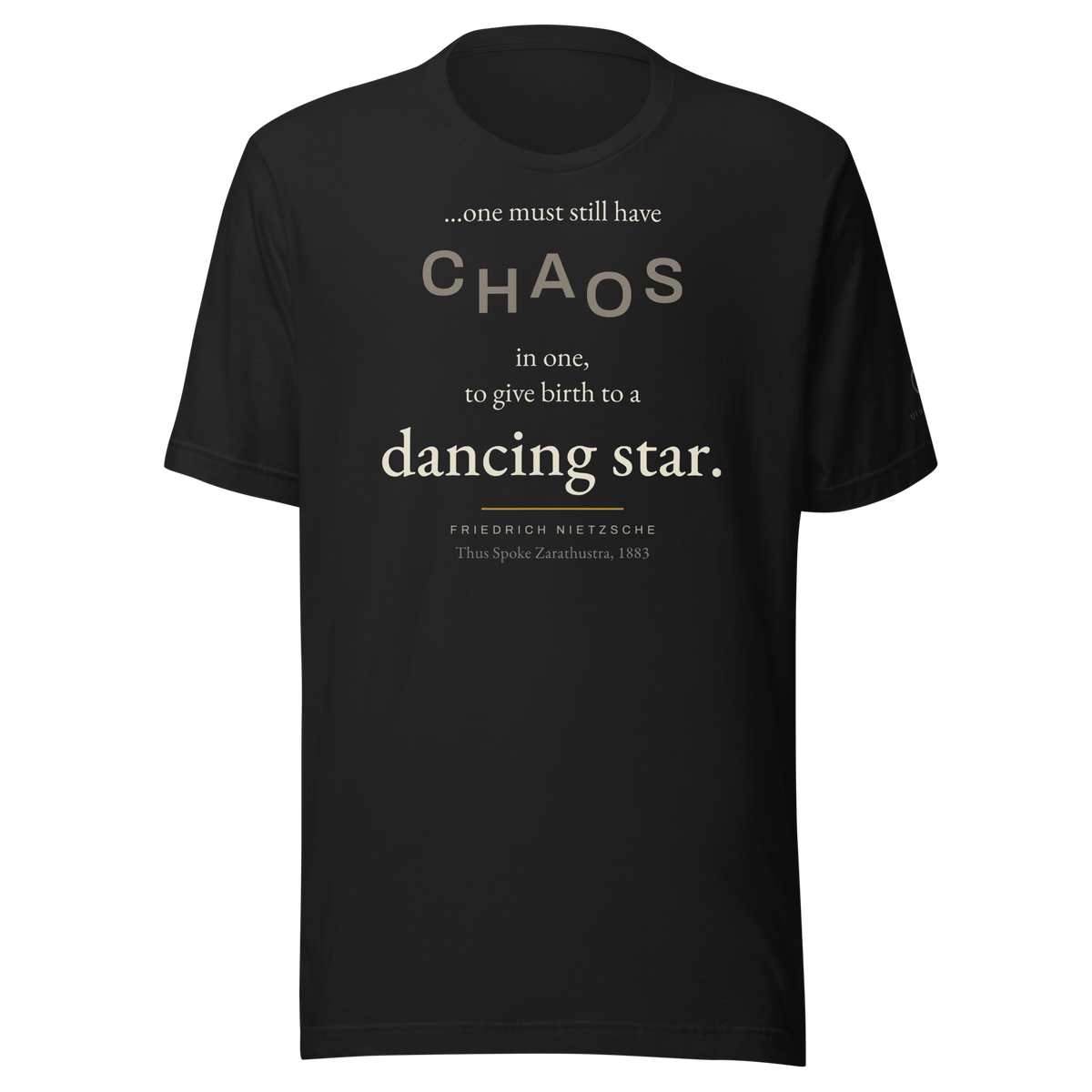
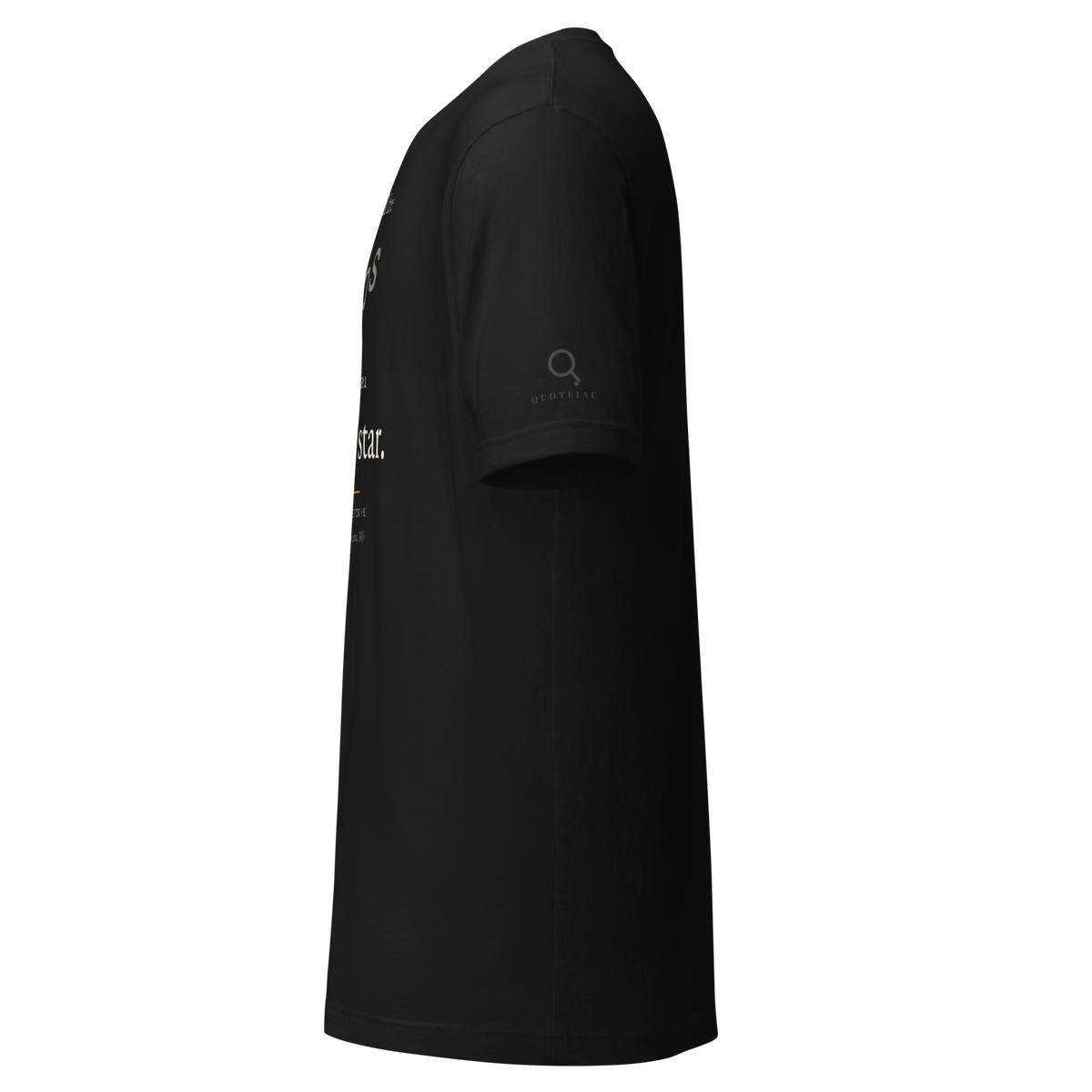
“One must still have chaos in one to give birth to a dancing star.”
Thus Spoke Zarathustra (1883), Prologue §5 — tr. Thomas Common, 1909
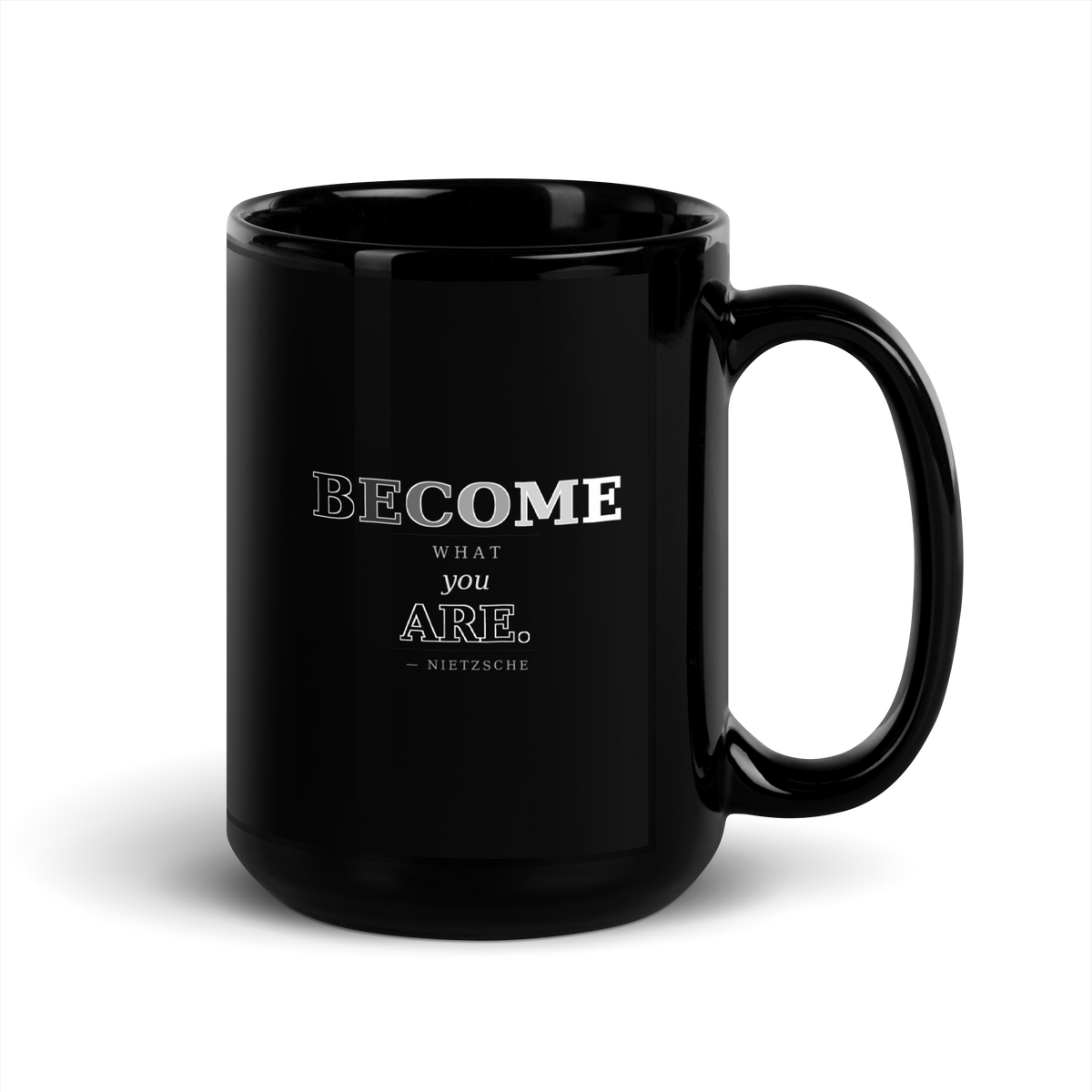
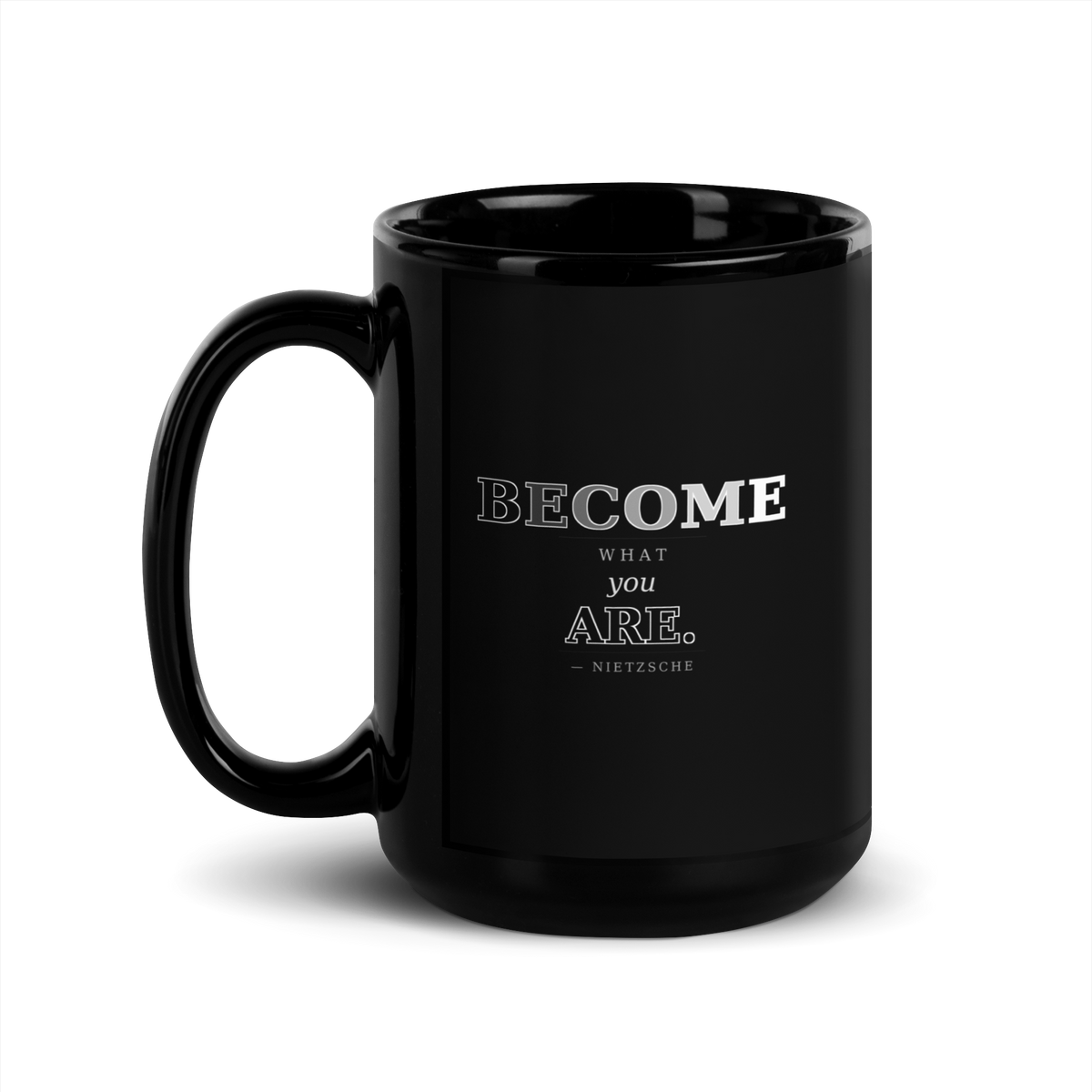
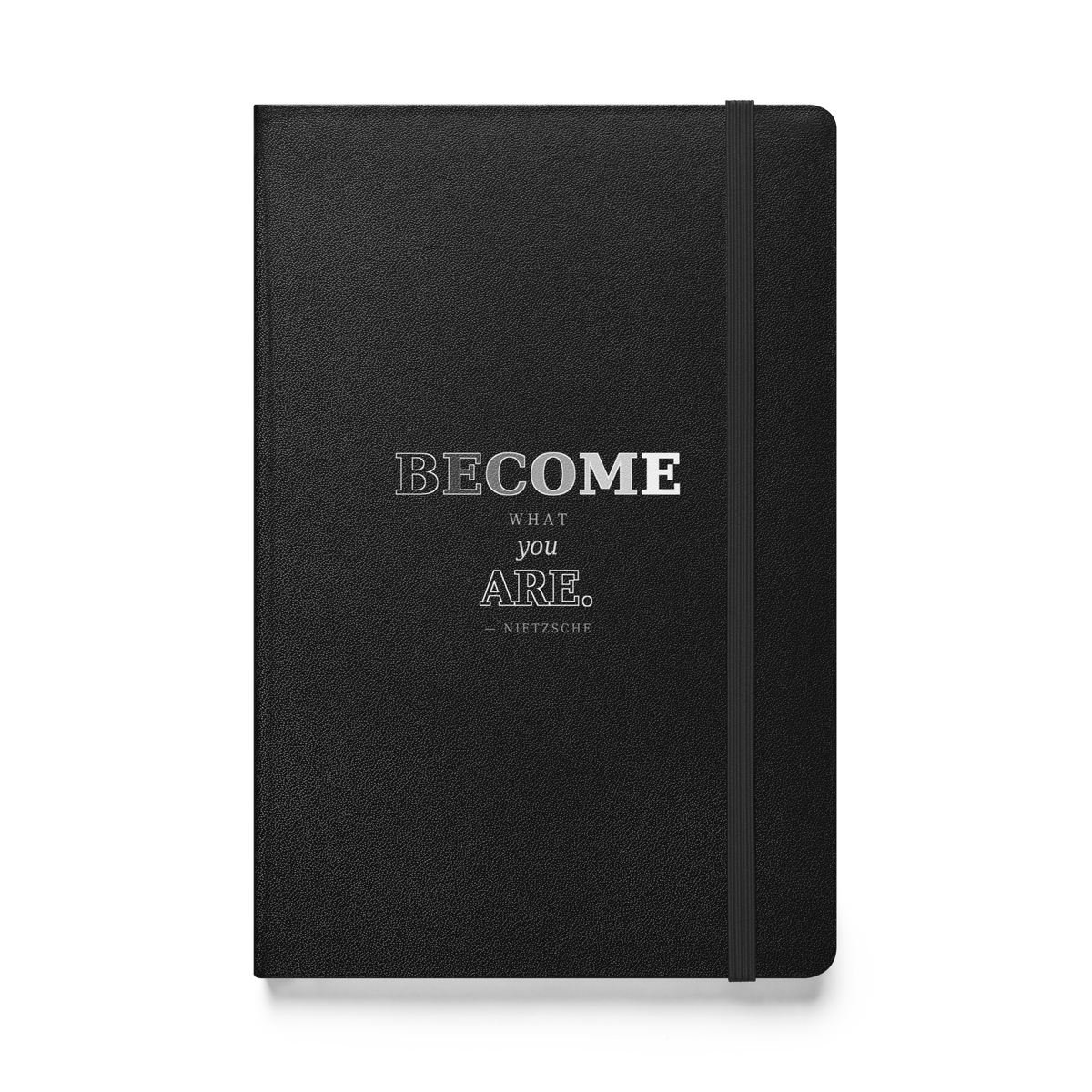
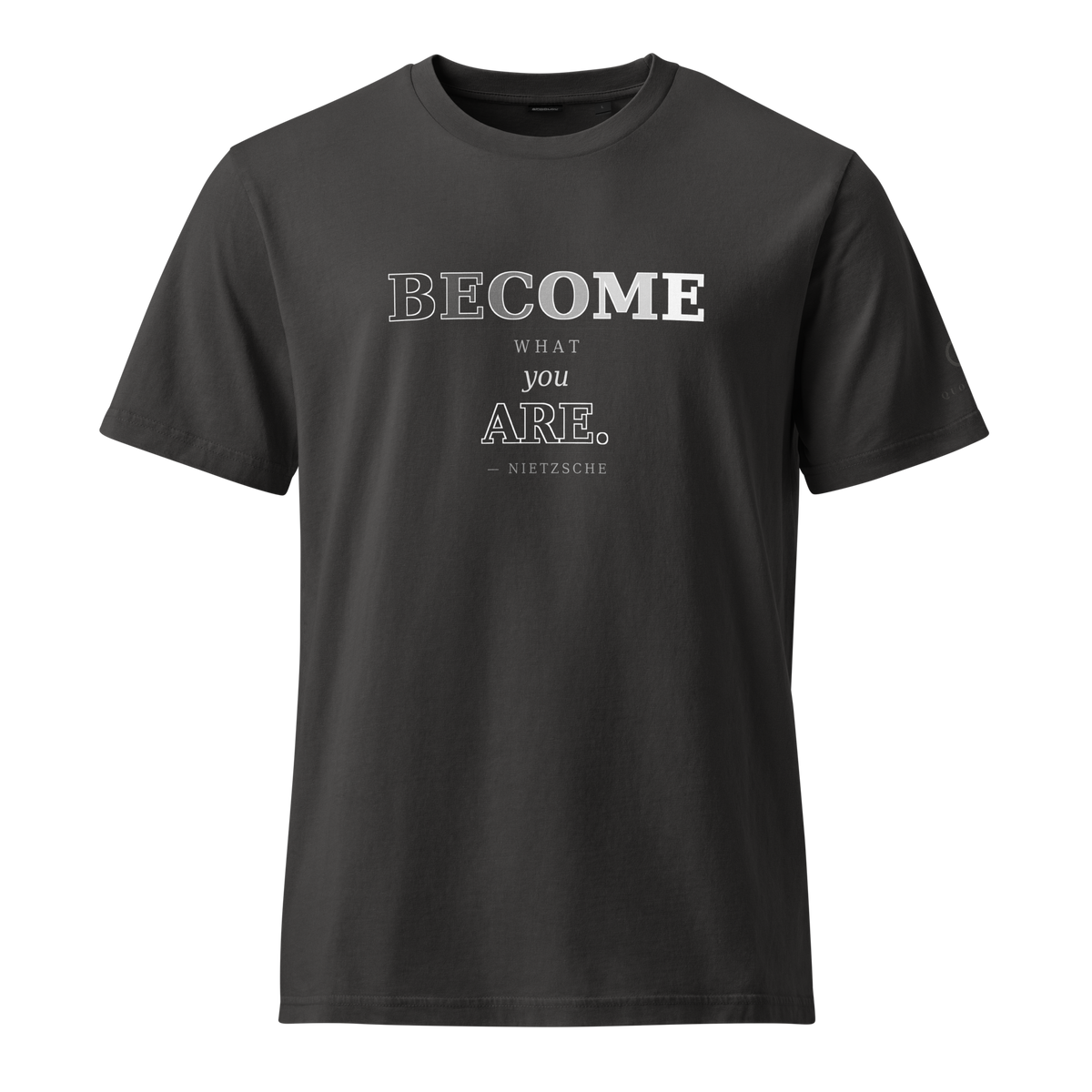
“BECOME what you ARE.”
Ecce Homo (1888), subtitle; cf. The Gay Science §270
About Friedrich Nietzsche
Friedrich Nietzsche wrote Thus Spoke Zarathustra in ten-day bursts of intensity. He had retired from his professorship at thirty-four — migraines, failing eyesight, a body that repeatedly refused the pace his mind demanded — and what came after the university was not rest but acceleration. The aphorism was not a stylistic preference. It was a working method: compressed claims designed to detonate on contact rather than argue through. You do not read Nietzsche and reach a conclusion. You read him and find something in your thinking that has shifted without your fully noticing it.
What he was writing through was the collapse of inherited certainty — the death of God not as scandal but as diagnosis, something that had already happened whether or not the culture was willing to look at it directly. Will to power, eternal recurrence, become what you are: these were not abstract positions. They were demands about how to live when the old frameworks no longer hold. Then his sister Elisabeth took control of his archive after his collapse, edited his unpublished notes into The Will to Power, and associated his thinking with antisemitism he had explicitly and repeatedly rejected in his published writing. His reputation spent decades contaminated by her editorship. The philosophy that reached the twentieth century was not entirely the philosophy he wrote.
What survived that distortion — and what continues to survive it — is the part that cannot be edited into comfort. Nietzsche’s work functions as a standing demand that you examine what you actually believe and why, as opposed to what you have absorbed and decided not to question. One must still have chaos in oneself to give birth to a dancing star. That is not an encouragement. It is a precondition. The reader who gets something real from Nietzsche is not the one who finds him useful — it is the one who finds him uncomfortable in a way that does not go away.
The Work
From the Journal
Why Nietzsche Gets Misquoted More Than Anyone in History (And What He Actually Said)
How the most aphoristic philosopher in history became the most misrepresented.
ReadSatan Said It. That’s the Point.
Milton’s Satan as the original rebel thinker — and why the idea outlasted its source.
ReadIn Their Orbit