Oscar Wilde. Photograph, c. 1882. / Public domain.
Oscar Wilde
Oscar Wilde wrote the most quotable sentences in the English language — and paid for that gift with everything he had. Both the wit and the cost deserve to be carried.
Words We Carry
Every quote here is traced to a documented source. How we verify →
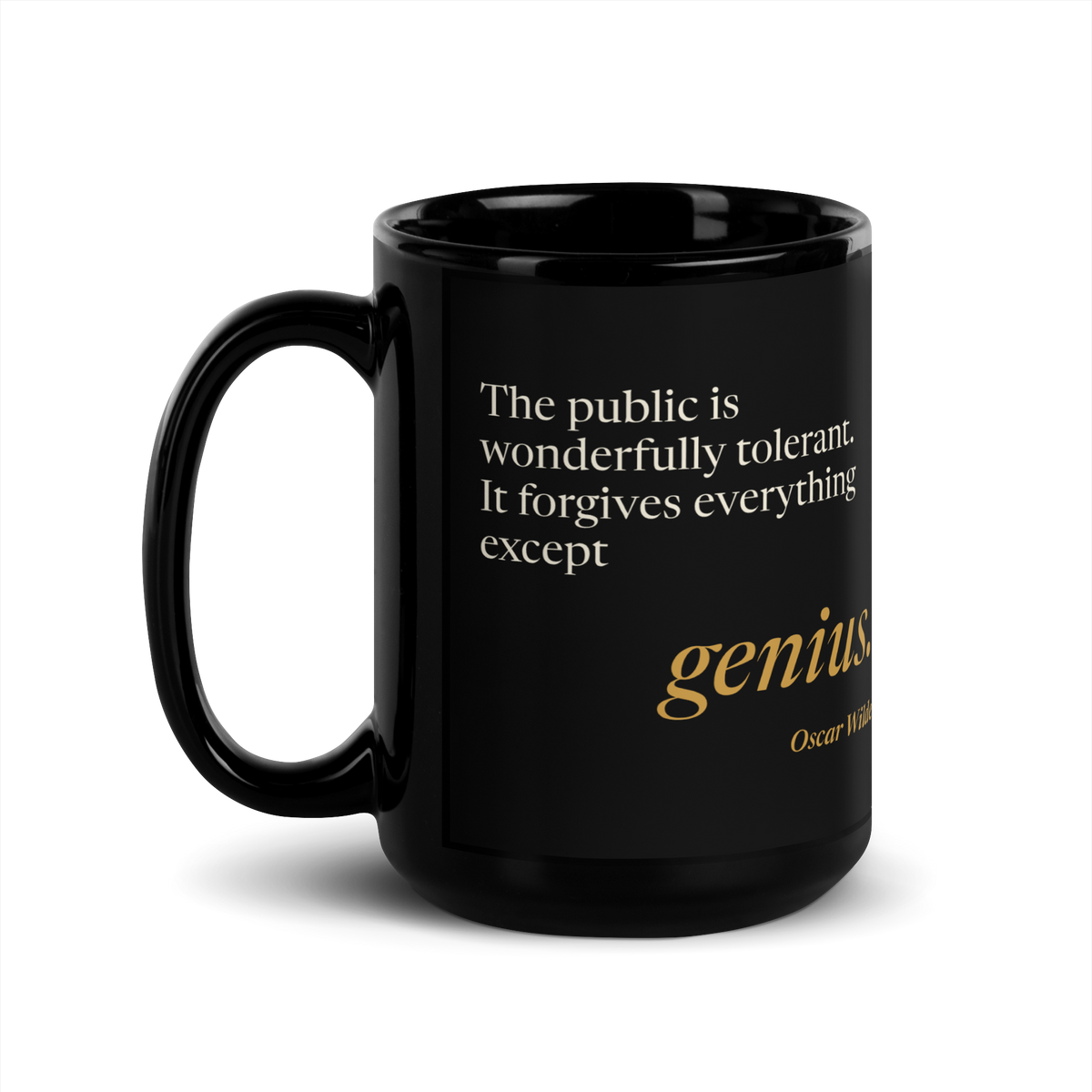
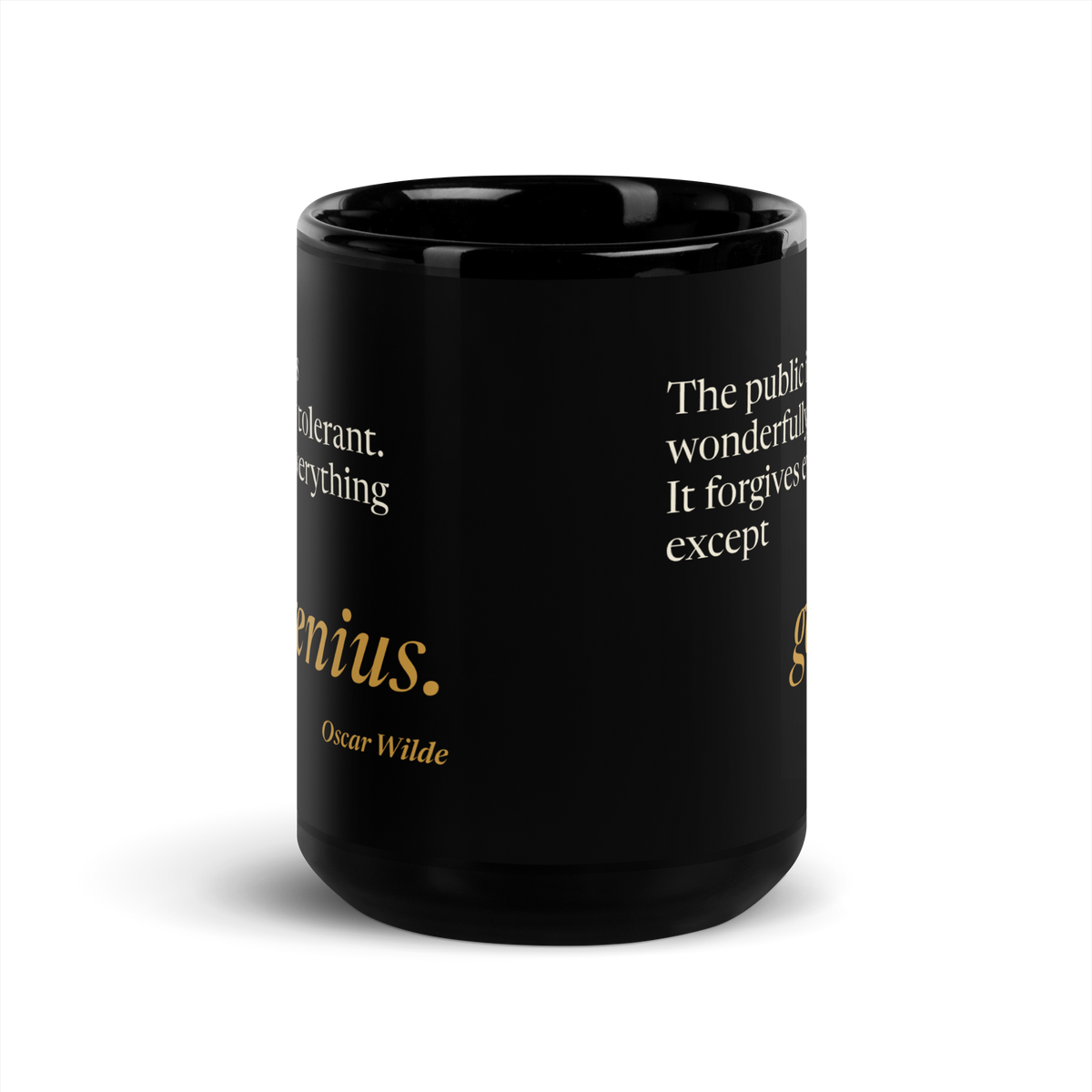
“The public is wonderfully tolerant. It forgives everything except genius.”
Intentions — "The Critic as Artist" (1891)
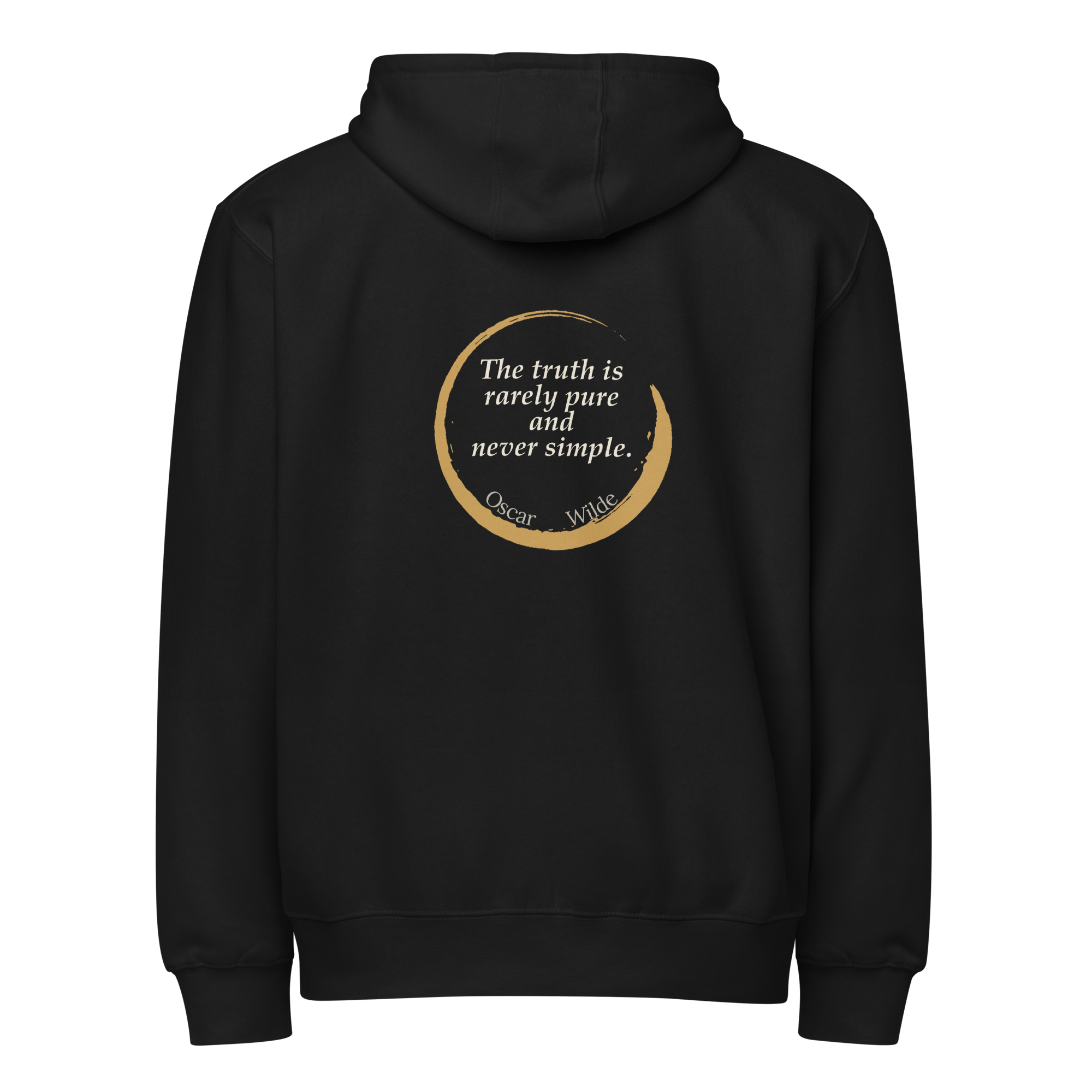
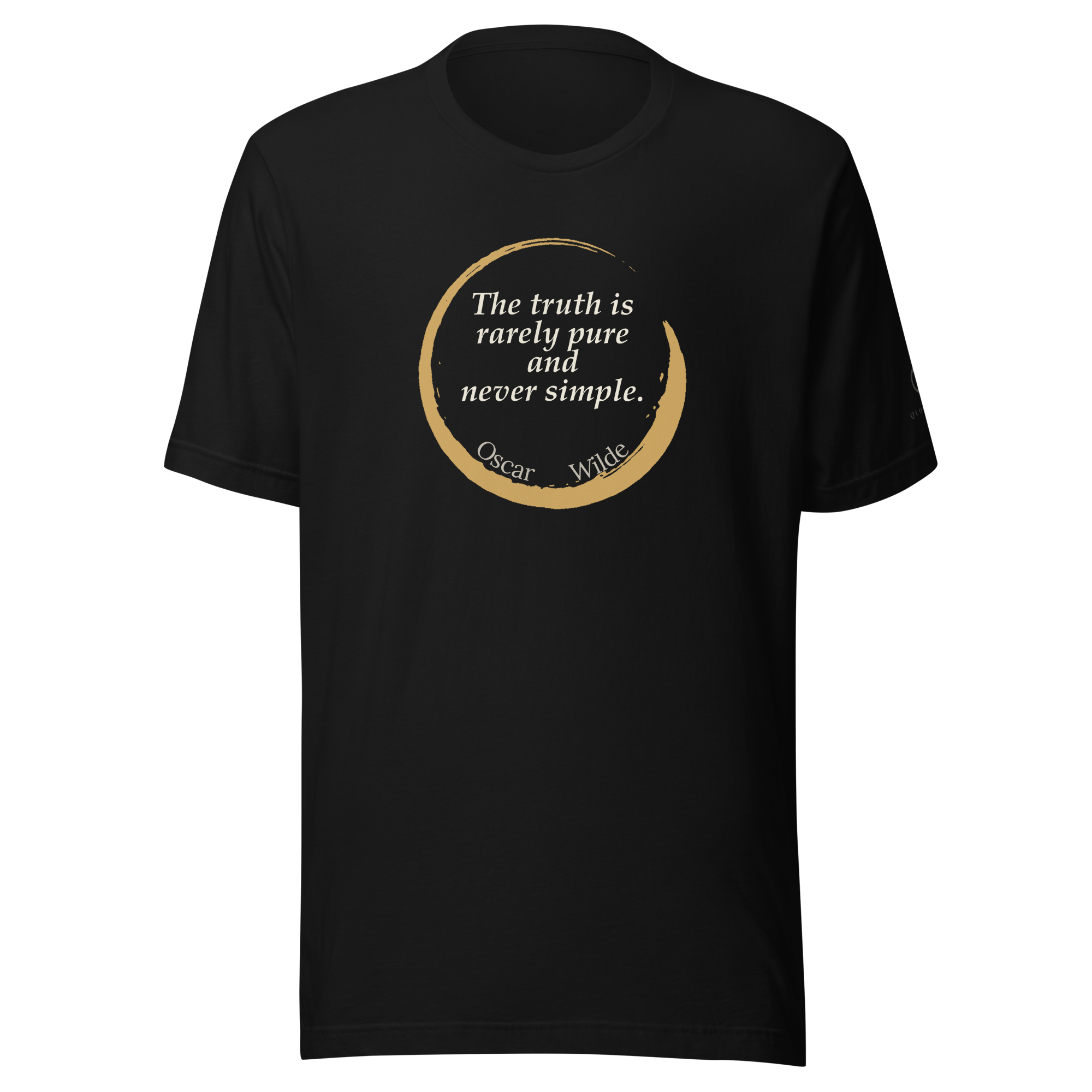
“The truth is rarely pure and never simple.”
The Importance of Being Earnest (1895) — Algernon, Act I
“Consistency is the last refuge of the unimaginative.”
Pall Mall Gazette — “The Relation of Dress to Art” (1885)
About Oscar Wilde
He arrived at Oxford on a demyship — a scholarship specific to Magdalen College and left it having won the Newdigate Prize for poetry, a first-class degree, and a reputation for saying aloud what everyone else was carefully not saying. The wit was not performance — it was conviction, the belief that surfaces matter, that beauty is a form of truth, that an aphorism delivered with precision is its own argument. By the 1890s, Wilde was the most famous writer in London. The Importance of Being Earnest opened in February 1895 to an audience who came to be delighted and found that they were also being told the truth. An Ideal Husband had opened weeks earlier. He was, at forty, at the exact height of the thing he had spent his whole life building.
Then came Reading Gaol. Convicted of gross indecency in May 1895, Wilde served two years of hard labor — oakum, silence, and a rule against reading that was eventually relaxed to allow a few books. What emerged from that silence was De Profundis, a long letter written in his cell that is unlike anything else he produced: no epigrams, no velvet surface, only a man examining what love had cost him and finding that suffering, looked at directly, has its own form of dignity. After his release he wrote The Ballad of Reading Gaol, a poem about a man awaiting execution — about guilt and pity and the violence done to human beings in the name of the law. The wit was still there, compressed into something harder. He died in Paris in November 1900, three years after leaving prison.
Language outlasts the laws used against the people who wrote it. Wilde’s sentences have survived every attempt to diminish him — they circulate now on the lips of people who may not know his name, because good writing eventually escapes its author and goes where it needs to go. But the full weight of his work belongs to someone who knows both halves: the man who wrote that the truth is rarely pure and never simple, and the man who found out exactly how right he was. The wit and the cost are not separate things. They are the same thing, held in two hands.
The Work
From the Journal
The Best Oscar Wilde Quotes — Verified, Sourced, and Worth the Weight
The lines everyone quotes, traced to the actual text. What Wilde wrote, where he wrote it, and why the fake versions keep spreading.
ReadThe Wildest Oscar Wilde Quotes and Why He Got Away With It
On the man who used wit as a weapon — and how he sharpened it.
ReadWhy Dark Romanticism Is Having a Moment Right Now
The aesthetic Wilde inhabited — beauty as truth, suffering as revelation — and why it resonates today.
ReadThe Famous Oscar Wilde Quote That Isn't His
The most-shared Wilde quote on the internet. He never wrote it.
ReadIn Their Orbit