


The Uncovering — Nietzsche Zarathustra Journal
Pindar wrote the phrase as praise — a victory ode in the fifth century BCE. Twenty-four centuries later Nietzsche pulled it from the ode and made it a command. “Become what you are” — description turned imperative.
Friedrich Nietzsche
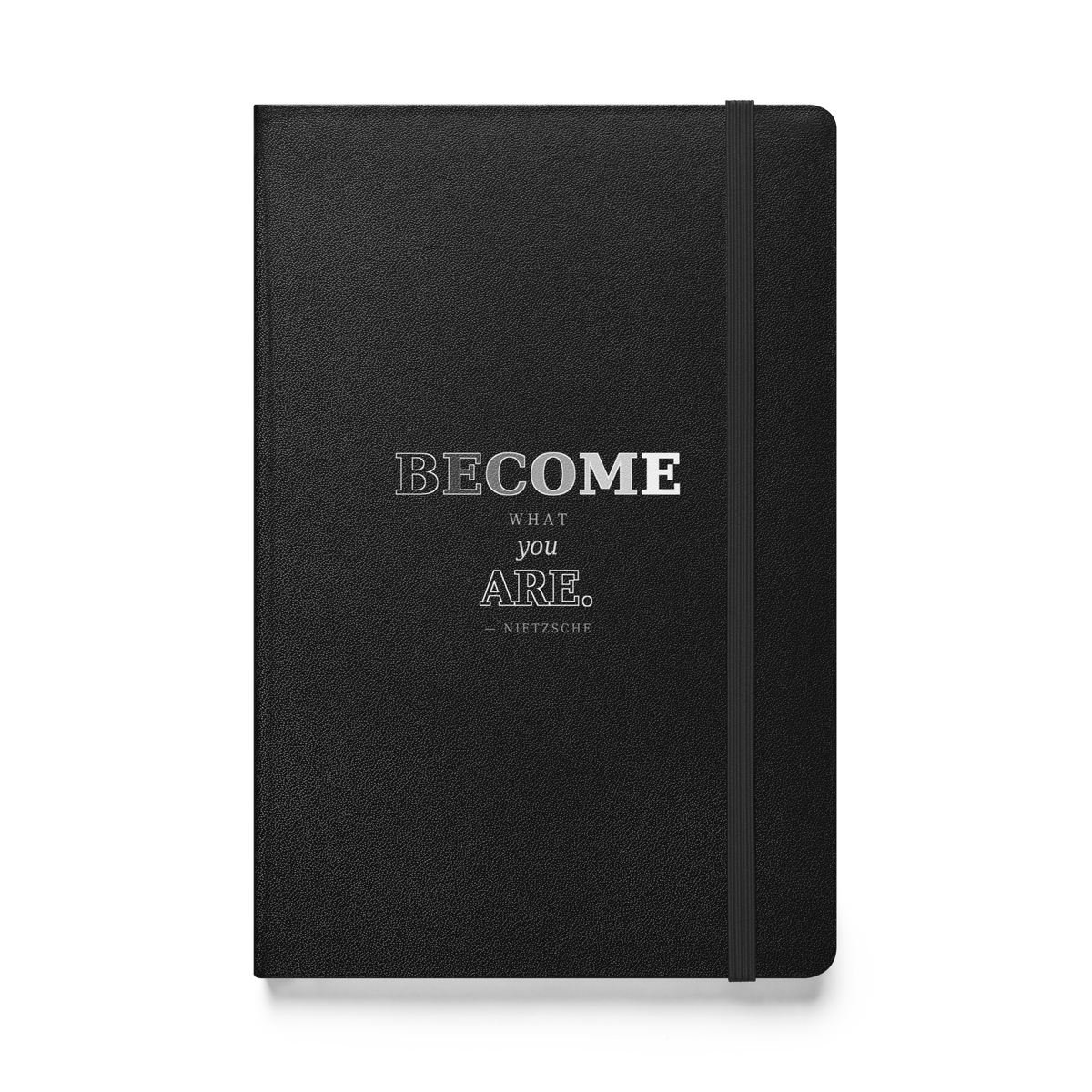
“BECOME what you ARE.”
Context
The tee declares it outward; the journal works it inward. Nietzsche’s command isn’t about reinvention — it’s about excavation. The person you’re becoming isn’t new; they’ve always been under the surface, beneath the accumulated weight of what other people needed you to be. The work is removal, not construction — and removal takes time, silence, and a place to put the thinking.
Who It’s For
- The person going through something they can’t quite name yet
- Anyone doing the slow, uncomfortable work of figuring out what they actually believe — separate from what they were taught to
- Writers, thinkers, people mid-transition — the kind of reader who underlines and comes back to paragraphs
The uncovering doesn’t happen out loud. Start here.
The Design
The cover holds just three words, but they aren’t equal. The outer words anchor the instruction while you, in italic lowercase, floats between them — intimate and slightly provisional. It marks the only word in the sentence that changes everything depending on who’s reading it. No ornament needed.
The same line is on the Uncovering Tee and Mug.
About This Journal
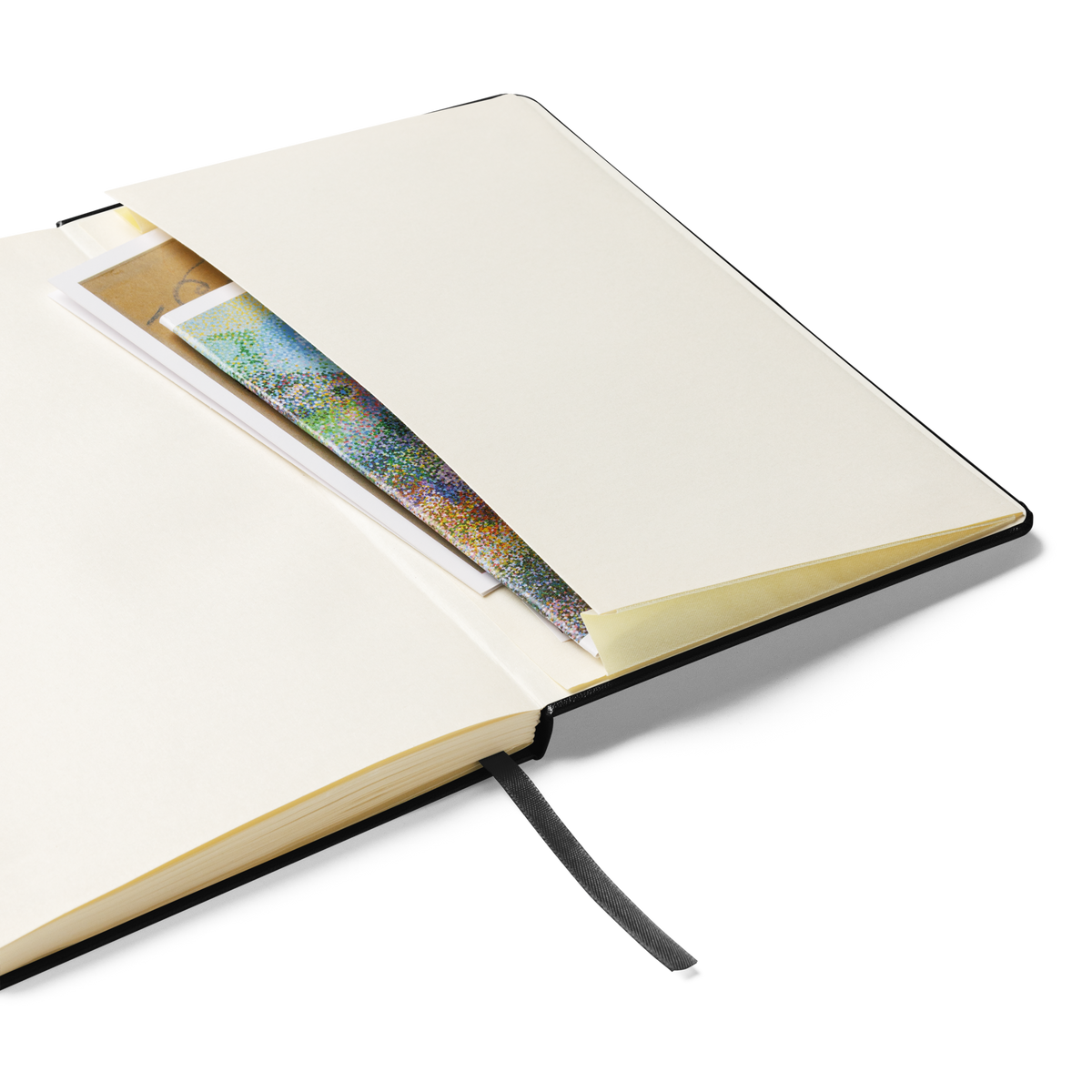
- Size — 5.5″ × 8.5″
- Pages — 80 lined, cream-colored pages
- Cover — hardcover — durable, clean
- Closure — elastic band closure and ribbon page marker
- Inner pocket — expandable back pocket
Friedrich Nietzsche, in Plain English
- German philosopher (1844–1900)
- Wrote Thus Spoke Zarathustra, Beyond Good and Evil, Ecce Homo, and The Birth of Tragedy
- “Become what you are” traces back to Pindar — Nietzsche first crystallized it in The Gay Science (§270, 1882) and made it the organizing idea of Ecce Homo (1888)
- Spent his career questioning inherited values — religion, morality, the idea of truth itself
- One of the most misquoted philosophers in history; collapsed into mental illness at 44 and died in 1900
Choose options