Satan Said It. That’s the Point.
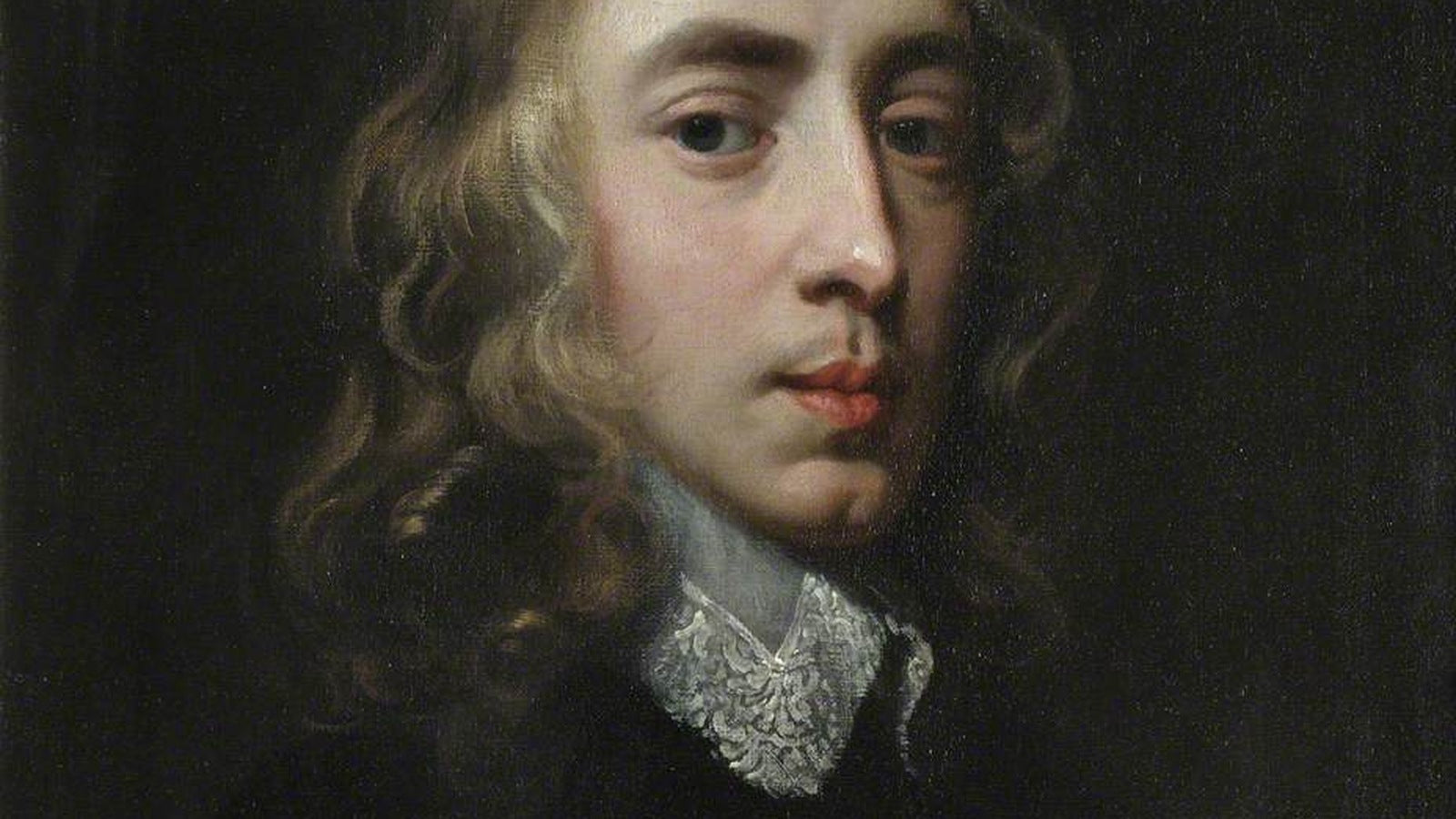
John Milton published Paradise Lost in 1667, and somewhere in the centuries since, one of its most famous lines got separated from its speaker. “The mind is its own place, and in itself can make a heaven of hell, a hell of heaven” is quoted on walls, in graduation speeches, in self-help books, and on apparel. It is almost always presented as wisdom. It is almost never attributed to the character who says it.
That character is Satan.
What Satan Actually Says
The line appears in Book I of Paradise Lost, shortly after Satan and his rebel angels have been cast out of heaven into hell. Satan is rallying his troops. He has just surveyed the burning lake, the darkness, the ruin — and he turns to Beelzebub and makes his case for why this is survivable.
The full passage: “The mind is its own place, and in itself / Can make a Heav’n of Hell, a Hell of Heav’n. / What matter where, if I be still the same, / And what I should be, all but less than he / Whom Thunder hath made greater? Here at least / We shall be free.”
Read in context, the argument is not inspirational. It is rationalisation. Satan is telling himself — and Beelzebub — that location doesn’t matter, that internal sovereignty is enough, that being cast into hell is actually a kind of freedom. It is exactly what a supremely intelligent being tells himself when he has made a catastrophic decision and cannot admit it.
Milton knew what he was doing. He was the most learned poet in England. He had read every classical source, knew his theology, understood the philosophical tradition he was working in. He gave Satan the best lines deliberately.
Why Milton Gave Satan the Best Argument
This is the part that makes Paradise Lost worth reading 357 years later. Milton’s Satan is not a cartoon villain. He is brilliant, eloquent, and wrong — but wrong in a way that requires genuine engagement to refute. The arguments he makes for autonomy, for the sovereignty of the mind, for resistance to divine authority, are arguments that real people make. Milton put them in the mouth of the most dangerous character he could imagine precisely because he took them seriously.
The critic William Blake famously wrote that Milton was “of the Devil’s party without knowing it.” He meant it as a compliment — that the Satan of Paradise Lost is so compellingly drawn that he outshines the poem’s ostensible hero. Generations of readers have agreed. Percy Shelley called Satan “more poetically sublime” than the God of the poem.
They were noticing something real. Milton’s Satan speaks the language of individual sovereignty and resistance that the modern world finds instinctively sympathetic. That is not an accident. It is the poem’s central problem. See also: the Dark Romanticism tradition and why it’s having a moment.
The Line Is Still True. That’s the Problem.
Here is what makes the misattribution interesting rather than merely careless: the line is not wrong. The mind is its own place. Perception, framing, interior life — these do shape experience in ways that external circumstance cannot fully override. Stoic philosophy makes a version of this argument. So does cognitive science.
What Milton is showing is that a true proposition in the mouth of the wrong speaker, deployed in the wrong moment, for the wrong reasons, becomes something else. Satan uses a genuine insight to justify staying in hell rather than seeking reconciliation. The truth of the claim does not redeem the use he makes of it.
That is the argument. And it is an argument that only works if you know who is speaking.
On the Design
The Mind Is Its Own Place Milton Tee carries the line attributed correctly — to Satan, Paradise Lost, Book I, 1667. Not because the attribution is a disclaimer, but because it is the point. A line about the sovereignty of the mind, spoken by the figure who used that sovereignty to catastrophic effect, worn by someone who knows both things at once: that is the version worth wearing.
Milton is in The Heretics collection — sharp minds, sharper words.
John Milton, In Plain English
- Lived: 1608–1674, London. Went blind in his early forties and dictated Paradise Lost to his daughters.
- Served as Latin Secretary to Oliver Cromwell’s government — essentially the state’s chief propagandist. Was nearly executed after the Restoration. Was not.
- Areopagitica (1644), his argument against press censorship, is the foundational text of freedom of expression in the English-speaking world.
- Wrote Paradise Lost — all 10,000 lines of it — after losing his sight, his political cause, and most of his allies.
- The poem he wrote in darkness, about the consequences of pride and the difficulty of obedience, is the one that gave us the most eloquent defense of individual defiance in the English language. He was aware of the irony.