Why Dark Romanticism Is Having a Moment Right Now
Dark Romanticism—the literary movement that produced Poe, Mary Shelley, and Nathaniel Hawthorne in the mid-nineteenth century—is built on a specific argument: that human nature is not perfectible, that guilt and sin are real forces, and that beauty is more honest when it sits with darkness than when it turns away from it.
That argument is resonating again. Here is why, and what the movement actually produced.
- What Dark Romanticism actually argued—and how it differed from its Romantic counterpart
- The writers at the center of the movement and the works that define it
- Why its themes are finding a new audience in 2026
Dark Romanticism — the literary movement that produced Poe, Mary Shelley, Nathaniel Hawthorne, and the darker half of the Romantic project — is having a cultural moment. The question worth asking is why.
What Dark Romanticism Actually Is
The Romantics — Wordsworth, Keats, Shelley, Byron — were responding to the Enlightenment. Where the Enlightenment celebrated reason, order, and rational progress, the Romantics said: but what about feeling? What about nature? What about the parts of human experience that reason can't reach?
Dark Romanticism took that argument one step further. The mainstream Romantics were still relatively optimistic — nature was beautiful, the imagination was transcendent, the individual spirit was essentially good. The Dark Romantics weren't so sure. They were interested in what happened in the shadows — the unconscious, the irrational, the capacity for self-destruction, the persistence of guilt and grief and the uncanny.
Poe wrote about murderers narrating their own crimes with eerie calm. Mary Shelley wrote about a creator who abandons his creation and sets catastrophe in motion. Hawthorne wrote about the sin hidden beneath the respectable surface of Puritan New England. These weren't horror stories for their own sake. They were honest stories about the parts of human nature that optimism tends to skip.
Why Now
We live in a moment that has offered a great deal of optimism — about technology, about progress, about the idea that the future is essentially an upgrade on the present — and a great deal of evidence that the optimism is incomplete. The questions the Dark Romantics were asking — what do we owe to the things we create? What happens when ambition outpaces ethics? What lies beneath the surface of the respectable world? — are not historical questions. They're live ones.
There's also something happening with grief. The mainstream cultural response to difficulty tends toward resolution and recovery — the arc that bends toward healing. Dark Romanticism doesn't rush the arc. It's interested in what grief actually feels like, what darkness actually looks like, before the resolution arrives — if it arrives. For people who have experienced loss that doesn't resolve neatly, that honesty is not depressing. It's a relief.
The Aesthetic Side
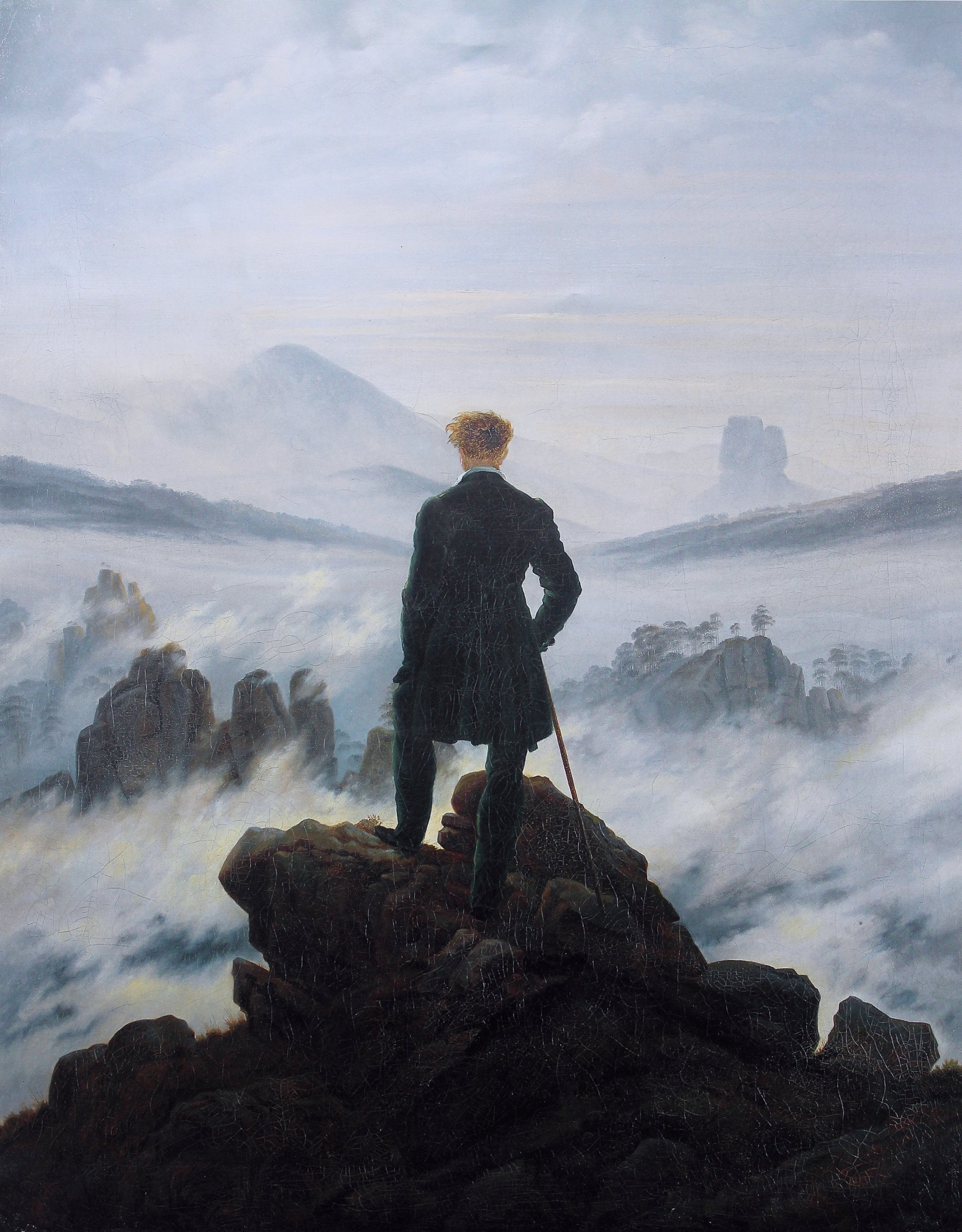
It's also just beautiful. The visual vocabulary of Dark Romanticism — candlelight, ravens, fog, moonlit ruins, the particular quality of autumn — has a richness that brighter aesthetics often lack. Shadow creates depth. Melancholy, handled well, is one of the most aesthetically productive emotional states there is. You don't have to be sad to find it compelling. You just have to be honest about the fact that darkness is part of the spectrum.
What It Offers
The Dark Romantics were not nihilists. Poe found beauty in darkness. Shelley found humanity in the monster. Hawthorne believed in redemption even when he didn't believe in innocence. What they were refusing was the pretense that beauty only exists in light, that meaning only exists in resolution, that the parts of experience that frighten us are not worth looking at carefully.
That refusal — the willingness to look at the dark parts directly, with craft and intention — is what makes this tradition last. And what makes this moment ready for it again.
Browse Dark Romanticism.