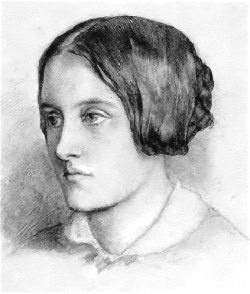
Christina Rossetti. Portrait photograph, c. 1866.
Christina Rossetti
She wrote more than a thousand poems from inside a life of strict religious devotion, chronic illness, and voluntary confinement — and made that interior pressure into something that has never gone out of print.
Words We Carry
Every quote here is traced to a documented source. How we verify →
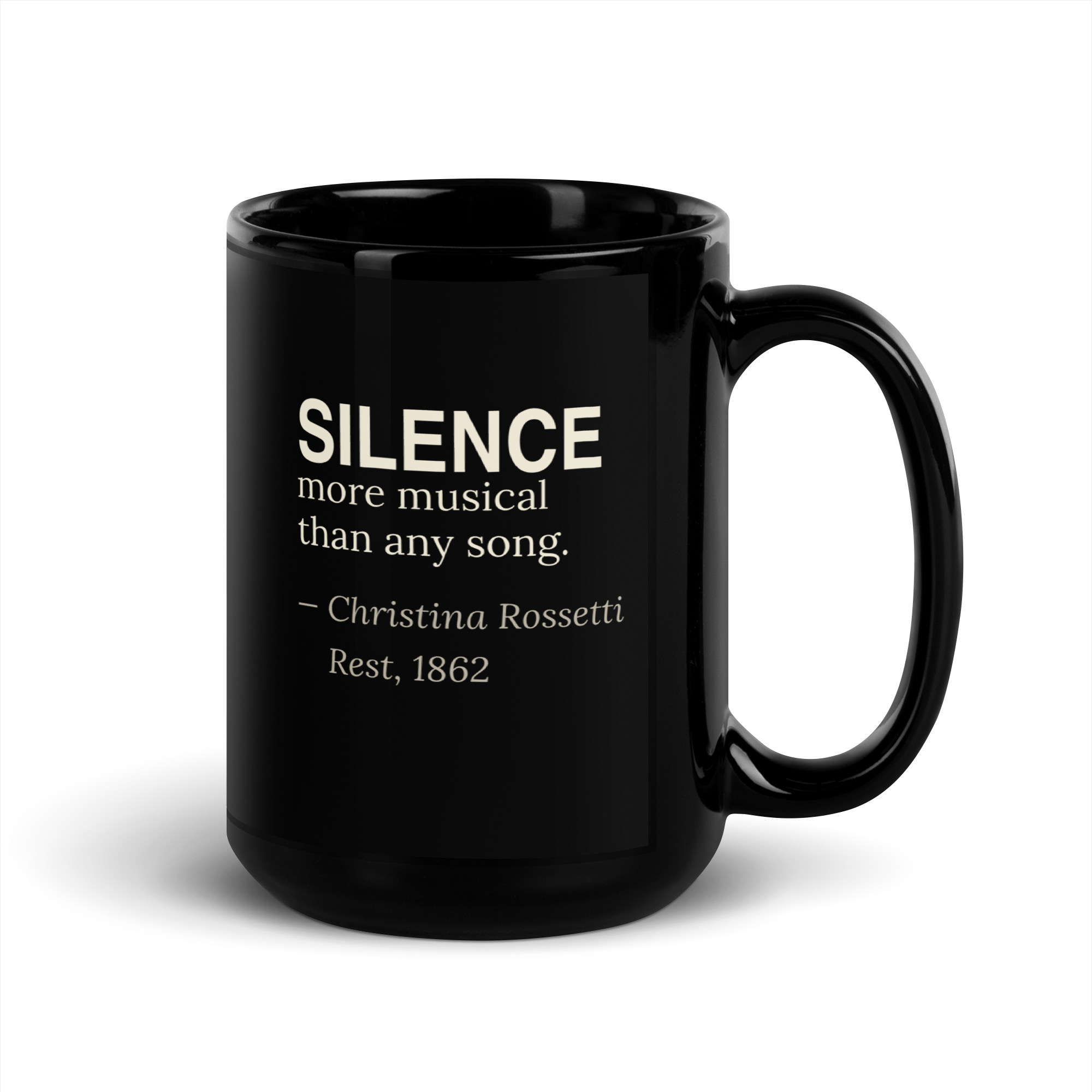
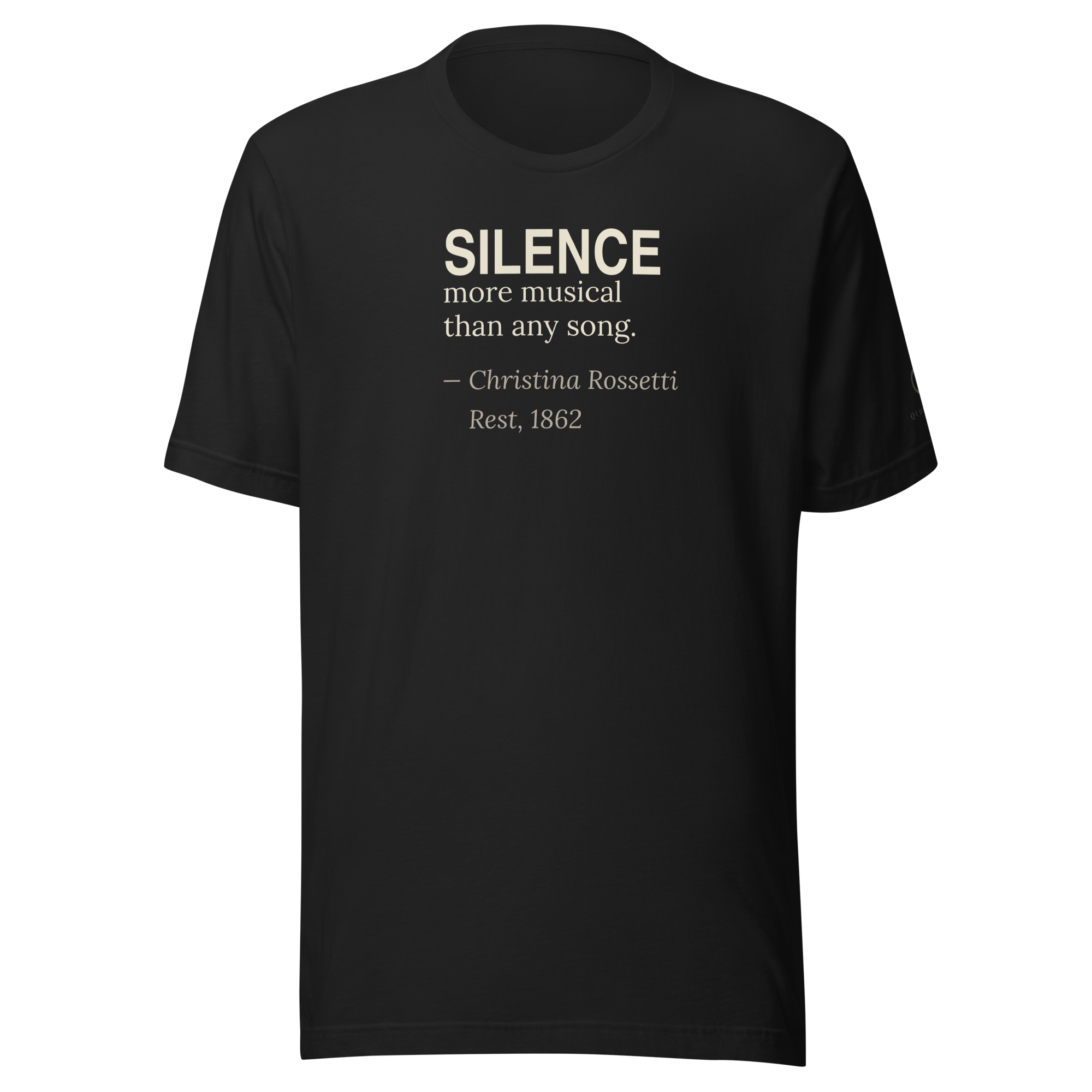
“Silence more musical than any song.”
“Rest,” in Goblin Market and Other Poems (1862)
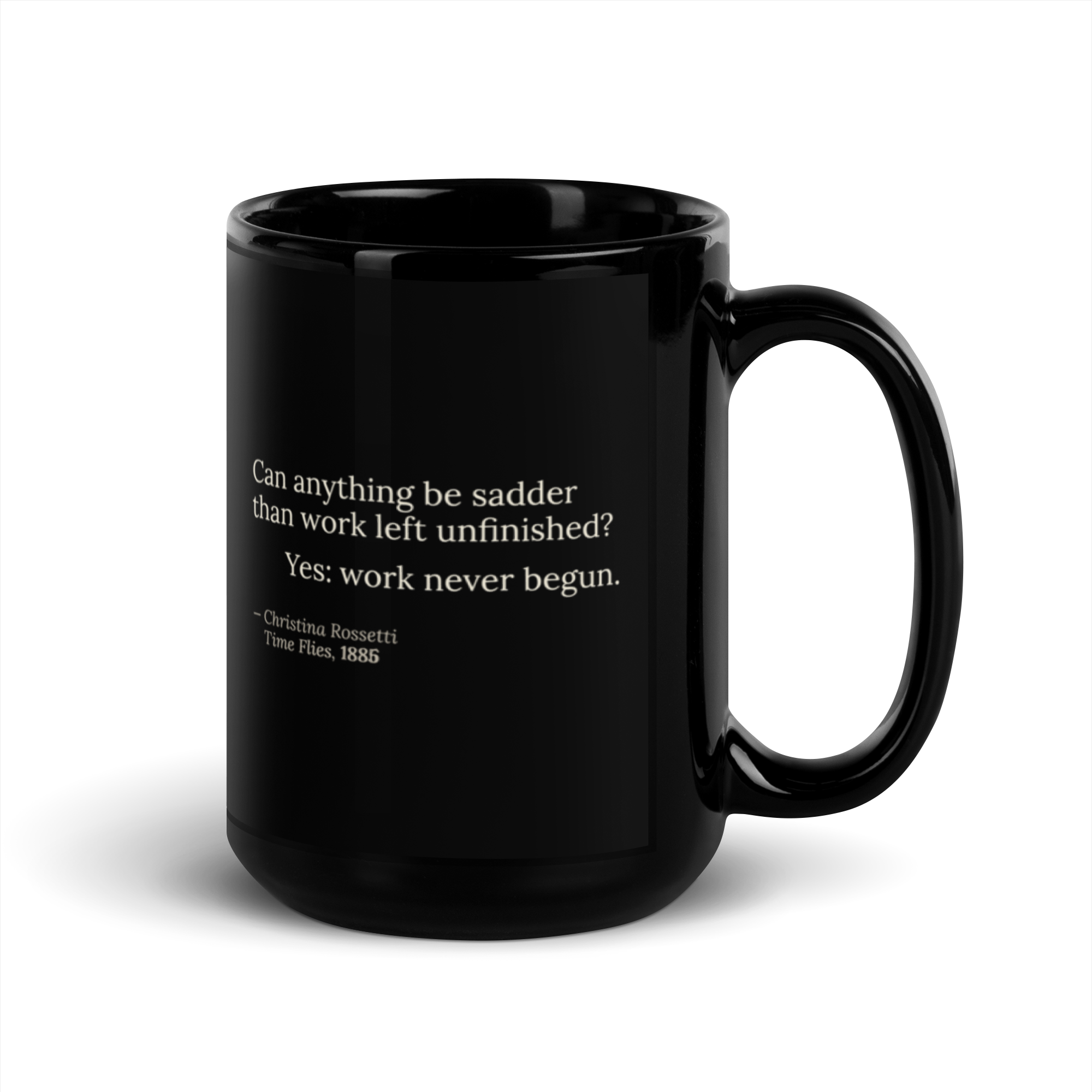
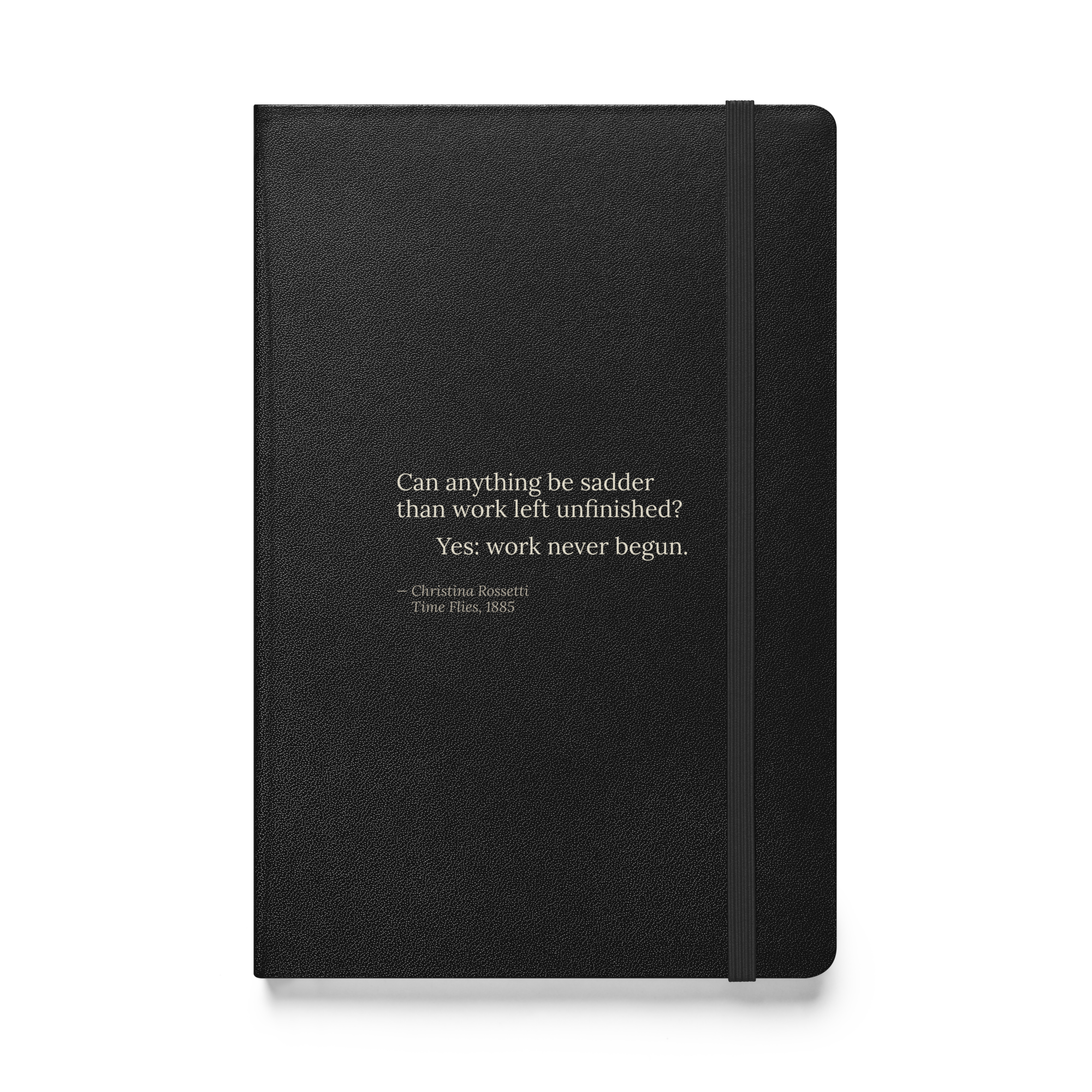
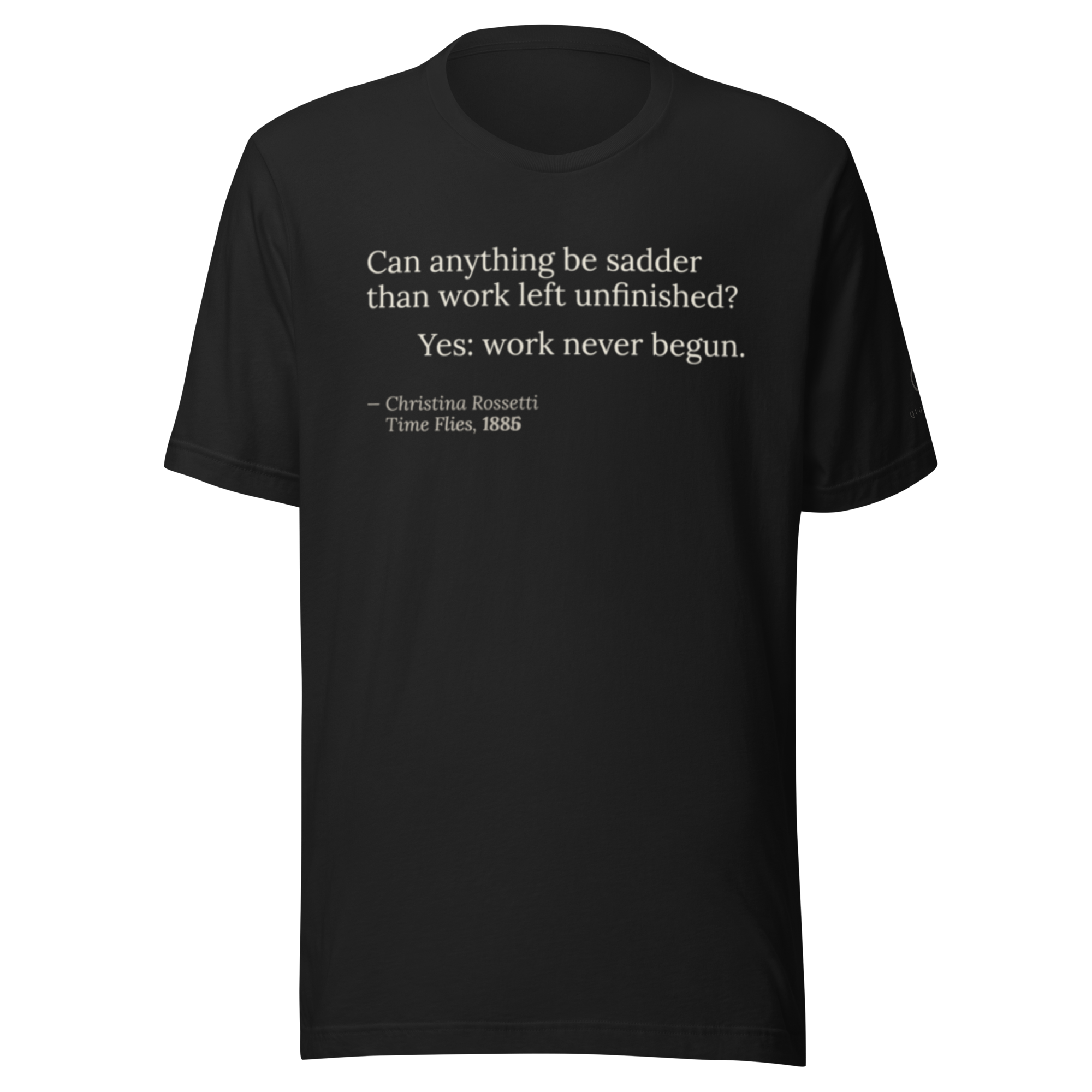
“Can anything be sadder than work left unfinished? Yes: work never begun.”
Time Flies (1885)
About Christina Rossetti
Christina Rossetti grew up in a household where literature was spoken like a first language. Her father was an Italian poet and scholar; her brother Dante Gabriel would co-found the Pre-Raphaelite Brotherhood and shape the aesthetic direction of Victorian art. She was the only woman to contribute poems to the Brotherhood’s journal, The Germ, and she did it under a pseudonym — Ellen Alleyne — which tells you something about the distance between her talent and the room she was given to use it. When Goblin Market and Other Poems appeared in 1862, it announced a voice of extraordinary compression: sensuous and formal at once, capable of packing more emotional charge into a twelve-word line than most writers manage in a stanza. She was thirty-one. She had been writing like that since she was a child.
What made her distinctive was not the subjects she chose but the discipline she imposed on them. Rossetti was a devout Anglican who declined two marriage proposals on religious grounds and lived, for much of her adult life, in quiet proximity to grief — the death of friends, the diminishment of her own body through Graves’ disease and then breast cancer, the particular ache of work and time running in opposite directions. She turned this inward. The devotional discipline that might have silenced another writer became her creative engine: it taught her to compress, to hold feeling under pressure until it distilled into something gem-hard. The darkness she let through is never theatrical. It arrives quietly, in the turn of a final line — a silence more musical than noise, a grief more articulate than speech. Her 1885 prose devotional Time Flies — one entry written per day, across a year — reveals the same mind at work: exacting, unflinching about what it means to wait, to leave things undone, to choose not to begin.
For much of the twentieth century she was treated as a footnote to the Pre-Raphaelites — her brother’s talented sister, a minor poet of gentle religious verse. Feminist scholars reclaimed her in the 1970s and 1980s and found something far more resistant: a writer who had been operating at the center of one of the most influential literary movements in England, on her own terms, in her own name. Her Complete Poems have never been out of print. “In the Bleak Midwinter,” the poem she wrote as a carol text, is still sung every December in churches across the English-speaking world. What the reader inherits is not a curiosity from Victorian domesticity but a body of work that understood, with precision, what it costs to feel things clearly — and chose to write it down anyway.
The Work
From the Journal
Why Dark Romanticism Is Having a Moment Right Now
The movement Rossetti helped define — and why it keeps finding new readers.
ReadCharlotte Brontë and the Art of Writing Through the Dark
A Victorian woman who turned private grief into literature that has never gone out of print.
ReadHer words are everywhere — greeting cards, art prints, Christmas carols. Her name almost never appears.
ReadIn Their Orbit