
Some ideas were written centuries ago and still arrive exactly on time. This is where we follow them — through philosophy, literature, and the moments when the right words show up and change something.
Journal
RSS feed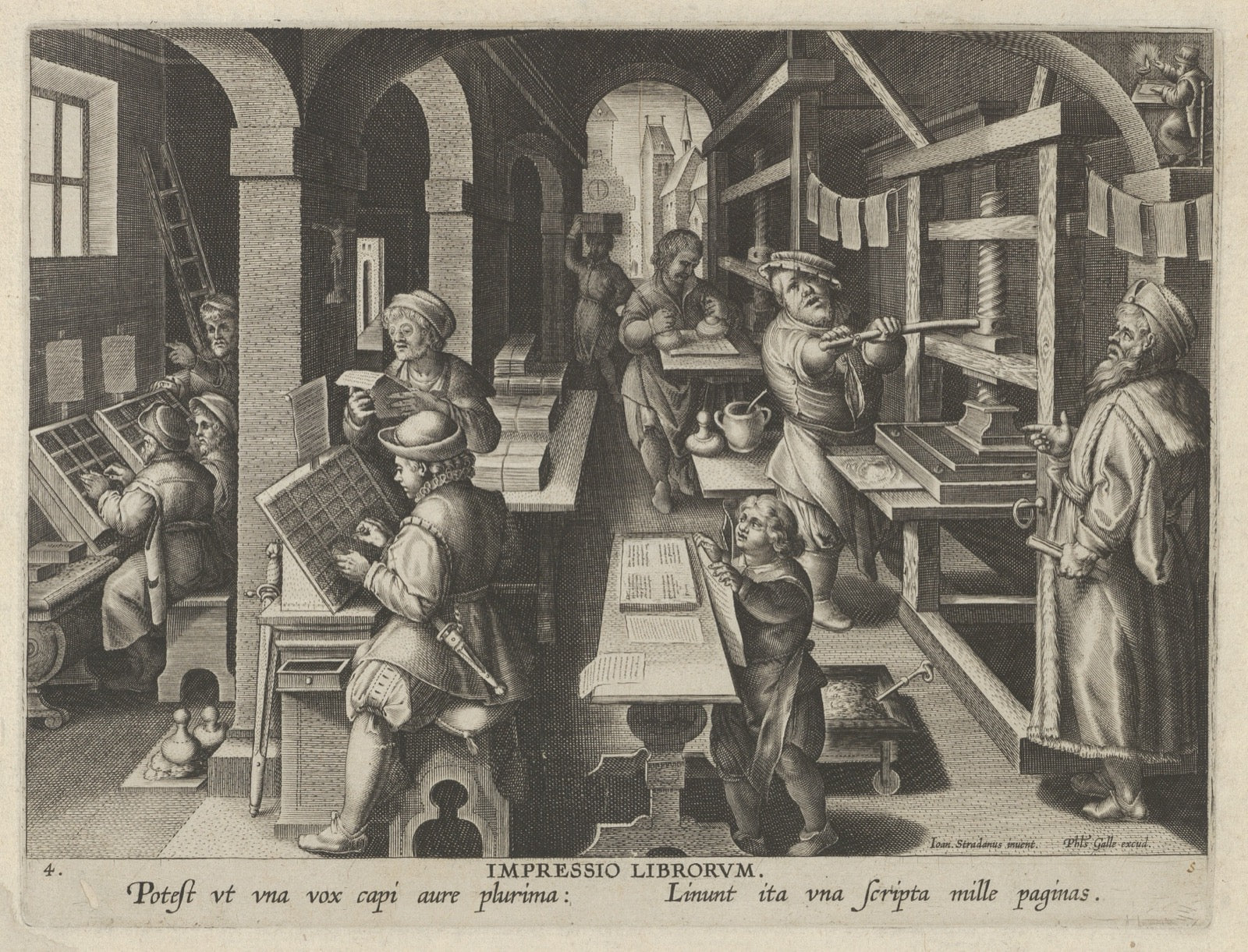

Henry David Thoreau: The Man Who Went to the Woods to Find Out What Mattered
Thoreau went to Walden to conduct an experiment — not to escape, but to find out what was actually necessary. Two years in a hand-built cabin. A philosophy that is still, somehow, getting more relevant.
Read more
Boris Becker Read Marcus Aurelius in Prison. Then He Started Teaching It.
Boris Becker read Marcus Aurelius in a British prison cell. What he took from it — and then taught to fellow inmates — is exactly what the Stoics said philosophy was for.
Read more
The Best Oscar Wilde Quotes — Verified, Sourced, and Worth the Weight
Oscar Wilde's best lines — verified, sourced, and placed back in the works that produced them. Not Pinterest captions. The real quotes, with the context that makes them mean more than they do floating free.
Read more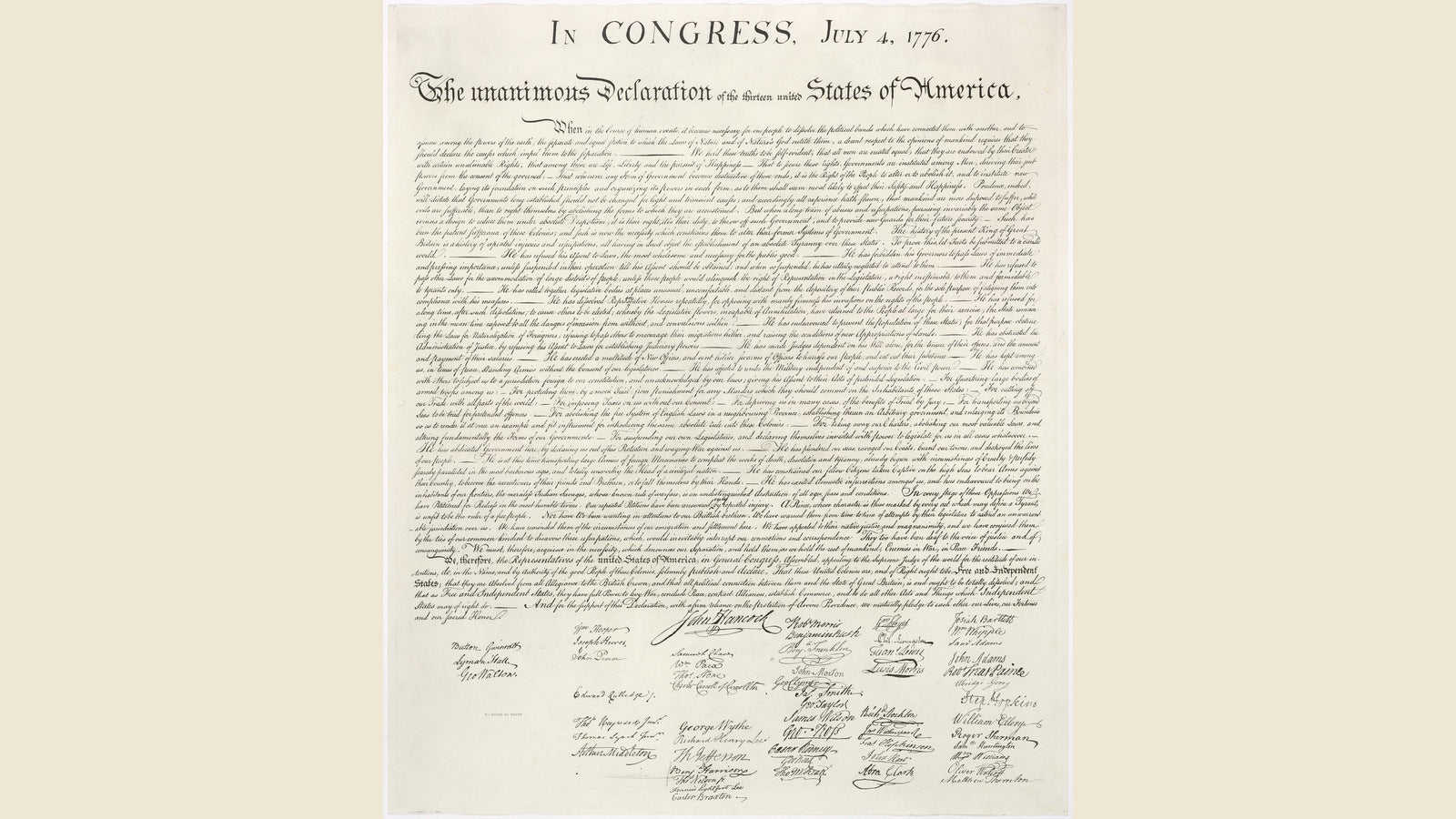
What the Founders Actually Said (And Why It Matters in 2026)
Five sentences from four American presidents — Adams, Jefferson, Madison, Roosevelt — verified from primary sources. What they actually said, where they said it, and why it reads like this week’s news.
Read more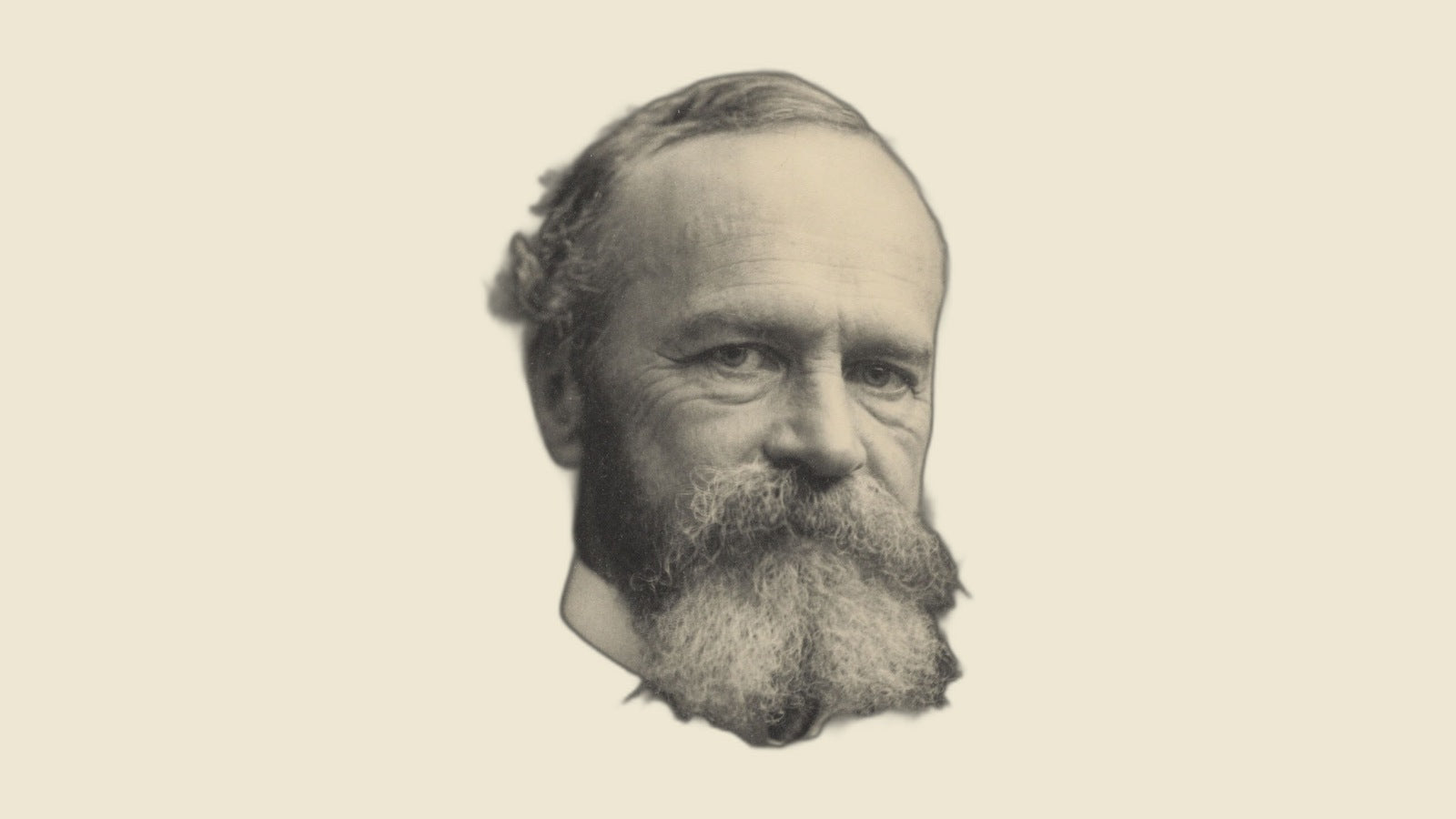
What William James Actually Meant by the Art of Being Wise
William James defined wisdom in 1890 as knowing what to overlook. One sentence from a 1,400-page psychology textbook. Here’s what he meant — and why it still cuts.
Read more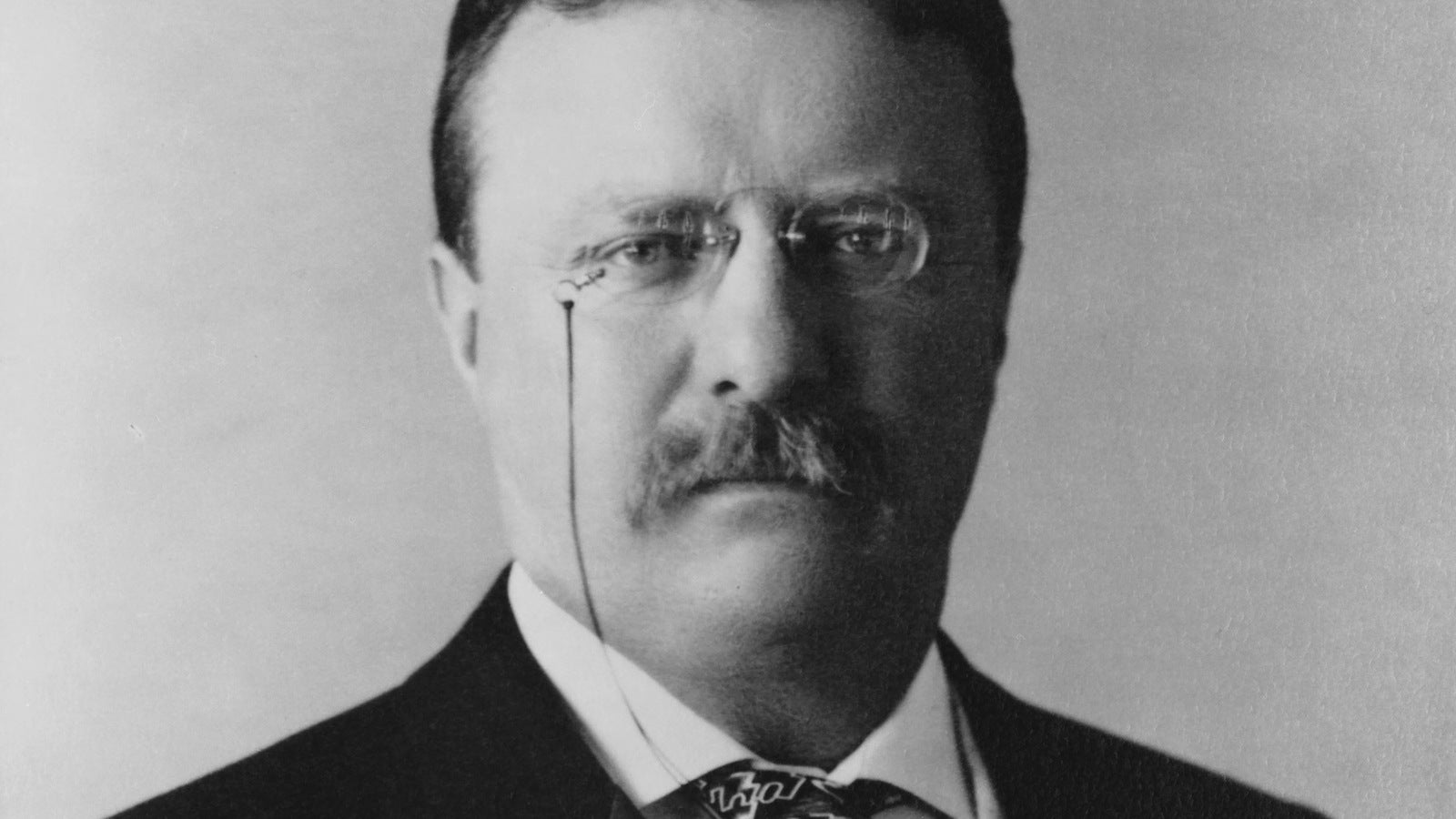
The History of the Man in the Arena Speech
Theodore Roosevelt delivered “Citizenship in a Republic” at the Sorbonne in 1910. One paragraph became the most quoted speech in American history. Here’s the full story.
Read more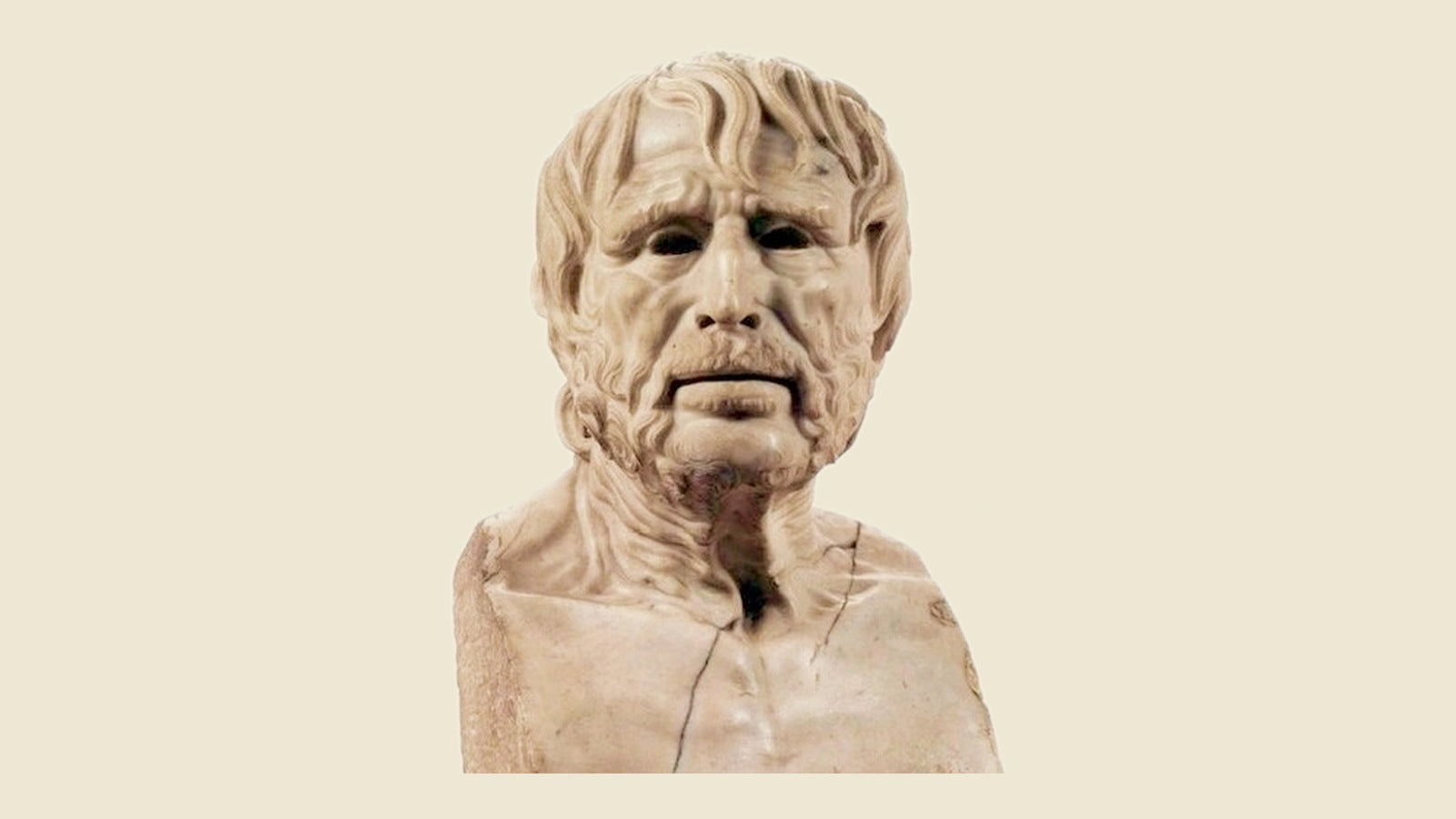
Tim Ferriss Found Seneca at Rock Bottom. Then 14 Million People Did Too.
Tim Ferriss credits Seneca with giving him a practical framework when he was clinically depressed and convinced he was a fraud. The practice he built from it — Fear-Setting — has since reached millions.
Read more
Every Quoteiac product traces to a primary source—a first edition, a digitized archive, a verified manuscript. If we can't reach the original, the quote doesn't go on the product. No exceptions.
Read more
Taste Was Never the Moat: The Movement Makers
On tastewashing, movement making, and the human advantage that AI cannot replicate — with examples from Alice Walker, Rick Rubin, and Julie Zhuo.
Read more