
Some ideas were written centuries ago and still arrive exactly on time. This is where we follow them — through philosophy, literature, and the moments when the right words show up and change something.
Journal
RSS feed
We spend plenty of money and attention on celebrities and influencers we’ll never meet. Yet when someone we actually know launches a business, writes a book, or creates something, support can be strangely absent. A personal reflection on why buying isn’t the only way to show up, and why even the ...
Read more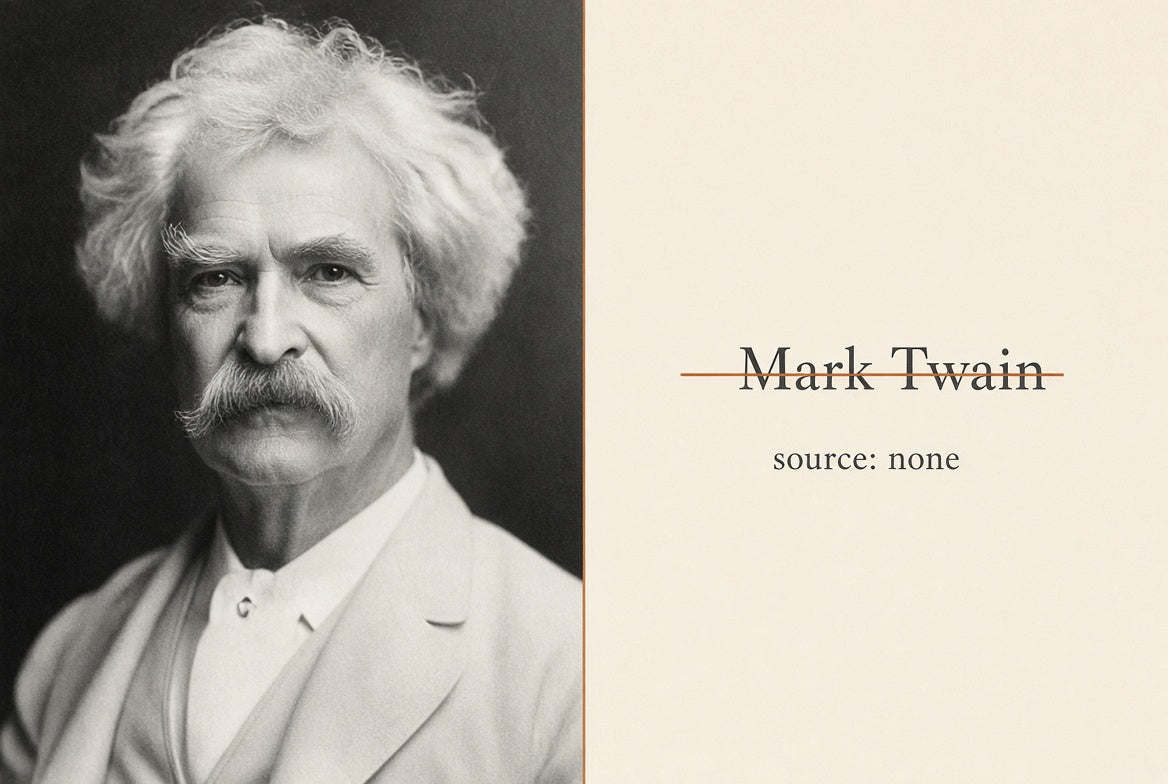
Ted Lasso Got the Twain Quote Wrong
Mark Twain did not write “Continuous improvement is better than delayed perfection.” Michelle says it anyway — Season 4, Episode 6. We checked. There is no book, no speech, no notebook.
Read more
Does an Em Dash Really Mean AI Wrote It?
Everyone thinks an em dash is a ChatGPT tell. It is not. This is the difference between a hyphen, an en dash, an em dash, and an ellipsis, and why Quoteiac still uses them.
Read more
Rilke’s 1918 Translator Was Jessie Lemont — Not Lamont
A single transcription typo turned Rilke translator Jessie Lemont into “Lamont” — and the mistake is now on Wikipedia, in AI answers, and across the web. How one letter travels, and why we still check the name before anything goes to print.
Read more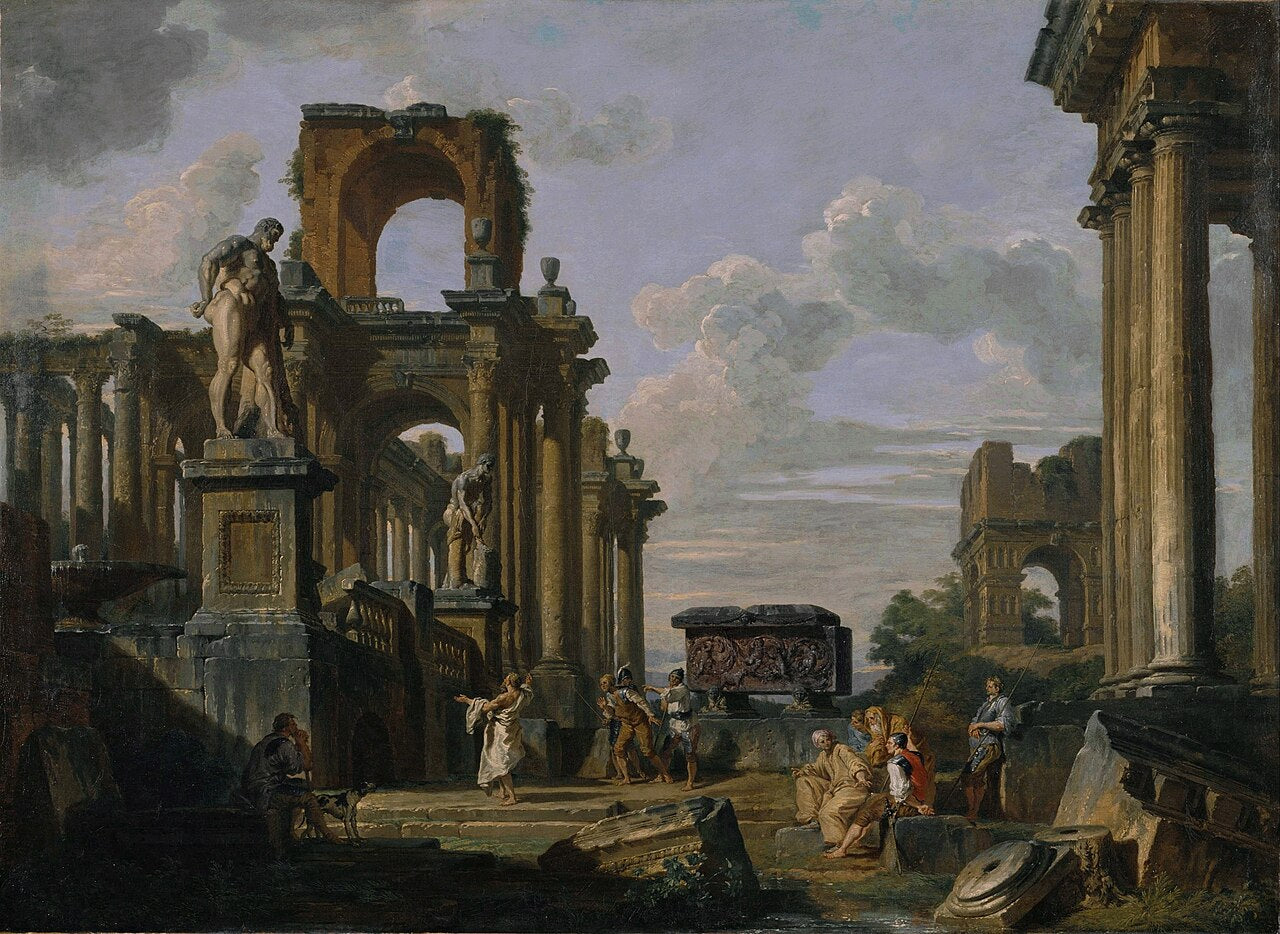
Stoicism Is Not “Growth Mindset” in a Toga
Podcasts sell Stoicism as a lifehack. It was written under a death sentence, in a plague camp, and by a man who did not own his own body. Plus one Greek word that undoes the productivity reading entirely.
Read more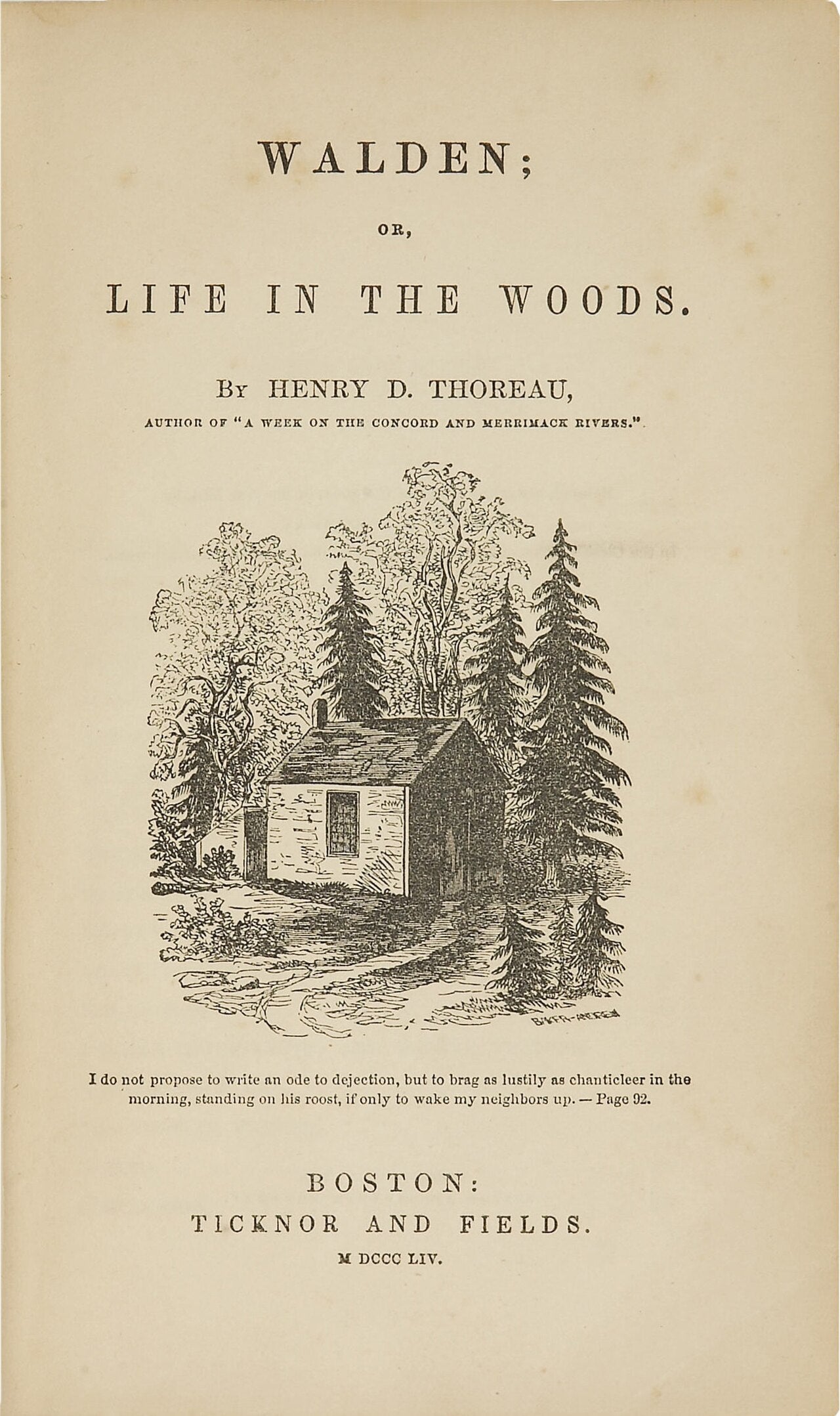
Thoreau Did Not Validate “Quiet Quitting”—He Warned Against It
When “quiet quitting” went viral, Thoreau’s line about “quiet desperation” was shared as permission to coast. But read in full, Walden was never an excuse to disengage—it was a radical demand to live deliberately.
Read more
Michel de Montaigne and the Lost Art of Being Contradicted
In 1588, Michel de Montaigne argued that contradiction should raise our attention, not our anger. Here is what modern discourse gets wrong about intellectual friction—and why the discipline remains essential.
Read more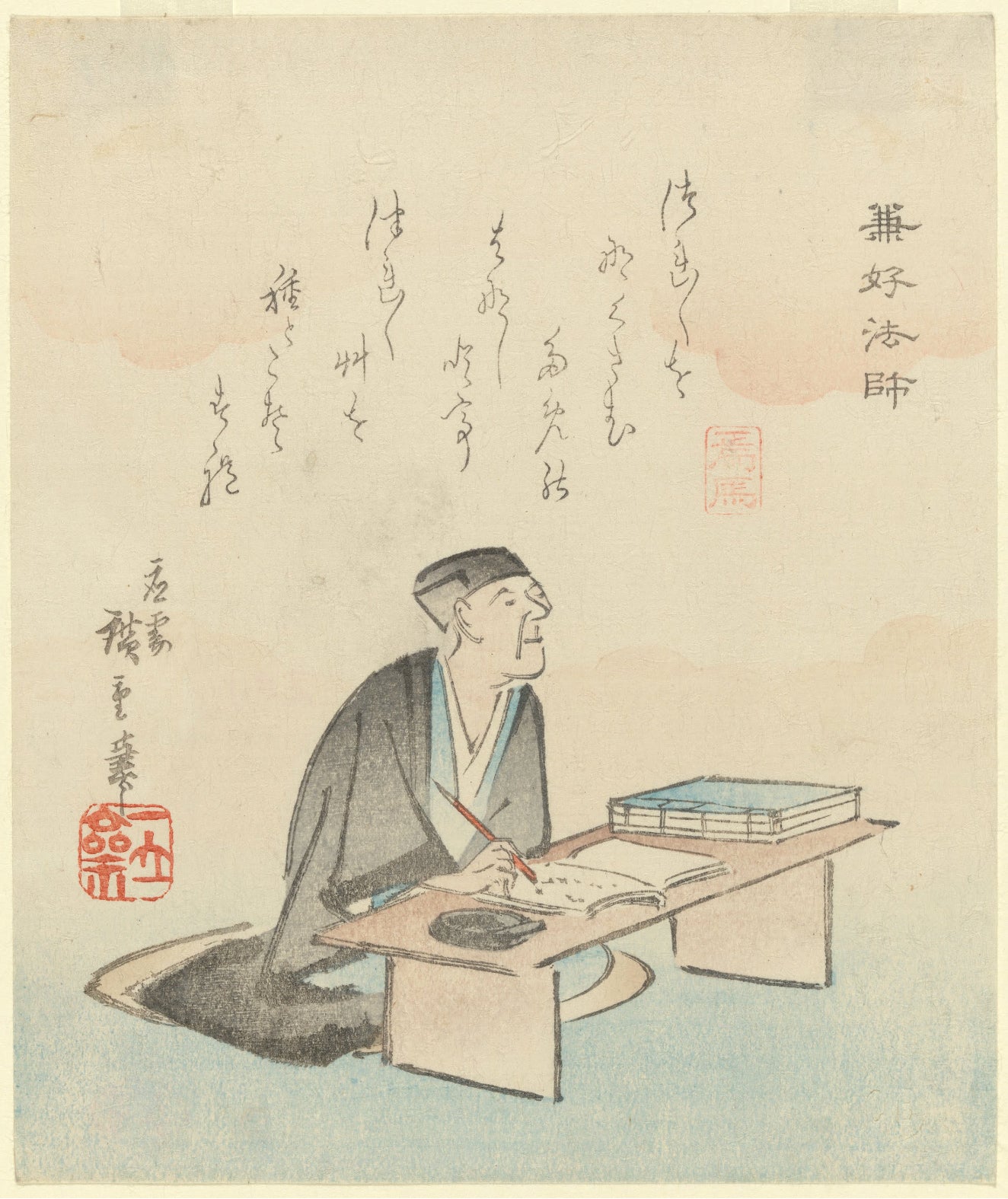
The Philosophy of Kintsugi and the Ensō: Why Imperfection Is the Point of Good Design
Kintsugi does not hide the crack—it makes the repair the point. The mark of the maker and the fracture of experience are where real value begins.
Read more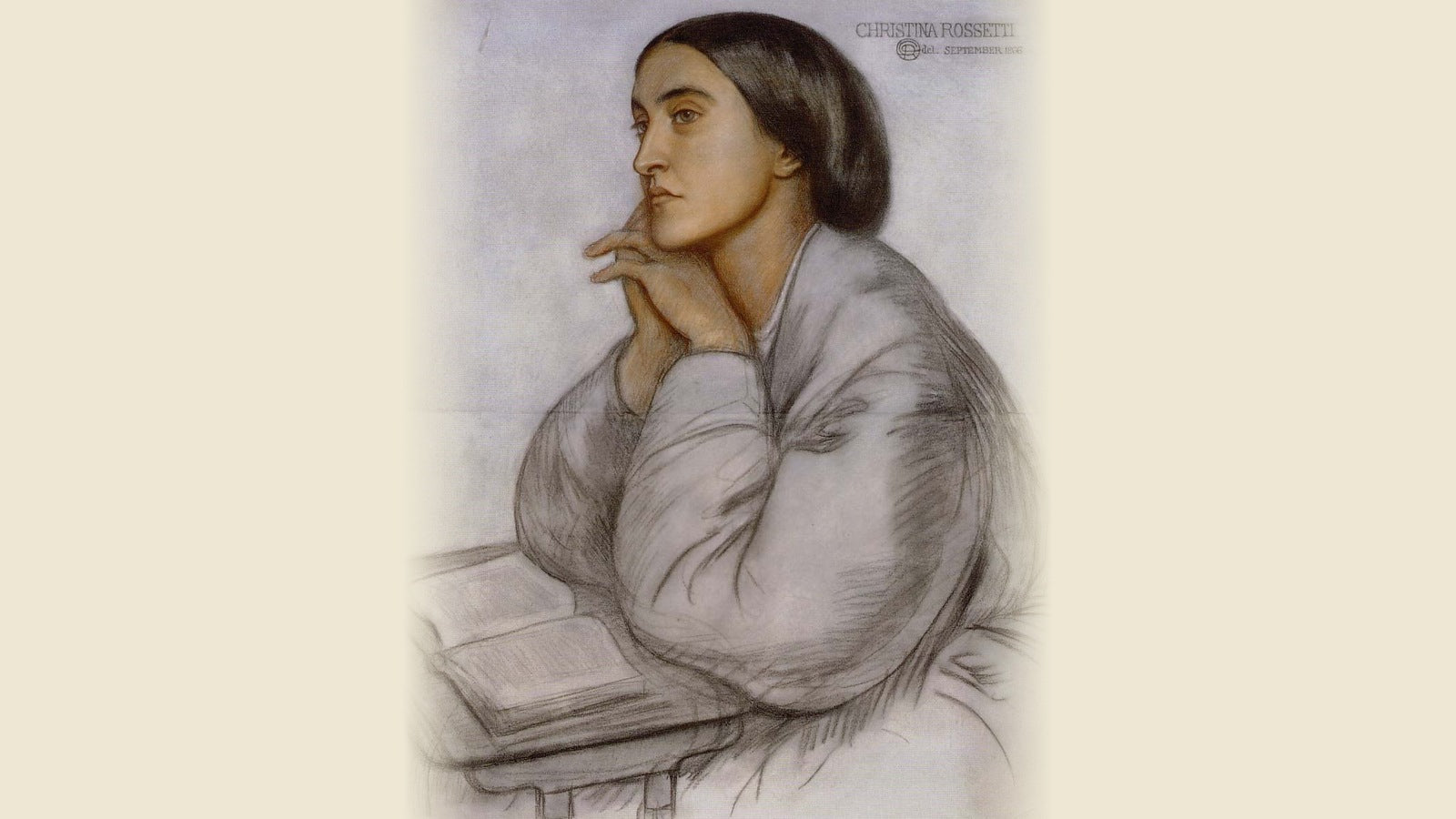
You know her lines — from holiday carols to unforgettable quotes on grief and beginning. But do you know the woman who wrote them?
Read more