
Some ideas were written centuries ago and still arrive exactly on time. This is where we follow them — through philosophy, literature, and the moments when the right words show up and change something.
Journal
RSS feed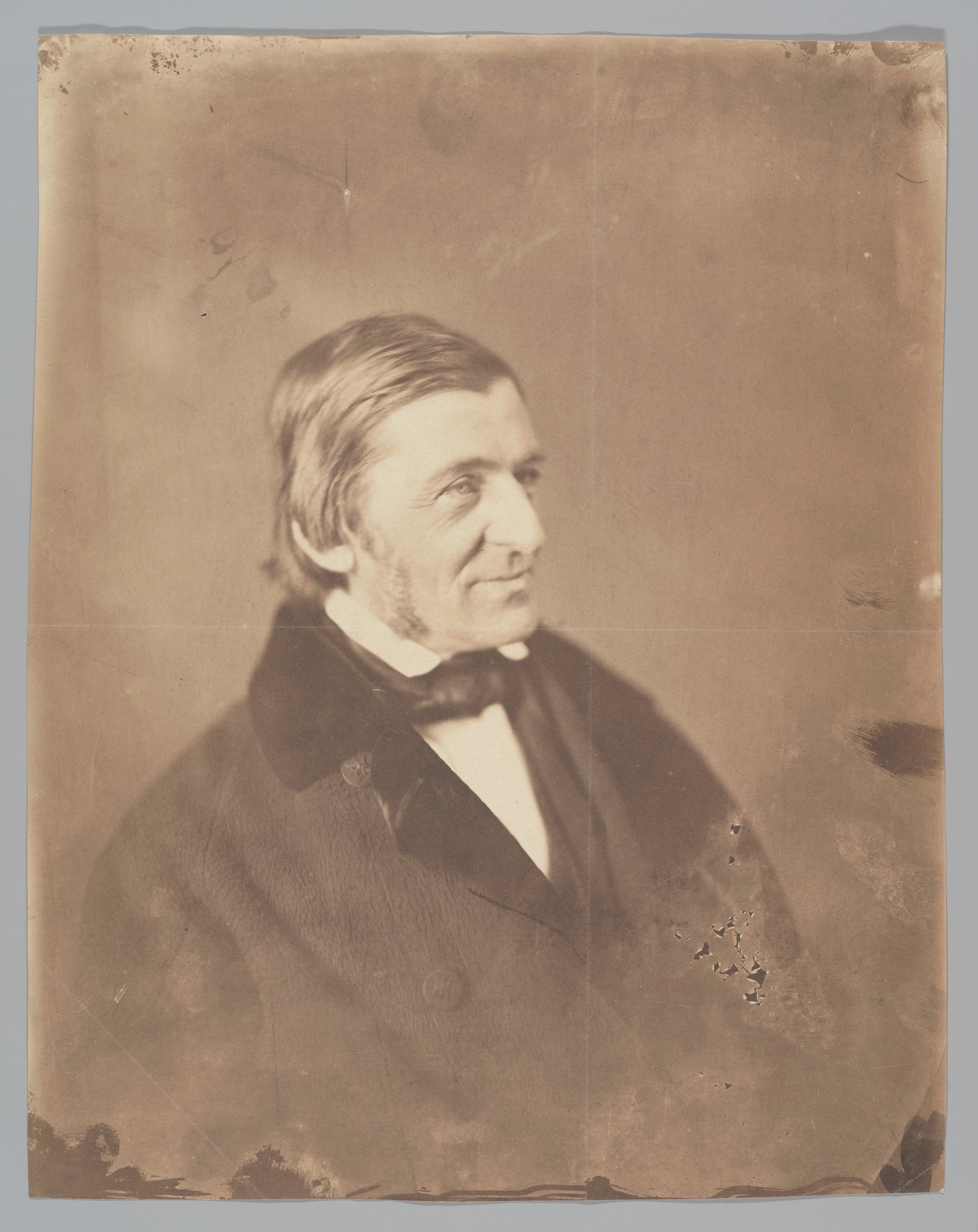

Henry David Thoreau: The Man Who Went to the Woods to Find Out What Mattered
Thoreau went to Walden to conduct an experiment — not to escape, but to find out what was actually necessary. Two years in a hand-built cabin. A philosophy that is still, somehow, getting more relevant.
Read more
Why the Possibility Tee Puts the Dash in the Middle
The Quoteiac Possibility Tee repositions the em dash in Dickinson's "I dwell in Possibility —" from its original trailing placement to the middle of the line — so the dash suspends the sentence before POSSIBILITY drops below it. The repositioning is intentional. Dickinson's dashes were structural...
Read more
Henry David Thoreau on Getting Lost to Find Yourself
You’ve seen the short version. Not till we are lost do we begin to find ourselves.
Read more
We Got One Wrong: The Poe Quote That Was Actually Washington Irving's
We sold three products with this line on them: "There is an eloquence in true enthusiasm." The attribution on every one of them read: Edgar Allan Poe.
Read more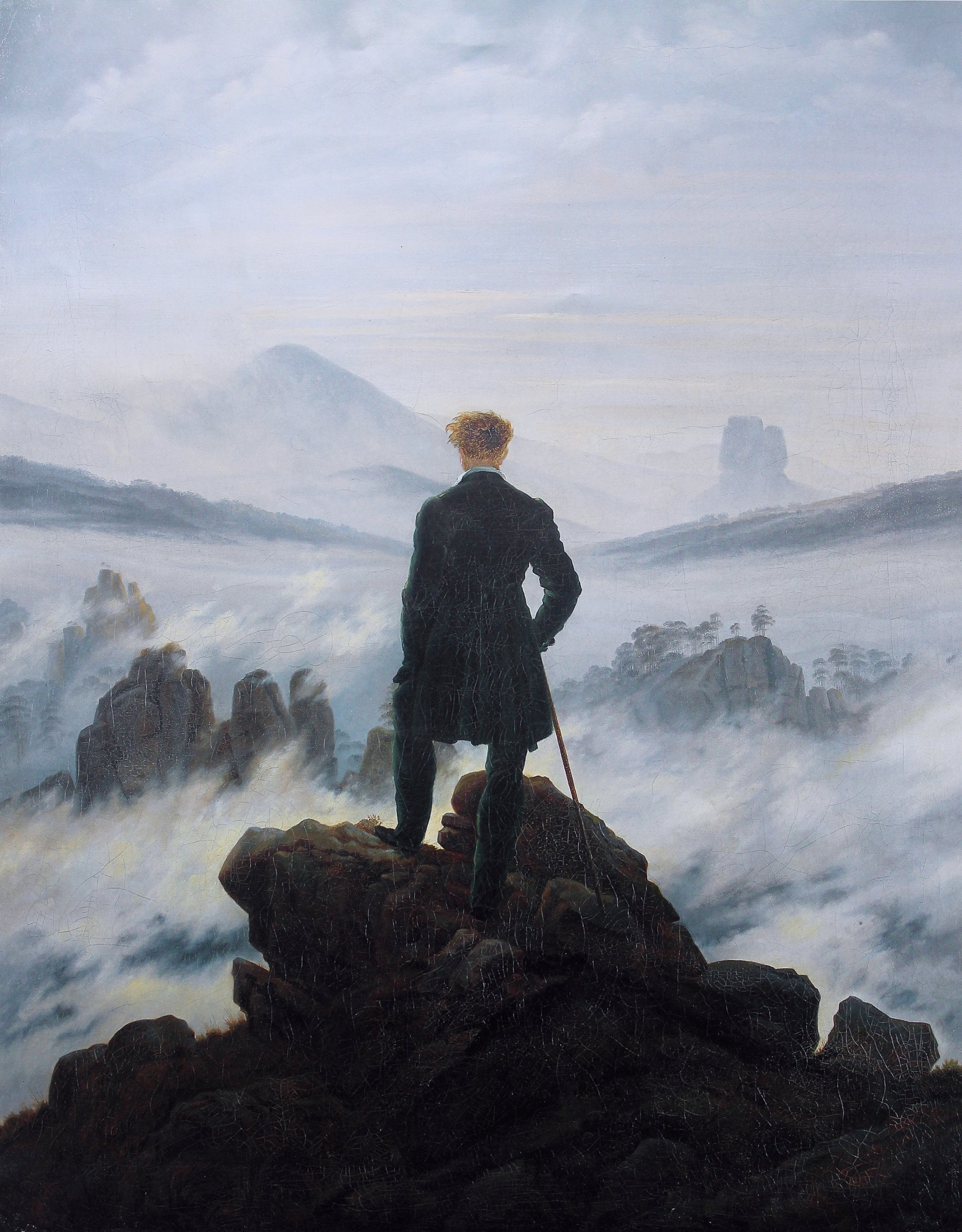
Why Dark Romanticism Is Having a Moment Right Now
Dark Romanticism — the literary movement that produced Poe, Mary Shelley, and Hawthorne — argues that human nature is not perfectible and that beauty is more honest when it sits with darkness. That argument is resonating again.
Read more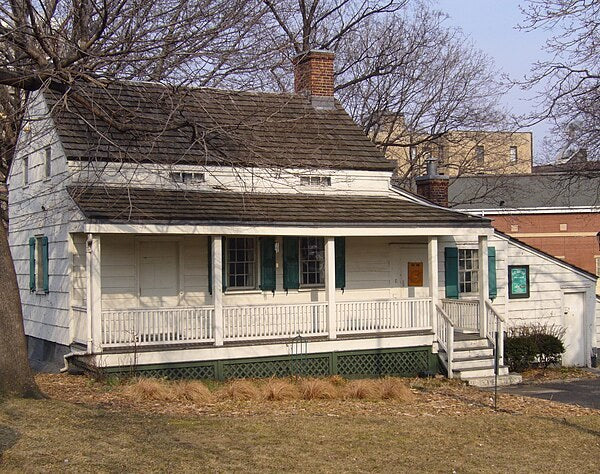
The Best Edgar Allan Poe Quotes That Aren't The Raven
Poe’s most psychologically precise writing isn’t in The Raven — it’s in the short fiction and lesser-known poems, where he works through perception, grief, and the reliability of the mind.
Read more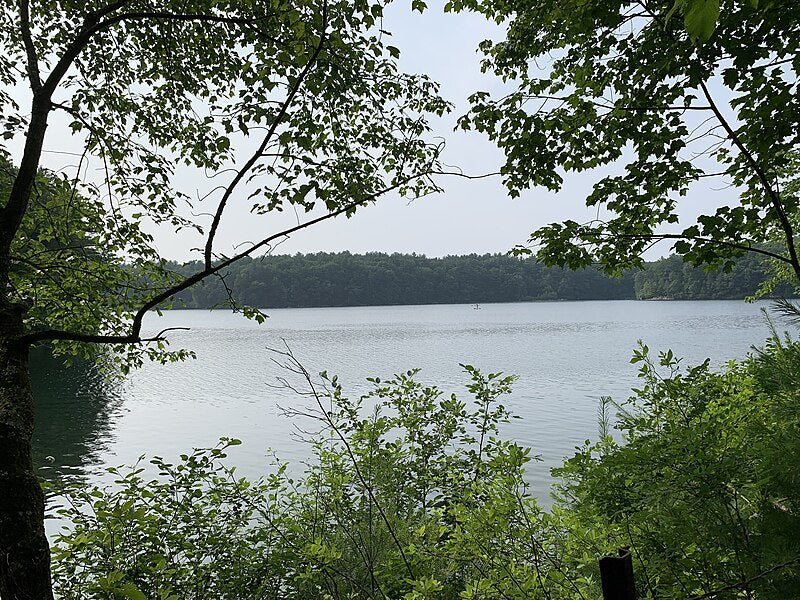
Thoreau Didn't Escape Society. He Was Testing a Theory.
Henry David Thoreau moved to Walden Pond on July 4, 1845 — the date was deliberate — not to escape society but to test a specific hypothesis about freedom and economic obligation. He stayed two years. Then he left.
Read more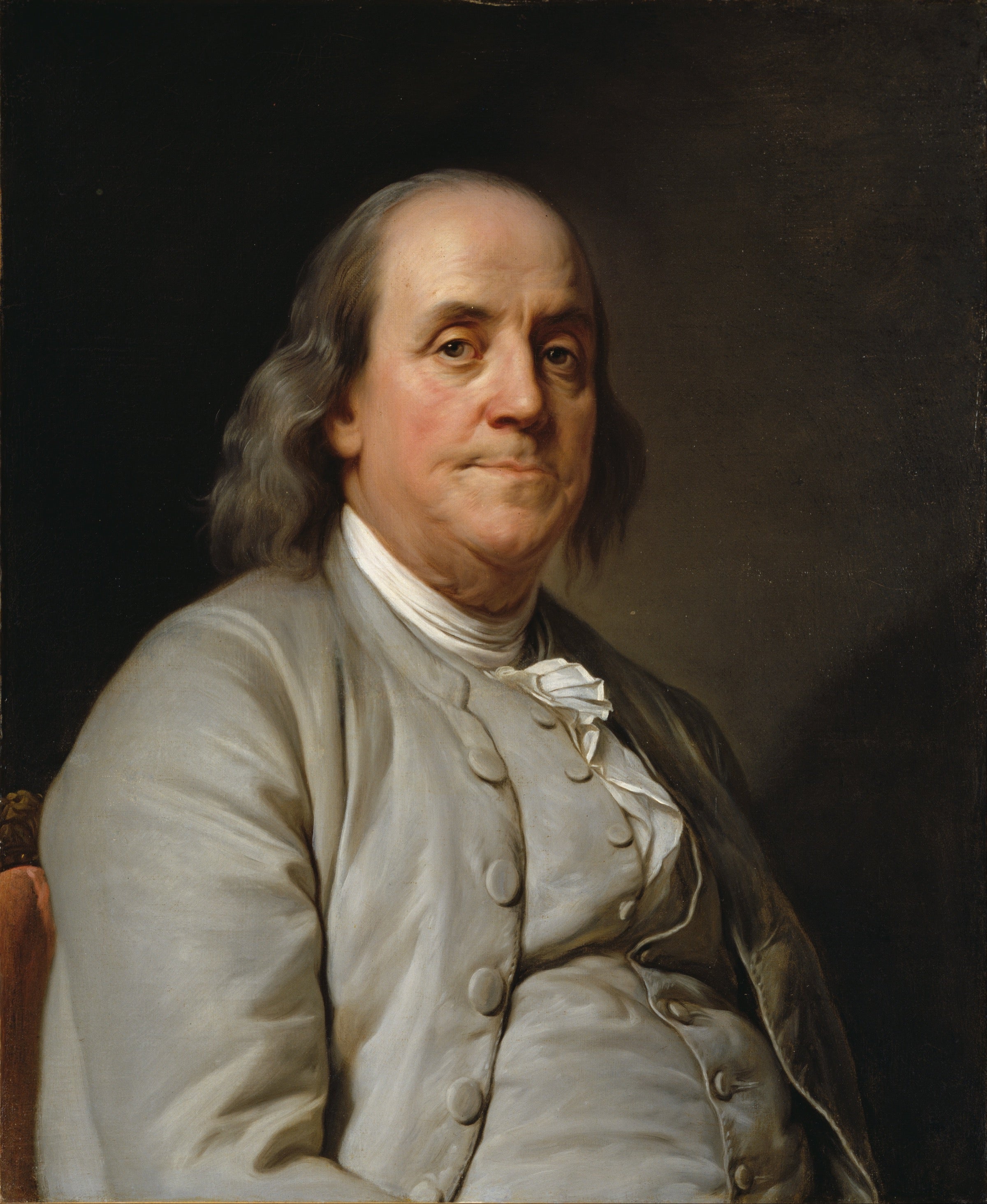
Benjamin Franklin's Most Underrated Superpower Wasn't Invention. It Was Self-Editing.
Benjamin Franklin taught himself to write by copying essays from memory, then scrambling them so he’d have to find the right structure again. The self-editing is the more important story.
Read more