
Some ideas were written centuries ago and still arrive exactly on time. This is where we follow them — through philosophy, literature, and the moments when the right words show up and change something.
Journal
RSS feed
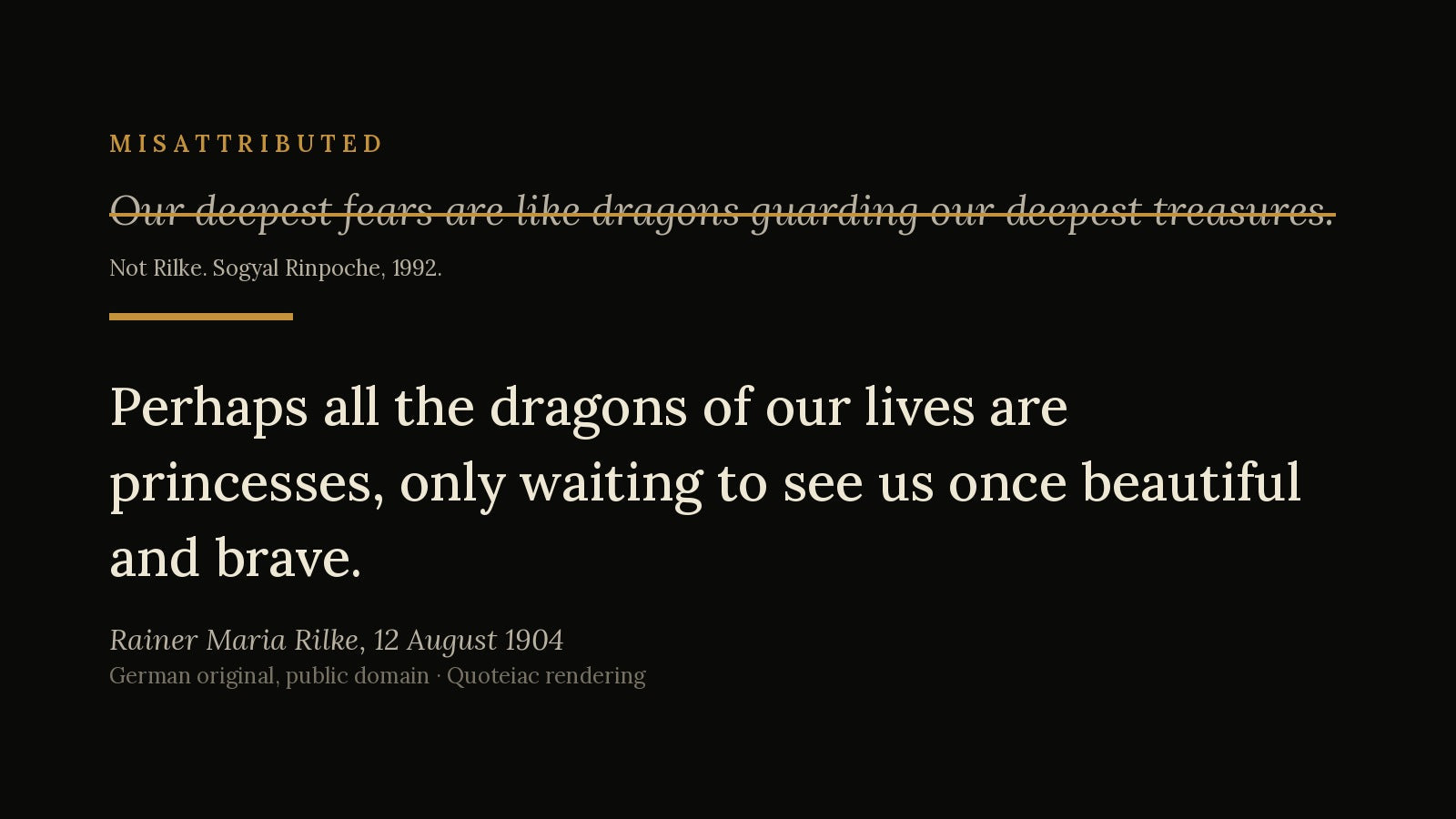
Ted Lasso Got the Rilke Quote Wrong (And So Did Everyone Else)
The quote Rebecca reads in Ted Lasso is a paraphrase from a 1992 book. The real Rilke passage says something stranger and harder — and it was there all along.
Read more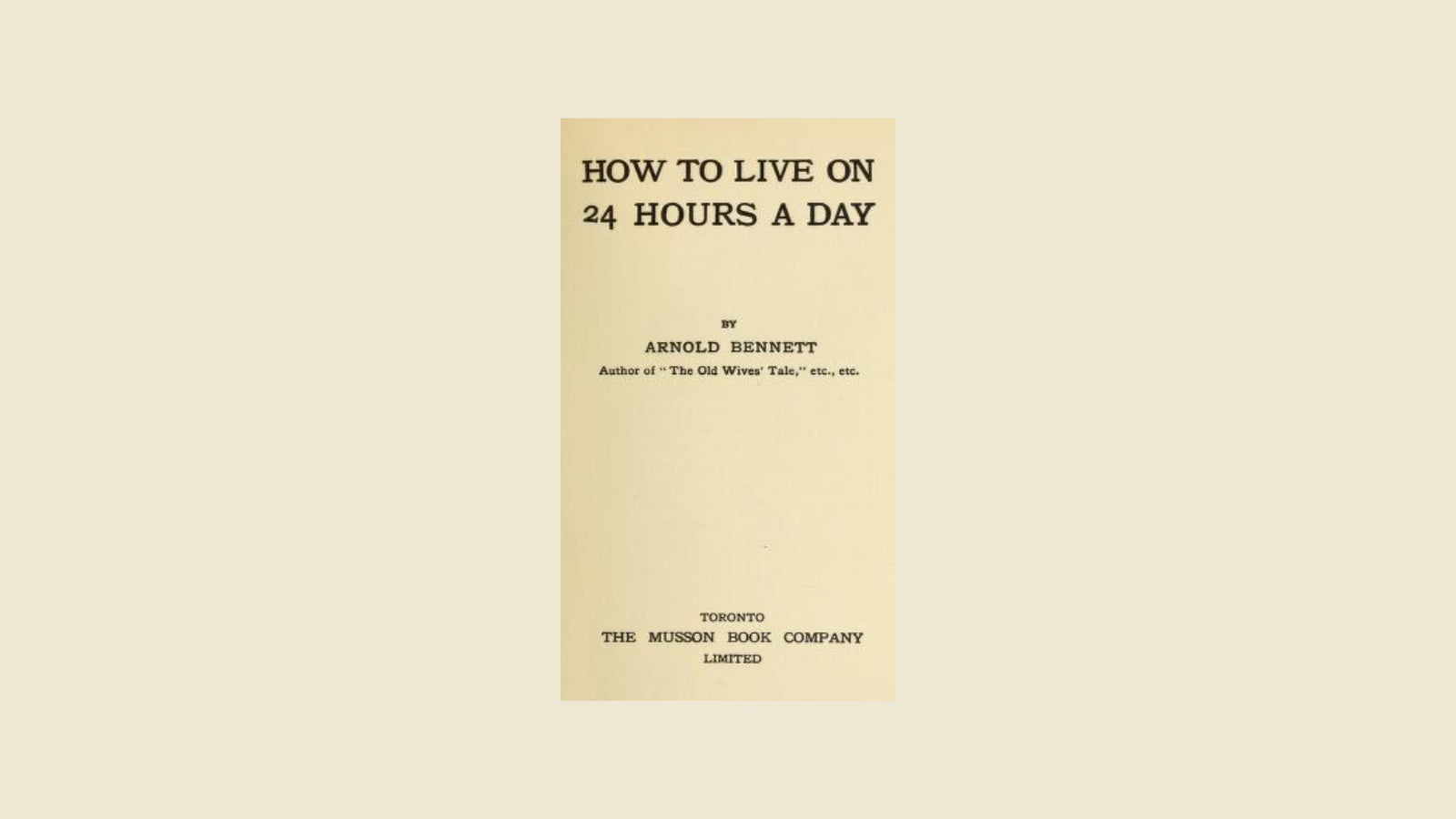
The Original Productivity Book Is 118 Years Old: What Arnold Bennett Got Right (and Wrong)
In 1908, Arnold Bennett published How to Live on 24 Hours a Day, inventing the modern time-management genre before it had a name. We examine Bennett’s famous 1908 treatise, how his ideas compare to Thoreau’s, and why the pure-effort life misses half the point.
Read more
Who Was George Edward Woodberry? The Story Behind "Defeat Is Not the Worst of Failures"
George Woodberry taught that literature is a living encounter, not a catalog. He built a department on that belief. Finding his words now feels like finding something rare.
Read more
Did Emerson Write "Do Not Go Where the Path May Lead"? No. Muriel Strode Did in 1903.
"Do not go where the path may lead" is credited to Emerson on approximately every trail-themed product in existence. It is not Emerson. It is Muriel Strode, 1903.
Read more
A Poem About Circles That Grow Wide, and the Cup That Kept Turning Them Into a Bullseye
We thought a poem about circles would be the easy thing to put on a cup. The story of eighteen versions, and the difference between a quote and a product.
Read more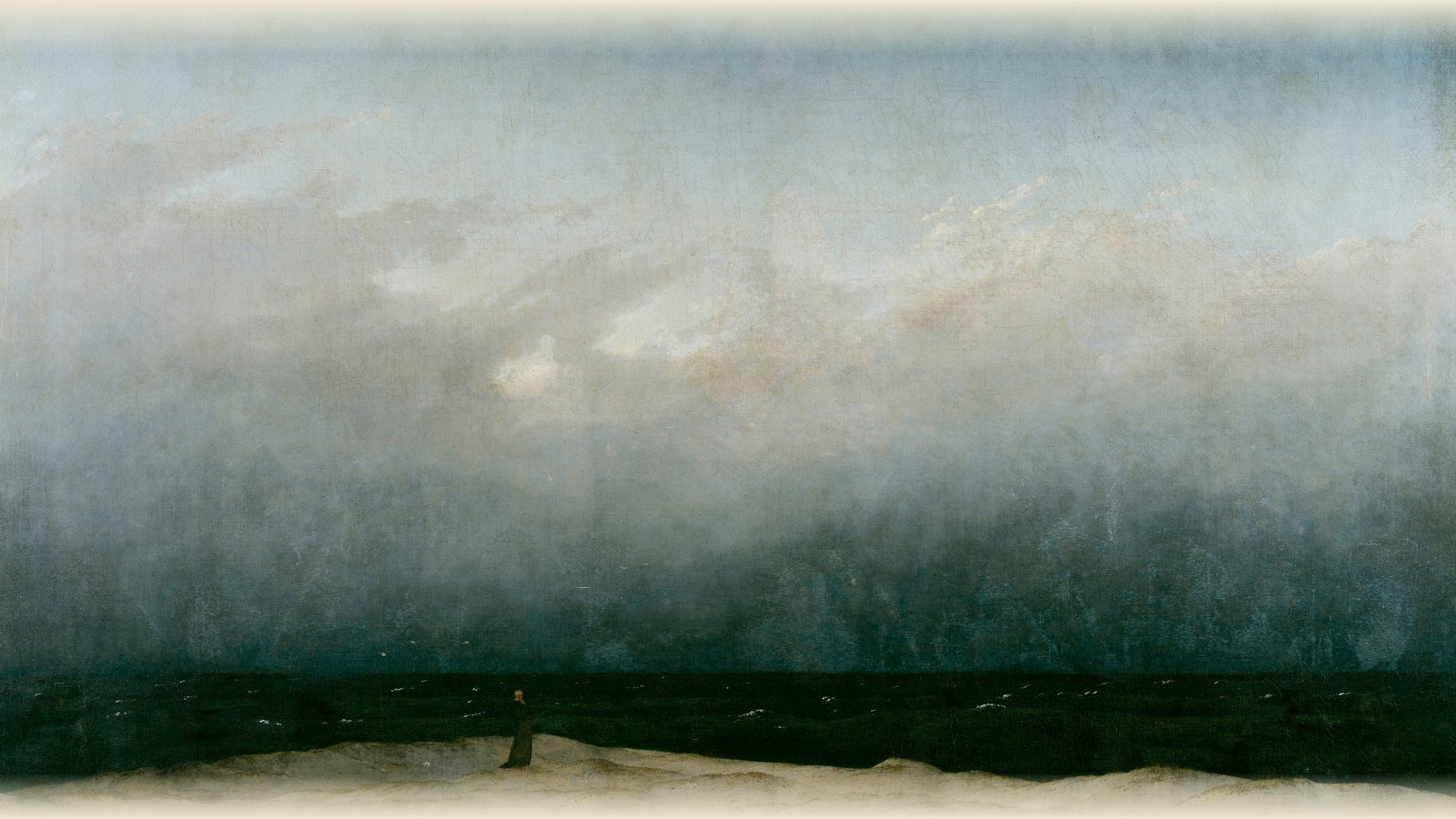
I Am a Part of All That I Have Met
Tennyson wrote the line from Ulysses while still reeling from the sudden death of his closest friend. What remains is a clear-eyed claim: experience changes us, and we keep going. The man behind the poem.
Read more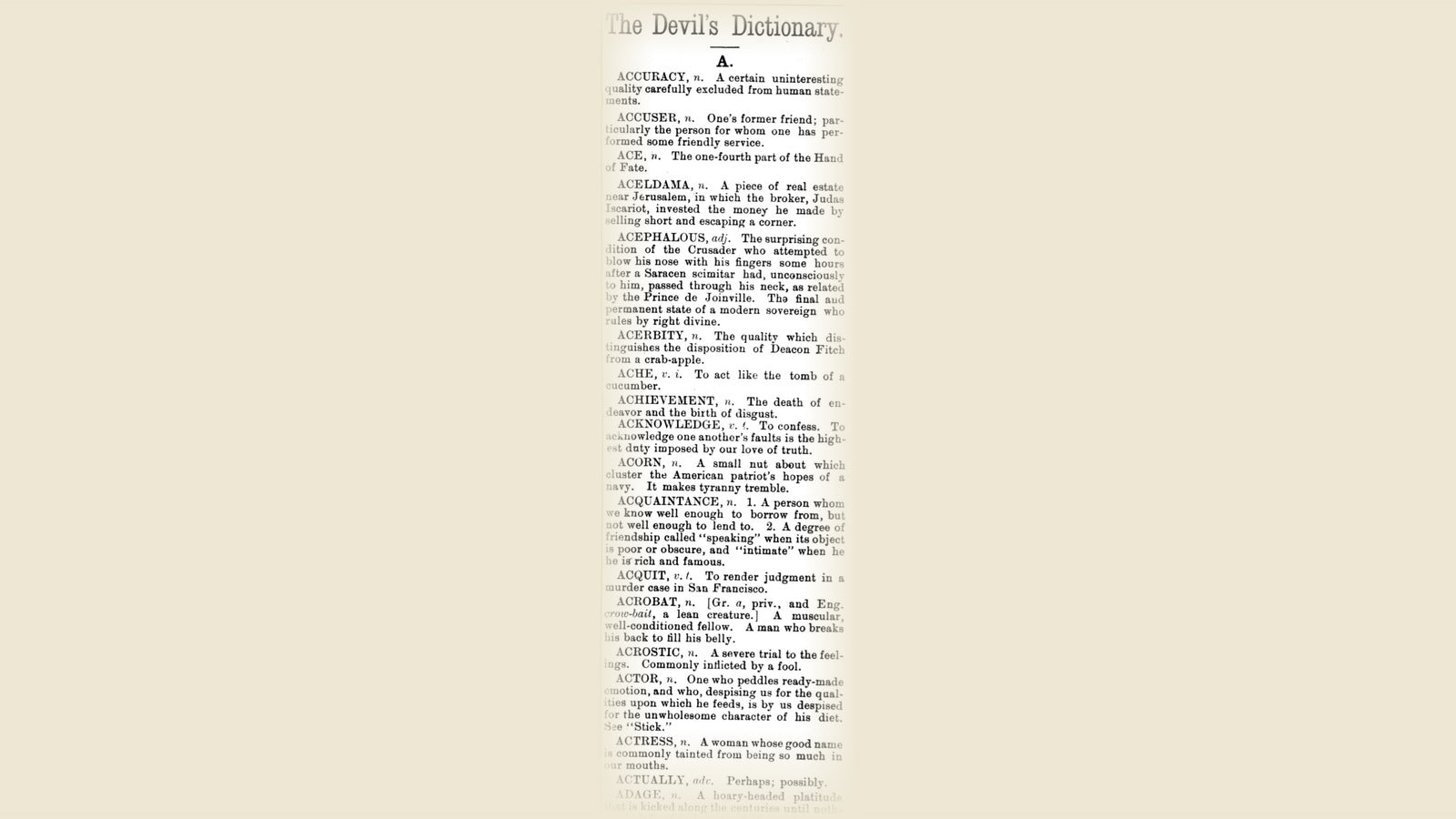
The Man Who Defined the Devil Out of Language
Ambrose Bierce turned four years of Civil War and decades of observation into the most exacting definitions in English. Meet the man behind The Devil’s Dictionary and the lines we added to our catalog.
Read more
When Books Become Training Data: Anthropic's Project and Why Provenance Still Matters
Anthropic’s Project Panama shredded millions of books to train Claude. A federal court approved a $1.5B author settlement eight days ago. Here’s what it means.
Read more
William Blake Saw the Universe in a Grain of Sand
William Blake saw angels in a tree as a child and never walked it back. When he wrote that a grain of sand contains a world, he meant it literally. What he was describing — and what the grain of sand quatrain still demands — is a different quality of attention than most people ever attempt.
Read more