
Some ideas were written centuries ago and still arrive exactly on time. This is where we follow them — through philosophy, literature, and the moments when the right words show up and change something.
Journal
RSS feed
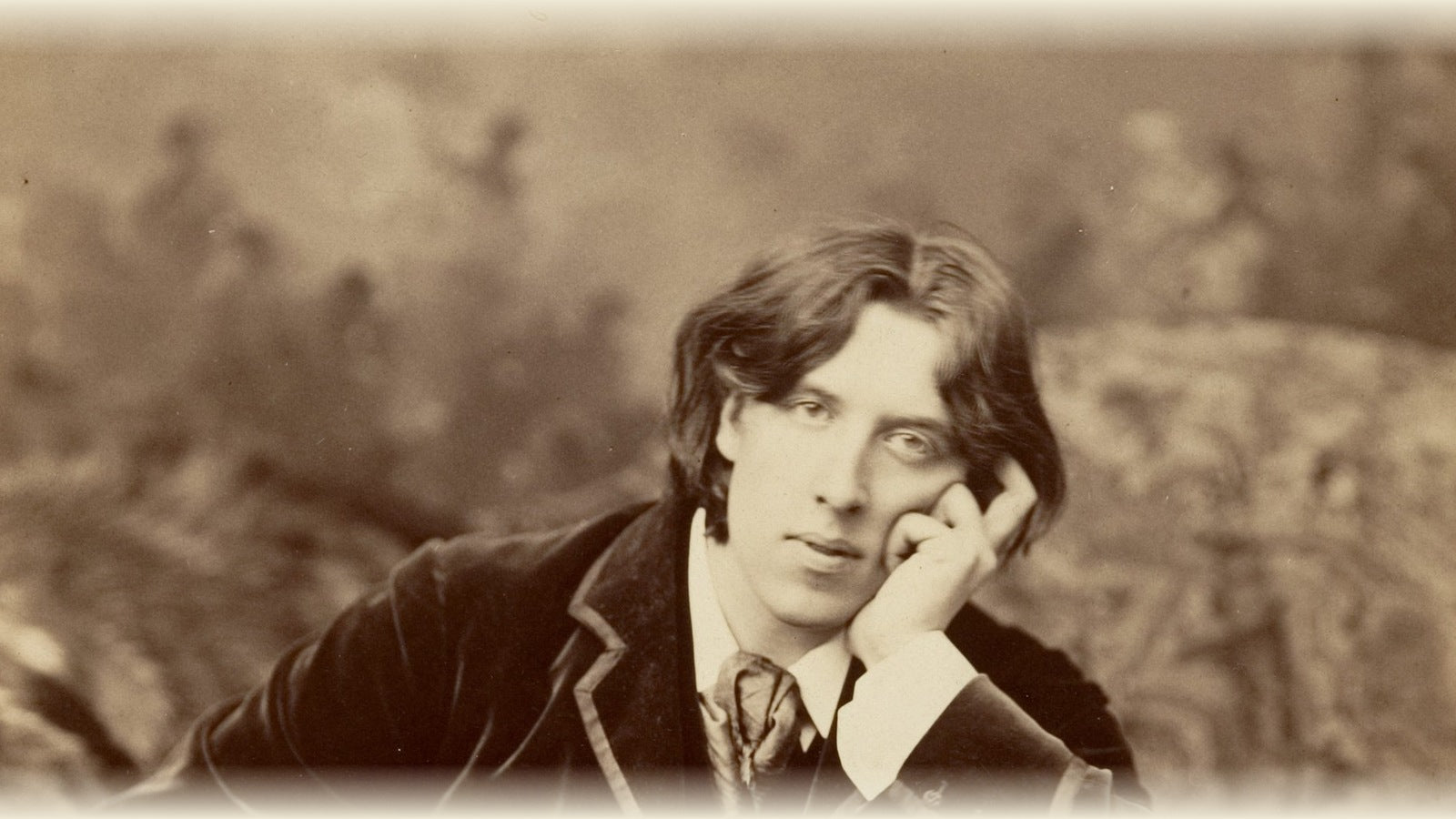
Did Oscar Wilde Say "Be Yourself; Everyone Else Is Already Taken"? No — Here's the Real Story
“Be yourself; everyone else is already taken” sounds like Oscar Wilde. But he never said it. Here’s the proof, the real lines he wrote, and why we don’t print the fake.
Read more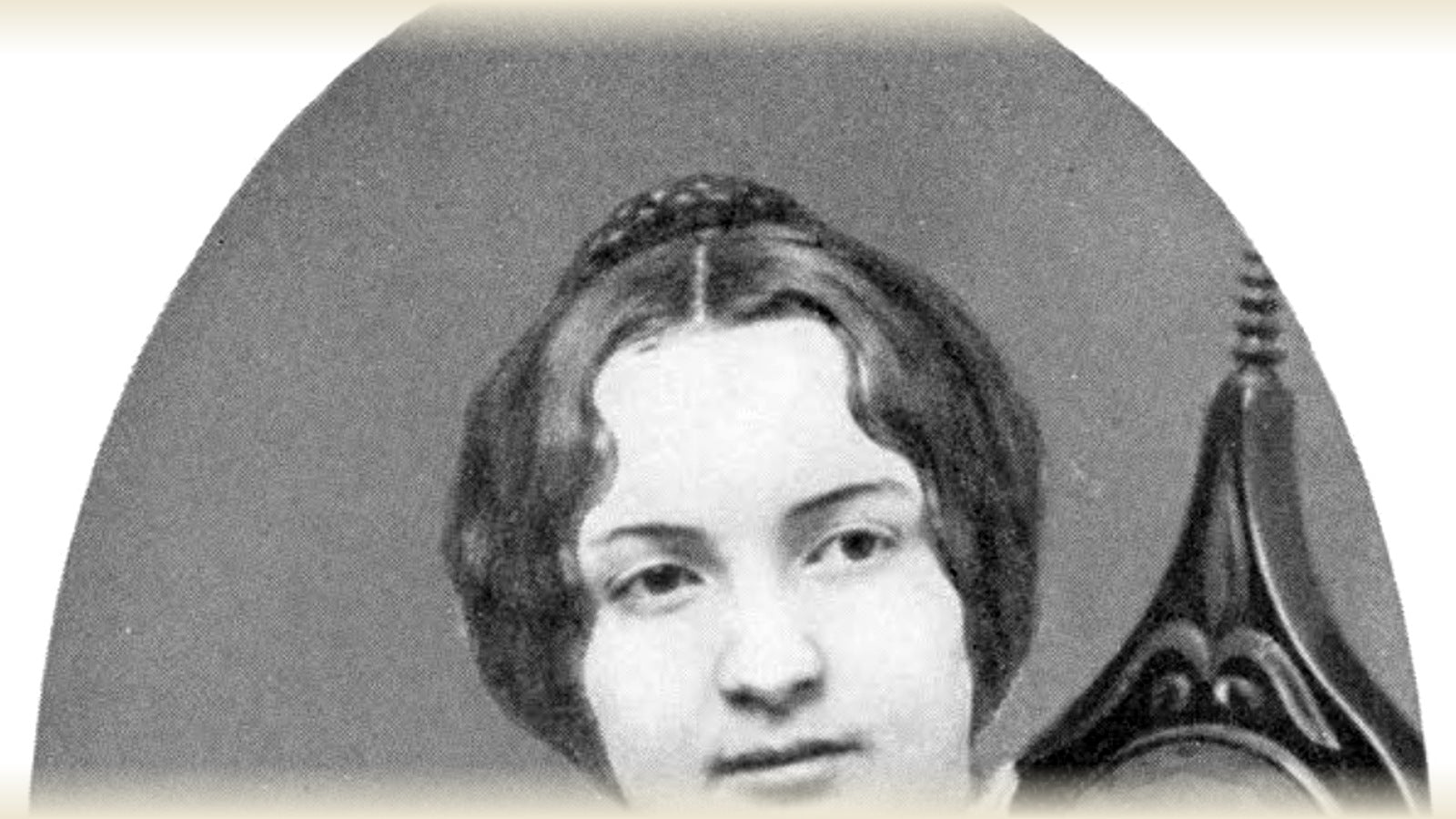
Emily Dickinson's Poems Almost Didn't Survive
The poems almost didn't survive. The story of who saved them — and what it cost — is as remarkable as the work itself.
Read more
Why Marcus Aurelius’ Meditations Belongs on Every Business Reading List
When Carol Roth asked for a business book recommendation, I chose Marcus Aurelius’ Meditations — written 1,800 years ago in private by a Roman emperor. Here’s why this ancient text remains one of the most practical and grounding reads for modern entrepreneurs and leaders.
Read more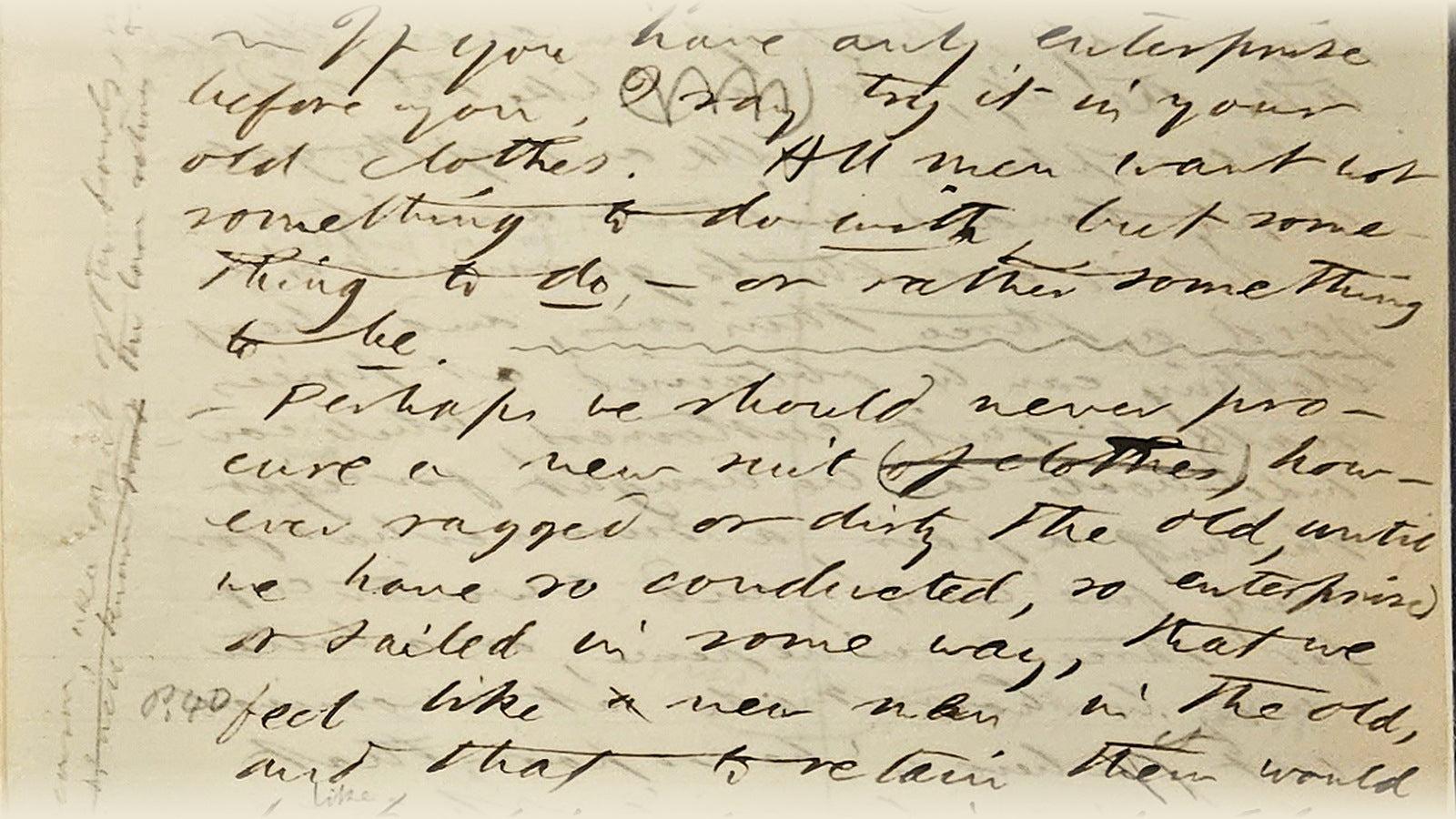
Walden Was an Experiment. Thoreau Published the Data.
Thoreau kept a ledger. Two years at Walden Pond, every expense recorded. The question he was testing is still open.
Read more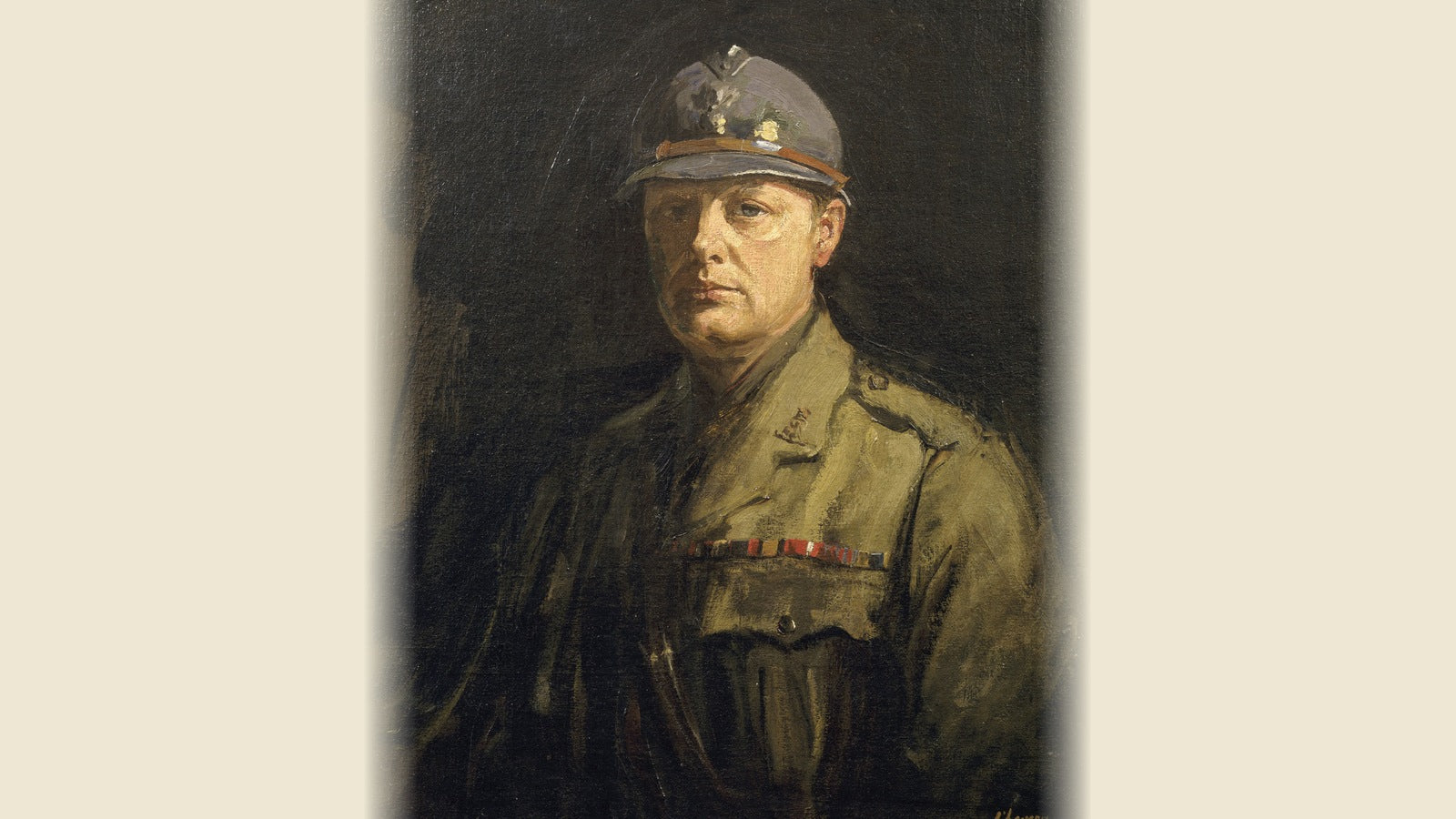
Did Winston Churchill Say That? How to Spot a Fake Churchill Quote — and What He Actually Wrote
The quotes pinned on Churchill outnumber the ones he actually wrote. Here’s how misattribution works at scale — and how to check before you share.
Read more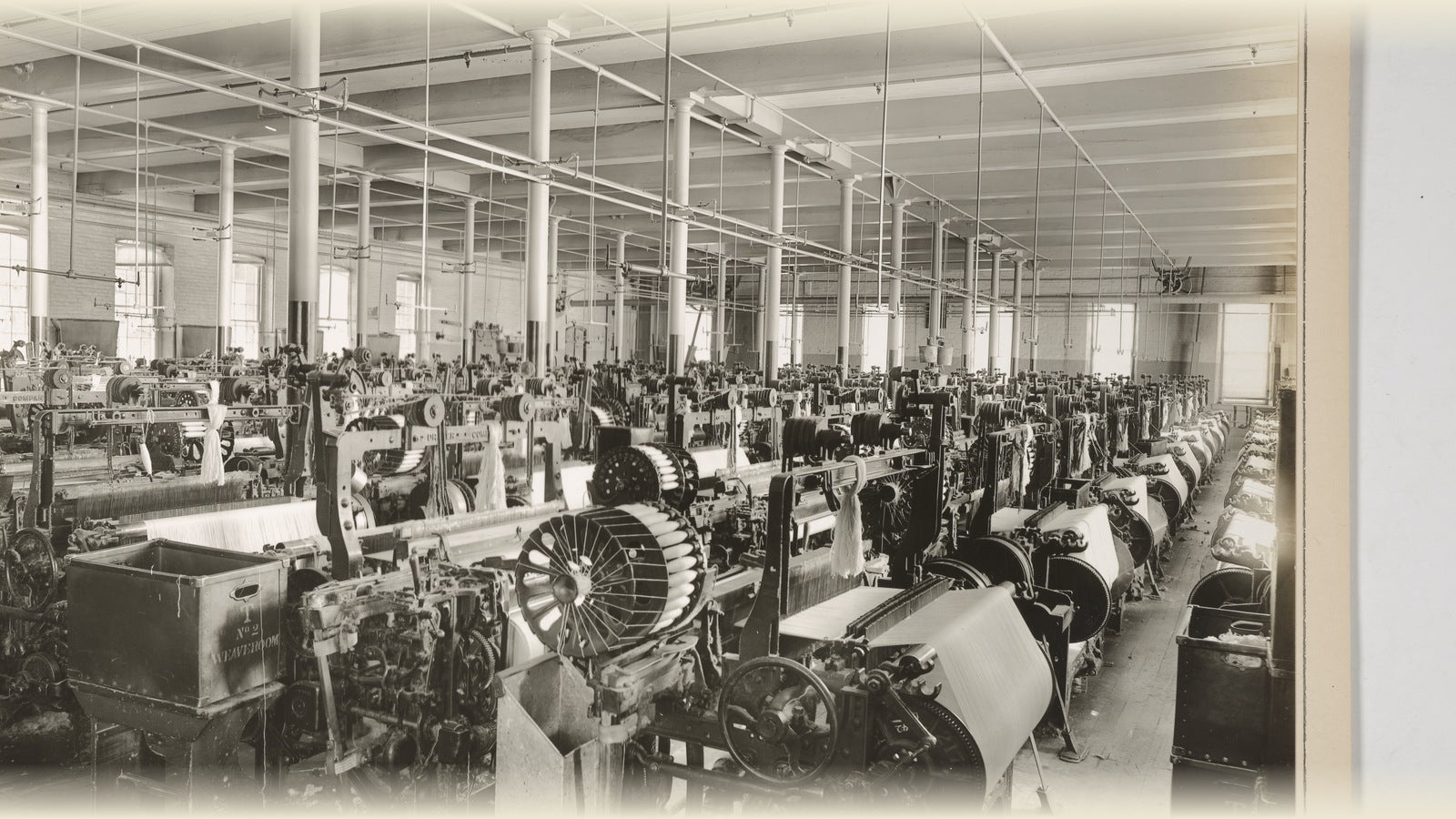
Why the Shirt Matters: The Thoughtful Apparel Behind Quoteiac Designs
Not all t-shirts are the same. Here’s how Quoteiac chooses the fabric for each design — and what combed ring-spun cotton, garment dyeing, and GOTS certification actually mean in your hands.
Read more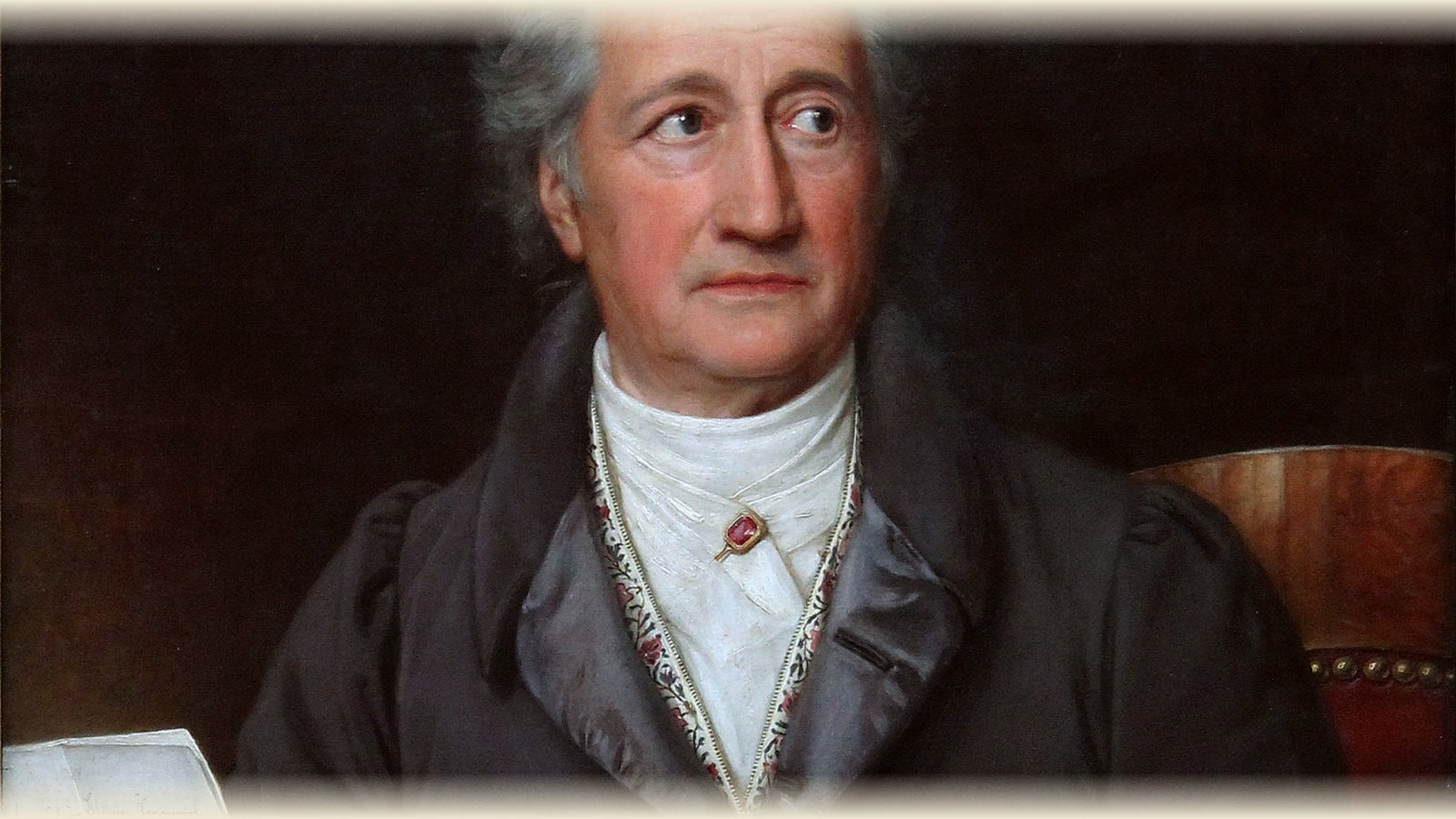
Goethe Spent Twenty Years on Color. Newton Thought He Was Wasting His Time.
In 1810, Goethe challenged Newton’s theory of color with twenty years of observation in a dark room. He was dismissed as a poet playing at science. Here’s what he actually found.
Read more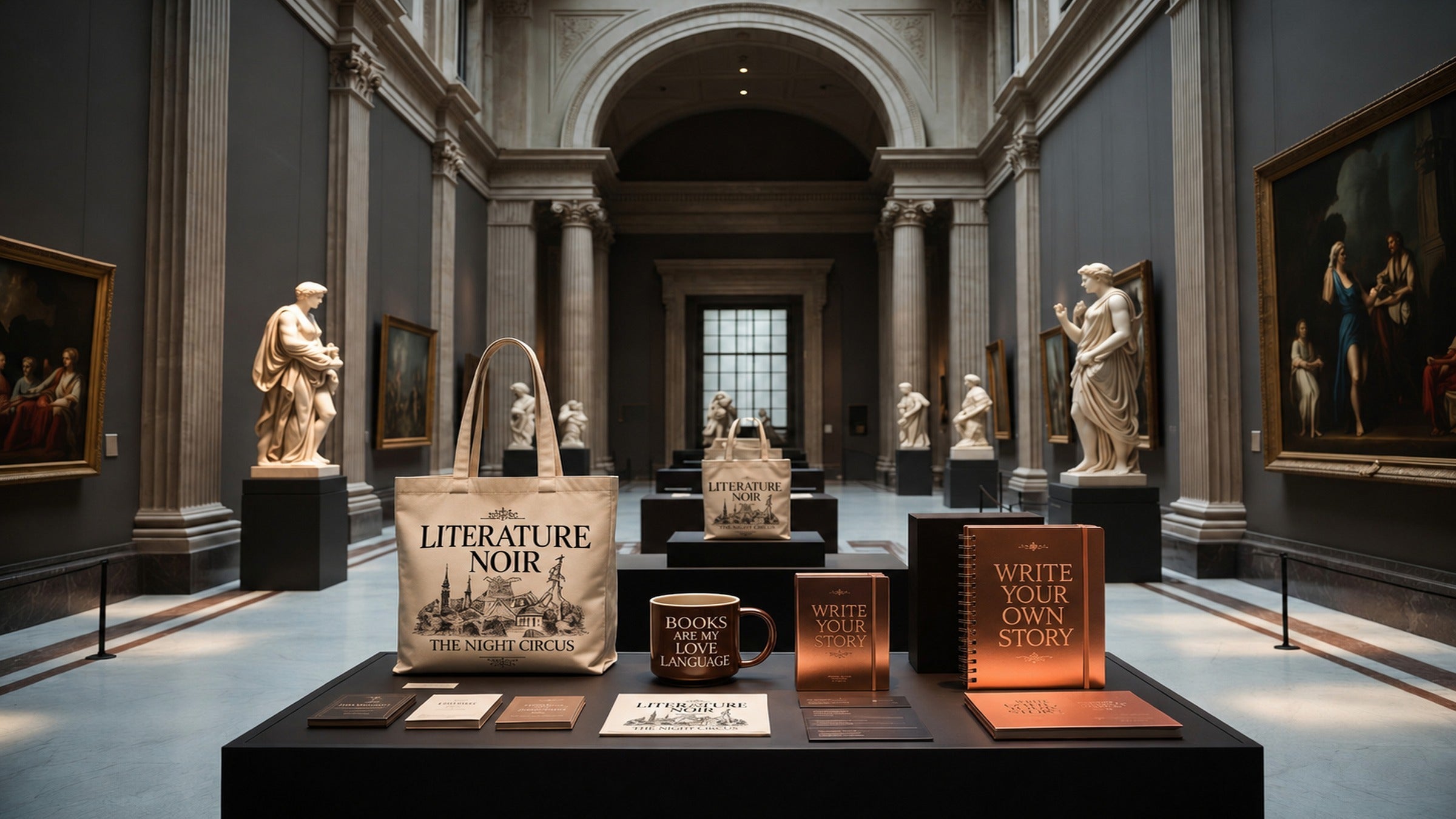
The Standard Often Stops at the Register
I walked out of the galleries into the gift shop and found the contradiction waiting: meticulous provenance on the walls, unverified quotes on the merchandise. Here's why that gap matters.
Read more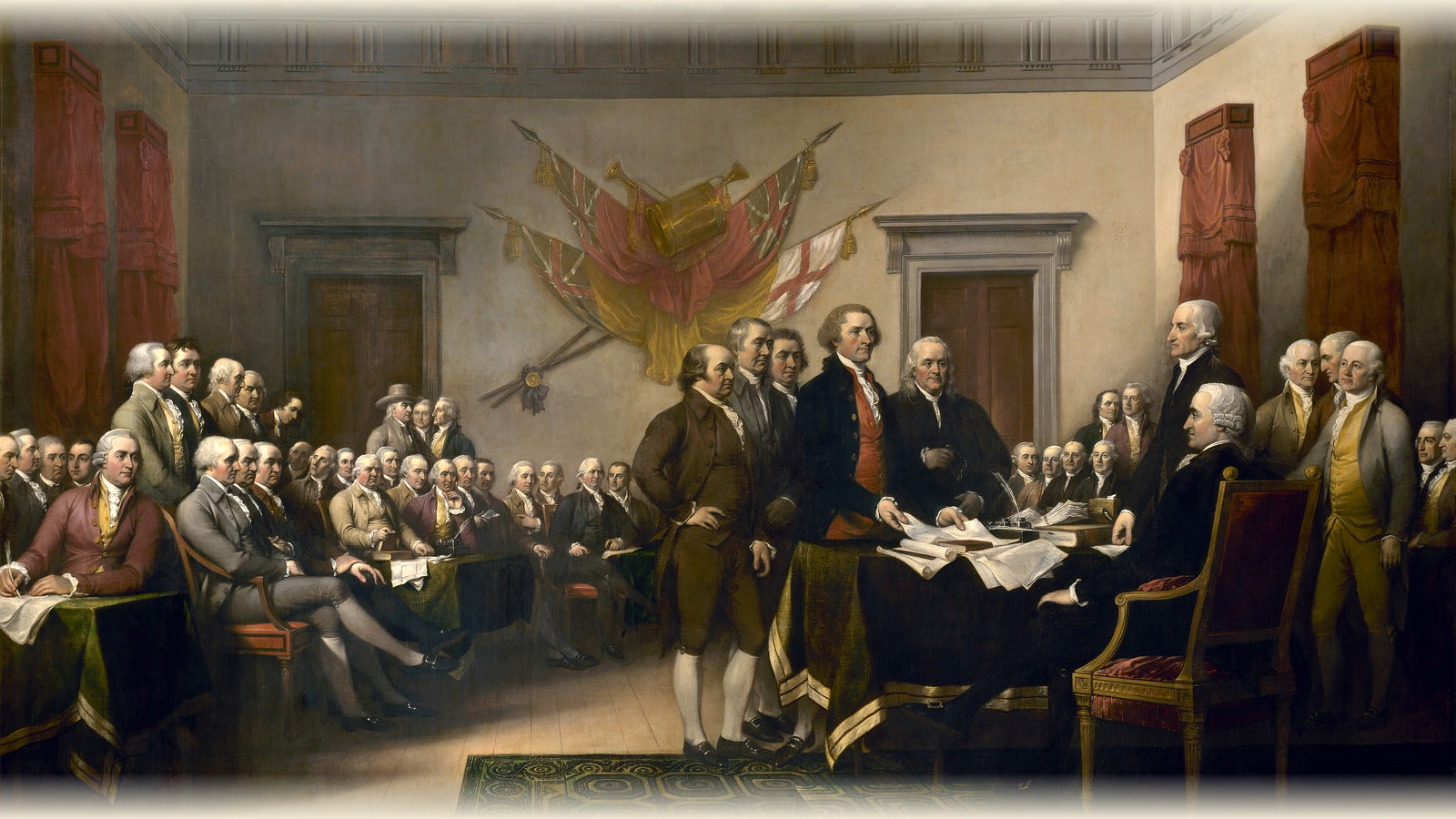
The Declaration of Independence Is Great Literature — Here's How It Works
Jefferson’s Declaration wasn’t just a political document — it was written to be heard. Here’s how the most consequential sentence in American political writing actually works.
Read more