
Horace · via Kant, 1784
“Sapere Aude — “Dare to Know”
Epistles I.2, line 40 · c. 20 BC
Documented source
Attribution
Horace · via Kant, 1784
Source
Epistles I.2, line 40 · c. 20 BC
In full
“Sapere Aude — “Dare to Know”
Status
Public domain in the United States
Every quote here is traced to a documented source. How we verify →
About this line
These two Latin words carry two famous English renderings. Literally, sapere aude is “dare to be wise” — Horace’s nudge to stop intending to live well and actually begin. But in 1784 Kant made the phrase the rallying cry of the Enlightenment, and in that tradition it comes into English as “dare to know”: have the courage to use your own understanding, without waiting for anyone’s permission. Same two words — one asks for wisdom, the other for the nerve to think for yourself. We print the Enlightenment version.
Why we carry this line
Think for yourself, and stop waiting for permission. Just smacked me as on brand for Quoteiac.
Objects carrying this line
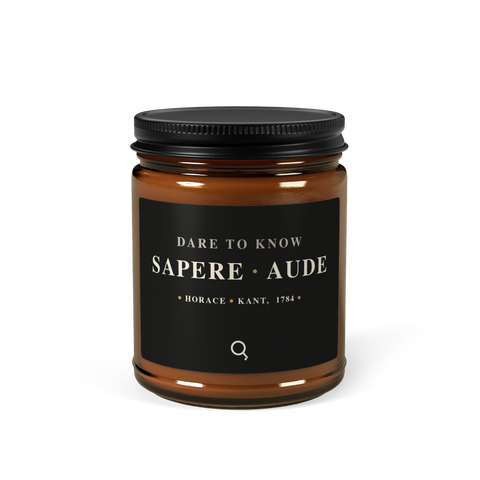
More from this authorHorace · via Kant, 1784 →