
Some ideas were written centuries ago and still arrive exactly on time. This is where we follow them — through philosophy, literature, and the moments when the right words show up and change something.
Journal
RSS feed
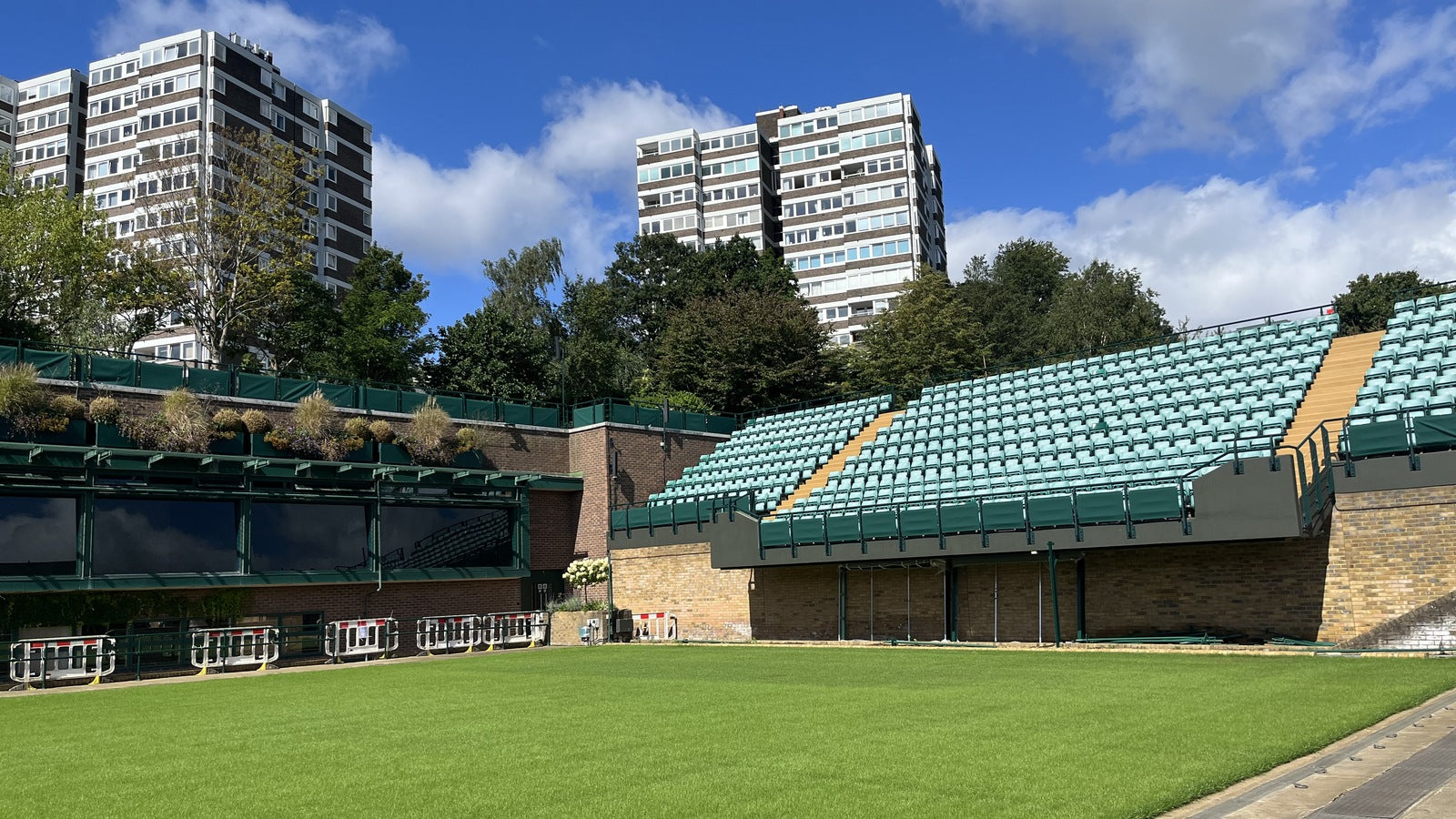
Boris Becker Read Marcus Aurelius in Prison. Then He Started Teaching It.
Boris Becker read Marcus Aurelius in a British prison cell. What he took from it — and then taught to fellow inmates — is exactly what the Stoics said philosophy was for.
Read more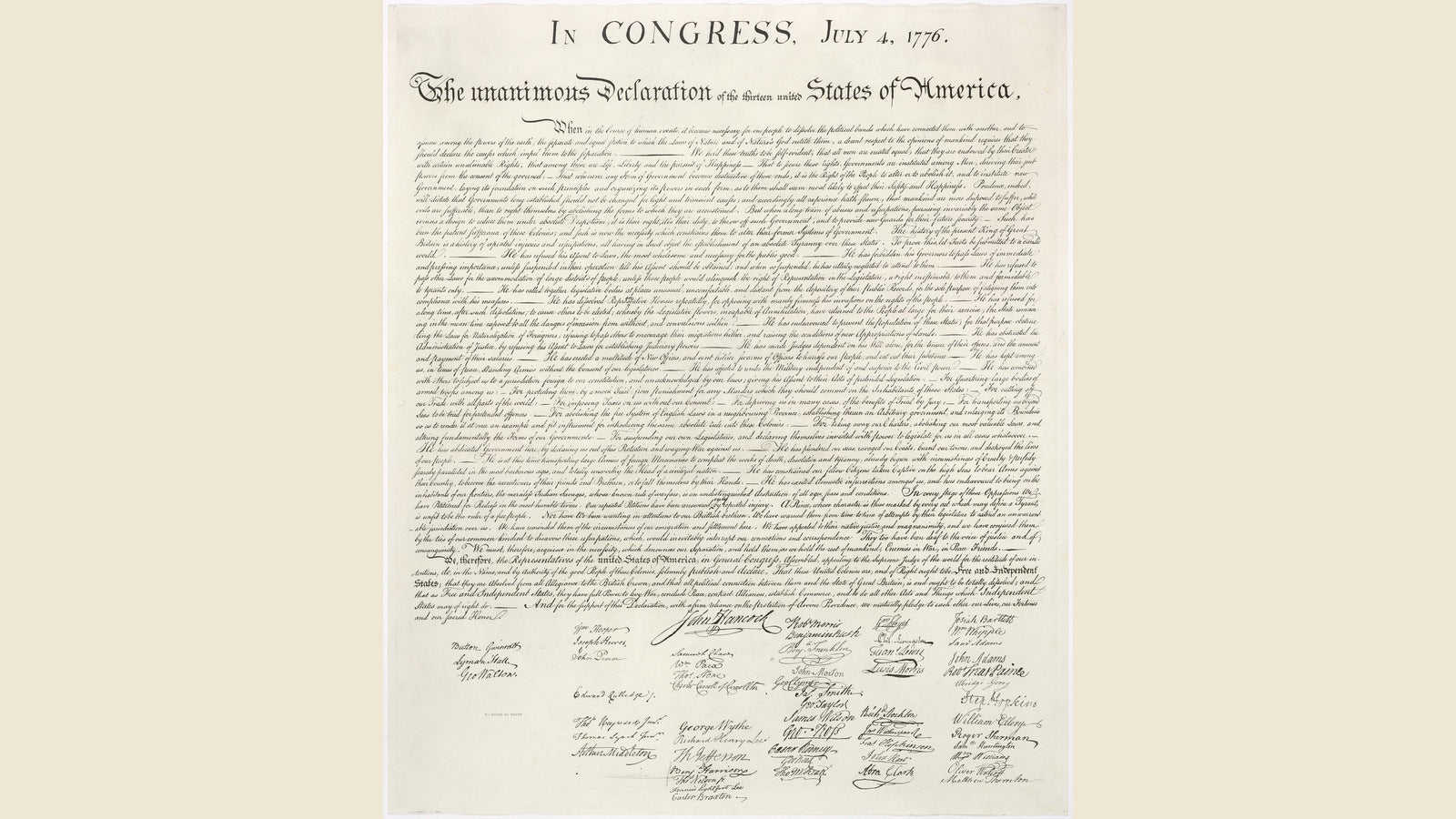
What the Founders Actually Said (And Why It Matters in 2026)
Five sentences from four American presidents — Adams, Jefferson, Madison, Roosevelt — verified from primary sources. What they actually said, where they said it, and why it reads like this week’s news.
Read more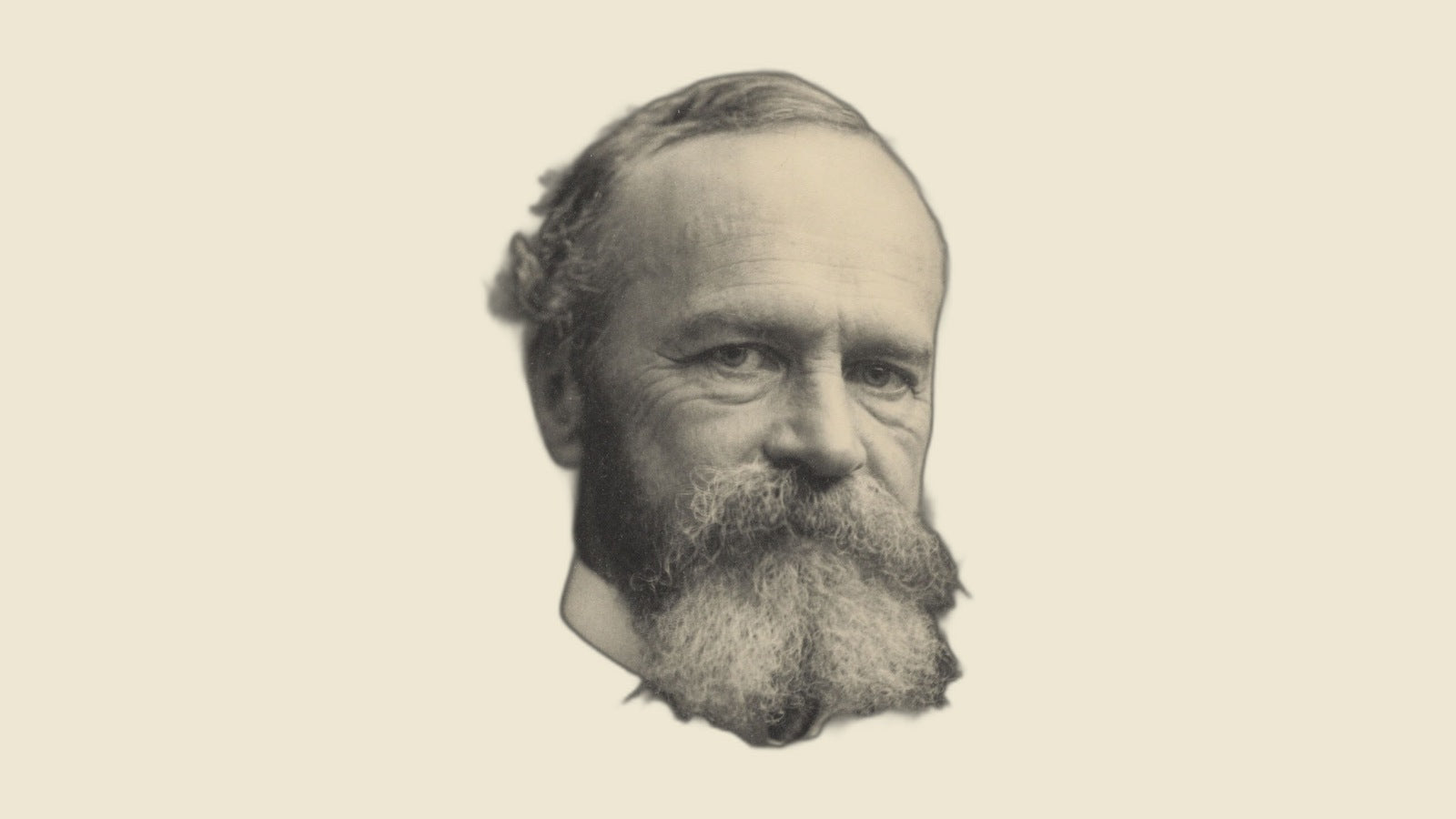
What William James Actually Meant by the Art of Being Wise
William James defined wisdom in 1890 as knowing what to overlook. One sentence from a 1,400-page psychology textbook. Here’s what he meant — and why it still cuts.
Read more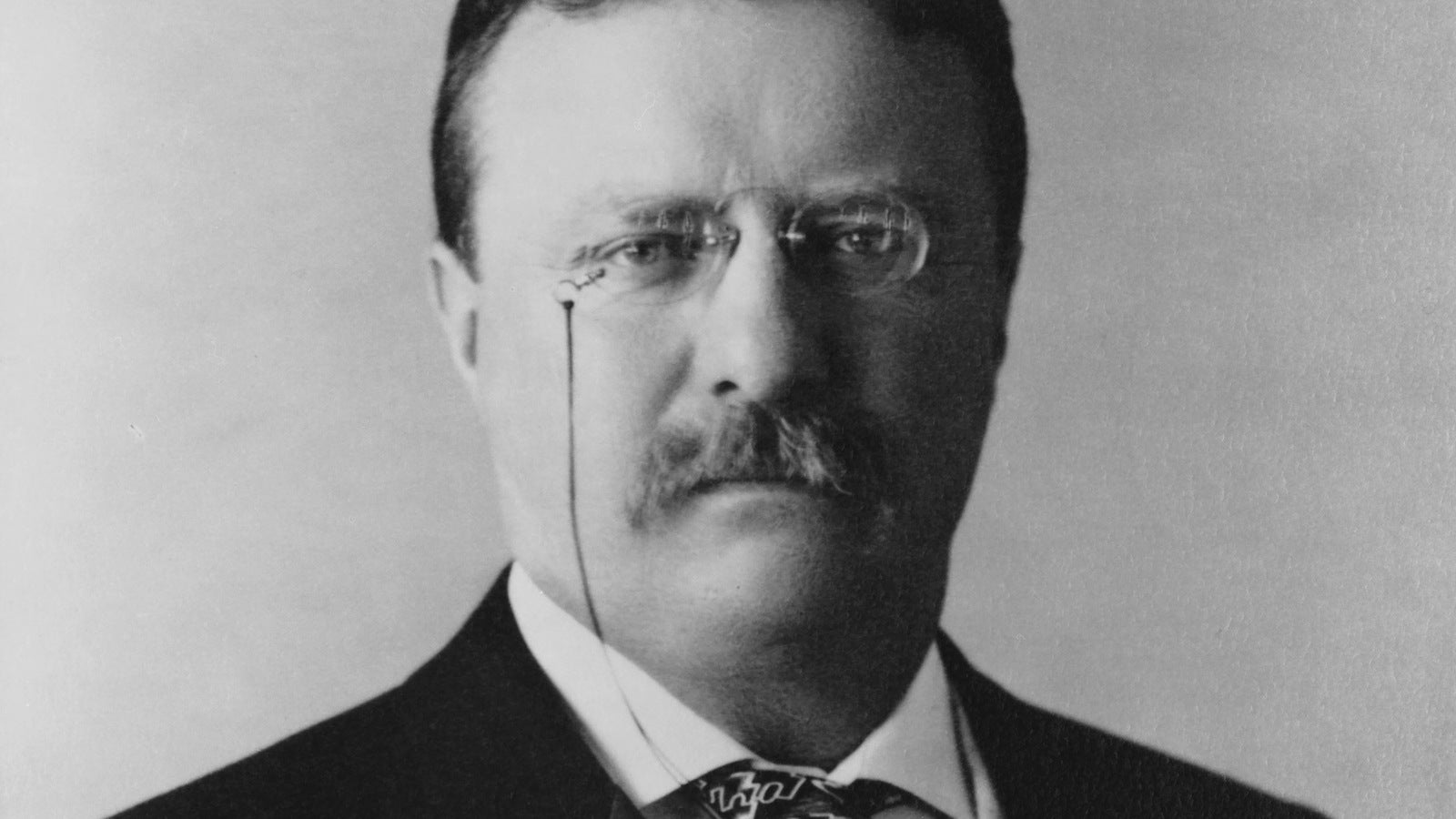
The History of the Man in the Arena Speech
Theodore Roosevelt delivered “Citizenship in a Republic” at the Sorbonne in 1910. One paragraph became the most quoted speech in American history. Here’s the full story.
Read more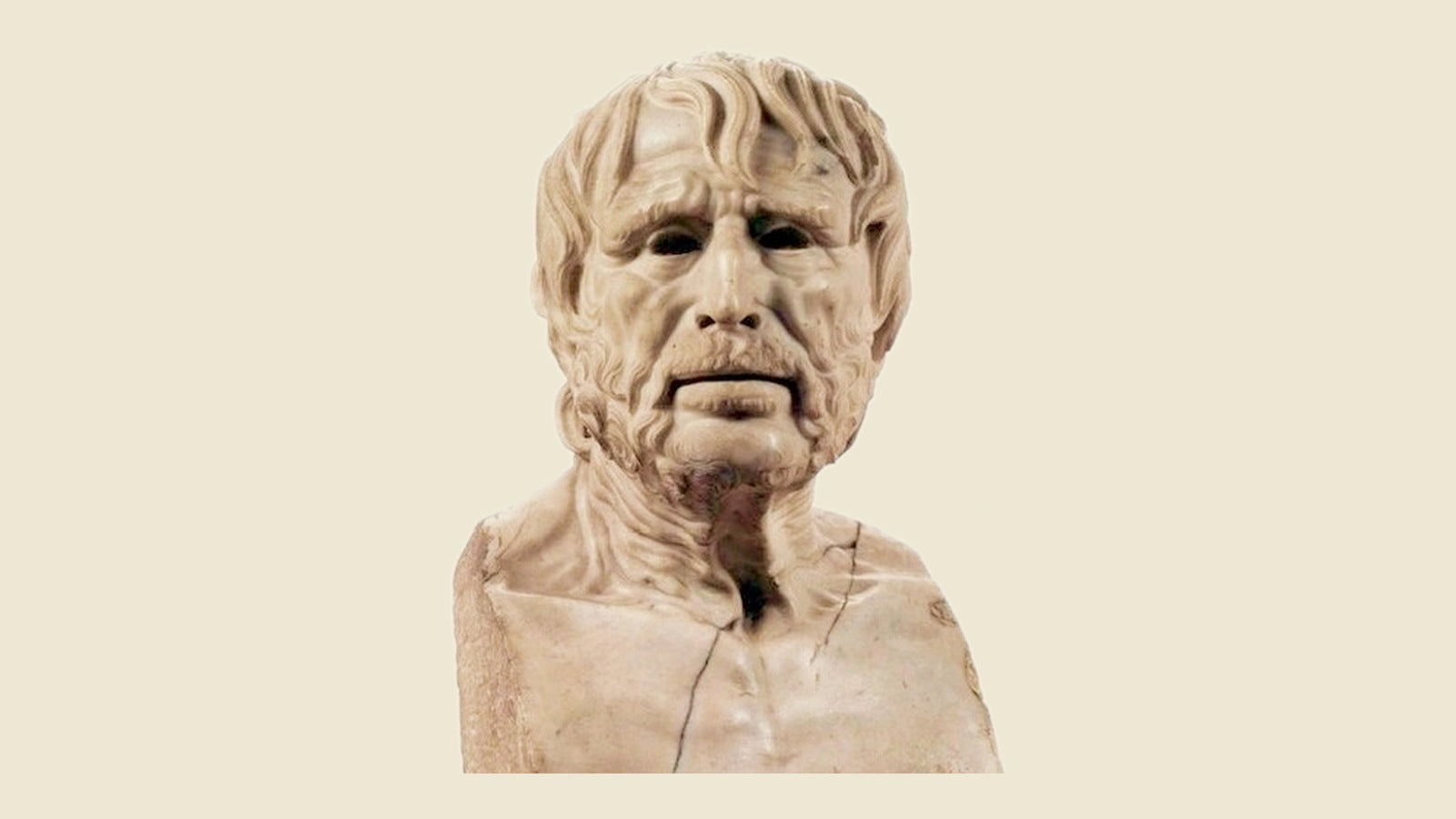
Tim Ferriss Found Seneca at Rock Bottom. Then 14 Million People Did Too.
Tim Ferriss credits Seneca with giving him a practical framework when he was clinically depressed and convinced he was a fraud. The practice he built from it — Fear-Setting — has since reached millions.
Read more
Every Quoteiac product traces to a primary source—a first edition, a digitized archive, a verified manuscript. If we can't reach the original, the quote doesn't go on the product. No exceptions.
Read more
The Case of the Mystery T-Shirt Hole: It's Not Moths, It's Your Kitchen
Those mystery holes near the hem of your favorite t-shirt aren't moths or the washing machine — it's your kitchen counter. Here's the physics, and how to stop it.
Read more
Why the Possibility Tee Puts the Dash in the Middle
The dash in the Possibility Tee isn’t a typo. Dickinson’s dashes were structural punctuation — moving it changes what the poem does.
Read more
Thomas Jefferson on Books, Reading, and Ignorance
Jefferson called reading the essential defense against tyranny — and built a 6,487-volume library to prove it. Here's what he actually believed.
Read more