
Some ideas were written centuries ago and still arrive exactly on time. This is where we follow them — through philosophy, literature, and the moments when the right words show up and change something.
Journal
RSS feed

"Be the Change" — The Most Famous Quote Gandhi Probably Never Said
One of the most shared quotes on the internet doesn't appear anywhere in Gandhi's collected works.
Read more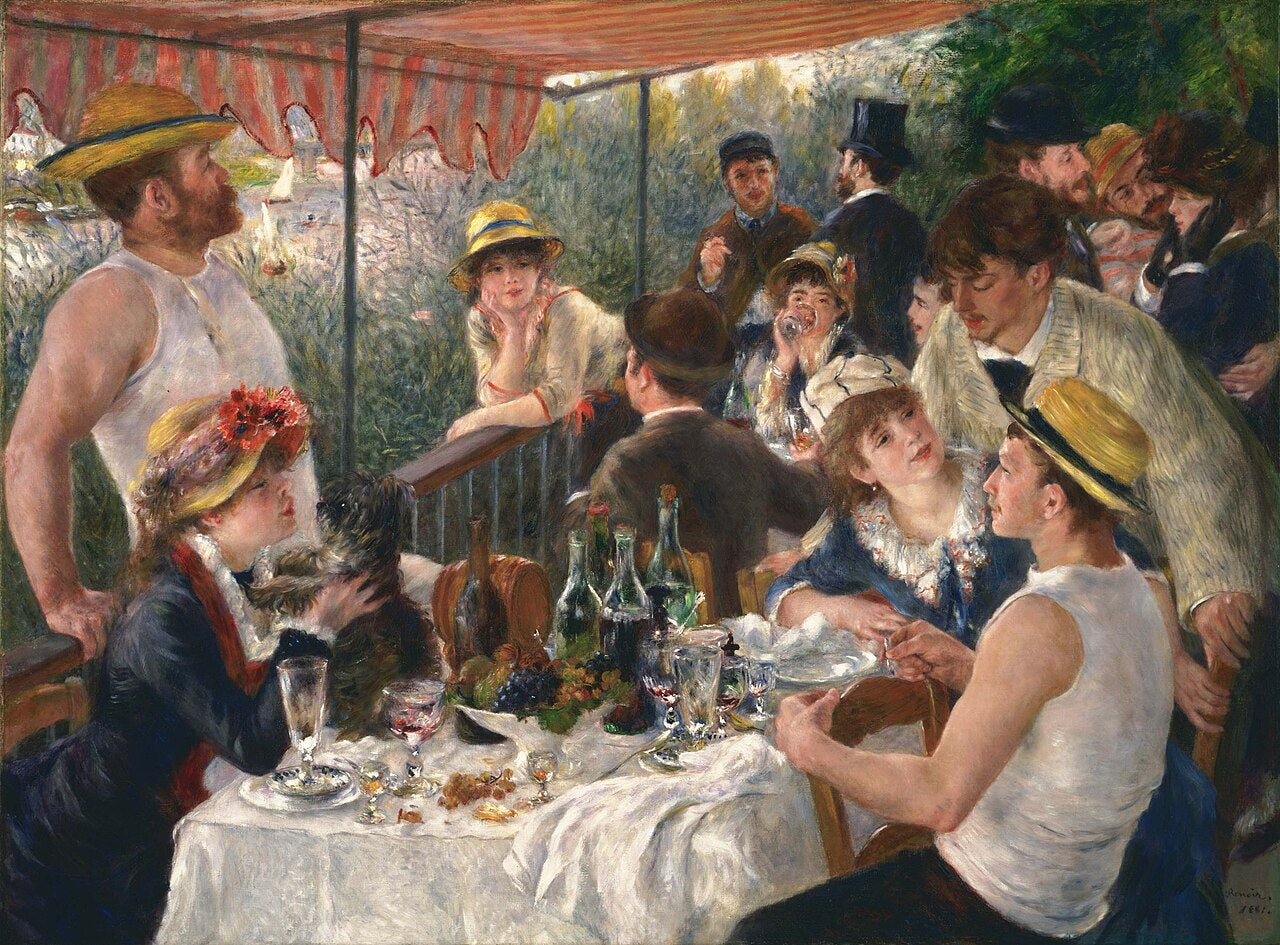
For the Friend Who Quotes Things at You — Gifts That Quote Back
For the person who quotes Seneca when you’re struggling, sends Rilke at 11pm without irony, and already dog-eared the Meditations they gave you. A gift guide for exactly that person.
Read more
Graduation Gift Ideas for the Person Who Thinks Too Much
For the person who has spent years reading, thinking, and building a relationship with ideas — graduation gifts that belong to who they are, not just what they’ve finished.
Read more
What to Get the Philosophy Major Who Has Everything
Philosophy students are, as a category, simultaneously very easy and very hard to shop for.
Read more
The Best Gifts for Readers Who Already Have Every Book They Want
Giving a serious reader a book is a minefield—you might pick one they own, one they've already dismissed, or one that's simply not to their taste. These gifts sidestep the problem entirely.
Read more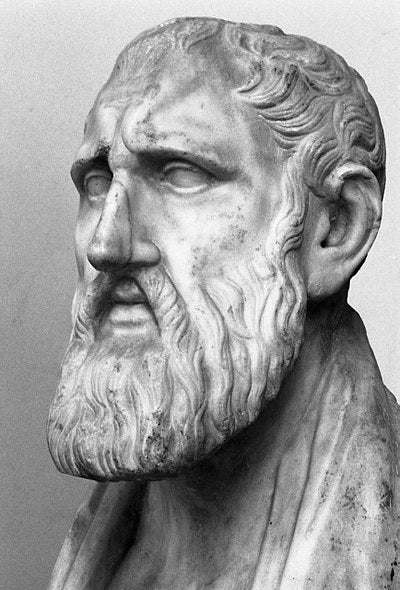
The Philosophy of Doing Hard Things — From People Who Actually Did Them
The most pressure-tested philosophy on doing hard things comes from people who were not writing from comfort. Epictetus was enslaved. Frankl survived the camps. These are their frameworks.
Read more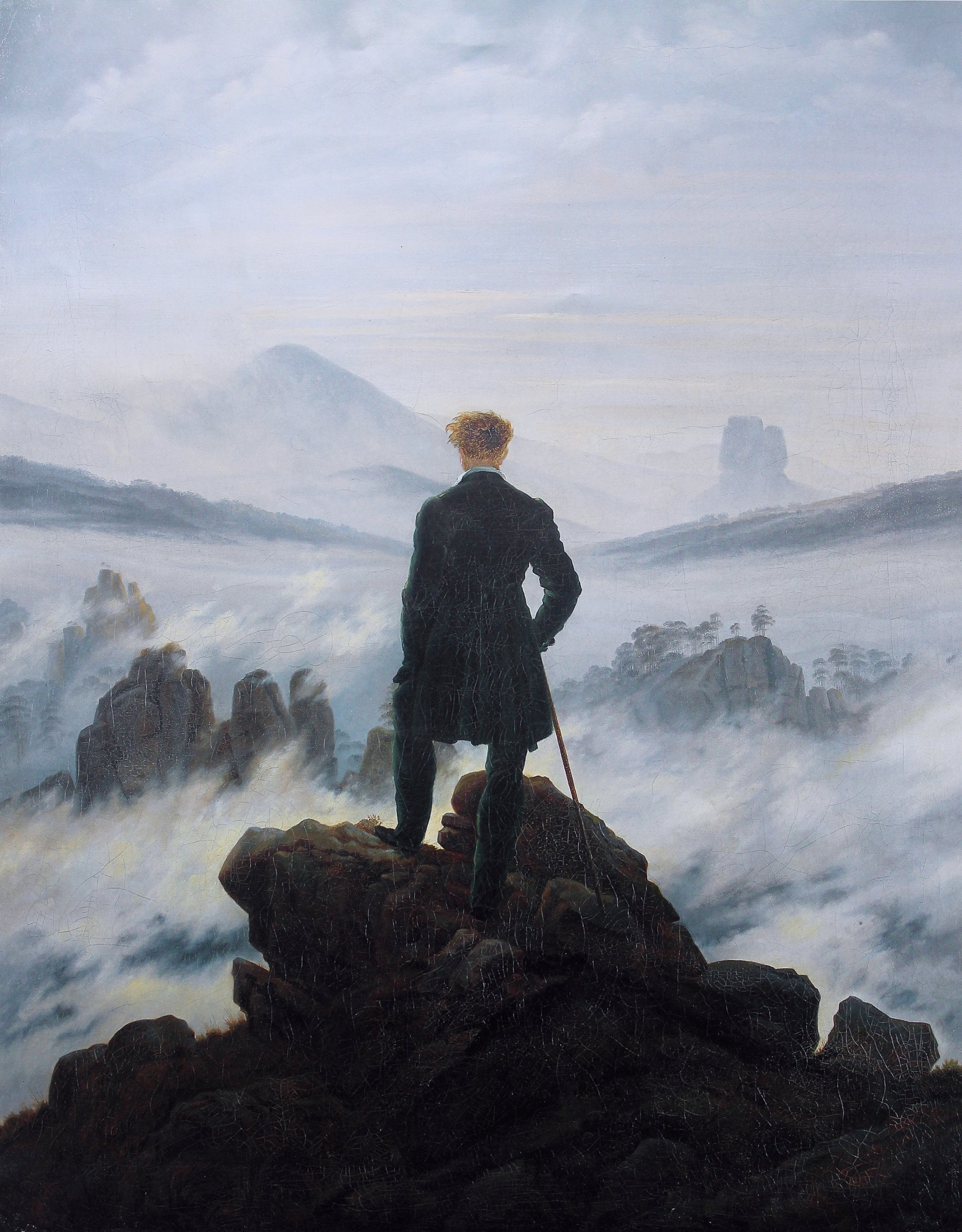
Why Dark Romanticism Is Having a Moment Right Now
Dark Romanticism — the literary movement that produced Poe, Mary Shelley, and Hawthorne — argues that human nature is not perfectible and that beauty is more honest when it sits with darkness. That argument is resonating again.
Read more
The Introvert's Reading List: Books by the Authors on Our Shirts
Every quote on a Quoteiac shirt comes from a specific book—and in most cases, the book is more demanding and more rewarding than the line that made it onto the garment.
Read more
What Would the Stoics Do With a Smartphone?
The Stoics wrote extensively about distraction, attention, and the social pressure to fill every moment with noise — in the Roman Forum, at dinner parties that ran until dawn. The philosophical problem was identical to the one a smartphone creates.
Read more