
Some ideas were written centuries ago and still arrive exactly on time. This is where we follow them — through philosophy, literature, and the moments when the right words show up and change something.
Journal
RSS feed

The Eames House Philosophy: Why Intentional Minimalism is Replacing the Showroom Aesthetic
The Eames House wasn't a showroom — it was a laboratory. Why the spaces built for work are replacing the spaces built for Instagram, and what that means for how you dress.
Read more
Marie Curie: Two Nobel Prizes, One Relentless Mind
Her notebooks are still radioactive. Marie Curie won two Nobel Prizes in two different disciplines, survived institutional sexism and wartime, and built the science she needed from scratch — because no one had built it before her.
Read more
Rainer Maria Rilke and the Life That Moves in Circles
Rilke wrote the poem before he wrote the famous letters. The Book of Hours (1905) is where "I live my life in circles that grow wide and endlessly unroll" comes from — and what it actually means.
Read more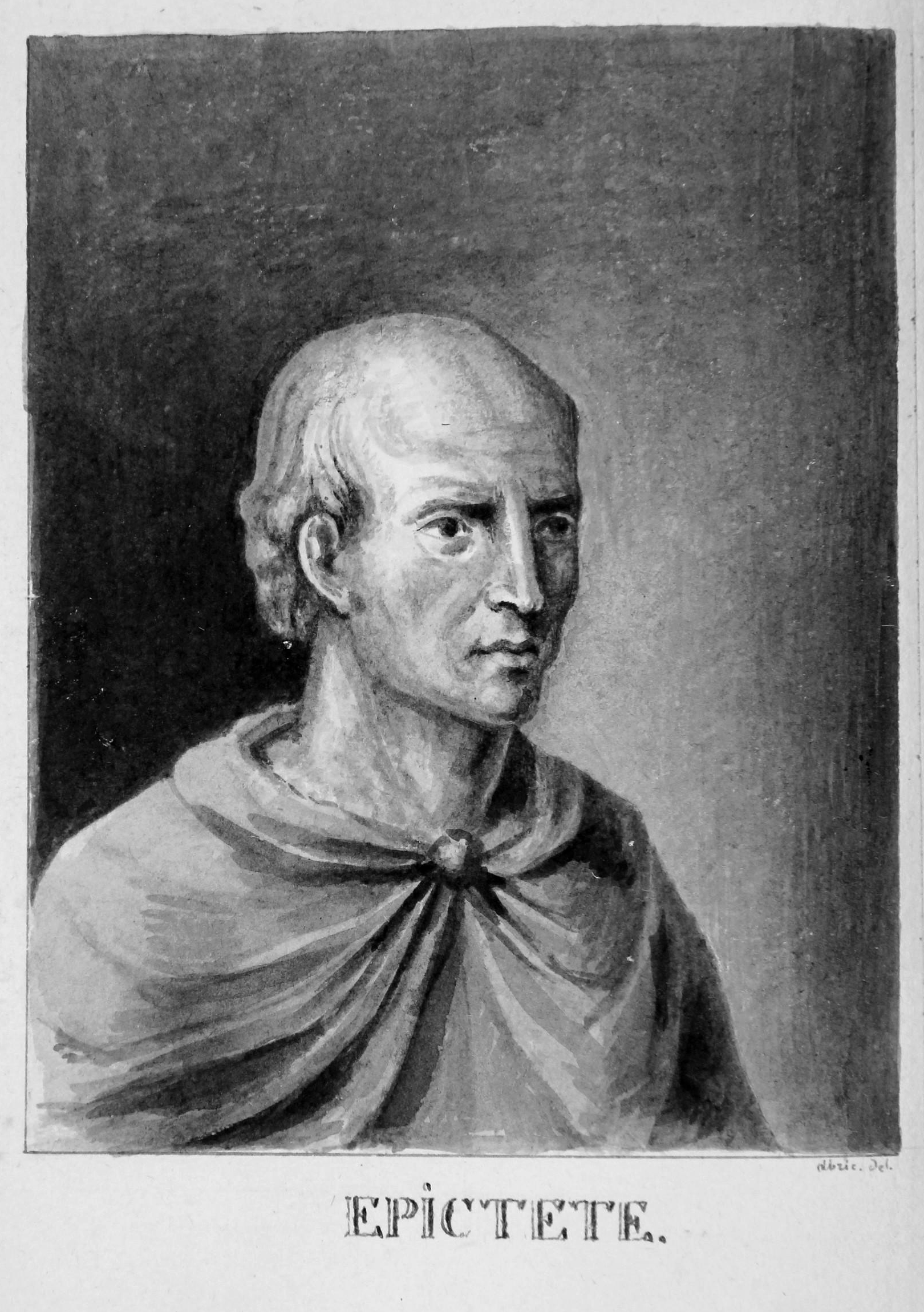
Epictetus: The Stoic Who Had Nothing and Knew Everything
Born a slave in ancient Rome, Epictetus built a philosophy around the one thing no one could take from him: his response to what happened. His teachings have outlasted every emperor who ignored him.
Read more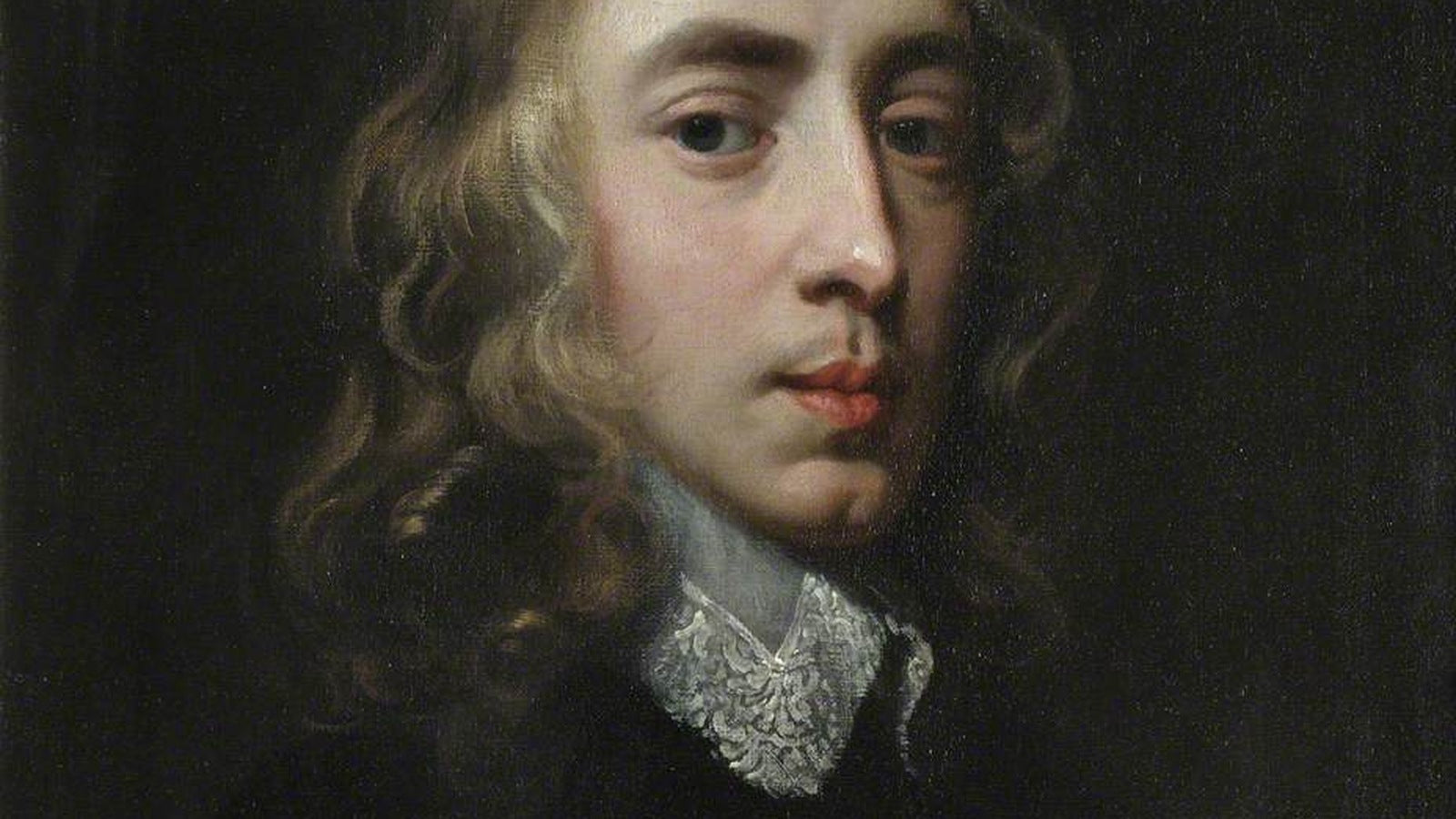
Satan Said It. That’s the Point.
The most quoted line from Paradise Lost — “The mind is its own place” — is spoken by Satan. Not as a villain’s boast. As a serious philosophical argument. Here’s why that matters.
Read more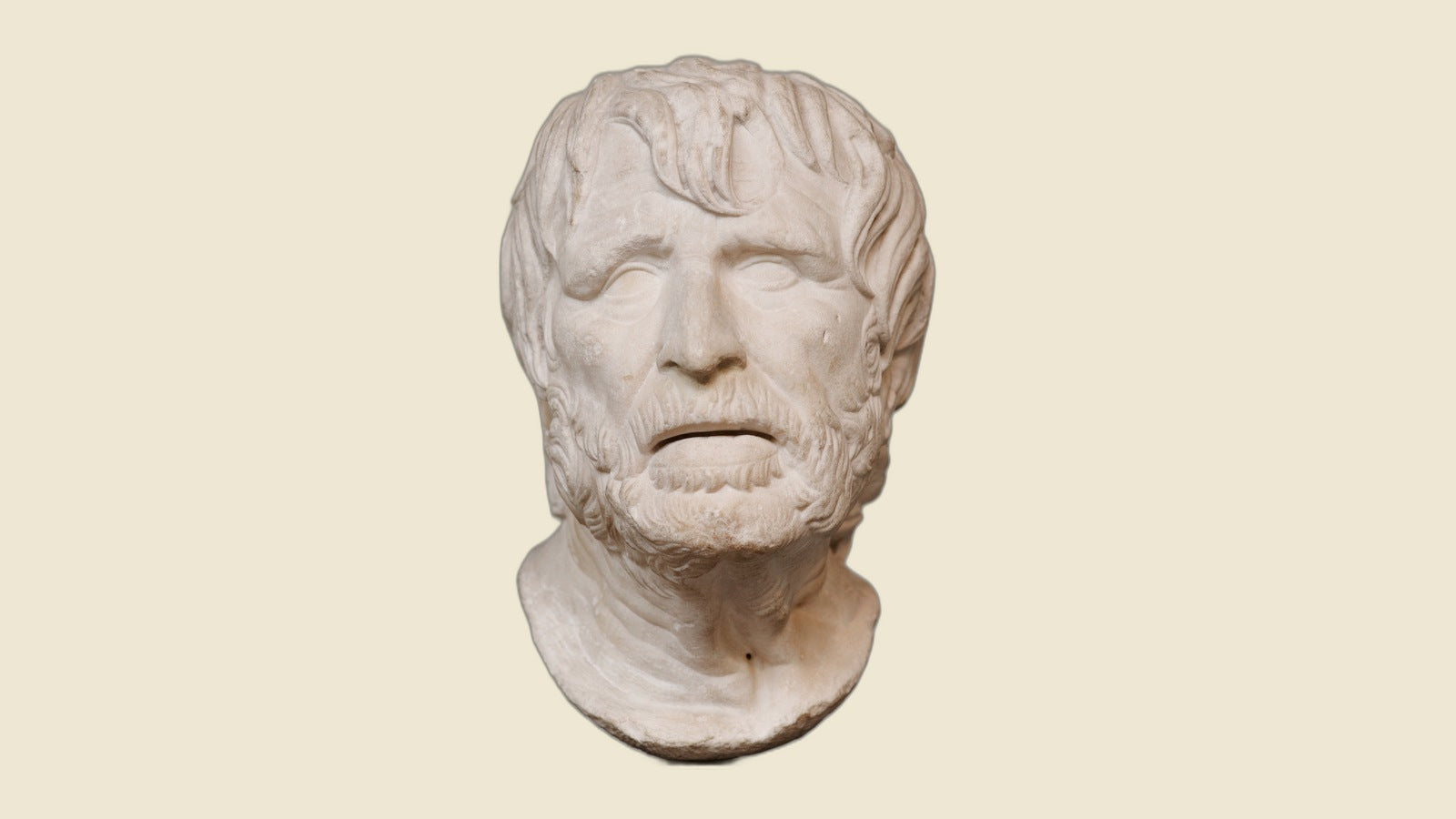
Seneca Wrote 124 Letters on How to Live. This Line Is Why They Still Matter.
One hundred and twenty-four letters. Written at the end of his life, to a friend who was younger and still had time to spend differently. Seneca made sure the instructions were precise.
Read more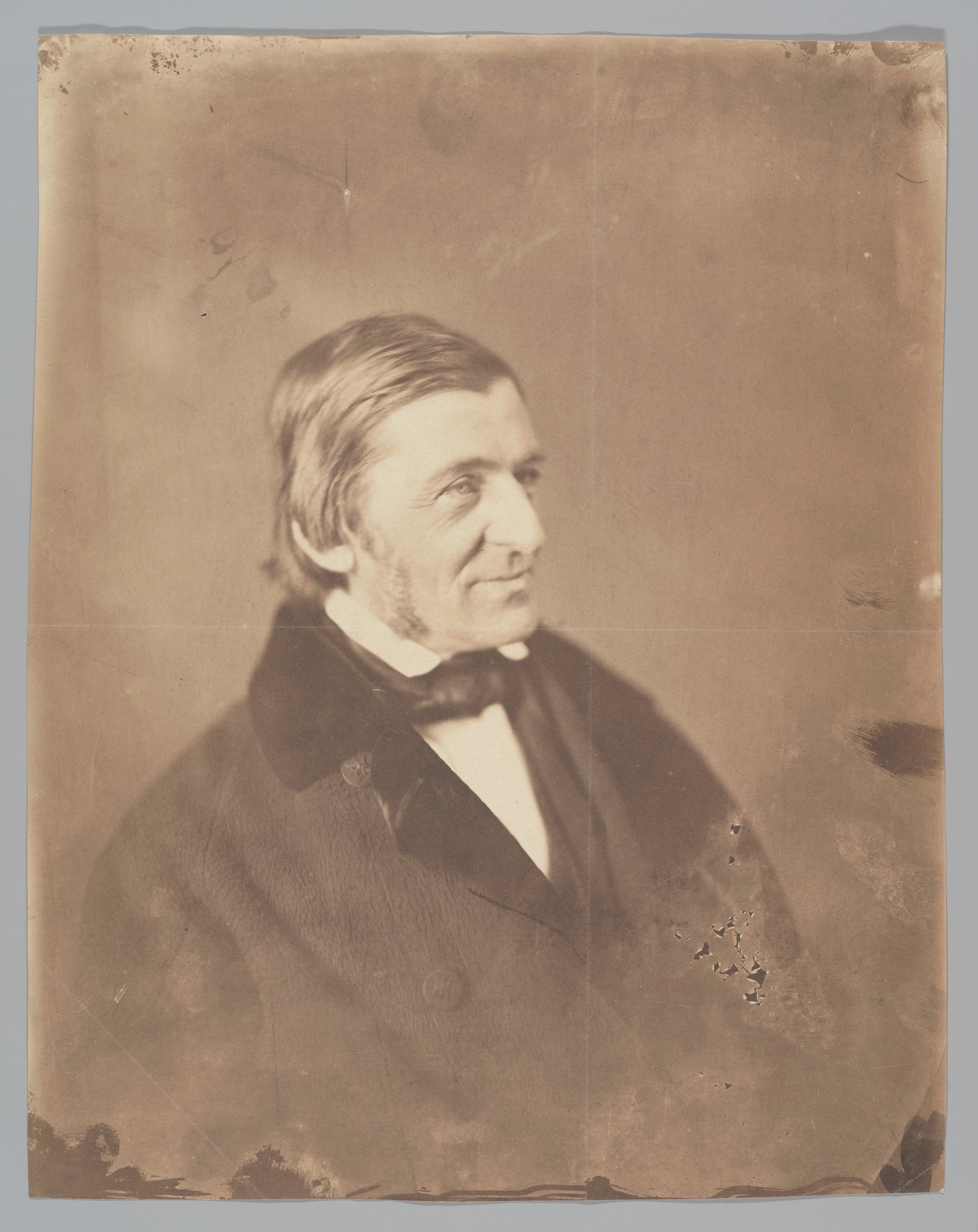
The Man Behind the Man at Walden Pond
Ralph Waldo Emerson (1803–1882) was an American essayist, lecturer, and philosopher whose 1841 essay Self-Reliance became the foundational text of American Transcendentalism.
Read more
Father’s Day Gifts for the Dad Who Reads and Thinks
Philosophy, literature, and serious nonfiction are the hardest categories to buy gifts for — because the person already has the books that matter to them. This guide is for the family trying to find something that matches the way he actually thinks, not the way a generic gift guide assumes he does.
Read more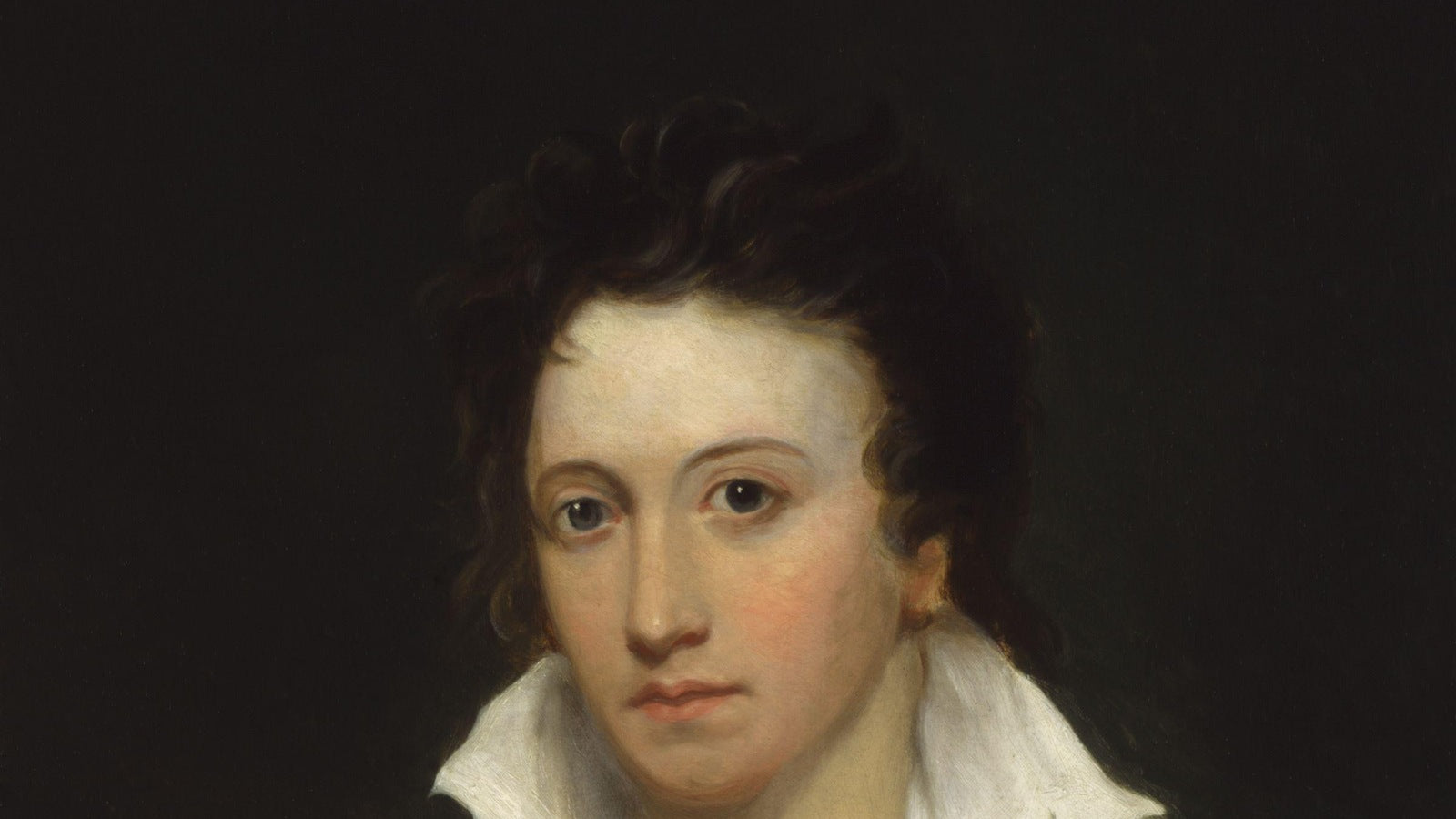
Percy Shelley Was Always in Mary’s Shadow. He Shouldn’t Be.
Percy Bysshe Shelley wrote some of the most precise lines in English Romanticism. He died at 29. His wife wrote Frankenstein. That’s the whole problem.
Read more