The History of the Man in the Arena Speech
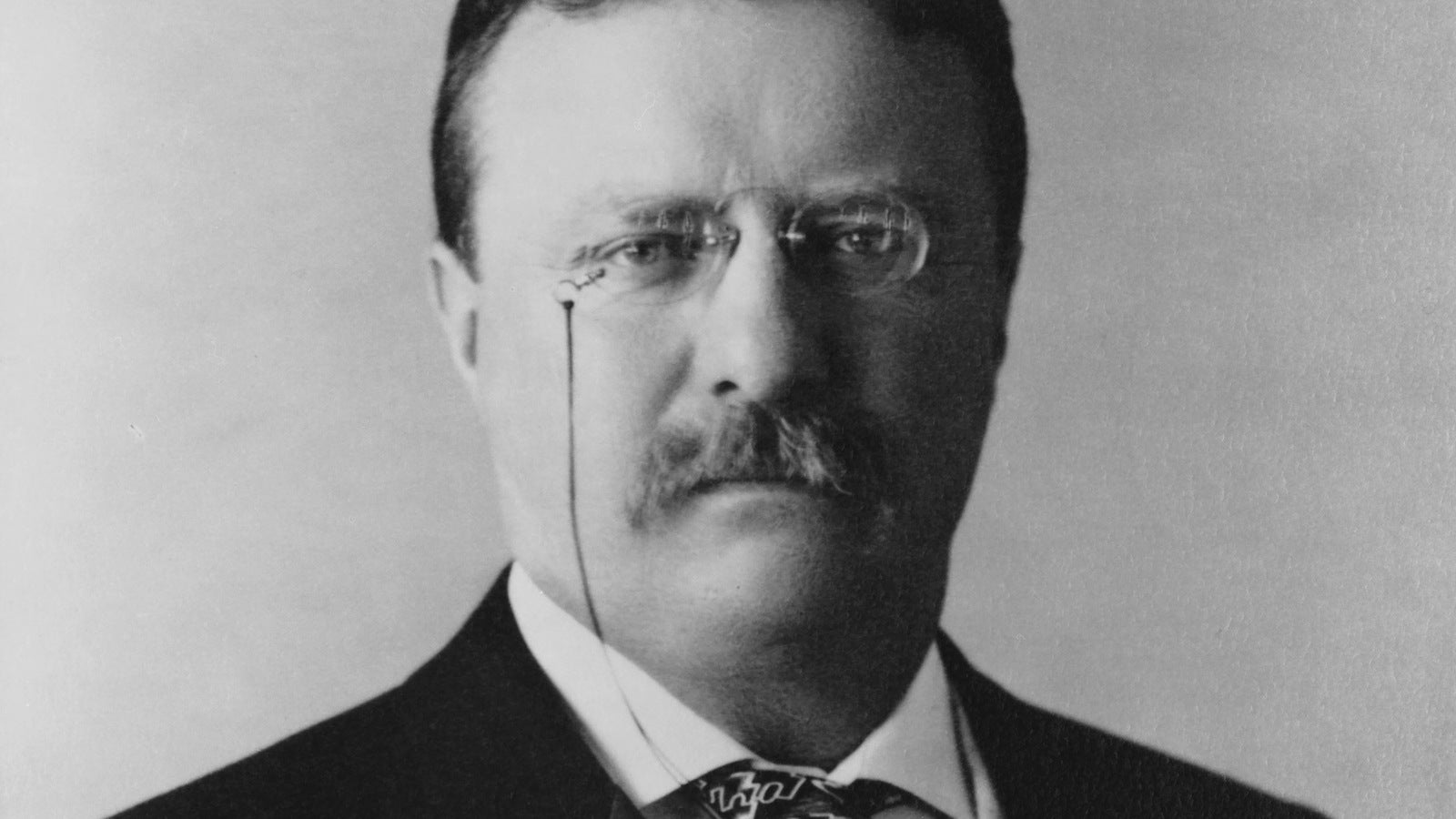
On April 23, 1910, Theodore Roosevelt stood in the grand amphitheater of the Sorbonne in Paris and delivered a nearly 9,000-word address called “Citizenship in a Republic.” He was 51, just over a year out of the presidency, fresh from nearly a year on safari across Africa, during which his party had collected more than 11,000 animal specimens for the Smithsonian. The speech covered democratic governance, the duties of citizens, the relationship between the individual and the state, and the responsibilities of educated men in a republic. Almost none of that is what anyone remembers.
What they remember is one paragraph. Roughly 140 words out of nearly 9,000. It begins: “It is not the critic who counts.”
The Context Roosevelt Was Speaking Into
Roosevelt had spent the previous year watching his hand-picked successor, William Howard Taft, dismantle much of what he had built. He was also, more personally, a man who had been out of power for the first time in decades, and who had spent his African trip being scrutinized, criticized, and second-guessed by journalists and political opponents at home.
The Man in the Arena passage was not abstract philosophy. It was the articulation of something Roosevelt had been living. He had been in the arena — had governed, fought, lost, been wrong, been right, been accused of overreach and underreach, had made decisions with incomplete information under real pressure.
The passage is not a call to action addressed to someone else. It is a defense of the person who acts, written by someone who had been acting for nearly thirty years and was tired of the critics.
It is not the critic...
“It is not the critic who counts; not the man who points out how the strong man stumbles, or where the doer of deeds could have done them better. The credit belongs to the man who is actually in the arena, whose face is marred by dust and sweat and blood; who strives valiantly; who errs, and comes short again and again, because there is no effort without error and shortcoming; but who does actually strive to do the deeds; who knows the great enthusiasms, the great devotions; who spends himself in a worthy cause; who at the best knows in the end the triumph of high achievement, and who at the worst, if he fails, at least fails while daring greatly, so that his place shall never be with those cold and timid souls who know neither victory nor defeat.”
The full speech is available at Project Gutenberg, in Roosevelt’s 1910 collection African and European Addresses. The paragraph above is verbatim from Roosevelt’s original text.
Why It Has Lasted
The passage works because it addresses a genuine asymmetry — between the person who risks something and the person who evaluates the risk from safety. This asymmetry exists in politics, in business, in creative work, in any endeavor where public judgment follows private effort. Roosevelt did not resolve the asymmetry or argue it away. He simply named it, and named what he thought it meant for who deserved credibility.
The phrase “fails while daring greatly” is the hinge. It is not an argument that failure is good, or that effort automatically produces achievement. It is an argument that the attempt — the genuine, committed, skin-in-the-game attempt — is categorically different from the observation of the attempt. That difference, Roosevelt is saying, is moral as well as practical.
Entrepreneurs cite it because it describes the founder experience with unusual precision. Athletes cite it because it describes competitive effort. Anyone who has made something in public and had it criticized by someone who has made nothing will recognize what Roosevelt was pointing at.
What Roosevelt Was Like in Practice
Theodore Roosevelt was the 26th President of the United States, serving from 1901 to 1909 following the assassination of William McKinley. He was 42 when he took office — the youngest president in American history. He filed more than forty antitrust suits, including the one that broke up the Northern Securities railroad trust, protected some 230 million acres of public land, negotiated the end of the Russo-Japanese War (for which he received the Nobel Peace Prize in 1906), and started construction of the Panama Canal.
He also hunted extensively, boxed in the White House, and once gave a 90-minute campaign speech immediately after being shot in the chest. His folded speech manuscript and steel glasses case slowed the bullet, which lodged in his chest. He delivered the speech before going to hospital.
The Man in the Arena passage is not the writing of someone who theorized about effort. It is the writing of someone who, two years later, would be shot in the chest and keep talking. For a deeper look at what Roosevelt was actually arguing — the psychological case against the cynical spectator — read The Architecture of Action.
On the Products
The Quoteiac Roosevelt products carry the core of the Man in the Arena passage — sourced to “Citizenship in a Republic,” Sorbonne, April 23, 1910. All three are verified against Roosevelt’s original text.
Browse the Theodore Roosevelt collection: the Man in the Arena — Roosevelt Quote Phone Case, the Man in the Arena — Roosevelt Literary Tee, and the Roosevelt Organic Tee.
Theodore Roosevelt, In Plain English
- Lived: 1858–1919. Born in New York City; died in his sleep at Sagamore Hill, his home on Long Island.
- Suffered from severe asthma as a child. His father told him he had the mind but would have to build the body. He built the body.
- His first wife Alice and his mother died on the same day, February 14, 1884. He rarely spoke of Alice again and left her out of his autobiography. He threw himself into ranching in the Dakotas instead.
- The teddy bear is named after him. He refused to shoot a bear that had been tied to a tree for him to kill, considering it unsporting. A political cartoon captured the moment. A toy maker in Brooklyn asked permission to name a stuffed bear after him. He said yes.
- After leaving the presidency he tried to return in 1912 as a third-party candidate. Lost to Woodrow Wilson.
- His son Quentin was killed in World War I aerial combat in 1918. Roosevelt died less than six months later, on January 6, 1919. His son Archibald wrote in a telegram to his brothers: “The old lion is dead.”