

The Part of All — Tennyson Romanticism Journal
Tennyson wrote Ulysses in 1833, within days of learning that his closest friend Arthur Hallam had died at twenty-two. He later said the poem gave him the feeling of going forward — not consolation, but momentum.
Alfred, Lord Tennyson, "Ulysses" (1842)
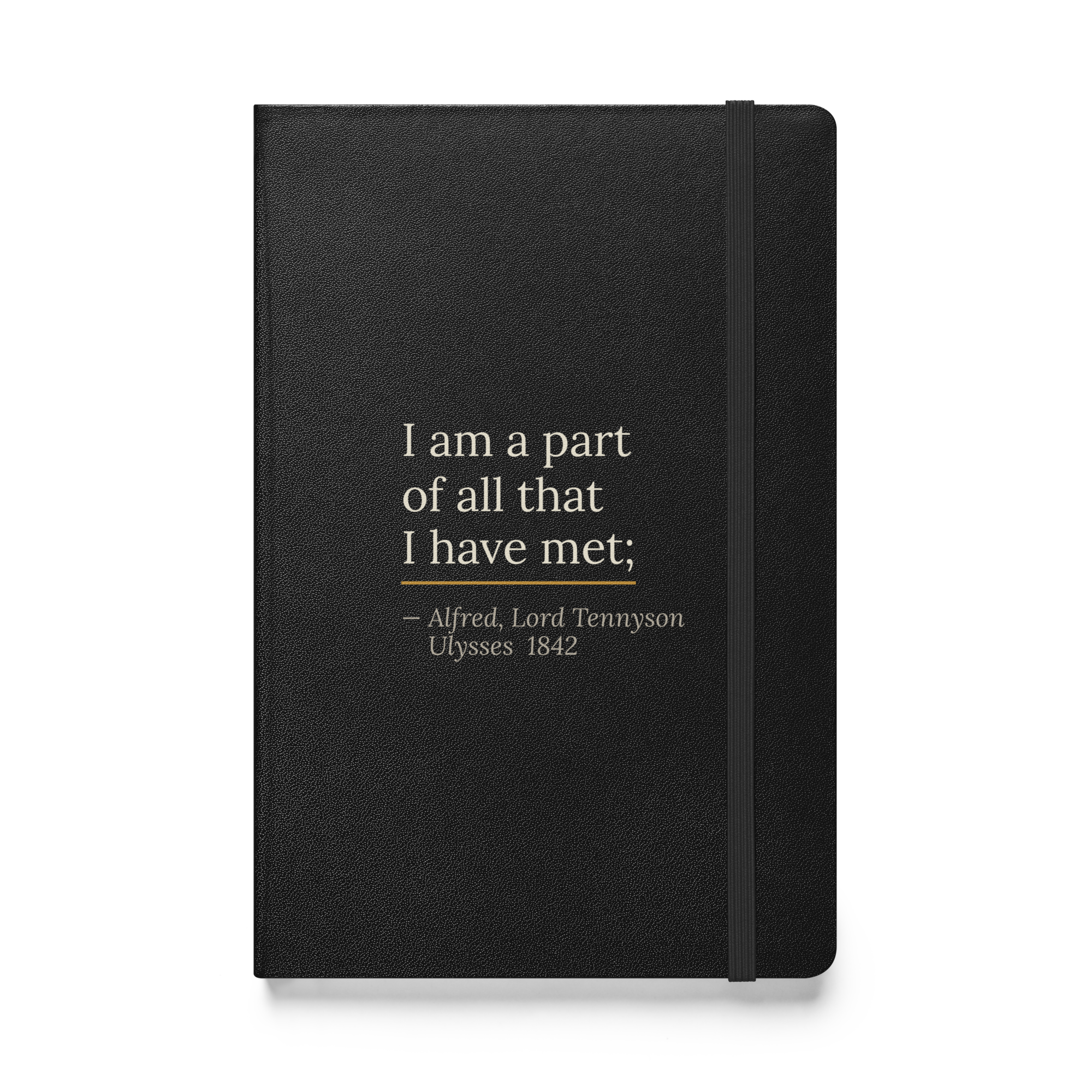
"I am a part of all that I have met;"
He was 24, and needed to make something out of the loss. What he made was an argument: everything you encounter stays with you, becomes part of what you are. Writing is how you track it — the page is where you find out what you’ve actually accumulated. The semicolon is original Tennyson: the sentence isn’t over, and neither are you.
The Design
The three-line quote on a black hardcover. Gold rule beneath it, attribution in a warmer register below that. The semicolon is exactly as Tennyson wrote it — the sentence stays open. A journal whose cover holds an unfinished sentence is the right place to keep writing.
Also on the Part of All Tee and Mug.
About This Journal
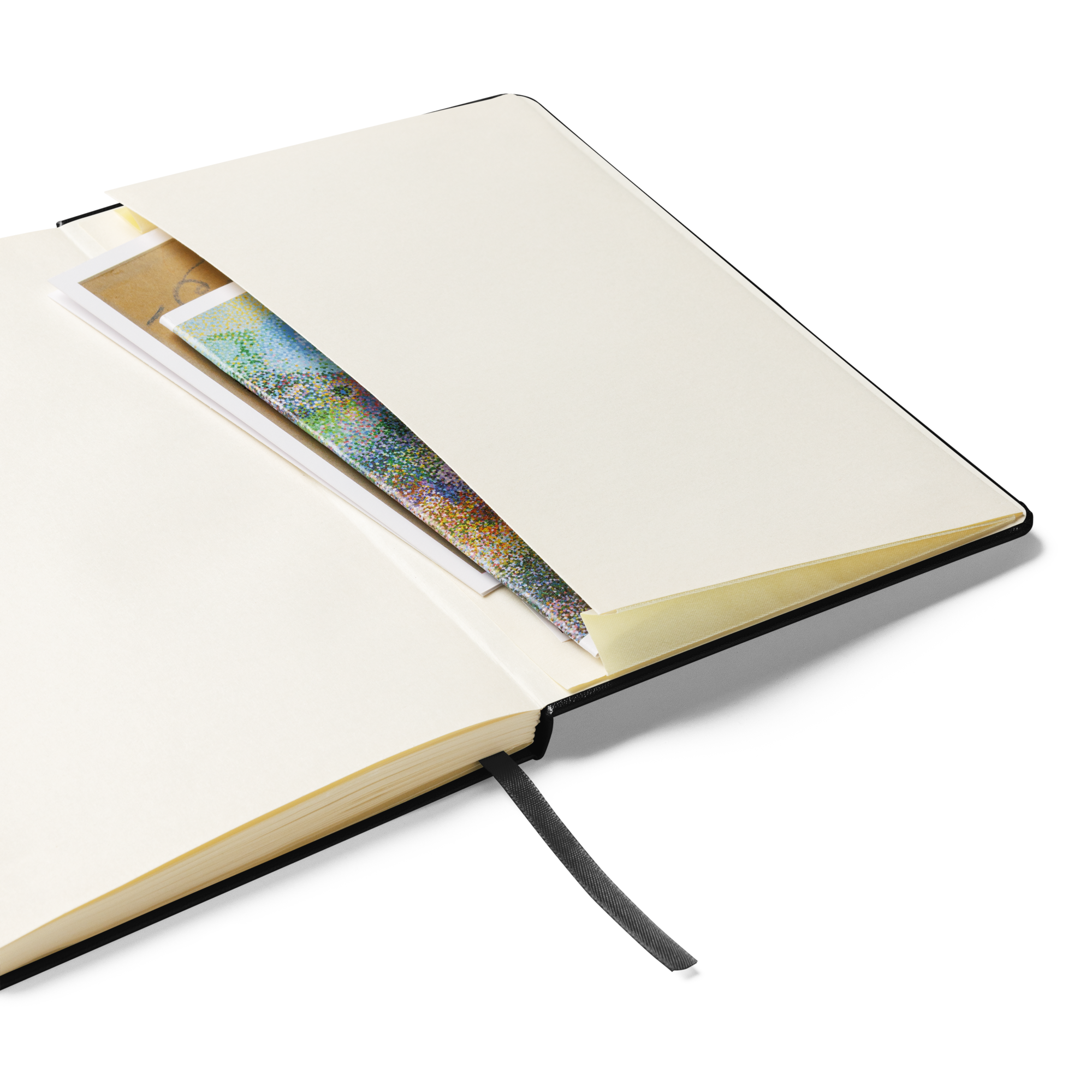
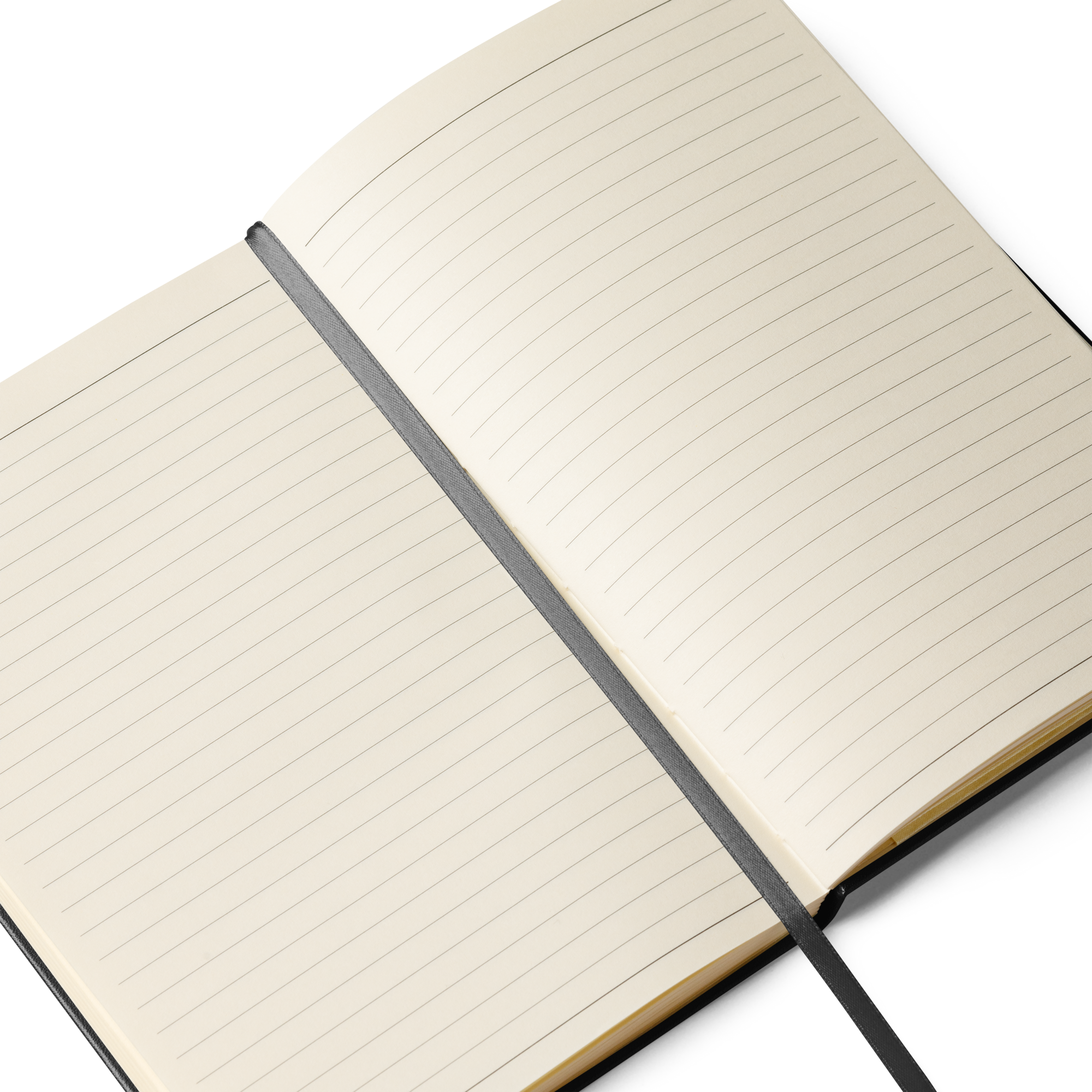
- 5.5″ × 8.5″ hardcover — 120 lined pages, acid-free paper
- Elastic band closure, ribbon bookmark, lay-flat binding
Who It’s For
- The person who thinks by writing — who starts on one thing and realizes it’s about something that happened ten years ago
- The traveler who keeps notes; the reader who underlines
- The one who’s been collecting encounters for years and is only now starting to understand what they add up to
Put it down. Find out what you’ve met.
Alfred, Lord Tennyson, in Plain English
- Lived: 1809–1892, England
- Grew up in a Lincolnshire rectory, one of 11 children; began writing verse as a child, published his first collection at 17
- Queen Victoria said In Memoriam comforted her after Prince Albert’s death; Tennyson became, briefly, a national grief counselor
- Waited 11 years to marry Emily Sellwood — the engagement broken off twice for financial reasons; they had 40 years together
- Died at 83 with a Shakespeare volume open on his bed and a window cracked to the night air
Choose options