Emily Dickinson. Daguerreotype, c. 1847.Amherst College Archives & Special Collections.
Emily Dickinson
One of the most original voices in American poetry, Emily Dickinson wrote nearly 1,800 poems in near-seclusion — yet fewer than a dozen were published in her lifetime. Most of her work reached the wider world only after her death in 1886.
Words We Carry
Every quote here is traced to a documented source. How we verify →
“Not knowing when the Dawn will come, I open every Door,”
manuscript, c. 1884
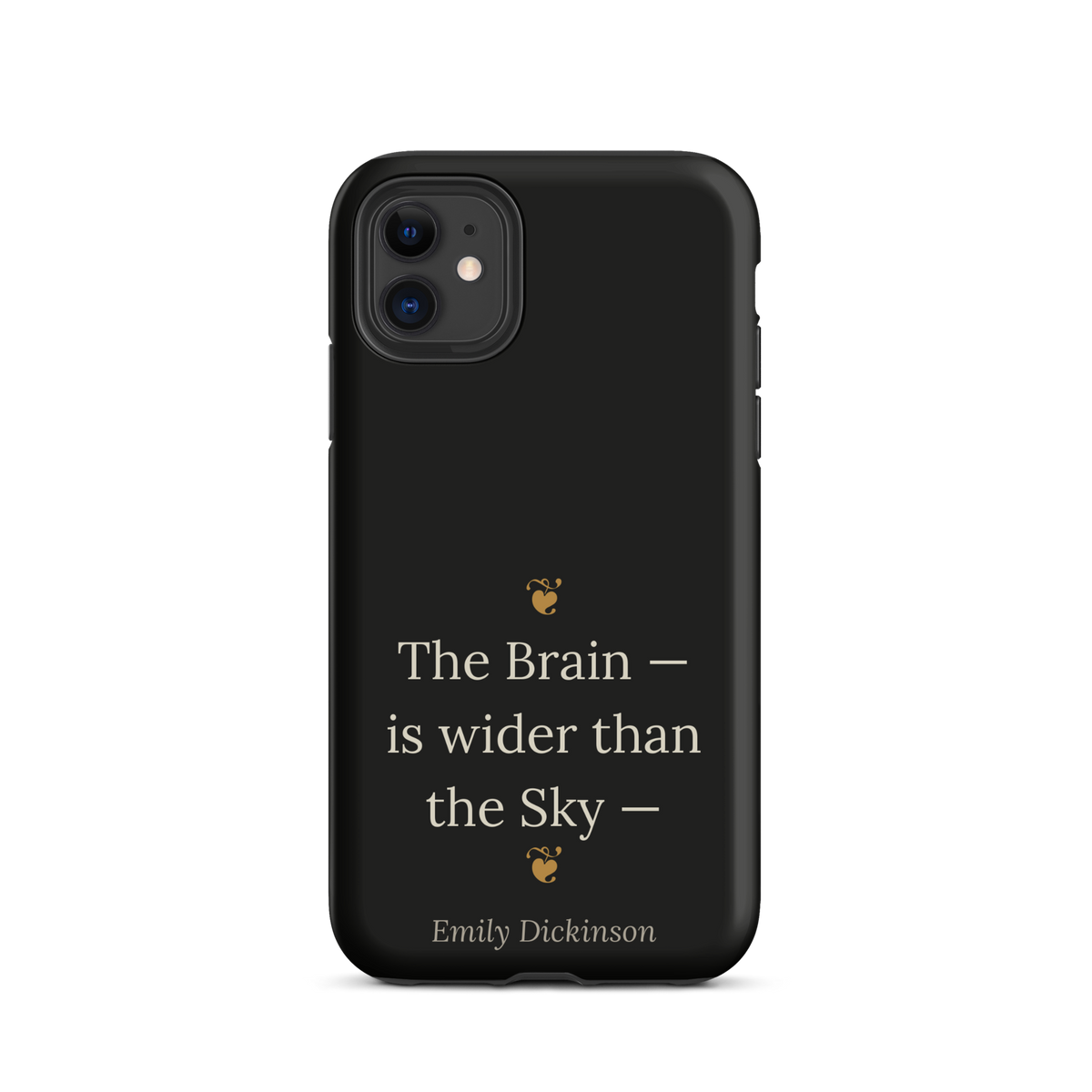
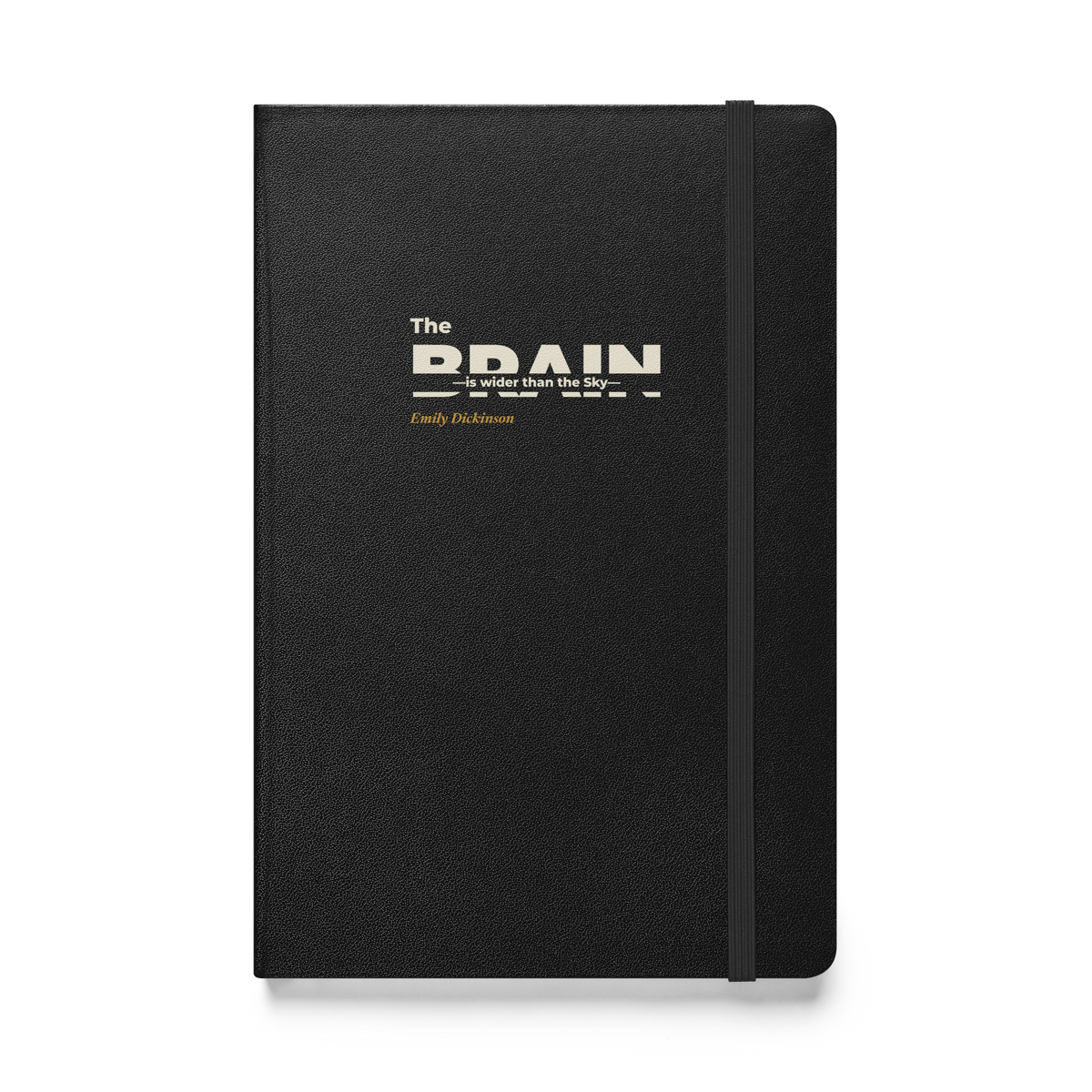
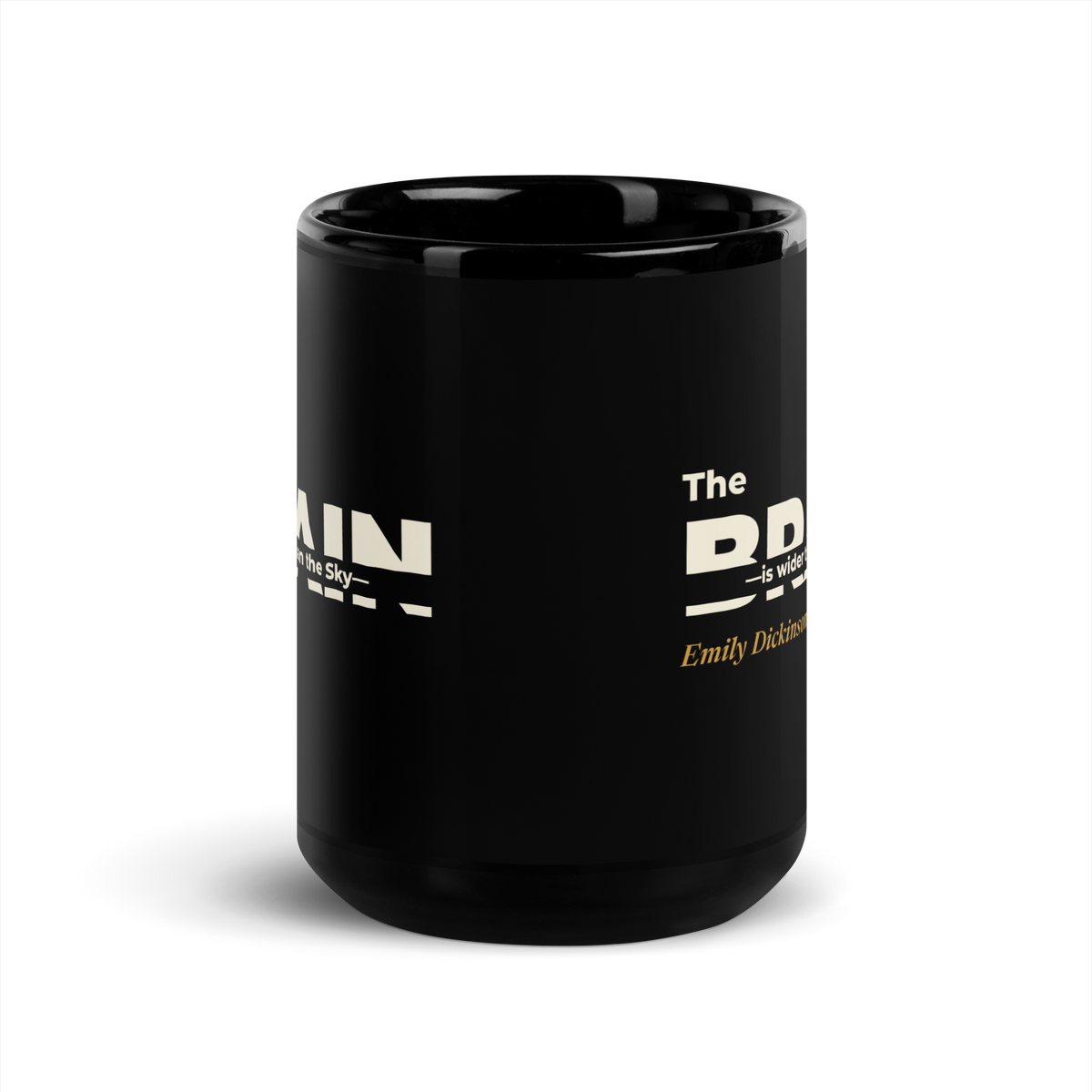
“The Brain—is wider than the Sky—”
Poem 598 ("The Brain—is wider than the Sky—"), c. 1862
“I dwell in Possibility —”
Poem 466 (“I dwell in Possibility —”), c. 1862
About Emily Dickinson
Emily Dickinson didn’t use punctuation the way her contemporaries did — she used it the way a composer marks a score. The dash was a gasp, a redirection, a tiny lightning bolt dropped exactly where decorum expected silence. “I heard a Fly buzz—when I died—” places the break precisely where politeness would never go. It wasn’t decoration. It interrupted certainty, stacked dual meanings, told the reader exactly when to breathe. Every dash had a job: shock, split, or slow. The manuscripts — her own hand, in the hand-sewn fascicle booklets she made for herself around 1858 — show this wasn’t habit. It was a deliberate system.
That this specific mark is now dismissed as an AI tell would have amused her. She was using it to do the opposite of what algorithms do with it: not to hedge and float forward, but to fix a meaning in place with surgical precision. The dash as commitment, not evasion.
She spent almost her whole life in Amherst, Massachusetts, writing in near-seclusion through the Civil War and a religious revival she never fully joined. In 1862 — her most prolific year — she began a correspondence with editor T. W. Higginson, who advised her to normalize her work. She never did. When she died in 1886, her sister Lavinia discovered the fascicles: hundreds of poems, most unpublished. Poems, the first collection, appeared in 1890 and found a reader waiting for exactly what the world had been told wasn’t publishable.
The Work
From the Journal
Emily Dickinson Wasn’t Fragile. She Was Volcanic.
She published fewer than a dozen poems in her lifetime, refused to normalize her punctuation, and left 1,800 poems in a drawer. The life behind the quiet room.
ReadThe Dickinson Dash: Intentional Chaos AI Can’t Counterfeit
Why her punctuation looks the way it does — and why it matters.
ReadEmily Dickinson's Poems Almost Didn't Survive
She published fewer than a dozen poems in her lifetime, refused every attempt to normalize her work, and left 1,800 poems in a drawer. The life behind the quiet room.
ReadWhy Emily Dickinson Valued Private Journals Over Public Fame (And What It Teaches Modern Creators)
Dickinson chose privacy over publication. The argument she was making about creative work still holds.
ReadIn Their Orbit