Charlotte Brontë. Portrait by George Richmond, 1850.National Portrait Gallery, London.
Charlotte Brontë
Charlotte Brontë grew up in a parsonage on the edge of the Yorkshire moors, one of six children in a household where books were air and weather was character. She wrote Jane Eyre under a man’s name. The world never forgot who she turned out to be.
Words We Carry
Every quote here is traced to a documented source. How we verify →
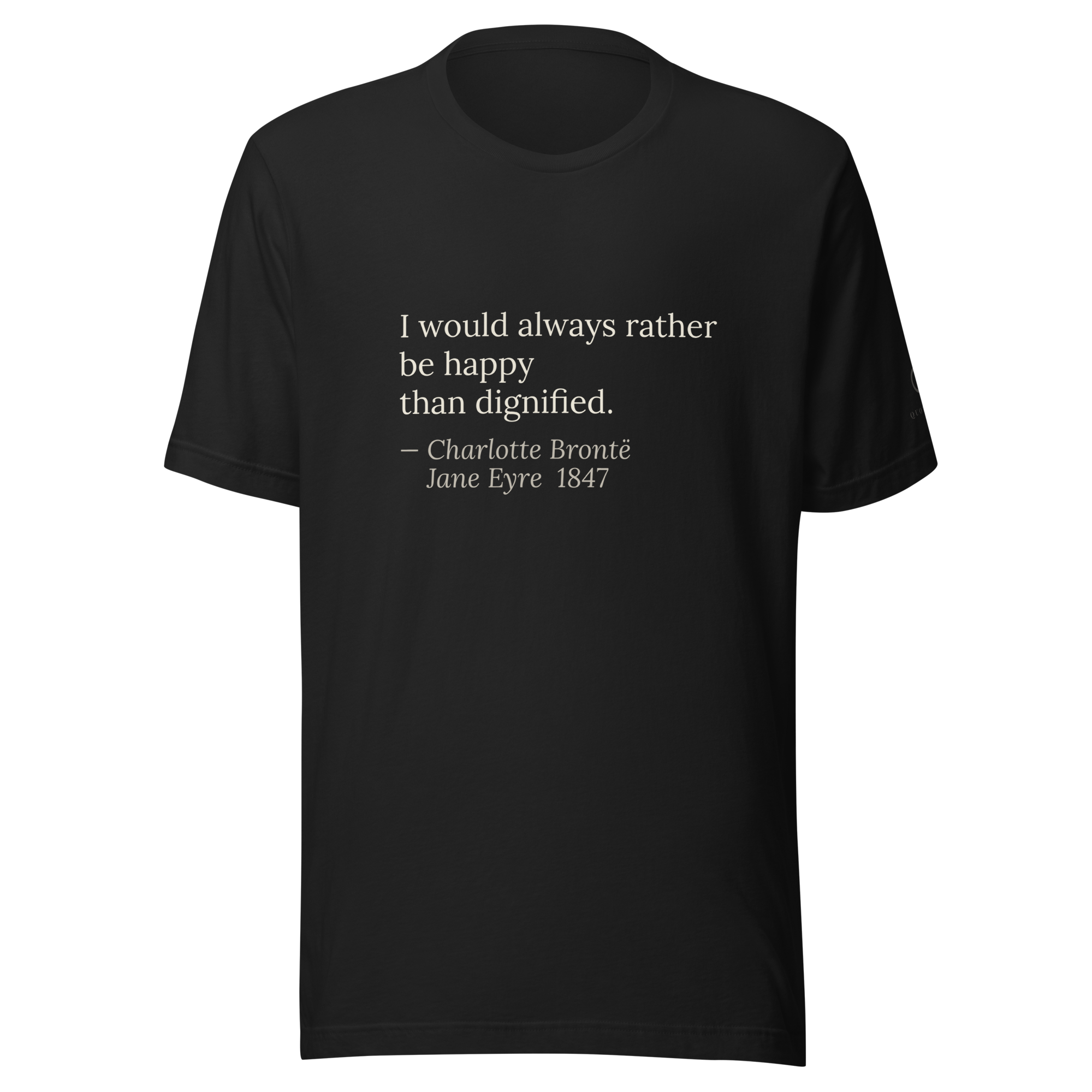
“I would always rather be happy than dignified.”
Jane Eyre (1847), chapter 34 — spoken by Jane
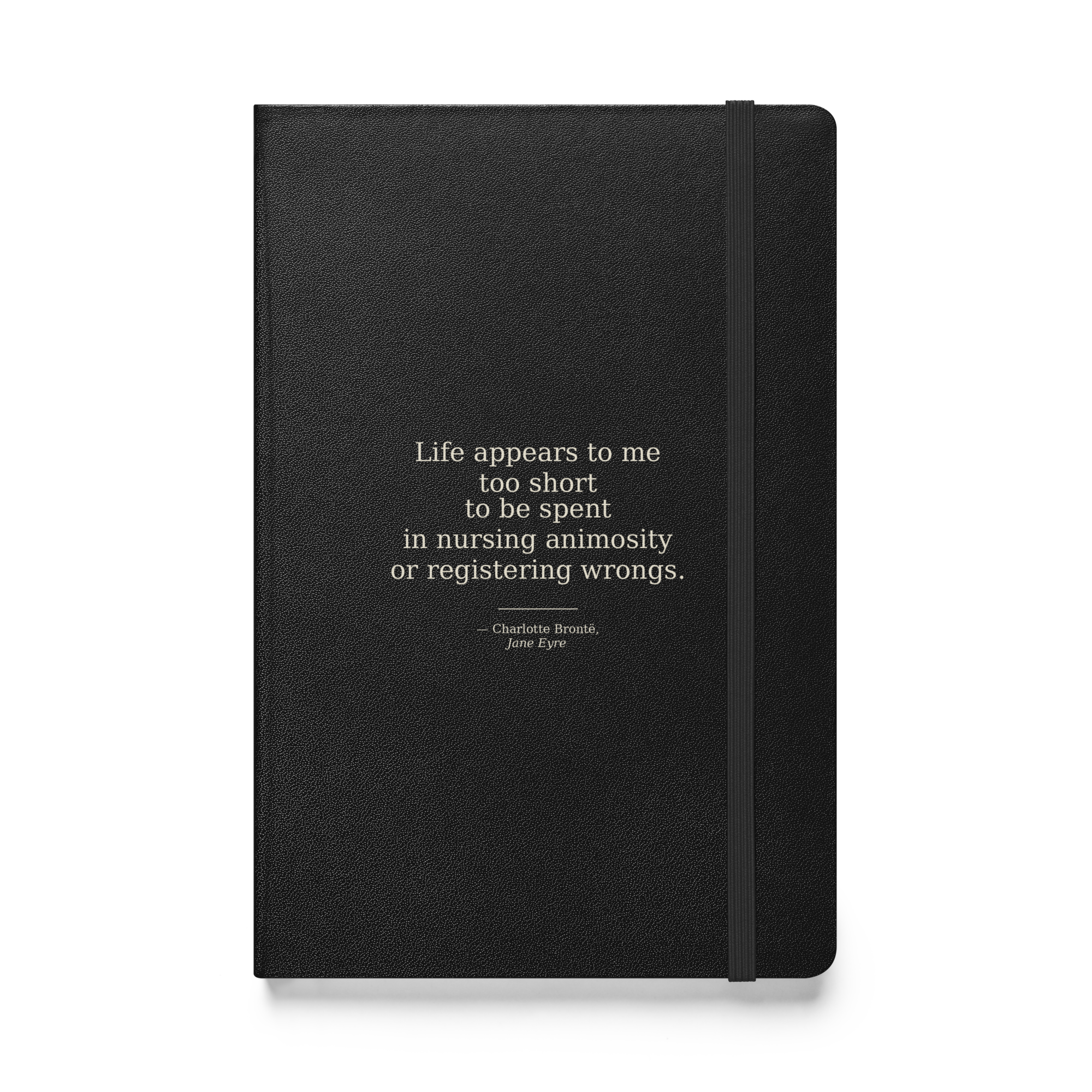
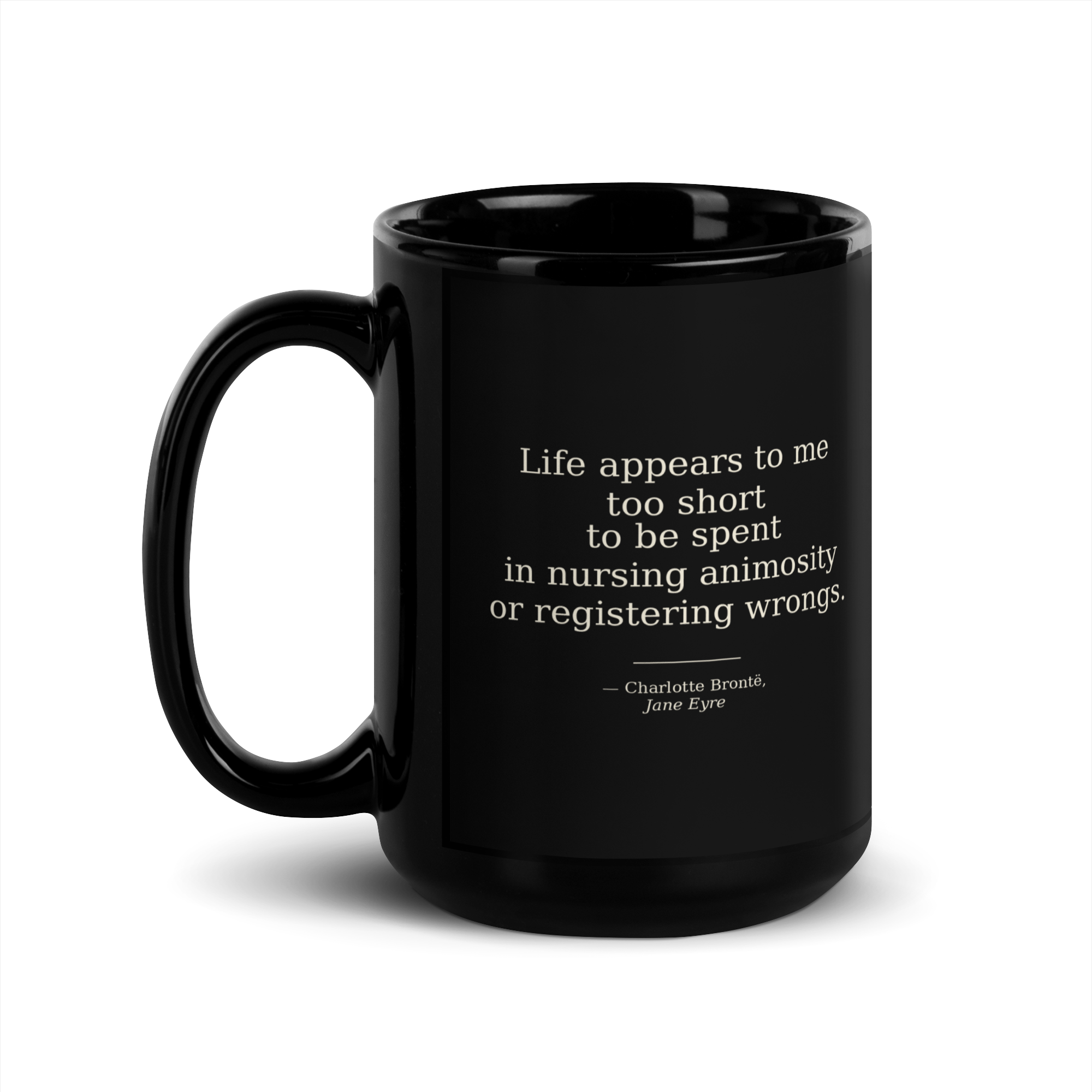
“Life appears to me too short to be spent in nursing animosity or registering wrongs.”
Jane Eyre (1847), chapter 6 — spoken by Helen Burns
About Charlotte Brontë
She was born in 1816 in Thornton, Yorkshire, and the family moved to Haworth when she was four — a mill town at the edge of the moors, where her father Patrick was curate and then perpetual curate for the rest of his life. Patrick Brontë was a self-made man: born poor in Ireland, educated at Cambridge, determined to give his children the intellectual life he’d built for himself. What he couldn’t give them was security. Charlotte’s mother died in 1821. Two of her sisters died after the school at Cowan Bridge exposed them to epidemic tuberculosis — a loss Charlotte would carry as a specific grievance against institutional cruelty for the rest of her life. The surviving children — Charlotte, Emily, Anne, and their brother Branwell — built an elaborate imaginary world together in the parsonage, writing and rewriting the kingdoms of Angria and Gondal in tiny handmade books. It was not childhood play. It was training. Charlotte would spend years as a governess, a role she despised precisely because she could see exactly what it was: educated women made invisible. When she finally submitted her first novel, she did it as Currer Bell. A man’s name. A necessary fiction.
Jane Eyre was published in October 1847. It sold immediately. Readers and critics argued over who wrote it — the voice was too urgent, too female, too unguarded for a man. When Charlotte’s identity was revealed, the controversy only deepened: a clergyman’s daughter had written a heroine who chose her own happiness over respectability, who demanded economic self-determination, who refused a morally compromised proposal on the grounds that her soul belonged to herself. These were not decorative positions. Charlotte was arguing that the full moral life of a woman’s mind was a legitimate subject for serious fiction. Shirley followed in 1849, set against the Luddite uprisings and featuring a female protagonist who owns her own estate. Villette, published in 1853, is darker and stranger — a novel of loneliness, suppressed passion, and psychological extremity, widely considered her most accomplished work. She wrote all of it while managing grief, illness, and the relentless difficulty of a life that never quite opened the way she wanted it to.
In 1854, Charlotte married her father’s curate, Arthur Bell Nicholls — a decision her father initially opposed and her friends thought beneath her. She died nine months later, in March 1855, pregnant, at thirty-eight. She had published four novels, all of them under a name that was not hers, and had seen her identity as their author become one of the most discussed literary revelations of the Victorian era. What she did not live to see was the full scale of what she had started: the argument for women’s inner life as a subject worth serious fiction became, over the following century, one of the central arguments of the novel form. She had three siblings who wrote. She outlived all of them. The work she managed in the time she had — and the conditions she managed it under — is not an asterisk on the Victorian canon. It is a load-bearing wall.
The Work
From the Journal
Charlotte Brontë and the Art of Writing Through the Dark
On the conditions she worked in — and what she made anyway.
ReadWhy Dark Romanticism Is Having a Moment Right Now
The tradition Brontë helped define — and why it resonates today.
ReadIn Their Orbit