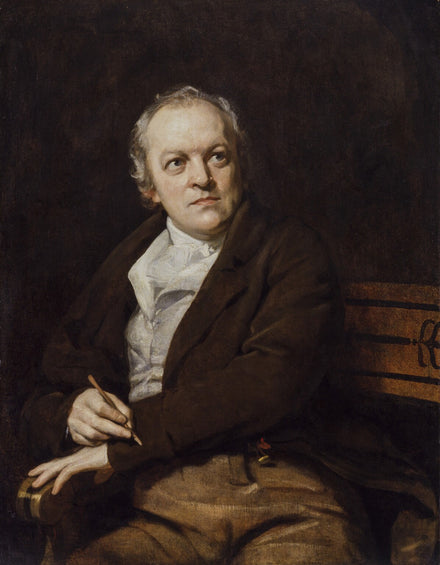
William Blake. Portrait by Thomas Phillips, 1807.National Portrait Gallery, London.
William Blake
William Blake saw angels in a tree as a child — and never revised the account. He spent the next seventy years making work out of the conviction that imagination was not decoration but the primary force of human life.
Words We Carry
Every quote here is traced to a documented source. How we verify →
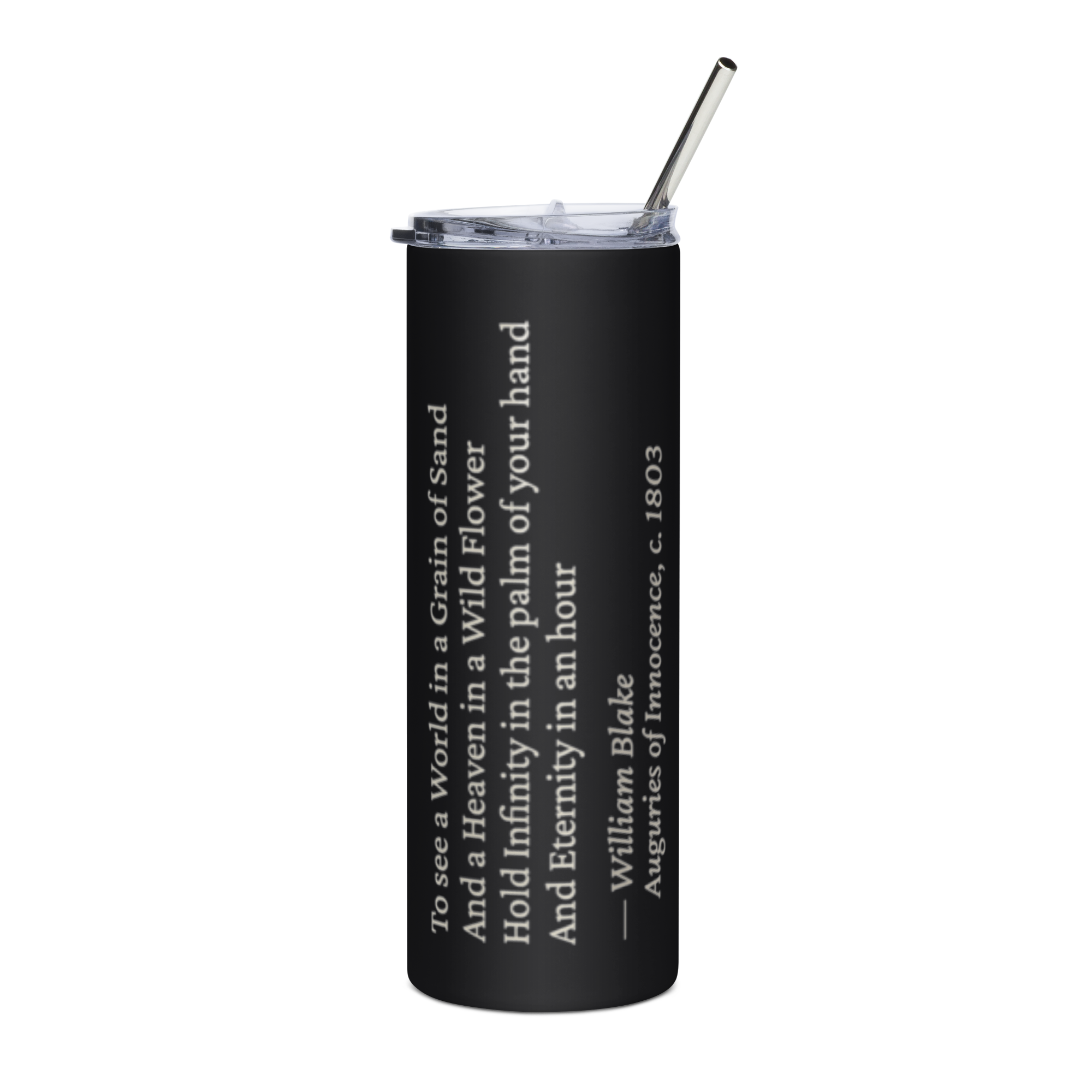
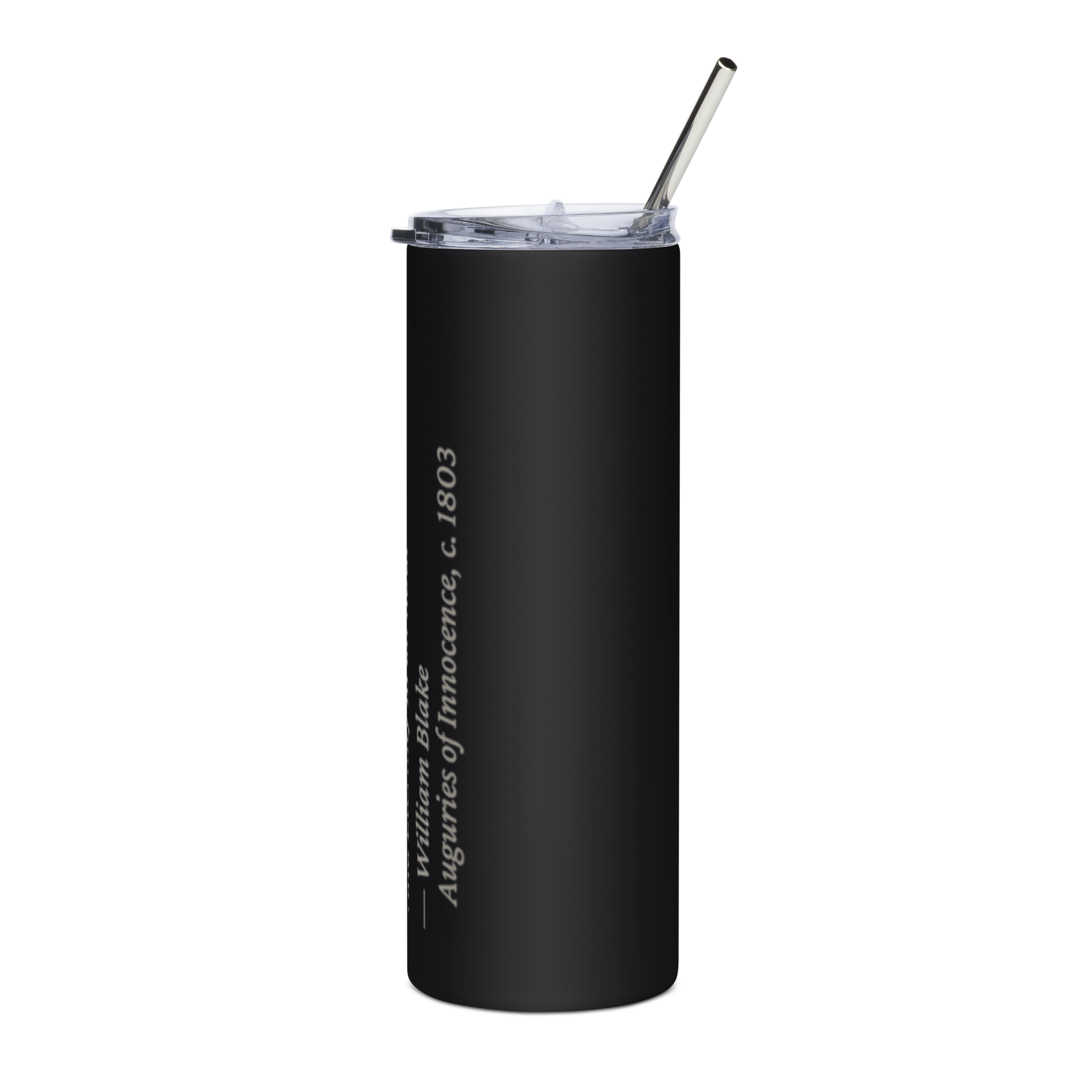
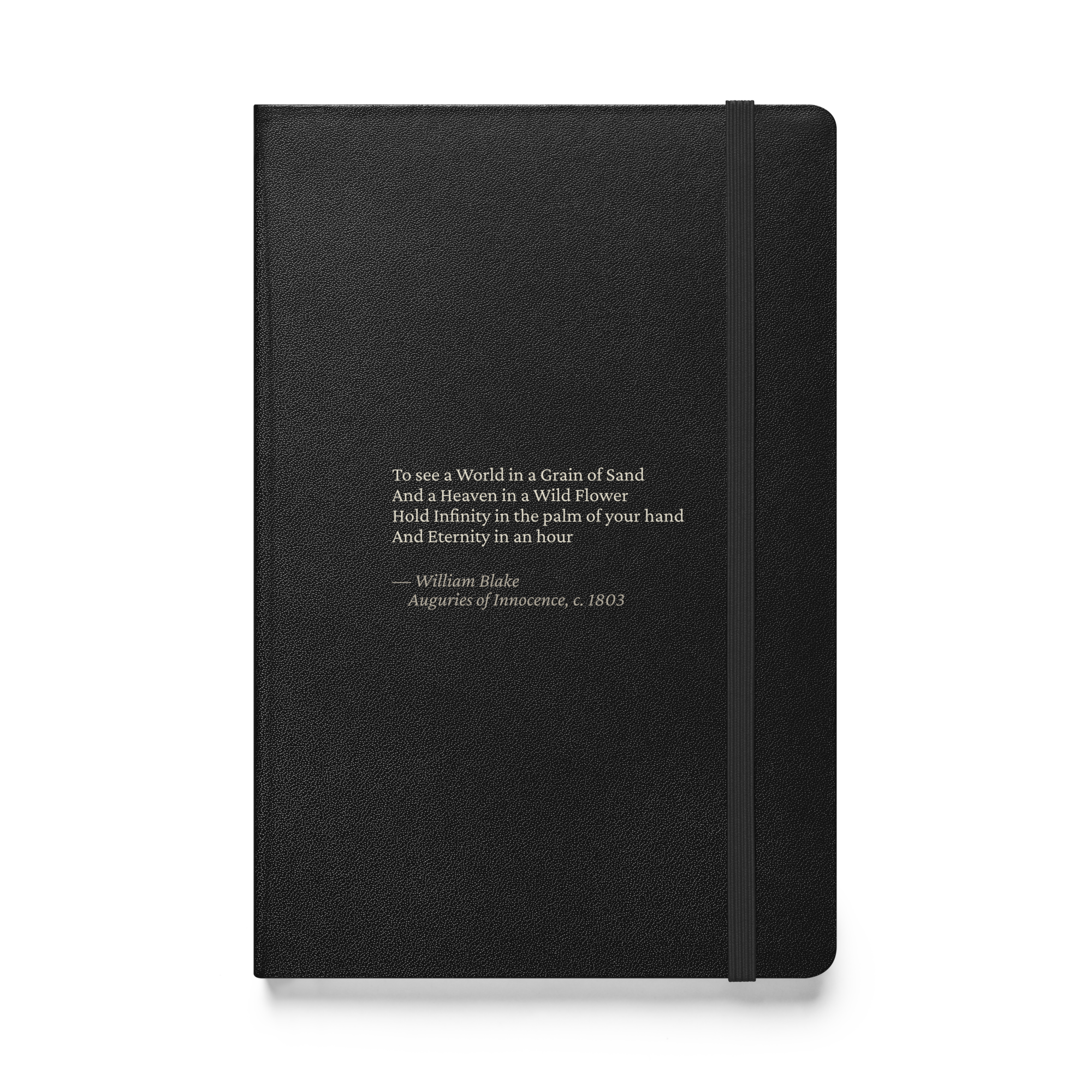
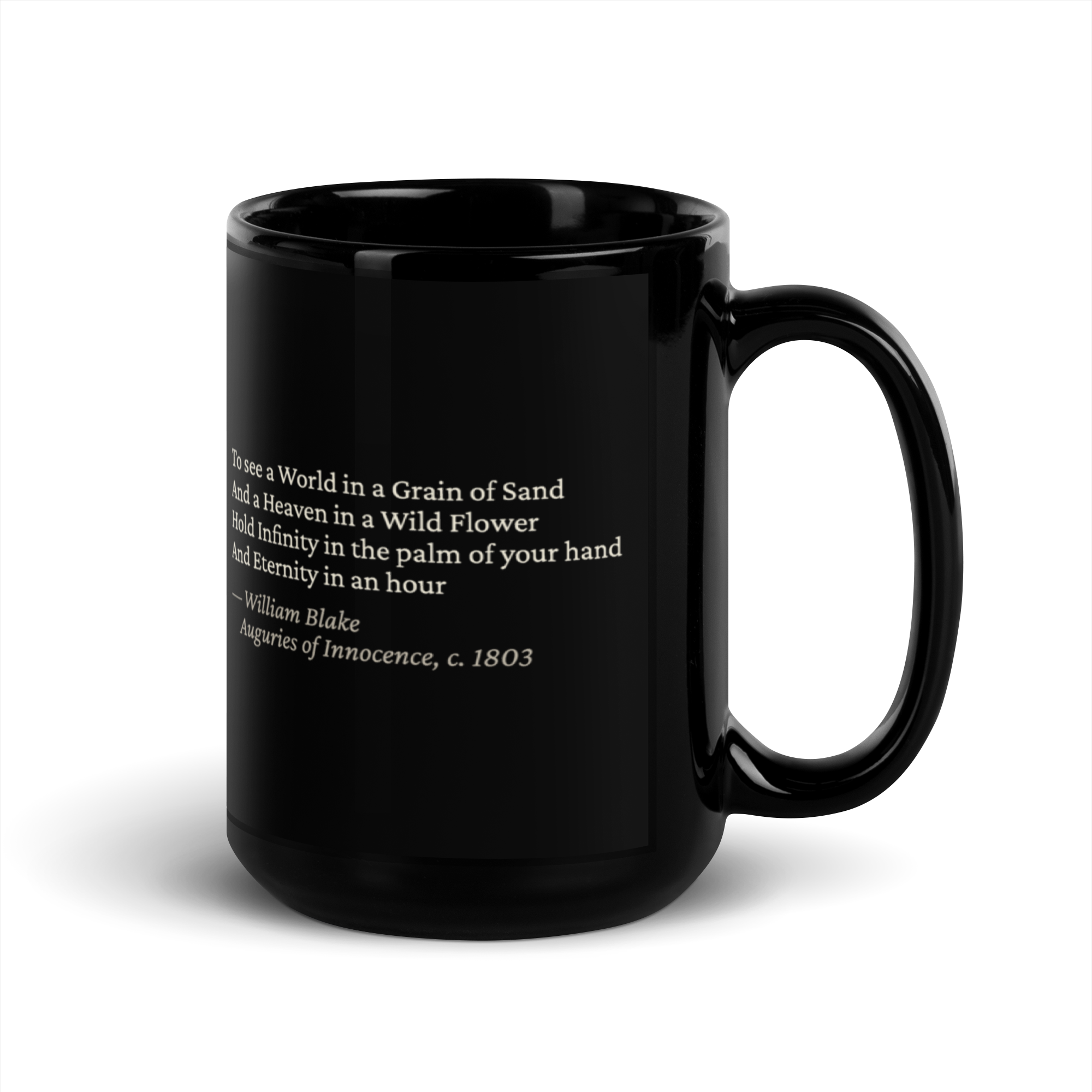
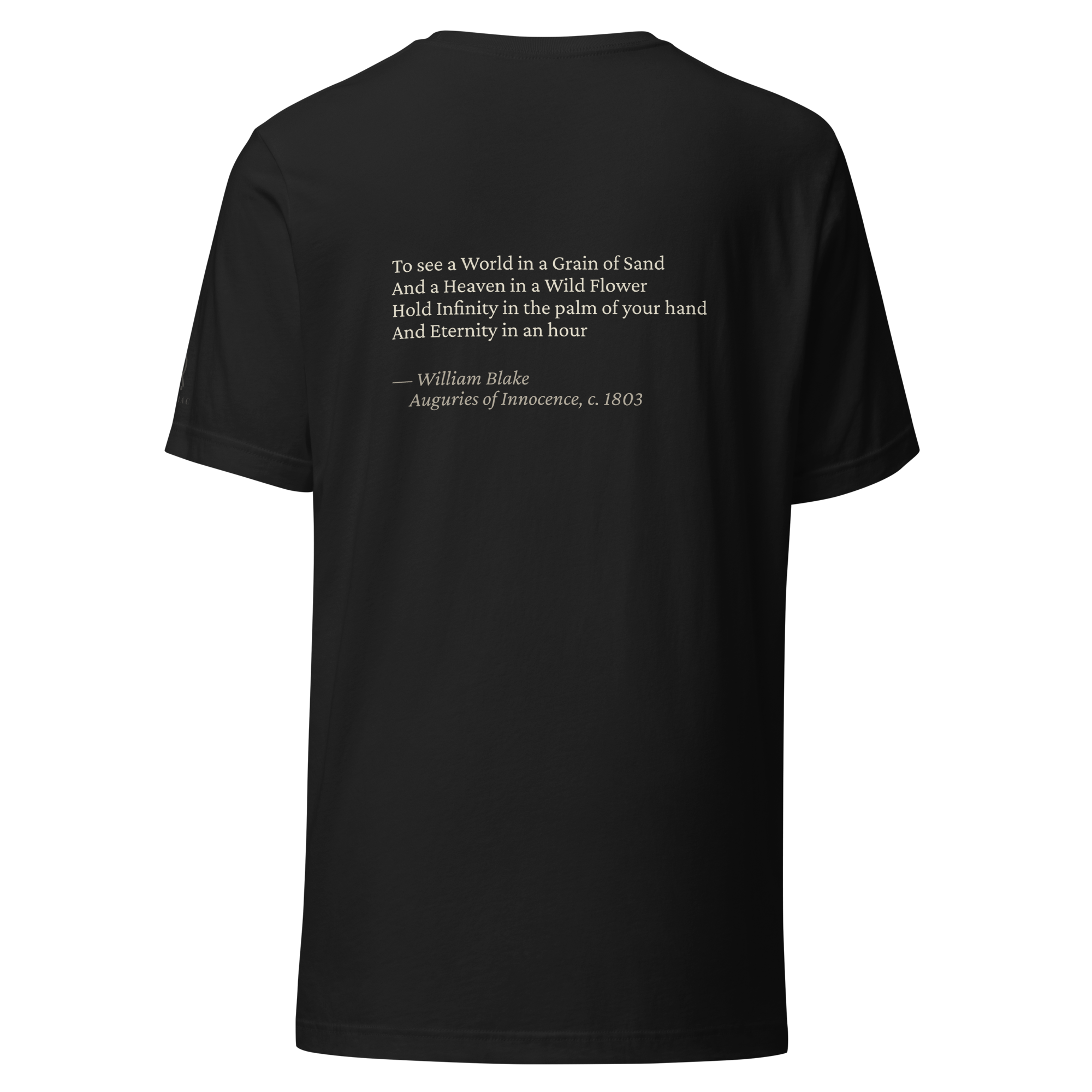
“To see a World in a Grain of Sand / And a Heaven in a Wild Flower / Hold Infinity in the palm of your hand / And Eternity in an hour”
William Blake, “Auguries of Innocence,” Pickering Manuscript, c. 1803; first published 1863
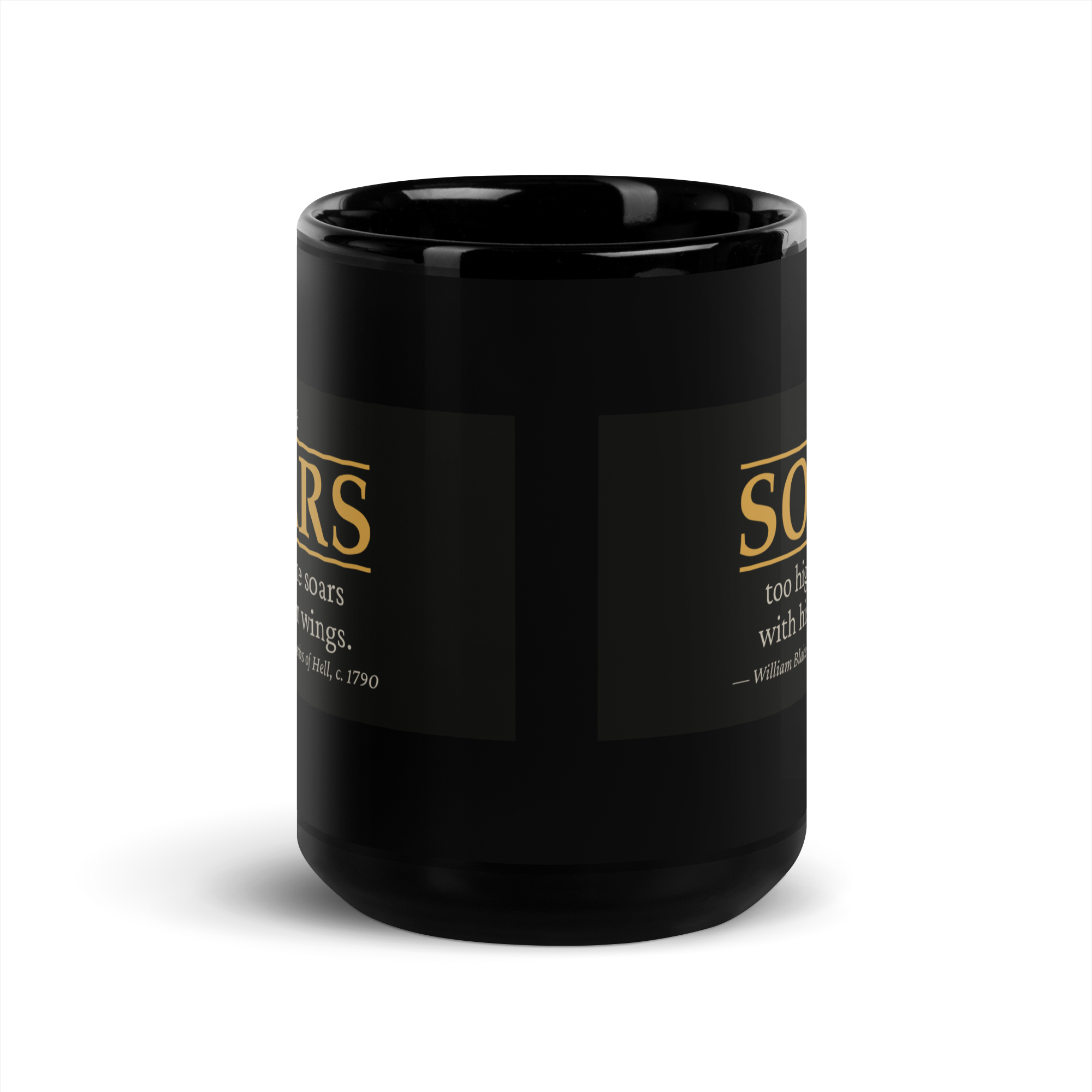
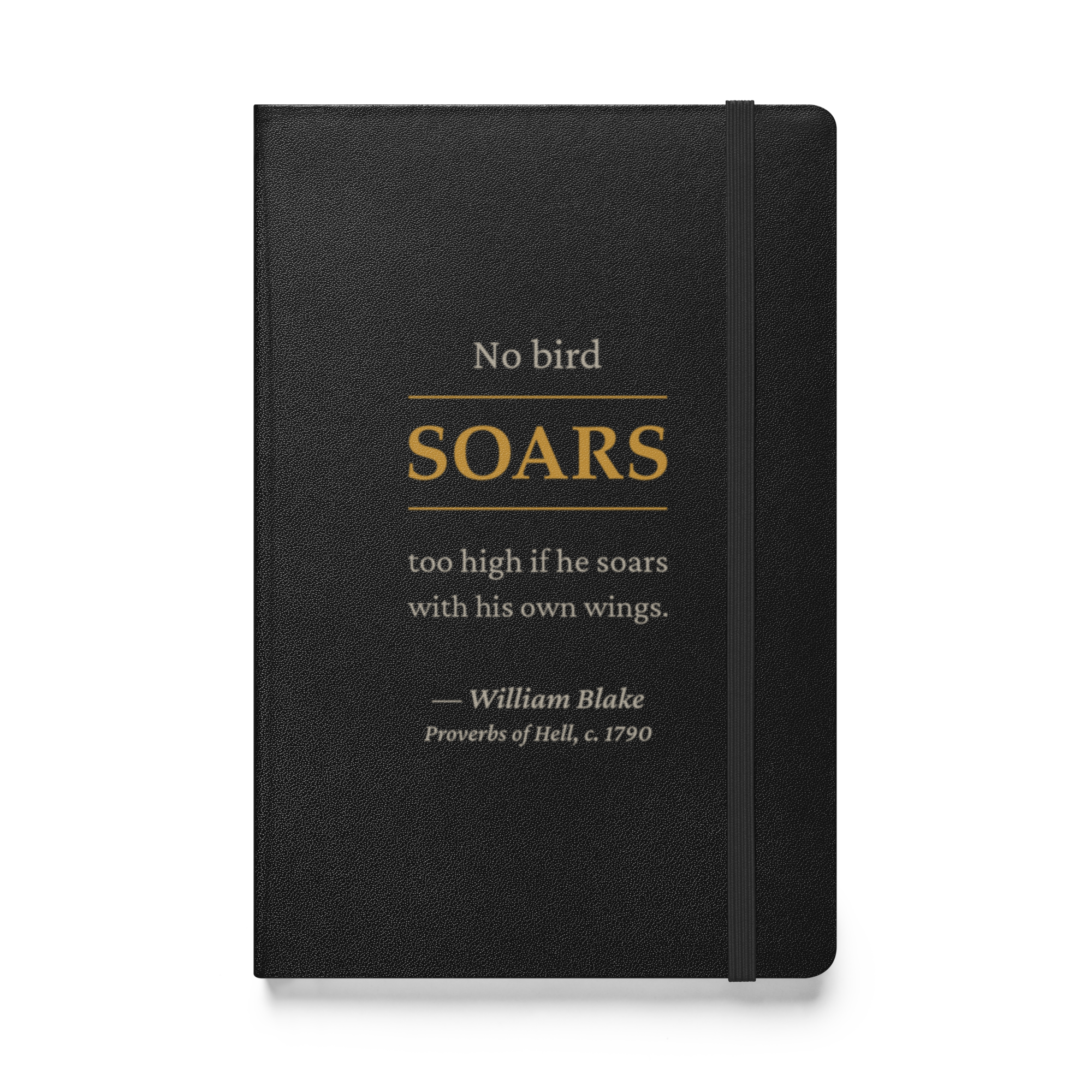
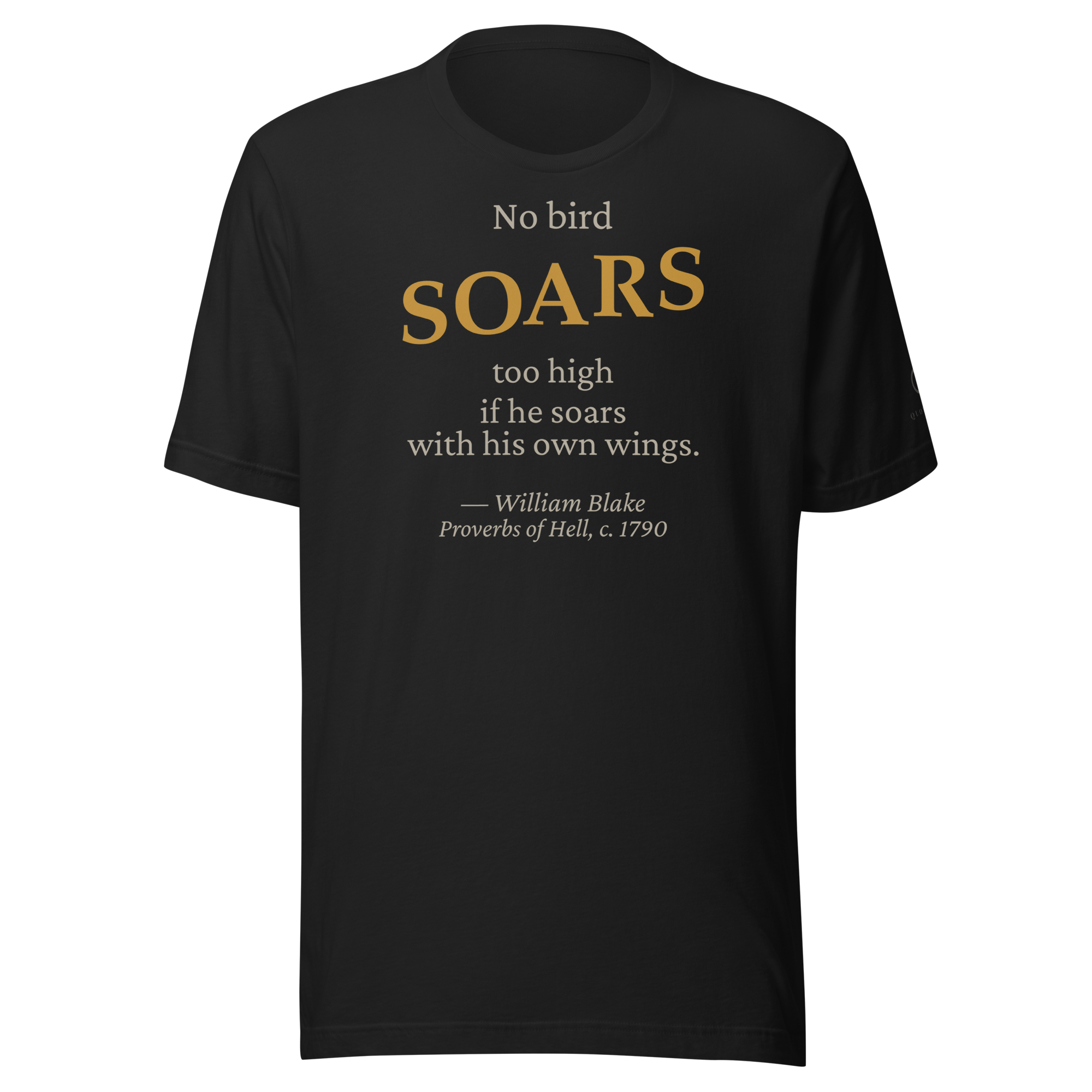
“No bird soars too high if he soars with his own wings.”
The Marriage of Heaven and Hell, “Proverbs of Hell,” c. 1790
About William Blake
William Blake made everything by hand. He wrote the words, engraved the plates, printed each copy, and coloured the pages himself — working in small numbers for a nearly nonexistent audience. This was not poverty forcing improvisation. He invented relief etching so that text and image could share the same surface, because he understood that the two things were not separate. A man who at eight or ten years old saw angels in a tree at Peckham Rye, and who never once revised that account or walked it back, was not going to let the printing trade tell him how a book should be made. He lived almost his entire life in London. He He left once — spending three years in Felpham, Sussex from 1800 to 1803, working for the patron William Hayley. He worked until the day he died.
What he was writing through was the distance between what the world promises and what it delivers — and his refusal to resolve that distance into something comfortable. Songs of Innocence and Experience holds both states as real. The lamb and the tiger are not opposites cancelling each other out; they are both products of the same maker, and the question ‘Tyger Tyger’ asks about that maker has no clean answer. Blake didn’t want a clean answer. He wanted the question to stay open, because the tension between them was where he actually lived. His contemporaries called him eccentric. The more generous ones called him mad. He kept working.
He died in 1827 with no public reputation to speak of. It took a biographer thirty-six years and a book published after his death to rebuild him from scratch. What Gilchrist’s 1863 biography restored — and what has only grown since — is the understanding that Blake was not outside his time because he failed to understand it. He was outside it because he saw further into it than almost anyone else. His last words were to his wife Catherine, asking her to hold still so he could draw her portrait. He had always seen her as an angel. There is no reason to think that was a figure of speech.
The Work
From the Journal
Why Dark Romanticism Is Having a Moment Right Now
The movement Blake helped define — and why it resonates harder than ever.
ReadWilliam Blake Saw the Universe in a Grain of Sand
The grain of sand quatrain is not decoration. It’s a claim — written by a man who saw angels and built his books by hand, alone.
ReadIn Their Orbit