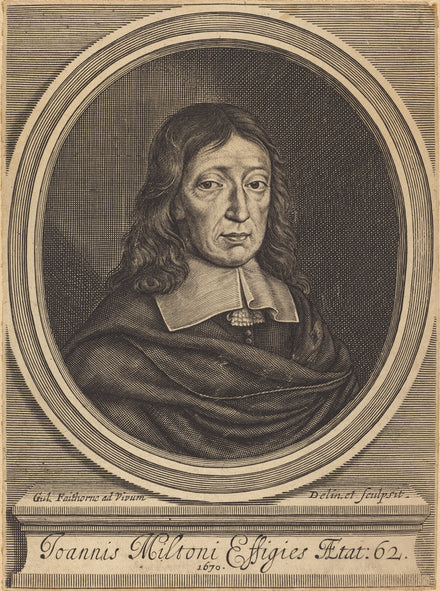
John Milton. Portrait, c. 1629.Public domain.
John Milton
John Milton wrote the greatest long poem in the English language after going blind — dictating Paradise Lost to amanuenses — scribes, friends, and family members in the years after everything he had built his life around had collapsed. The poem got written anyway.
Words We Carry
Every quote here is traced to a documented source. How we verify →
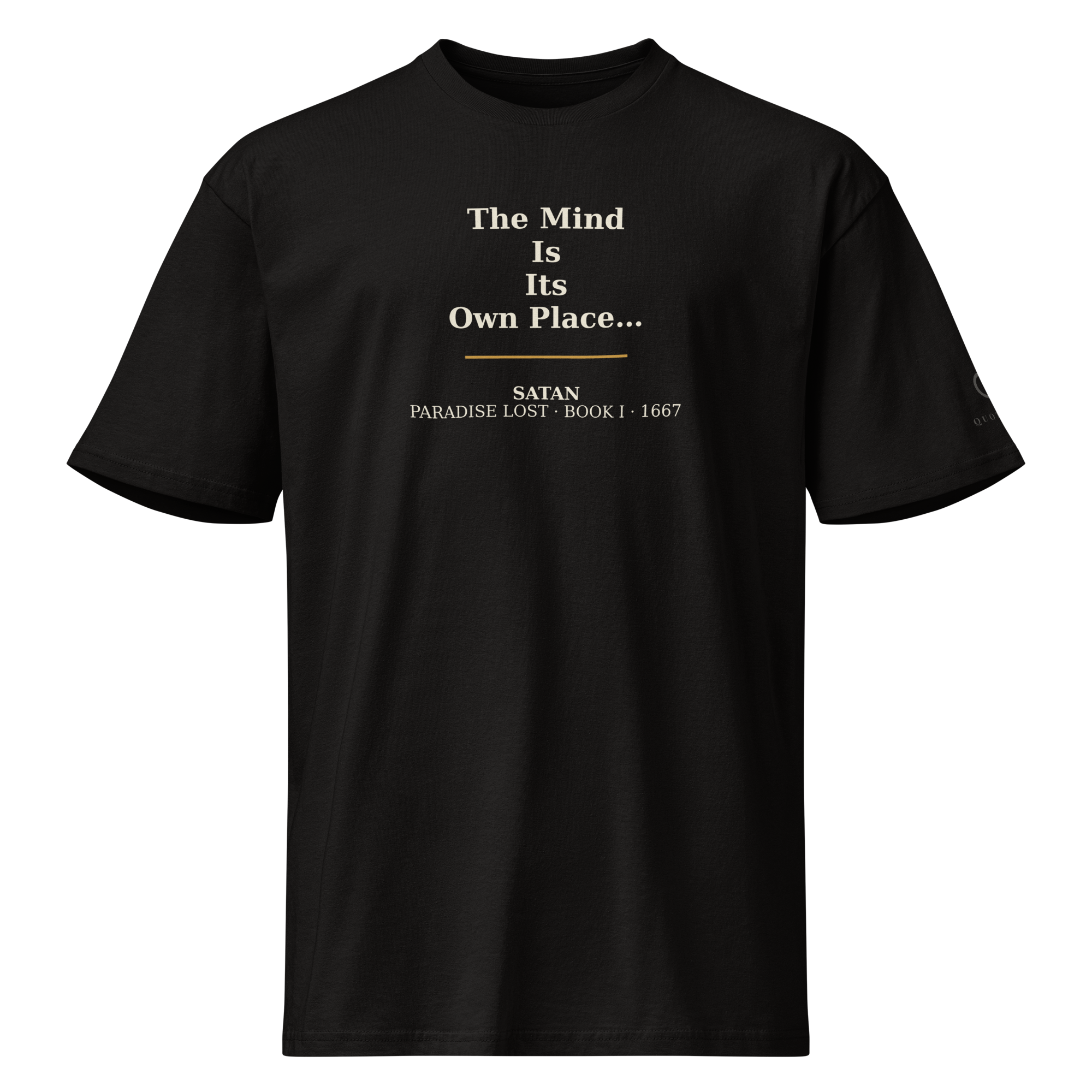
“The mind is its own place…”
John Milton, Paradise Lost (1667), Book I — spoken by Satan
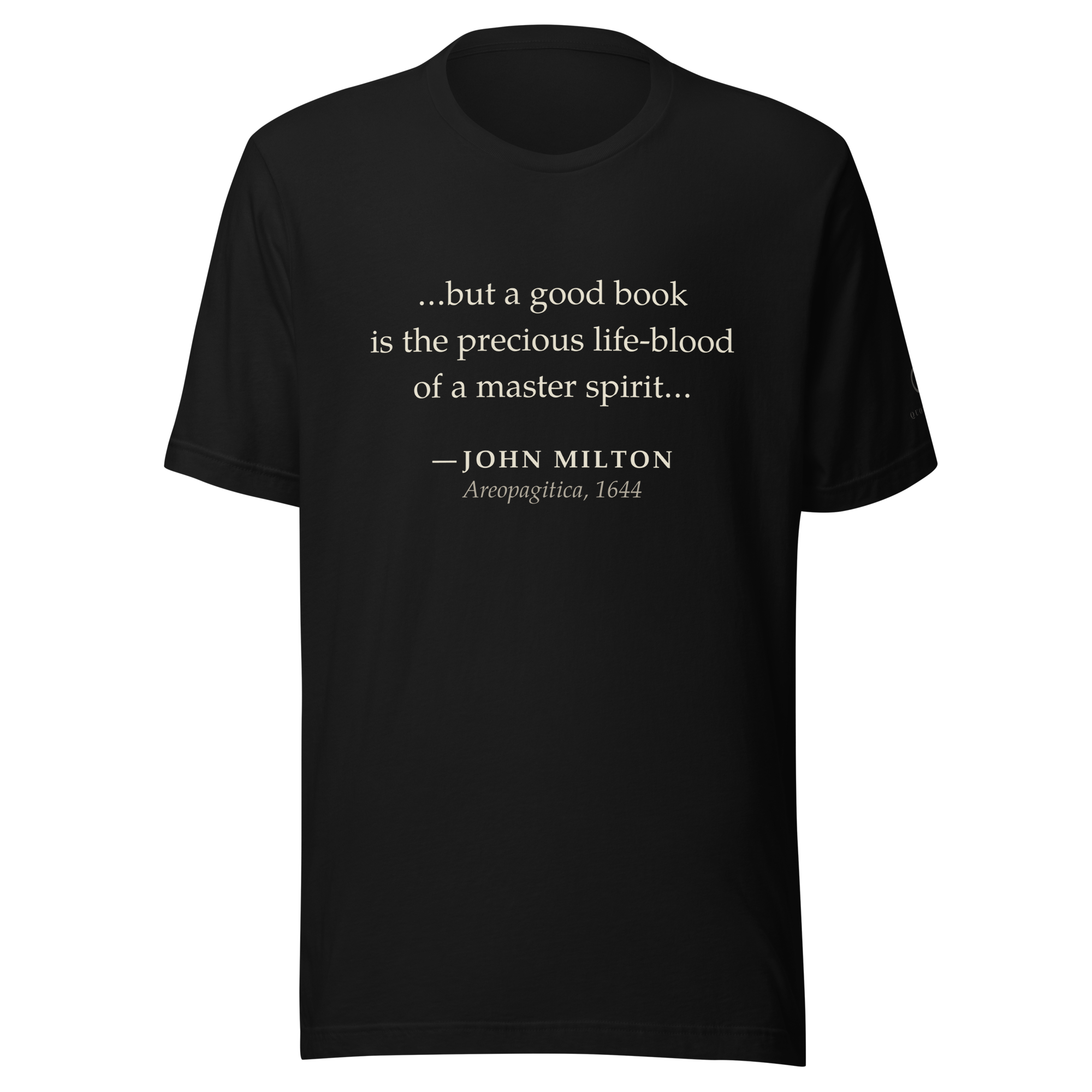
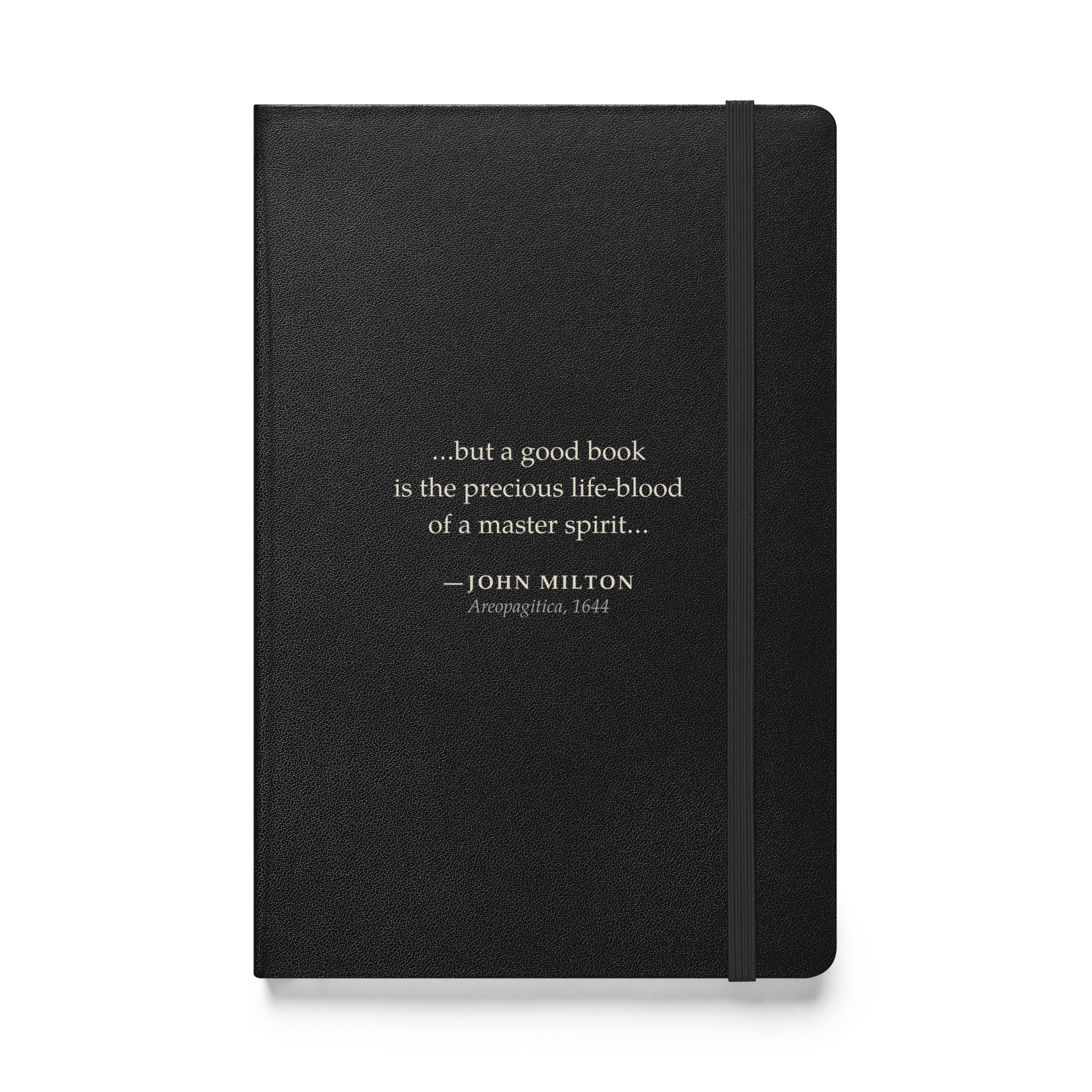
“…but a good book is the precious life-blood of a master spirit…”
John Milton, Areopagitica (1644)
About John Milton
Milton came to his great subject by a long and punishing detour. He spent his twenties in systematic preparation — reading everything, learning languages, writing occasional verse — with the conviction that he was building toward a masterwork he had not yet found. The masterwork he had in mind was a national epic in the manner of Virgil, probably on an Arthurian subject. What came out instead, decades later, was something stranger and larger: an attempt to account for the presence of evil in a world made by a good God, told from inside the mind of the losing side. Paradise Lost is a poem that takes Satan seriously as a thinker — and Milton, who had spent two decades in the losing cause of the English Commonwealth, knew exactly how that thinking felt.
Milton was born December 9, 1608, in Bread Street, Cheapside, London, the son of a scrivener who was also an accomplished musician. He was educated at St Paul’s School and Christ’s College, Cambridge, then spent six years in self-directed study at his father’s house in Horton before traveling to Italy in 1638. He met Galileo there — then under house arrest by the Inquisition for claiming the earth moved. The encounter stayed with him. He returned to England as the Civil War was beginning and spent the next two decades as a political writer and government official, serving as Secretary for Foreign Tongues under Cromwell. Areopagitica, his 1644 pamphlet against press censorship, was addressed to Parliament and published outside the very licensing system it argued against. He wrote it at thirty-five. He went blind by 1652 and kept working.
When the monarchy was restored in 1660, Milton — who had defended regicide in print and served the republic — went into hiding. He was briefly imprisoned. Friends intervened; some believe they saved him from execution. He lost most of his property. Paradise Lost, dictated to amanuenses in the years of his blindness, was published in 1667 for a flat fee of five pounds. He had negotiated a share of reprints if it sold well — a provision his widow never collected on. He died November 8, 1674, in London, at sixty-five, finishing Samson Agonistes in the final years. The arguments he made kept circulating long after he was gone. That is usually how it works with Milton — the work outlasted everything else.
The Work
From the Journal
Satan Said It. That’s the Point.
Satan says it in Book I — not as wisdom, but as defiance. The most quoted line in Paradise Lost belongs to the villain. That's the point.
ReadIn Their Orbit